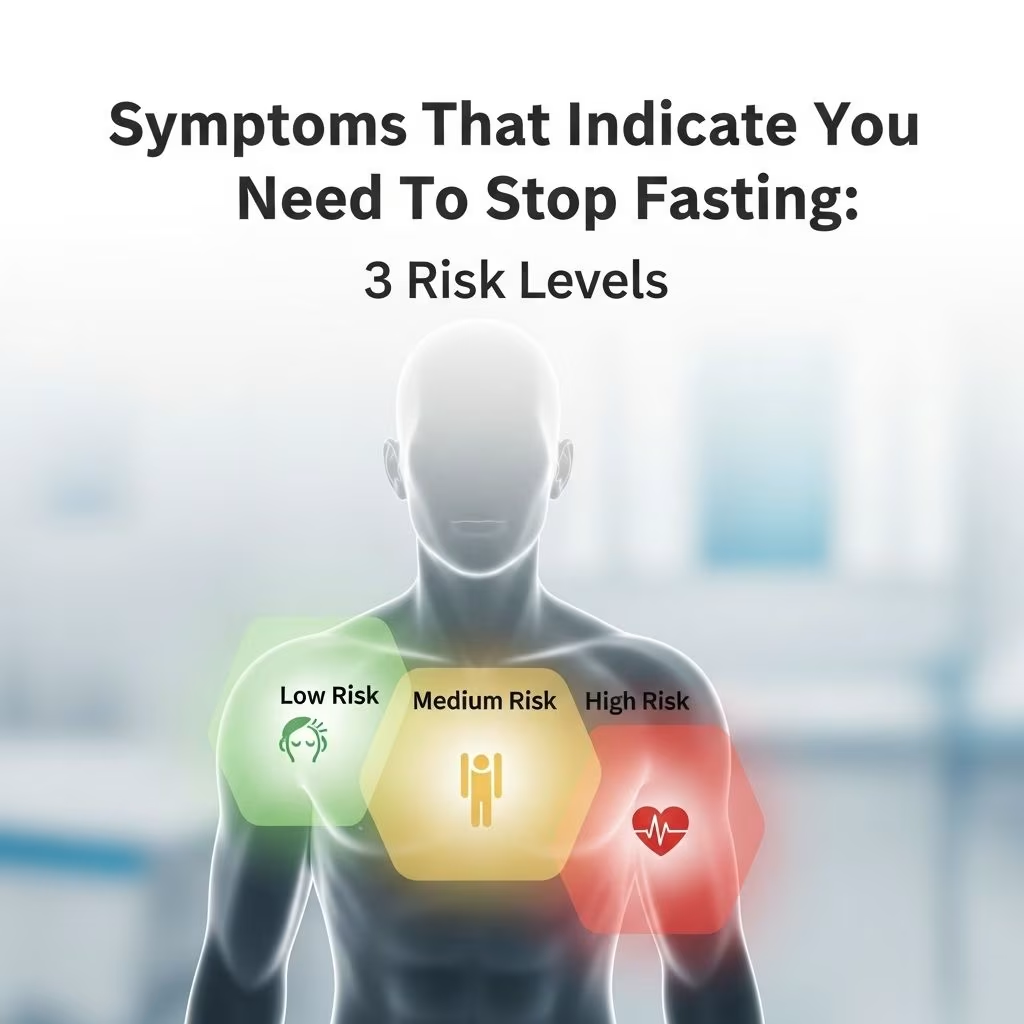
Symptoms That Indicate You Need To Stop Fasting
Fasting is a popular method for quick weight loss and spiritual or health benefits. However, while many people embrace fasting regimens, they may not be right or safe for everyone. Ignoring certain physical and mental signs during fasting can put your health at serious risk. This comprehensive guide outlines the most important symptoms that signal you should stop fasting immediately, why these symptoms occur, and what steps to take for safe fasting.
Why Fast—And When Is It Dangerous?
Fasting, whether for weight loss, medical, or religious reasons, involves abstaining from food, and sometimes drink, for varying durations. While it can offer benefits such as improved metabolism and clarity of mind, fasting also puts stress on your body. Some symptoms are mild and resolve with care, but others require immediate action.
- Listening to your body’s warning signals is essential to prevent severe health outcomes.
- Symptoms can be categorized as low-, moderate-, and high-risk based on severity and urgency.
Classifying Fasting Symptoms: When to Worry
Symptoms experienced during fasting can be grouped according to their health risk:
| Risk Level | Symptoms | Recommended Action |
|---|---|---|
| Low-Risk |
| Stop fasting and rest. Hydrate and eat. Symptoms usually resolve quickly. |
| Moderate-Risk |
| Stop fasting. Consult a healthcare professional. |
| High-Risk |
| Seek immediate medical help. |
Low-Risk Symptoms
These are often the first warning signs your body sends and should not be ignored, even though they aren’t usually dangerous by themselves:
- Anxiety, anger, or irritability: Fasting can cause emotional volatility as blood sugar drops, reducing serotonin levels and increasing stress hormones. Persistent mood changes signal time to stop fasting.
- Fatigue: Energy levels can dip, especially in the early days of fasting. While tiredness is common, lingering or severe fatigue means your body needs nourishment.
- Dry mouth and bad breath: This occurs due to decreased saliva, dehydration, and ketone buildup. Bad breath can indicate inadequate hydration.
- Unpleasant body odor: Prolonged fasting causes your body to burn fat, releasing byproducts that may cause strong odors.
Moderate-Risk Symptoms
Moderate-risk symptoms reflect more severe stress on your body and require you to break your fast and consult a professional:
- Dizziness and blurred vision: Dehydration, low blood sugar, or low blood pressure may result in dizziness or seeing spots.
- Intense headaches: Headaches may be caused by caffeine withdrawal, dehydration, blood sugar drops, or lack of nutrients.
- Nausea, vomiting, reflux: The stomach can become overly acidic without food, leading to nausea or vomiting. If you are unable to keep fluids down, this is more serious.
- Burning stomach sensation: Fasting can irritate the stomach lining, especially for those with a history of gastritis or ulcers.
- Diarrhea or indigestion: Changing eating patterns or foods can upset digestion and cause uncomfortable or risky symptoms.
- Excessive urination: Fasting may accelerate fluid loss and can lead to dangerous dehydration or electrolyte loss.
- Menstrual irregularities: Prolonged calorie restriction may interfere with hormones, resulting in missed periods or abnormal cycles.
High-Risk Symptoms
High-risk symptoms are medical emergencies. If you or someone you know experiences these while fasting, seek urgent help:
- Loss of consciousness: Fainting or blacking out can signal extreme dehydration, electrolyte imbalance, or dangerously low blood sugar.
- Chest pain or severe stomach pain: These could be signs of heart or digestive emergencies.
- Difficulty concentrating, confusion, disorientation: The brain is deprived of glucose, its main fuel, leading to cognitive issues or dangerous accidents.
- Severe nausea, inability to keep fluids down: Indicates critical risk of dehydration and should not be ignored.
Why Do These Symptoms Occur?
Fasting stresses multiple organ systems by limiting calories, nutrients, and hydration. Here’s why symptoms appear:
- Rapid drops in blood sugar affect brain and nerve function.
- Lack of electrolytes and fluids trigger headaches, fatigue, and heart symptoms.
- Absence of nutrients hinders hormone production and metabolism, disrupting menstrual cycles, mood, and digestion.
- Severe or prolonged fasting can push the body into ketosis, creating metabolites that influence odor, cognition, and organ health.
Other Serious Side Effects and Long-Term Risks of Fasting
Beyond immediate symptoms, incorrect or extreme fasting can lead to dangerous longer-term outcomes. These include:
- Malnutrition: Chronically low intake deprives organs and tissues of vitamins, minerals, and protein.
- Weak Immunity: Inadequate nutrition and calories can suppress immune function, making infections more likely.
- Hair loss and skin problems: Protein and micronutrient deficiencies can cause brittle hair, hair loss, and poor skin healing.
- Fertility problems: Women especially may experience disrupted ovulation and menstrual cycles, or even long-term fertility problems.
- Bone loss: Prolonged fasting and low calcium or vitamin D intake can cause osteoporosis or bone fragility.
- Stroke risk: Severe dehydration and blood pressure changes increase your risk of circulatory events like stroke.
- Mood swings, muscle cramps, palpitations: Fluctuating electrolytes, hormones, and low carbohydrates can cause severe mood changes, cramps, or irregular heart beats.
- Low blood sugar (hypoglycemia): Especially dangerous for diabetics or those on glucose-lowering medication, hypoglycemia can be life-threatening.
What to Do When Symptoms Appear
If you experience any symptoms while fasting:
- If you have mild (low-risk) symptoms: Stop fasting, hydrate, eat a nutritious meal, and rest. Most symptoms subside with care.
- For moderate-risk symptoms: Stop fasting immediately. Consult a healthcare provider for assessment, especially if symptoms persist.
- For high-risk symptoms: Seek emergency medical assistance without delay.
For headaches during fasting, certain medications (like rofecoxib) may help, but always consult your doctor before trying any medicine while fasting.
Tips for Safe Fasting
To prevent symptoms and fast more safely, consider these expert recommendations:
- Hydrate frequently: Drink plenty of water and non-caffeinated beverages.
- Eat balanced meals: Choose protein-rich, whole foods, and complex carbohydrates before and after fasting periods.
- Keep exercises light: Opt for mild physical activities. Strenuous exercise during fasting increases fatigue and risk.
- Use supplements: Consider vitamin and mineral supplements to avoid deficiencies. Seek medical advice for the right amounts.
- Rest as needed: Listen to your body’s cues for rest or sleep.
- Avoid extreme or prolonged fasting: Stick to evidence-based fasting protocols suitable for your health profile.
- Monitor for side effects: Keep a symptom diary if attempting fasting for extended periods.
- Consult a healthcare professional: Always speak with your doctor before starting a fasting regimen, especially if you have underlying medical conditions, take medication, or have experienced eating disorders.
Fasting and the Risk of Eating Disorders
While fasting is pursued for health, it may cause or worsen disordered eating patterns, especially in those with prior vulnerabilities. Research indicates:
- Prolonged or repeated fasting can disrupt natural hunger cues, fostering binge eating or food restriction cycles.
- Psychological stress related to severe dietary changes may aggravate mental health conditions such as anxiety and depression.
- Studies link fasting to higher risk of orthorexia (an unhealthy obsession with eating healthily) and symptoms of eating disorders.
If you notice preoccupation with food, guilt after eating, or obsessive dietary habits, seek support from medical or mental health professionals.
Key Takeaways
- Fasting is not for everyone. Every body is unique: what’s safe for one may not be for another.
- Hydration and balanced nutrition are crucial during any fasting regimen to minimize risk of complications.
- Exercise caution and seek advice before beginning any extended fasting plan.
- Recognize the symptoms early: Responding promptly can prevent mild side effects from becoming life-threatening emergencies.
Frequently Asked Questions (FAQs)
How long is it safe to fast without eating?
The safe length of fasting varies by individual and underlying health conditions. Most people can tolerate intermittent fasts (such as 16–24 hours) but longer fasts should be supervised by a medical professional. Always stop fasting if you develop warning symptoms.
Can fasting cause long-term health problems?
Yes, prolonged or repeated fasting without monitoring can lead to malnutrition, bone loss, weakened immunity, hormonal disturbances, and exacerbate eating disorders.
What should I eat to break a fast safely?
Break your fast with a light, balanced meal including fluids, complex carbohydrates, lean proteins, and some healthy fats. Avoid overeating or consuming large amounts of sugar and processed food immediately after fasting.
Are there people who should never attempt fasting?
Children, pregnant or breastfeeding women, people with diabetes or eating disorders, the elderly, and those with chronic medical illnesses should avoid fasting unless advised and supervised by a healthcare provider.
Is it normal to feel sick while fasting?
Mild discomfort is somewhat common, but persistent sickness, weakness, dizziness, or any high-risk symptoms are abnormal and require stopping the fast immediately.
Conclusion
Fasting can be a powerful tool for health or spirituality, but only if approached with understanding and caution. By recognizing critical warning symptoms and understanding when to stop, you can safeguard your well-being and make smart choices about your dietary practices. Always listen to your body—and seek medical guidance whenever needed.
References
- https://www.stylecraze.com/articles/symptoms-that-indicate-you-need-to-stop-fasting/
- https://www.healthline.com/nutrition/intermittent-fasting-side-effects
- https://www.stylecraze.com/articles/serious-side-effects-of-starving/
- https://pmc.ncbi.nlm.nih.gov/articles/PMC9503095/
- https://pmc.ncbi.nlm.nih.gov/articles/PMC10832063/
- https://jamanetwork.com/journals/jama/fullarticle/2784658
- https://www.uclahealth.org/news/article/health-benefits-of-intermittent-fasting-and-tips-for-making-it-work