


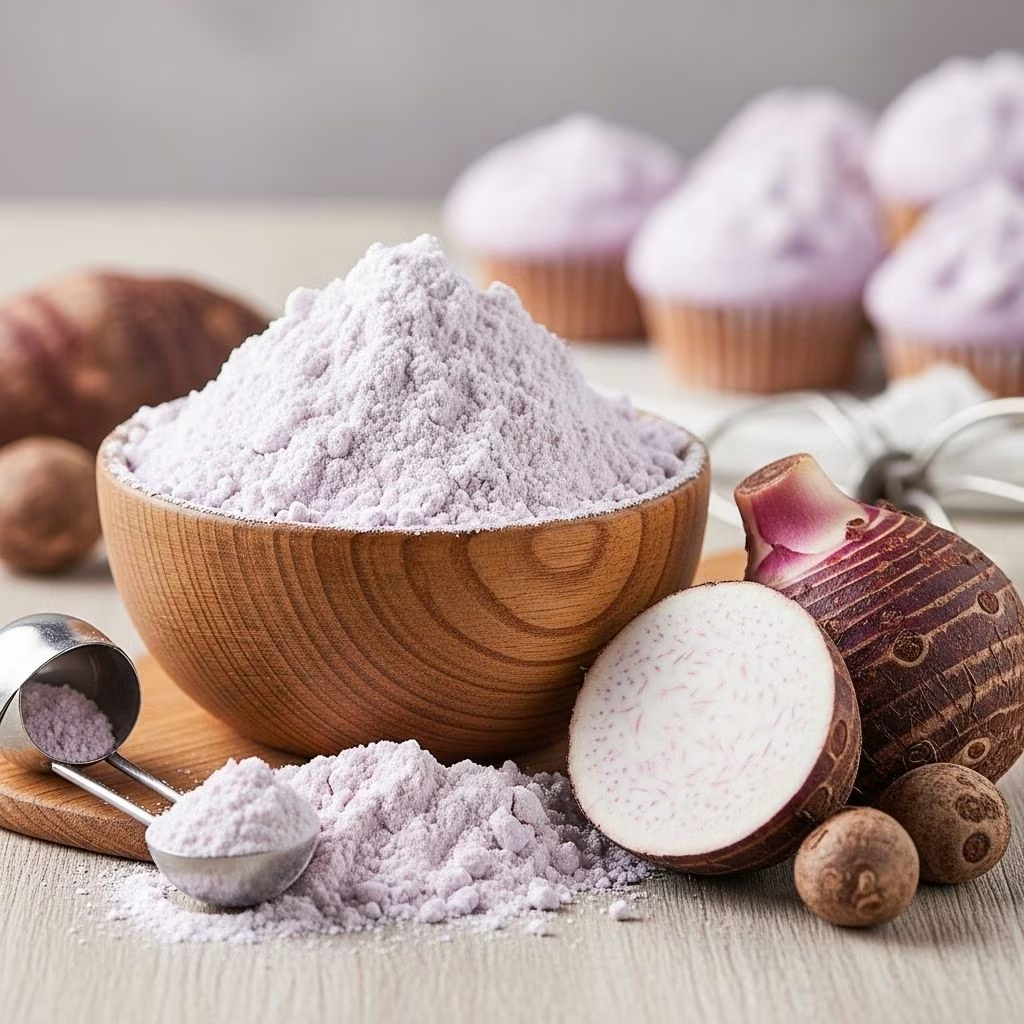
Taro Flour: An Overview
Taro flour is a versatile ingredient derived from the root of the taro plant, commonly used in baking and cooking. It offers a unique purple color and a distinctive nutty flavor, making it a popular choice for various desserts and dishes.
Uses in Baking
Taro flour can be incorporated into a variety of baked goods, such as cakes, cupcakes, and bread rolls. It provides a moist and dense texture while adding a subtle sweetness and a vibrant purple hue to the final product.
Taro Cakes
Taro cakes are a staple dessert in many Asian cultures. They can be made using taro powder or flour, which is combined with cake flour, sugar, milk, and other ingredients to create a moist and flavorful cake. For a more decadent treat, these cakes can be paired with cream cheese frosting, as seen in recipes like the Taro Cake with Cream Cheese Frosting.
Dim Sum Taro Cake
Dim sum-style taro cakes are savory and incorporate ingredients like fresh taro, dried shrimp, and Chinese sausage. These cakes are made by mixing rice flour with water and then combining it with cooked taro and other ingredients before steaming. The use of rice flour provides a softer and more delicate texture compared to cakes made with wheat flour.
Taro Cupcakes
Taro cupcakes are another delightful dessert option. They can be made by combining taro, sugar, eggs, and flour, then baking until set. These cupcakes offer a sweet and compact way to enjoy the flavors of taro.
Substitutes for Taro Flour
While taro flour is unique, there are substitutes that can mimic its nutritional and culinary properties in recipes. These include:
- Purple Sweet Potato Flour: Offers a similar vibrant color and can add a sweet and nutty flavor to baked goods.
- Yam Flour: Provides a slightly sweet taste and can be used in savory dishes.
- Ube Flour: Known for its bright purple color and sweet, almost vanilla-like flavor, making it a popular substitute in desserts.
Nutritional Benefits
Taro flour is rich in fiber, vitamins, and minerals, making it a nutritious addition to baked goods. It contains potassium, magnesium, and iron, which contribute to overall health and well-being.
Frequently Asked Questions (FAQs)
Q: What is the best way to store taro flour?
A: Taro flour should be stored in an airtight container in a cool, dry place to maintain its freshness and prevent spoilage.
Q: Can I use taro flour in savory dishes?
A: Yes, taro flour can be used in savory dishes, such as steamed taro cakes with ingredients like dried shrimp and Chinese sausage.
Q: How does taro flour compare to regular flour in terms of gluten content?
A: Taro flour is gluten-free, making it a suitable option for those with gluten intolerance or sensitivity.
Recipes Using Taro Flour
The versatility of taro flour allows it to be incorporated into a wide range of recipes, from sweet treats like cupcakes and cakes to savory dishes like steamed taro cakes. Here are some ideas for using taro flour:
- Taro Rolls: A sweet and fluffy bread infused with the color and flavor of taro, often enjoyed as a side dish.
- Taro Mug Cake: A quick and easy dessert made by mixing taro flour with sugar, eggs, and water, then microwaving until set.
- Taro Cupcakes: Perfect for special occasions, these cupcakes combine taro with traditional baking ingredients for a unique dessert.
Table of Contents
Conclusion
Taro flour is a versatile ingredient that not only adds flavor and texture to baked goods but also provides nutritional benefits. Its unique properties make it an excellent choice for those looking to innovate in the kitchen while maintaining a focus on health.
References
- https://adventuresincooking.com/taro-cake-with-cream-cheese-frosting/
- https://onolicioushawaii.com/taro-cake/
- https://www.youtube.com/watch?v=tM-SOju9AFk
- https://www.atasteofmadness.com/taro-mug-cake/
- https://www.youtube.com/watch?v=dIATVujx_Ss
- https://bakeomaniac.com/taro-brownies-recipe/
- https://www.madewithlau.com/recipes/taro-cake
- https://www.sj-r.com/story/lifestyle/food/recipes/2025/07/29/check-out-this-taro-white-chocolate-and-coconut-cookie-recipe/85404392007/


