


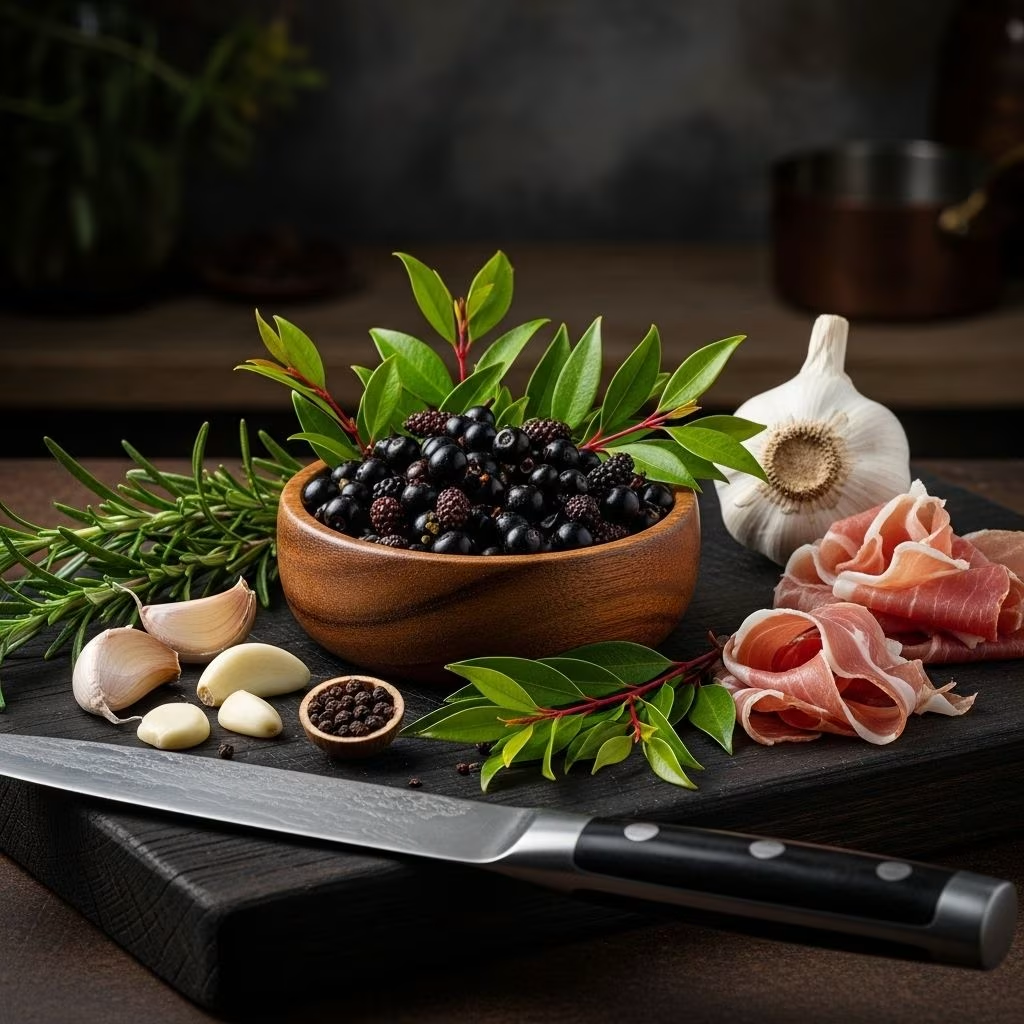
Experience the ancient and vibrant flavour of Tasmanian mountain pepper (also known as Pepperberry or Tasmannia lanceolata), a native Australian spice that adds heat, floral aroma, and rich colour to savoury and sweet dishes alike. This comprehensive guide brings together the best recipes, culinary history, and expert cooking tips—so you can capture the wild taste of Tasmania in your own kitchen.
About Mountain Pepper (Tasmanian Pepperberry)
Mountain pepper is the culinary term for the berries and leaves of Tasmannia lanceolata, a small shrub native to Tasmania and southeastern Australia. The plant produces glossy, avocado-shaped leaves and clusters of small, deep purple-black berries. Both parts are edible; the leaves (pepperleaf) have a more herbal punch, while the berries (pepperberry) offer complex, fruity heat and a vivid, natural purple colouration.
- Names: Mountain pepper, Tasmanian pepperberry, native pepper, Dorrigo pepper, pepperleaf, bush pepper
- Flavour profile: Spicy, slow-building heat with hints of fruit, earth, and eucalyptus; the aftertaste lingers and warms the palate.
- Forms used: Whole dried berries, ground pepperberry, dried or ground leaves
- Culinary uses: As a seasoning, spice rub, in sauces, desserts, herbal infusions, beverages, pickles, and preserves
- Medicinal/cultural uses: Used by Tasmanian Aboriginal communities for flavour and medicinal benefits
Traditional and Indigenous Uses
Tasmanian pepperberry has a rich history in Indigenous Australian cuisine. For thousands of years, Aboriginal Tasmanians harvested these berries for their concentrated flavour and health benefits. The traditional method involved drying and grinding the berries to season meats and seafood, or infusing them into stews and ceremonial dishes—which offered not only flavour, but a strong spiritual connection to the land.
- Seasoning: Dried and ground for wild game, fish, and bush meats
- Preservation: Added to pickles, preserves, and marinades
- Cultural significance: Symbol of strength, resilience, and connection to country
- Medicinal use: Traditionally used as a remedy for stomach complaints and as a general tonic
How Was Mountain Pepper Traditionally Cooked?
Aboriginal families maintained sustainable harvesting practices, picking only ripe berries and respecting the natural life cycle of the plant. The berries were sun-dried and coarsely ground, then sprinkled onto roasted marsupials or fish, or infused in water for nutritional teas and broths.
Traditional recipes highlighted the natural heat and aromatics of mountain pepper, usually paired with rich, oily meats or starchy tubers for balance.
Modern Cooking and Creative Pairings
Today, mountain pepper is celebrated in high-end restaurants and home kitchens for its exotic, versatile taste. Australian chefs innovate with both the berry and leaf, using them in ways that bridge old techniques and modern tastes, from spice rubs and sauces to desserts and drinks.
- In savoury dishes: Adds fiery warmth to red meats, game, poultry, and seafood
- In sweet recipes: Enlivens ice creams, custards, chocolate, and fruit-based desserts
- In beverages: Infuses gin, syrups, cocktails, and native teas with spicy-sweet notes
Popular Modern Pairings
- Beef and lamb: Rubbed on steaks or slow-roasted cuts for depth and colour
- Vegetables: A pinch in roasted vegetables, soups, or braises (try with sweet potato or root veg)
- Chocolate: The floral heat of pepperberry balances dark chocolate’s bitterness
- Cheese: Sprinkled over soft cheese or worked into shortbreads and crackers for an Australian twist
Top Mountain Pepper (Tasmanian Pepperberry) Recipes
From simple condiments to show-stopping mains and refined desserts, here are the best ways to use this wild spice:
Pepperberry Steak Rub
- 2 tsp dried ground pepperberry
- 1 tsp sea salt
- 1 tsp garlic powder
- 1 tbsp olive oil
Mix all ingredients, coat meat, and rest for 30 minutes. Grill or pan-sear until just cooked. Let rest before slicing. This method unlocks the fruity heat and infuses the steak with native aroma.
Creamy Pepperberry Pasta
- Pinch of dried pepperberry (ground)
- Rich cream sauce (butter, garlic, cream)
- Fresh pasta
- Grated hard cheese
Add ground pepperberry to the sauce as it thickens. The subtle blush and warmth brighten up the whole dish. Serve with extra grated cheese.
Pepperberry & Saltbush-Crusted Whitebait
- Whitebait
- Seasoned flour (plain flour, ground pepperberry, ground saltbush, aniseed myrtle, ground fennel)
- Lemon slices
Dredge the whitebait and lemon in the seasoned flour and fry until golden. This bush-spiced crunch pairs wonderfully with tartare sauce or citrus labneh.
Roasted Root Vegetables with Mountain Pepper
- Selection of root vegetables (sweet potato, carrot, parsnip)
- Olive oil
- Crushed mountain pepperberry
- Sea salt, black pepper
- Optional: drizzle of honey or balsamic to finish
Toss diced veg with olive oil and crushed pepperberry, roast until golden, and finish with a sweet drizzle. The spice intensifies as the vegetables caramelise.
Pepperberry Flavoured Butter
- 100g unsalted butter (softened)
- 1/2 tsp finely ground pepperberry
- Pinch sea salt
Mash ingredients, shape into a log, and chill. Slice over grilled meats, fish, or sautéed mushrooms for instant bush flavour.
Dark Chocolate & Pepperberry Ganache
- 100g dark chocolate, chopped
- 80ml cream
- 1/4 tsp ground pepperberry
- Pinch sea salt
Gently heat cream and pepperberry, pour over chocolate, wait, then stir smooth. Spoon over fruit or scoop for truffles—the berry’s heat lingers as a floral warmth in each bite.
Native Gin & Tonic with Whole Pepperberry
- Premium gin
- Tonic water
- 3-5 whole dried pepperberries
- Slice of citrus (lime or lemon)
Add whole pepperberries to your glass before pouring gin and tonic. The berries tint the drink pink and release spice over time.
Pepperberry Savory Shortbread
- 125g unsalted butter, softened
- 1 cup plain flour
- 1/2 cup grated hard cheese
- 1/2 tsp ground pepperberry
- Pinch salt
Cream butter and cheese, fold in flour and pepperberry, chill, then slice and bake until crisp. The pepperberry offers crunch and heat; excellent with pâté or cheese boards.
Pepperberry Ice Cream
- Vanilla ice cream base
- 1/2 tsp ground pepperberry
Churn ground pepperberry directly into the ice cream base for both colour and bite. The result is an aromatic, blushing treat with native zing.
How to Cook Mountain Pepper Perfectly
To enjoy the depth of Tasmanian mountain pepper without overpowering a dish, consider these techniques:
- Start small: Pepperberry’s heat builds, so use sparingly and taste as you go.
- Crush just before use: Whole berries, when freshly ground, release their best fragrance and colour.
- Add late in cooking: The flavour and colour are most vibrant when added at the end, as prolonged cooking can mute both.
- Pair with fat: Butter, cream, or oil carry and smooth the spicy, floral heat of mountain pepper.
- Complement with sweet or tart flavours: Honey, fruit, chocolate, or citrus counterbalance and highlight the berry’s complexity.
- Infuse in cool liquids: For drinks and syrups, steep the whole berries rather than simmering, to conserve spice and colour.
Tips, Pairings, and Storage Advice
- Pairings: Mountain pepper matches well with lamb, duck, venison, seafood, eggplant, beetroot, berries, and chocolate.
- For rubs: Combine with sea salt, myrtle, or wattleseed for uniquely Australian flavours.
- For desserts: Try with apple, rhubarb, pears, or cream-based sauces.
- Storage: Keep dried berries or ground powder in an airtight container away from light and moisture to preserve freshness.
- Substitution: While unique, mountain pepper can substitute for black pepper in most applications, bearing in mind its intensity and colour.
Mountain Pepper Cooking Table
| Form | Best Uses | Tips |
|---|---|---|
| Whole Berries | Garnishing cocktails, infusing syrups, spice pickling | Crush before use for maximum flavour release |
| Ground Pepperberry | Rubs, soups, sauces, baking, chocolate | Add late for boldest colour and flavour |
| Ground Pepperleaf | Herb mix for roasts, compound butter | Pairs gently with milder dishes |
Frequently Asked Questions (FAQs)
What does mountain pepper taste like?
Mountain pepper is hot and spicy, with fruity, floral and herbal notes, and a persistent warmth unlike black pepper.
Can you eat mountain pepper leaves and berries raw?
While both are edible, the berries are usually used dried or ground. The leaves can be quite intense raw and are best used dried or in cooked dishes.
How much should I use in recipes?
Start with small amounts (1/4 tsp ground per serves for sauces/rubs). Flavour builds gradually and can become hot if overdone.
Can I substitute Tasmanian pepperberry for black pepper?
Yes, but expect more heat and a lingering, complex aroma. Adjust quantities and taste as you go.
Where can I buy mountain pepper?
Available at specialty spice retailers, Australian native food suppliers, some supermarkets, and online.
Does mountain pepper lose colour when cooked?
Prolonged high heat may reduce its signature colour and aroma, so it’s best to add it at the end or use it as a finishing spice.
Is mountain pepper suitable for vegans and gluten-free diets?
Yes, mountain pepper is a naturally plant-based, gluten-free spice suitable for a wide range of dietary needs.
Conclusion
Incorporating Tasmanian mountain pepper into your recipes adds not just fire but a deep connection to the Australian wilderness. With care, respect for tradition, and culinary curiosity, this ancient spice will elevate your dishes, from the simplest rubs to gourmet desserts and cocktails.
References
- https://terrablendz.com.au/blogs/insights/tasmanian-pepperberry-traditional-cooking
- https://www.sbs.com.au/food/article/pepperberry-recipes/h8mtp5u6u
- https://apinchoftasmania.com.au/tasmanian-pepperberry-uses/
- https://warndu.com/blogs/first-nations-food-guide/ingredient-of-the-week-pepper-berry
- https://fairywrencottage.com/2021/04/03/mountain-pepper/
- https://pitmaster.amazingribs.com/forum/the-pit-mastery-program/beef-steak-brisket-roasts-prime-rib-etc/460850-anyone-ever-use-tasmanian-pepper-berry-on-their-steaks
- https://www.liminus.com.au/blogs/news/essence-of-tasmania-why-mountain-pepper-is-one-of-my-favourite-natural-perfume-material


