


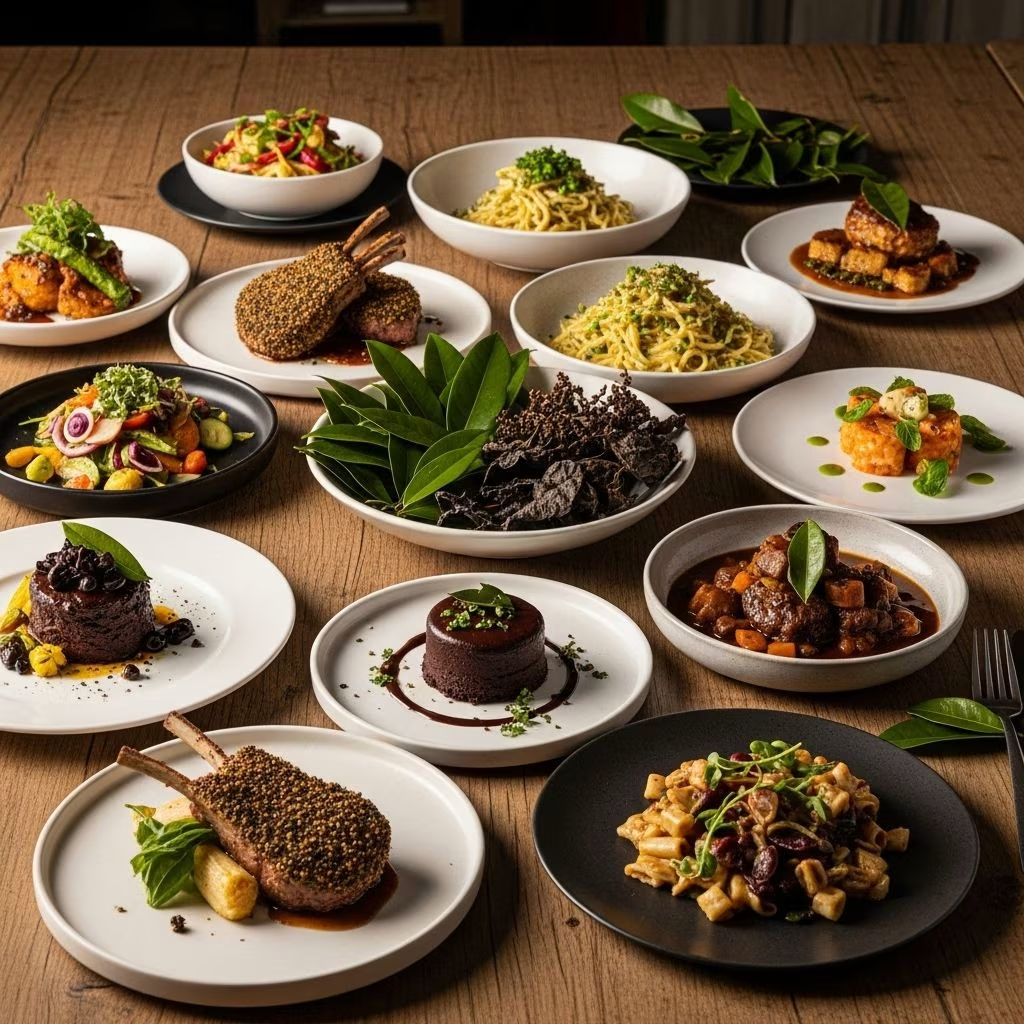
Tasmanian pepper leaf, prized for its aromatic, spicy, and slightly floral notes, is one of Australia’s most distinctive native spices. Also known as mountain pepper leaf, this bushfood adds both heat and complexity to a wide range of dishes—from savory mains to unexpected desserts. This guide delivers the ultimate resource for home cooks and food enthusiasts eager to unlock the bold flavors and versatility of Tasmanian pepper leaf in the kitchen.
About Tasmanian Pepper Leaf
Tasmanian pepper leaf (Tasmannia lanceolata) is a wild shrub native to the cool rainforests of Tasmania and parts of southeastern Australia. Both its dark purple berries (pepperberries) and cinnamon-hued leaves are edible. While the berries provide intense heat and striking color, the leaves are sought after for their subtle, spicy warmth and eucalyptus-like aroma, often used dried and ground as a culinary seasoning.
Key Characteristics
- Appearance: Shiny, aromatic green leaves, often dried and crushed or ground
- Flavor: Spicy, peppery heat with sweet, sometimes citrusy or herbal undertones
- Use: Similar to black pepper but with unique bushfood complexity
- Names: Also known as mountain pepper, pepperleaf, Dorrigo pepper
Flavor Profile & Culinary Benefits
Tasmanian pepper leaf offers a distinctive heat that builds steadily but is less harsh than black pepper. Its secondary flavors—woodsy, floral, and slightly sweet—allow it to enhance a wide range of culinary creations.
- Layered Aroma: Earthy, eucalyptus-like scent with a hint of cinnamon
- Palate: Warm spice, lingering heat, mild bitterness, and subtle sweetness
- Culinary Benefits: Adds depth to both savory and sweet recipes, balances fatty or creamy dishes, and pairs well with other native Australian ingredients
How to Cook with Tasmanian Pepper Leaf
Both dried and ground Tasmanian pepper leaf are used to season foods in much the same way as black pepper, but with care to not overwhelm milder ingredients. Fresh leaves are less common but can be used similarly to bay leaf for infusions.
Cooking Techniques
- Grinding: Freshly grind dried leaves just before use to maximize aromatic oils and flavor intensity.
- Roasting: Gently dry-roast or incorporate into spice blends to deepen the spicy-sweet profile.
- Infusing: Add whole leaves to oils, vinegars, broths, or creams to infuse subtle flavors over time.
- Finishing: Sprinkle ground pepper leaf on dishes just before serving as a garnish and final flavor boost.
When to Add Pepper Leaf
| Cooking Method | When to Add | Effect |
|---|---|---|
| Marinades | At the start, with other spices | Deep infusion, robust flavor |
| Grilling/Roasting | As a rub pre-cooking | Roasty, bold aroma |
| Finishing/Garnishing | Just before serving | Bright, peppery burst |
| Infusions (Oil, Cream) | Simmer with base | Subtle, fragrant essence |
Top Savory Tasmanian Pepper Leaf Recipes
Tasmanian Pepperberry Chicken Burger
This burger showcases the robust yet balanced spiciness of the pepper leaf, complementing juicy chicken and crisp vegetables.
- 1 chicken breast
- 1 tsp dried Tasmanian pepper leaf, ground
- 1 burger bun
- 1 slice cheese
- Lettuce, tomato, mayonnaise
- Grated carrot for topping
Instructions:
- Preheat grill or skillet to medium-high.
- Season chicken breast with ground pepper leaf.
- Grill chicken 6-7 minutes per side until cooked through.
- Toast bun halves lightly.
- Assemble burger: bottom bun, chicken, cheese, lettuce, tomato, mayo, carrot, top bun.
- Serve hot and enjoy the native bushfood flavor twist.
Lemon Myrtle Seared Salmon with Pepperleaf and Creamy Passionfruit Sauce
- 720 g salmon fillet, sliced 1 cm thick
- 6 g ground Tasmanian pepper leaf
- 6 g ground lemon myrtle
- 200 g emu prosciutto (or substitute)
- 15 ml macadamia nut oil
For the sauce:
- 40 g shallots
- 150 ml white wine
- 3 passionfruits
- 15 ml pure cream
- 160 g butter
Instructions:
- Season salmon with salt, pepper leaf, lemon myrtle.
- Sear salmon in macadamia nut oil; grill prosciutto quickly.
- For sauce: sweat shallots in butter. Add wine, reduce, then passionfruit pulp and cream, reduce again, and whisk in butter.
- Alternate salmon and prosciutto slices on plate. Drizzle with passionfruit sauce. Serve immediately for a native gourmet experience.
Kangaroo Meat Pie with Pepperleaf
- 700 g kangaroo mince (or beef substitute)
- 1 onion, 1 carrot, 1 celery stalk (diced)
- 1 can tomatoes
- 1 tsp ground Tasmanian pepper leaf
- 1 tsp native thyme (optional)
- Puff pastry, egg wash
Instructions:
- Cook onion, carrot, celery in oil 3 mins.
- Add mince, brown, then tomatoes, pepperleaf, and thyme; simmer 15 mins.
- Allow to cool. Fill pie dish lined with pastry, top with more pastry, brush with egg.
- Bake 30 minutes at 180°C until golden.
- Serve with native herb sauces for an Australian classic.
Pepperleaf and Prosciutto Gnocchi Bake
- 1 cup cream
- 1 tsp ground Tasmanian pepper leaf
- 2 tbsp unsalted butter
- 6 thin slices prosciutto
- 100 g freshly shaved parmesan
- Prepared potato gnocchi
Instructions:
- Bring cream to boil, add pepperleaf, remove from heat, whisk in butter.
- Pour mixture over cooked gnocchi in baking dish, top with parmesan and prosciutto.
- Bake at 190°C (375°F) for 10 minutes until golden and bubbling. Serve with fresh herbs.
Cabbage with Pepperleaf and Apple
- 1/4 shredded cabbage
- 1-2 tbsp macadamia oil
- 1-2 tbsp balsamic vinegar
- 1 tsp ground Tasmanian pepper leaf
- 1 red apple, diced
Instructions:
- Mix oil, vinegar, and pepper leaf. Marinate 1-2 hours.
- Cook apple and vinaigrette in pan until slightly reduced.
- Add cabbage, stir-fry, then simmer to allow vinegar to evaporate.
- Serve as an entrée or side for a peppery, sweet twist on greens.
Mountain Pepper Polenta
- 500 ml light chicken stock
- 20 g unsalted butter
- 100 g fine polenta
- 150 g Australian parmesan, grated
- Salt and 1 tsp ground Tasmanian pepper leaf
Instructions:
- Heat chicken stock to a simmer.
- Whisk in polenta, cook until thickened.
- Stir in butter, parmesan, pepper leaf; season with salt.
- Pour into pan to set or serve soft for a comforting side.
Sweet & Creative Uses for Tasmanian Pepper Leaf
Tasmanian pepper leaf isn’t limited to savory fare—it brings intriguing flavor even to desserts and drinks:
- Dessert Infusions: Add whole leaves or ground powder to custards, ice cream, or whipped cream for a subtle, spicy floral note.
- Baking: Mix ground pepperleaf into cookie dough, cake batters, or muffins for a warming, aromatic touch.
- Cocktails: Muddle ground pepper leaf in gin-based cocktails, or use to rim glasses for a unique spicy finish.
- Olive Oil Infusion: Steep crushed pepperleaf in olive oil for several days. Drizzle over roasted vegetables or salads for an aromatic lift.
Sample Pepperleaf Sweets
- Pepperleaf Shortbread Cookies: Add 1 tsp ground pepperleaf to traditional shortbread dough for a crisp, spicy accent.
- Pepperleaf & Lemon Pound Cake: Infuse the cake batter with the zest of one lemon and a half-teaspoon ground pepperleaf for a moist tea cake.
- Chocolate-Pepperleaf Ice Cream: Whisk 2 tsp ground pepperleaf into the cream of your favorite chocolate ice cream recipe before churning.
Innovative Infusions
- Pepperleaf Vodka: Infuse a bottle of vodka with 1-2 tablespoons of ground or whole Tasmanian pepperleaf for up to a week. Strain and use as a powerful cocktail base.
Advanced Cooking Tips
Expert techniques ensure Tasmanian pepper leaf’s flavor is maximized, not masked. Consider the following:
- Pairing: Works exceptionally with game meats (kangaroo, emu, duck), chicken, lamb, and seafood. Complements lemon myrtle, wattleseed, native thyme, and sweet ingredients like chocolate and citrus.
- Timing: Imagine pepperleaf as both a spice and a finishing herb. Add early in cooking for deeper infusion, or finish for a more pronounced nose and mild background heat.
- Grinding Fresh: Always grind dried leaves as close to cooking time as possible to preserve volatile oils and maximize flavor.
- Balancing: Pepperleaf intensifies with heat—taste as you go, being cautious with quantities, especially in delicate dishes or desserts.
- Alternative Applications: Use in smoking blends for meats, or add to compound butters for grilling and pan-frying.
Frequently Asked Questions (FAQs)
Q: What’s the difference between Tasmanian pepper leaf and pepperberry?
A: The leaf imparts a milder, aromatic heat, best used for seasoning and infusions. Pepperberry (the fruit) is hotter, often used for pickling, jams, and visual impact in sauces and drinks. Both can be used together for complex layering.
Q: Can you substitute pepper leaf for black pepper?
A: Yes, but use sparingly—pepper leaf’s flavor is uniquely aromatic and can overpower if used in the same quantity as black pepper. Best to start with half the amount and adjust to taste.
Q: Is Tasmanian pepper leaf safe to eat raw?
A: In small amounts, yes. The dried leaf is generally safe and used as a spice. The berries, however, should be cooked or dried before use due to their polygodial content, which can cause a numbing effect when raw.
Q: Are there any storage tips for Tasmanian pepper leaf?
A: Store dried and ground pepper leaf in an airtight container in a cool, dark pantry. Avoid moisture and direct sunlight for maximum shelf life and potency, up to one year.
Q: Why is Tasmanian pepper leaf popular in bushfood cuisine?
A: Its unique combination of heat, complexity, and native heritage makes it ideal for celebrating indigenous Australian flavors—whether in contemporary restaurants or home kitchens seeking to champion local ingredients.
References
- https://terrablendz.com.au/blogs/recipes/tasmanian-pepperberry-cooking-ideas
- https://bushtuckerrecipes.com/at_the_aussie_table/ingredients/mountain-pepper/
- https://www.sbs.com.au/food/article/pepperberry-recipes/h8mtp5u6u
- https://www.tasmanianpepperco.com/recipes
- https://fairywrencottage.com/2021/04/03/mountain-pepper/
- https://www.monashfodmap.com/recipe/tasmanian-pepperberry-chimichurri/
- https://apinchoftasmania.com.au/tasmanian-pepperberry-uses/
- https://www.delicious.com.au/food-files/ingredient-guide/article/nornie-beros-guide-pepperberry/qqeex65i


