


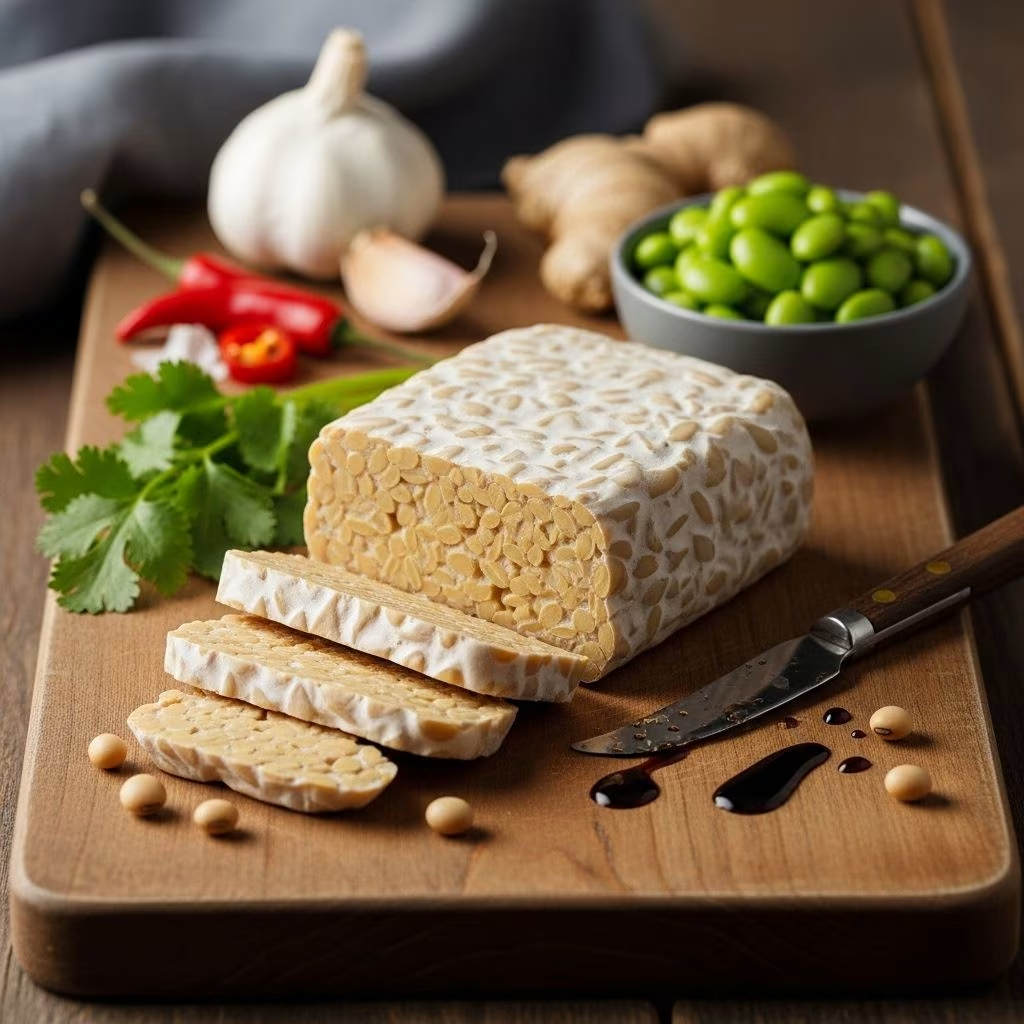
Tempeh has become a highlight among healthy eaters and plant-based cooks worldwide for its rich nutrition, earthy flavor, and culinary versatility. This traditional Indonesian ingredient offers a unique combination of protein, fiber, and micronutrients, making it a staple in both traditional and modern diets. This article provides an in-depth look at the origins, nutritional value, health benefits, preparation methods, uses, and taste of tempeh, as well as practical tips for enjoying it at home.
Overview: What Is Tempeh?
Tempeh is a traditional Indonesian food made by fermenting whole soybeans and binding them into a firm, cake-like block using a specific mold, primarily Rhizopus oligosporus or Rhizopus oryzae . Unlike tofu, made from soybean curd, tempeh uses the whole soybean, retaining more fiber and nutrients . The fermentation process creates a product that is dense, protein-rich, and exhibits a unique nutty, earthy flavor .
- Main Ingredient: Soybeans (other legumes and grains can be used)
- Texture: Firm, chunky, and easily sliceable
- Origin: Central Java, Indonesia
- Core Characteristics: Rich in protein, dietary fiber, vitamins, and minerals
- Culinary Uses: Grilled, stir-fried, steamed, sauteed, baked, and more
A Brief History and Origins
Tempeh’s story begins in Central Java, Indonesia, with records dating back to at least the 1600s . Originating as a byproduct of indigenous fermentation practices, it likely resulted from soybeans wrapped in leaves naturally containing beneficial fungi. Over centuries, tempeh evolved from a regional staple to a global plant-based protein .
- First documentation: 17th century, in the Tembayat Village of Klaten, Central Java
- Etymology: Possibly derived from the Javanese word ‘tumpi,’ a type of white food resembling tempeh’s appearance
- Cultural significance: A daily protein source for millions in Indonesia; now consumed worldwide
- Spread: Gained popularity across Asia, Europe, the United States, and the UK, where demand continues to increase rapidly
Traditional Tempeh-Making
Historically, tempeh was wrapped in banana, teak, or hibiscus leaves, which naturally harbored the right fungal spores. Today’s producers commonly use plastic, but some artisanal makers retain the leaf-wrapping tradition to enhance flavor and promote authenticity .
How Tempeh Is Made
Tempeh production blends art and science, using fermentation to improve taste, texture, and nutrition.
- Soaking & Dehulling: Dry soybeans are soaked in water, then dehulled to remove tough skins.
- Cooking: The beans are boiled until soft.
- Inoculation: Cooled beans are mixed with a tempeh starter containing spores of Rhizopus fungus.
- Fermentation: The mixture is packed (traditionally in leaves, now often in perforated plastic bags) and left at 30–37°C (86–99°F) for 24–48 hours.
- Binding: Mycelium (white, thread-like fungal growth) knits the beans into a dense, sliceable cake.
| Step | Description |
|---|---|
| 1. Soaking & Dehulling | Beans softened and hulls removed |
| 2. Cooking | Beans boiled until tender |
| 3. Inoculation | Addition of fungal starter culture |
| 4. Fermentation | Kept warm to encourage mycelium growth |
| 5. Binding | Results in a firm, white cake |
While most tempeh is made from soybeans, alternatives using chickpeas, lentils, or grains are also available, expanding dietary options for people with allergies or diverse preferences .
Nutritional Profile of Tempeh
Tempeh is celebrated for its exceptional nutritional value, notably as a complete plant protein source. Its fermentation enhances the bioavailability of nutrients and supports digestive health .
- Protein: 18–21 grams per 100 grams (complete protein with all essential amino acids)
- Dietary Fiber: 7–8 grams per 100 grams, aiding satiety and gut health
- Vitamins: Rich in B vitamins (especially B2, B3, and B6), sizeable amounts of folate, and vitamin K
- Minerals: Significant quantities of calcium, iron, magnesium, phosphorus, and zinc
- Calories: About 190–200 kcal per 100 grams
- Fat: Moderate, with a beneficial unsaturated fat profile
Fermentation also reduces antinutrients like phytic acid, boosting nutrient absorption compared to non-fermented soy products .
Health Benefits of Tempeh
Scientific research and traditional wisdom highlight multiple health advantages associated with regular tempeh consumption.
- High-Quality Protein: Supports muscle repair, immune system, and hormone production
- Gut Health: Fermentation introduces live cultures that can benefit gut microbiota and aid digestion
- Rich Fiber Content: Enhances digestive health, controls blood sugar spikes, and increases satiety
- Bone Health: Contains calcium, magnesium, and vitamin K2, supporting skeletal strength
- Heart Health: Low in saturated fat and cholesterol, may support lower cholesterol levels and cardiovascular wellbeing
- Blood Sugar Regulation: Complex carbohydrates and fiber help manage glycemic response
- Antioxidants: Polyphenols and peptides from fermentation exert antioxidative and anti-inflammatory effects
Who Can Benefit from Tempeh?
- Vegetarians and vegans seeking a complete protein
- Anyone aiming to reduce meat consumption without sacrificing nutrition
- People with lactose intolerance (as it is dairy-free)
- Those interested in gut health and fermented foods
Culinary Uses: How to Cook with Tempeh
Tempeh’s versatility makes it a favorite among home cooks and chefs alike. Its chewy, robust texture enables it to hold up in a wide range of cooking methods, while its subtle taste efficiently absorbs marinades and spices. Common preparations include:
- Stir-Frying: Cubed or sliced tempeh added to vegetable stir-fries with bold, savory sauces
- Marinating & Grilling: Marinated slices grilled for sandwiches or main dishes
- Baking: Baked tempeh strips, cubes, or steaks for salads or bowls
- Crumbled: Used as a meat substitute in tacos, pasta sauces, and chilis
- Steaming: Softens bitter notes and prepares tempeh for other recipes
- Sandwiches & Wraps: Tempeh ‘bacon’ or cutlets in wraps, paninis, and lunchboxes
Cooking Tips for Best Results
- Steam tempeh for 10 minutes before marinating to improve absorption and reduce any slight bitterness
- Marinate for at least 30 minutes (preferably longer) to enhance flavor
- Pair with strong seasonings: soy sauce, garlic, ginger, smoked paprika, chili, or BBQ sauce
- Slice thinly for crispier texture during grilling, baking, or pan-frying
Taste and Texture: What Does Tempeh Taste Like?
Tempeh is known for its nutty, earthy flavor, which is more pronounced than tofu’s neutral taste . The solid texture allows it to be sliced, diced, or grated, providing a substantial bite. Some describe the flavor as mushroom-like or reminiscent of cooked nuts, with subtle hints of yeast produced during fermentation.
- Fresh tempeh: Mild, slightly savory, and nutty
- Aged tempeh: Earthier, more robust, and occasionally mushroomy or sour
- Texture: Firm, chunky, and resilient, offering a toothsome chew
Flavor absorption is a highlight—tempeh readily soaks up seasonings and sauces, making it ideal for dishes inspired by cuisines from across the globe.
Tempeh vs. Tofu vs. Other Plant Proteins
| Property | Tempeh | Tofu | Seitan | Legumes |
|---|---|---|---|---|
| Base Ingredient | Whole soybeans | Soybean curds | Wheat gluten | Beans/lentils |
| Texture | Firm, chunky | Silky to extra firm, smooth | Very chewy | Soft, granular |
| Protein (per 100g) | 18–21g | 8–15g | 25g | 6–9g |
| Fiber | High | Low | None | High |
| Fermented | Yes | Usually no | No | No |
| Flavor | Nutty, earthy | Bland, absorbs flavors | Umami, wheat-like | Bean-like |
| Notable Nutrients | B vitamins, calcium iron, magnesium | Varies (calcium, iron) | None in primary form | Folate, iron, potassium |
Sustainability and Social Impact
Tempeh scores highly as an eco-friendly protein: its production requires less land and water than animal-based proteins and generates a significantly lower carbon footprint . As demand for sustainable food sources grows, tempeh’s popularity helps support food security, plant-based diets, and local economies—especially in Indonesia, where it remains a vital source of affordable, nutritious food.
- Plant-Based: Reduces the environmental burden compared to animal agriculture
- Resource Efficiency: Made from whole soybeans, minimizing waste
- Cultural Connection: Sustains traditional foodways and provides economic benefits to small-scale producers
Frequently Asked Questions (FAQs)
Q: Is tempeh gluten-free?
A: Traditional soy tempeh is naturally gluten-free unless produced alongside grains containing gluten. Always check labels for cross-contamination if you are sensitive.
Q: Can I eat tempeh raw?
A: While tempeh can be eaten as is, mild steaming or cooking is recommended to enhance its flavor and eliminate any undesirable taste from fermentation.
Q: How do I store tempeh?
A: Keep unopened tempeh refrigerated for up to a week; freeze for longer storage. Once opened, consume within a few days.
Q: Is tempeh safe for people with soy allergies?
A: No. Tempeh is made from whole soybeans and is unsafe for those with soy allergies. However, alternative versions made from other beans or grains do exist.
Q: Does tempeh contain probiotics?
A: The fermentation process produces beneficial compounds and some live cultures, but cooking tempeh destroys most probiotics. The health benefits largely stem from easier digestion and increased nutrient bioavailability.
Conclusion
Tempeh stands out as a powerhouse of nutrition, sustainability, and flavor. A revered part of Indonesian culinary heritage, it is increasingly chosen by home cooks, nutritionists, and chefs worldwide. With its impressive protein profile, fiber content, and adaptability in the kitchen, tempeh is an excellent choice for your next healthy and delicious meal.
References
- https://en.wikipedia.org/wiki/Tempeh
- https://www.greencuisine.com/tempeh-an-ancient-food-in-the-modern-world/
- https://www.foodunfolded.com/article/tempeh-how-its-made
- https://www.soyinfocenter.com/HSS/tempeh1.php
- https://www.merriam-webster.com/dictionary/tempeh
- https://worldvegantravel.com/blog/tempeh-for-beginners/


