


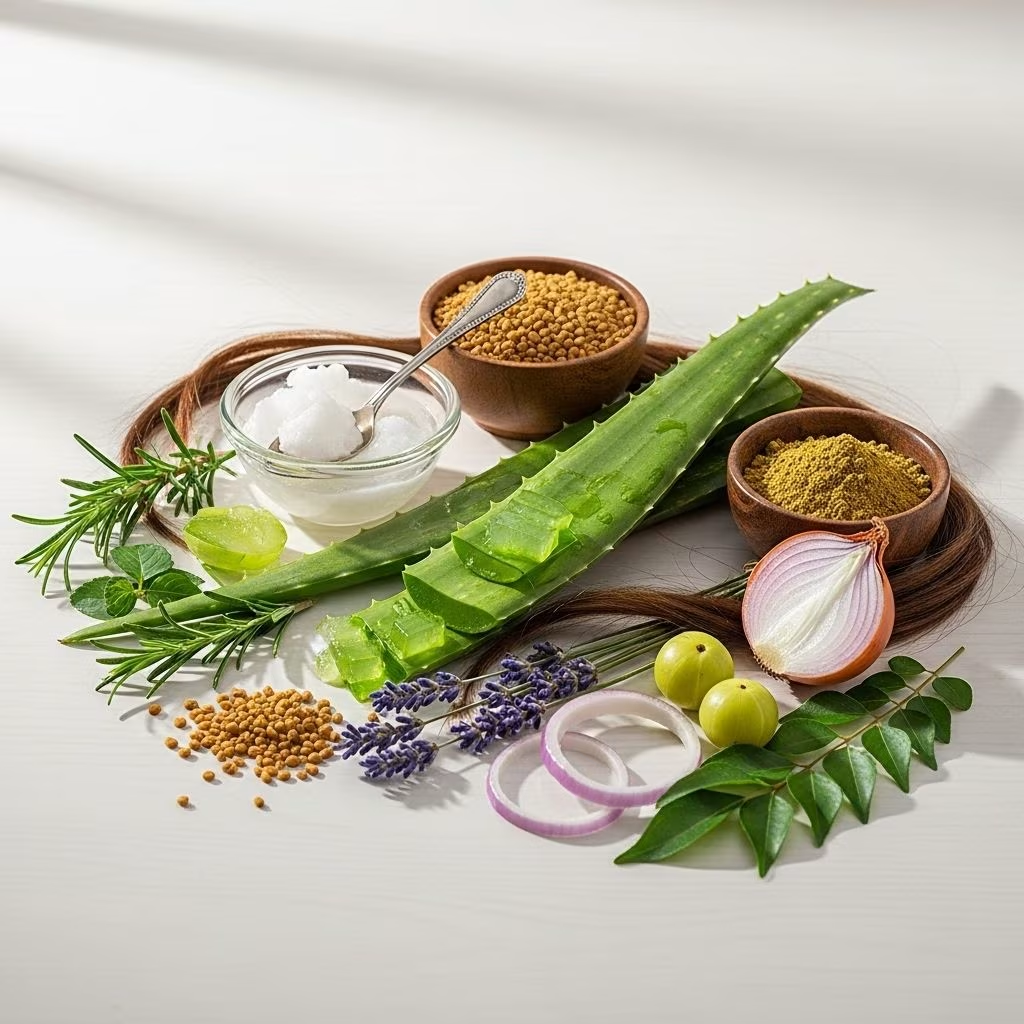
Top 10 Natural Remedies for Hair Fall and Thinning
Hair fall—also known as hair loss or alopecia—affects millions of people globally and can be caused by a multitude of reasons, from hormonal imbalance and stress to genetics or improper hair care practices. While medical interventions exist, many individuals prefer gentle, effective, and time-tested natural remedies to reduce shedding, nourish scalp health, and encourage regrowth. This guide explores the top 10 natural solutions for combating hair fall, complete with practical tips, scientific insights, and safety precautions for each method.
Understanding the Causes of Hair Fall
Before exploring remedies, it’s crucial to recognize that hair fall may result from varied factors such as:
- Genetic predisposition (androgenetic alopecia)
- Hormonal changes (thyroid imbalance, pregnancy, menopause)
- Poor diet or nutritional deficiencies
- Stress and fatigue
- Scalp infections or conditions (dandruff, psoriasis)
- Excessive use of heat styling tools or harsh chemicals
Treating underlying causes is as important as topical and supportive remedies. If hair loss is severe, patchy, or accompanied by other symptoms, consulting a healthcare professional is recommended.
1. Scalp Massage
Why it works: Regular scalp massage stimulates blood flow to the scalp, delivering more oxygen and nutrients to hair follicles, which may encourage hair growth and strengthen roots.
- How to do it: Use your fingertips to gently massage your scalp in circular motions for 5–10 minutes daily.
- For added benefits, combine massage with a nourishing oil like coconut, olive, or rosemary oil.
Expert tip: Scalp massage can also reduce tension and promote relaxation, benefiting overall well-being.
2. Aloe Vera
Why it works: Aloe vera gel is celebrated for its anti-inflammatory, moisturizing, and pH-balancing properties. It soothes scalp irritation, reduces dandruff, and may foster a healthy scalp environment for hair growth.
- Extract fresh gel from an aloe vera leaf and apply it directly to the scalp.
- Leave on for 30–60 minutes before washing off with mild shampoo.
- Use 2–3 times a week for best results.
Safety: Conduct a patch test first to rule out potential allergies.
3. Coconut Oil
Why it works: Coconut oil deeply penetrates the hair shaft, locking in moisture and minimizing protein loss. It is rich in lauric acid, which has antimicrobial effects that benefit scalp health and may help prevent hair breakage.
- Warm a small amount of coconut oil and gently massage it onto scalp and along hair shafts.
- Leave it on for a minimum of 30 minutes, or overnight for deeper conditioning, then wash thoroughly.
Consistent use may help reduce dryness-induced hair loss and impart shine and softness to hair.
4. Onion Juice
Why it works: Onions are rich in sulfur, a vital element for keratin production—your hair’s main protein. Applying onion juice may increase blood circulation, stimulate hair regrowth, and even address patchy hair loss conditions like alopecia areata.
- Blend and strain onions to collect fresh juice.
- Apply the juice to the scalp, leave for 15–30 minutes, then rinse and wash with a mild shampoo.
- Repeat 2–3 times a week for measurable benefits. The odor may be strong, but is usually temporary after a good wash.
Note: Conduct a patch test as some may experience irritation. If irritation persists, discontinue use.
5. Rosemary Oil
Why it works: Rosemary essential oil has demonstrated antibacterial, antifungal, and anti-inflammatory properties. Recent studies suggest it can rival minoxidil—commonly used in conventional hair loss therapies—for stimulating hair regrowth and slowing hair thinning.
- Mix a few drops of rosemary oil into a carrier oil (such as jojoba or coconut oil).
- Massage into the scalp, leave on for 30–60 minutes, then wash out.
- Alternatively, add a few drops directly to your daily shampoo or conditioner.
Ensure essential oils are never applied directly to the scalp undiluted, as they can be irritating.
6. Pumpkin Seed Oil
Why it works: Rich in phytosterols and nutrients, pumpkin seed oil is thought to inhibit DHT (dihydrotestosterone)—a hormone linked to pattern baldness, especially in males. It also delivers nourishing fatty acids and antioxidants to the scalp.
- Pumpkin seed oil can be massaged into the scalp or taken as an oral supplement (consult a health professional before ingestion).
- Apply oil directly, leave on for 30+ minutes, then wash out. Consistency is key for best effects.
7. Ginseng
Why it works: Ginsenosides—the active components in ginseng—may stimulate hair follicles, improve density, and support the natural growth cycle.
- Oral ginseng supplements or topical ginseng-infused products are available.
- Follow recommended dosages or product instructions. Prior consult with a healthcare provider is advised, particularly if you have underlying health issues or take other medications.
8. Green Tea
Why it works: Green tea is loaded with polyphenols and antioxidants, particularly epigallocatechin gallate (EGCG), which help reduce scalp inflammation, protect follicles, and potentially lower DHT levels.
- Brew green tea, let it cool, and use as a hair rinse after shampooing.
- Green tea extracts can also be found in specialized shampoos or conditioners.
- Repeat treatment 2–3 times weekly.
Monitor for irritation, and discontinue in such cases.
9. Olive Oil
Why it works: Olive oil is a rich emollient, making hair more manageable and less prone to breakage. Its antioxidants and vitamin E content help protect hair and scalp from oxidative stress and dryness.
- Massage extra virgin olive oil into the scalp and hair. Leave in for 30 minutes to several hours before washing thoroughly.
- For enhanced benefits, combine with other oils like rosemary or add a few drops of essential oil.
10. Diet and Nutritional Support
Why it matters: A balanced diet is foundational for healthy hair. Insufficient intake of key nutrients can aggravate hair loss.
- Consume plenty of protein, as hair is made primarily of keratin protein. Include sources like eggs, fish, chicken, beans, nuts, and lentils.
- Ensure adequate intake of vitamins—especially biotin (B7), vitamin D, vitamin A, and vitamin E.
- Minerals like zinc, iron, and magnesium are essential for hair follicle function. Incorporate leafy greens, seeds, and whole grains.
- Omega-3 fatty acids, found in fatty fish, walnuts, and chia seeds, help keep hair and scalp hydrated and healthy.
Supplements may help, but focus on whole, unprocessed foods whenever possible. If in doubt, consult a nutrition professional for personalized advice.
Frequently Asked Questions (FAQs)
Q: How soon can I expect to see results with natural hair fall remedies?
A: Natural remedies often work gradually. Visible improvements—such as reduced hair shedding or increased density—may take 2–3 months of consistent use. Some ingredients, like scalp massage or dietary changes, support longer-term hair health, while topical applications can yield faster cosmetic improvements.
Q: Are there any risks or side effects to using these natural treatments?
A: Most natural remedies are safe when used as directed. However, allergic reactions to essential oils, aloe vera, or plant-based preparations can occur. Always patch-test topical substances before wider application, avoid undiluted essential oils directly on skin, and consult a doctor before starting herbal or nutritional supplements.
Q: Can I combine several of these remedies for faster results?
A: Yes, many remedies complement each other—such as pairing scalp massage with coconut oil or aloe vera. The key is to avoid overloading the scalp, which could cause irritation. Alternate treatments as needed and monitor your scalp’s response.
Q: When should I see a doctor about hair loss?
A: If you experience sudden, severe, or patchy hair loss, widespread scalp inflammation, or no improvement after several months using natural remedies, consult a dermatologist or healthcare professional. Prompt evaluation is crucial for diagnosing underlying causes and ruling out conditions like thyroid disease or alopecia areata.
Summary Table: At-a-Glance Guide to Natural Remedies for Hair Fall
| Remedy | Mechanism | How to Use | Precautions |
|---|---|---|---|
| Scalp Massage | Boosts circulation and nutrient delivery | Massage 5–10 min daily, optionally with oil | None (unless severe scalp condition) |
| Aloe Vera | Soothes, hydrates, and balances scalp | Apply fresh gel 2–3x weekly | Patch test for allergies |
| Coconut Oil | Prevents protein loss, moisturizes | Massage and leave on for 30+ min | Can be heavy for oily scalps |
| Onion Juice | Stimulates follicles, increases sulfur uptake | Apply juice 2–3x weekly, rinse well | Strong odor; patch test for irritation |
| Rosemary Oil | Stimulates growth, improves thickness | Add to carrier oil/shampoo, use regularly | Never use undiluted |
| Pumpkin Seed Oil | Blocks DHT, provides nutrients | Massage into scalp, leave on | Consult before ingesting as supplement |
| Ginseng | Stimulates follicles, prolongs growth phase | Supplements or topical use as directed | Consult healthcare provider if on medication |
| Green Tea | Antioxidant; may reduce DHT | Rinse hair after brewing, or use extracts | Discontinue if irritation develops |
| Olive Oil | Moisturizes, protects from damage | Massage into scalp/hair, leave & wash | Can be greasy; wash thoroughly |
| Diet & Nutrition | Supports hair formation and health | Eat balanced, protein- and nutrient-rich diet | Personalize to avoid allergies/deficiencies |
Conclusion
Natural remedies offer a gentle, holistic approach to managing hair fall and boosting overall scalp health. By incorporating these practices into your regular hair care routine—and addressing any underlying systemic factors—you can pave the way for stronger, fuller, and healthier hair growth over time.
References
- https://www.osheaherbals.com/blogs/blog/how-to-stop-hair-fall-immediately-natural-remedies
- https://www.harleystreethairtransplant.co.uk/8-natural-remedies-for-hair-loss/
- https://continentalhospitals.com/blog/top-10-natural-remedies-for-hair-loss-you-can-try-at-home/
- https://www.healthline.com/health/regrow-hair-naturally
- https://www.medicalnewstoday.com/articles/how-to-stop-hair-loss
- https://www.youtube.com/watch?v=5GVa1QHyCls
- https://draxe.com/beauty/hair-loss-remedies/
- https://www.myfreebird.com/blogs/health/natural-remedies-hair-loss
- https://abcnews.go.com/GMA/Wellness/6-natural-remedies-hair-loss/story?id=104253823


