


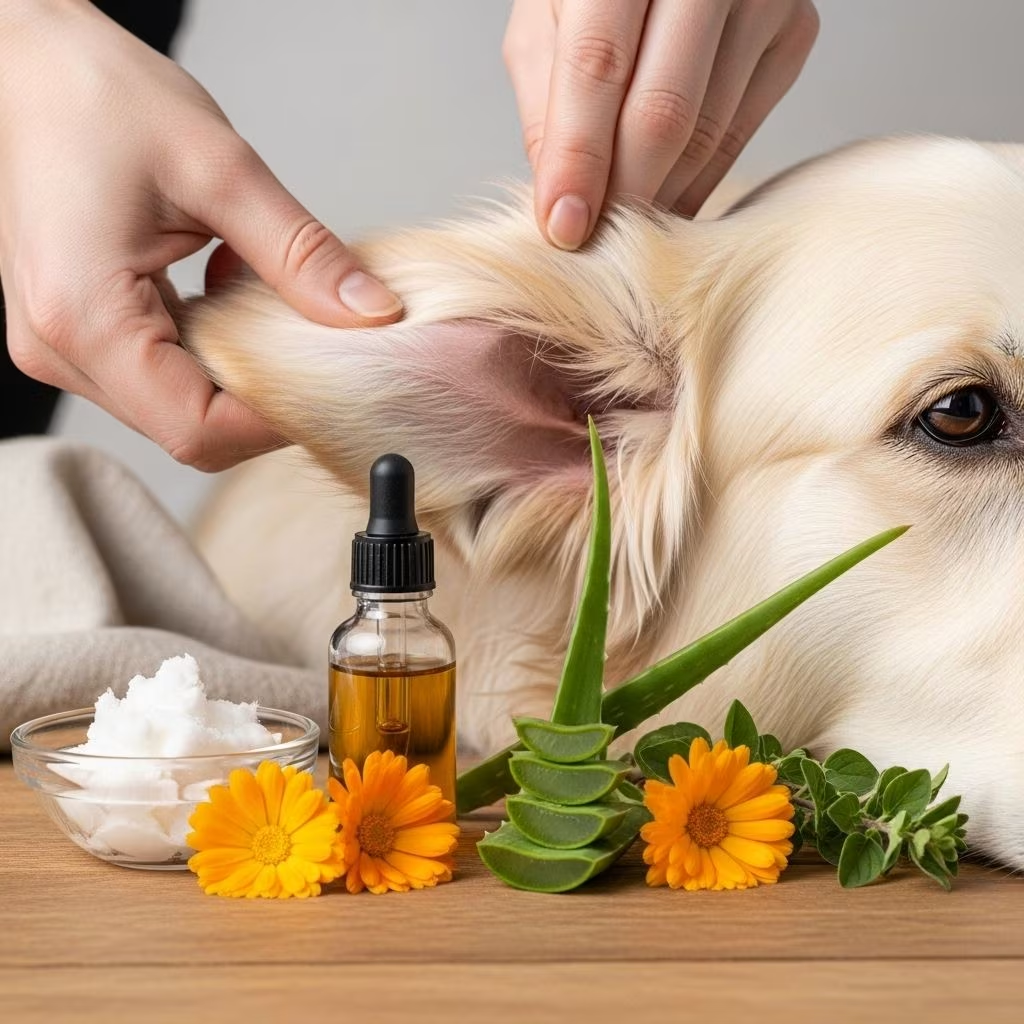
Top 5 Natural Remedies for Dog Ear Infections
Ear infections are among the most common health issues affecting dogs, causing discomfort, itching, and even more serious complications if left untreated. While veterinary care is essential for severe or persistent cases, many pet owners seek natural remedies as gentle, at-home solutions for relieving mild ear infections and supporting overall ear health. In this guide, we explore the top five natural remedies for dog ear infections, how to use them effectively, safety advice, and preventive care tips to keep your dog’s ears happy and healthy.
Understanding Dog Ear Infections
Dog ear infections, also called otitis externa, are typically caused by an overgrowth of bacteria or yeast in the external ear canal. Predisposing factors include moisture (especially after swimming or bathing), allergies, excess ear wax, ear mites, underlying health problems, and anatomy (dogs with floppy or hairy ears are more susceptible). Recognizing the type and cause of the infection is important in choosing an appropriate remedy.
Why Consider Natural Remedies?
- Mild cases may respond well to topical, natural solutions that soothe, disinfect, and dry the ear canal.
- Some pets have sensitivities to prescription medications or require supportive care between vet visits.
- Natural remedies can be used for routine cleaning and maintenance to prevent future infections.
Note: Severe, recurring, or chronic ear infections always require a veterinarian’s diagnosis and prescription treatment. Natural remedies should never be used if your dog’s eardrum is ruptured, or if there are signs of deep pain or neurological symptoms.
Common Signs & Symptoms of Canine Ear Infections
- Frequent head shaking and scratching at the ears
- Redness, swelling, or heat in and around the ear canal
- Unpleasant odor or dark, waxy discharge from the ear
- Whining or distress when the ear is touched
- Scabs, crusts, or hair loss near the ear area
- Loss of balance or unusual tilting of the head (in severe cases)
The Top 5 Natural Remedies for Dog Ear Infections
These home remedies use readily available natural ingredients shown to be effective against mild bacteria, yeast, and inflammation when used properly. Always check for open wounds and consult your vet before starting any home care, especially if your dog shows signs of severe pain or other health problems.
1. Apple Cider Vinegar Solution
Why it works: Apple cider vinegar (ACV) has natural antibacterial and antifungal properties, and its acidity helps restore the ear canal’s proper pH, hindering the growth of harmful microorganisms.
How to use:
- Mix equal parts raw, unfiltered apple cider vinegar and warm distilled water.
- Soak a cotton ball in the solution and gently wipe the visible parts of the ear.
- For deeper cleaning, use a dropper to apply several drops into the ear canal, then massage the base of the ear for 20–30 seconds.
- Repeat 1–2 times per day for up to 7–10 days.
Safety note: Do not use if the ear canal is raw, ulcerated, or visibly swollen, as vinegar can sting sensitive tissue. Never use on a ruptured eardrum.
2. Green Tea Rinse
Why it works: Green tea is rich in polyphenols and antioxidants, with mild astringent and anti-inflammatory effects. It can soothe irritated skin and help flush out debris.
How to use:
- Brew 1 cup of green tea (using 1–2 tea bags). Let it steep and cool until lukewarm.
- Soak a cotton ball or soft cloth in the cooled tea and wipe the visible portions of your dog’s ear gently.
- For mild infections or routine cleaning, use a dropper or syringe to place a small amount of tea in the ear canal; massage gently and let your dog shake its head to expel debris.
- Can be used once daily as supportive therapy or as part of your cleaning routine.
3. Calendula Tincture Solution
Why it works: Calendula has natural anti-inflammatory, antimicrobial, and healing properties. It can soothe ear canal irritation and support the healing of superficial skin lesions.
How to use:
- Purchase herbal calendula tincture from a reputable source.
- Mix 5–10 drops of calendula tincture with 1 cup of lukewarm, filtered water.
- Using a dropper, place several drops into the ear, or use a cotton pad to wipe around the ear canal entrance.
- Repeat once daily as needed for relief and healing.
4. Coconut Oil & Garlic Infusion
Why it works: Coconut oil offers natural antibacterial, antifungal, and moisturizing properties, while garlic contains compounds shown to support antimicrobial effects. When prepared correctly, this oil can soothe and protect the ear canal.
How to use:
- Slightly warm 1–2 tablespoons of organic coconut oil until just melted (do not overheat).
- Add 1–2 crushed garlic cloves and allow to infuse for 12–24 hours (strain out garlic before use).
- Using a sterilized dropper, place a few drops of the oil into the ear canal, then massage the base gently.
- Repeat once per day for up to 7 days.
Safety note: Ensure the oil is only slightly warm—never hot. Test on your wrist first to avoid burns.
5. Witch Hazel & Aloe Vera
Why it works: Witch hazel is a gentle, natural astringent that dries excess moisture and reduces irritation, while aloe vera soothes inflammation and supports tissue repair.
How to use:
- Mix one part witch hazel with one part pure aloe vera juice (ensure both are free from alcohol and additives).
- Using a cotton ball soaked in the solution, wipe the visible areas of the ear canal.
- Repeat as needed—usually once daily during periods of mild irritation.
How to Choose the Right Remedy
The best remedy depends on the specific cause and severity of your dog’s ear infection, as well as their sensitivities and medical history. When in doubt, begin with the gentlest options (such as green tea and calendula), and monitor daily for improvement. If symptoms worsen or persist, discontinue home care and consult your veterinarian promptly.
| Remedy | Main Effects | Best Used For | Key Precautions |
|---|---|---|---|
| Apple Cider Vinegar | Antibacterial, antifungal, balances pH | Minor bacterial/yeast overgrowth, routine cleaning | Do not use in open wounds or raw/inflamed ears |
| Green Tea | Soothing, anti-inflammatory, mild astringent | Irritated skin, gentle debris removal | Avoid excessive moisture buildup |
| Calendula | Healing, antimicrobial, anti-inflammatory | Minor irritation, sensitive skin, superficial injury | Ensure product purity; avoid if allergic |
| Coconut Oil & Garlic | Antibacterial, antifungal, soothing | Dry, itchy, mildly infected ears | Monitor for garlic allergies; do not use if ear drum is ruptured |
| Witch Hazel & Aloe | Soothing, dries excess moisture, supports healing | Moist or irritated ears after swimming | Alcohol-free products only |
Safety Tips for At-Home Ear Treatments
- Inspect the ear first: Always look for swelling, severe redness, pus, or discharge before applying any remedy. If these are present, seek a vet’s advice.
- Test for sensitivity: Apply a small amount of the remedy on a patch of skin before full application.
- Never insert swabs or sharp objects deep into the ear canal, as you risk causing injury or trauma.
- If your dog is in obvious pain, tilts their head, loses balance, or has vision changes, see your veterinarian immediately.
- Discontinue any remedy that seems to worsen irritation or discomfort.
When Should You See a Vet?
- Persistent, severe, or rapidly worsening symptoms
- Thick, bloody, or pus-like discharge from the ear
- Loss of hearing, balance problems, or neurological changes
- Recurrent infections over several weeks or months
Veterinary intervention is critical to diagnose underlying issues and prevent permanent damage. Prescription medication or deep ear flushes may be necessary in moderate to severe cases.
Prevention and Routine Ear Care
Keeping your dog’s ears clean and dry is the best way to prevent most infections, especially if your pet:
- Has floppy or hairy ears that trap moisture
- Loves swimming or bathing frequently
- Suffers from allergies causing excess wax or scratching
Basic Ear Care Tips:
- Clean your dog’s ears with a gentle natural solution every 1–2 weeks, or after every swim/bath
- Dry the ears thoroughly with a soft towel after exposure to water
- Regularly inspect for excess wax, debris, or signs of infection
- Trim hair in and around the ears (if appropriate for your breed)
- Feed a balanced diet rich in omega-3 fatty acids and probiotics to support immune health
Additional Natural Approaches for Ear Health
- Probiotics: Support immune balance and help resist yeast overgrowth
- Essential Fatty Acids: Omega-3s reduce inflammation and support skin health
- Allergy Management: Work with your vet to manage underlying food or environmental allergies
Frequently Asked Questions (FAQs)
Q1: Can I treat my dog’s ear infection at home?
Many mild ear infections can be managed at home using natural remedies, especially if caught early. However, always have a vet examine severe, persistent, or recurrent cases for proper diagnosis and to prevent complications.
Q2: Is apple cider vinegar safe for all dogs?
When diluted and used on intact, unbroken skin, apple cider vinegar is generally safe for most dogs. Do not use it if the ear canal is raw, ulcerated, or intensely inflamed, as it may cause stinging and more pain.
Q3: How do I know if my dog needs a vet instead of home care?
If your dog’s symptoms worsen, do not improve after a few days, or involve thick discharge, hearing loss, or balance problems, contact your veterinarian right away.
Q4: Can I use hydrogen peroxide as an ear cleaner?
Hydrogen peroxide can be harsh and may irritate delicate tissue inside the ear. Use gentler, natural cleansers like green tea, calendula, or coconut oil for at-home care unless your vet specifically recommends hydrogen peroxide for your dog.
Q5: How often should I clean my dog’s ears?
Frequency depends on your dog’s breed, activity level, and predisposition to infections. For most dogs, cleaning once or twice a month is adequate. Dogs prone to infections, swimmers, or those with hairy ears may need weekly cleaning and drying.
Q6: Are natural remedies enough for chronic or severe cases?
No. Chronic, deep, or severe infections need veterinary evaluation and likely prescription medications. Natural remedies are best reserved for mild issues, prevention, and maintenance between vet visits.
Final Thoughts
With careful use, natural remedies can provide gentle, effective support for your dog’s ear health. Always prioritize safety, use remedies as directed, and consult your vet whenever in doubt. Preventive care, healthy nutrition, and regular inspection are the best ways to ensure your dog enjoys itch-free, healthy ears all year long.
References
- https://wagwalking.com/treatment/natural-ear-infection-remedies
- https://www.petmd.com/dog/general-health/home-remedies-for-dogs
- https://www.youtube.com/watch?v=NYtEsgB-zTE
- https://vetericyn.com/blog/how-to-treat-dog-ear-infection-without-vet/
- https://metrovetclinic.com/resources/dog-ear-infection/
- https://www.vet.cornell.edu/departments-centers-and-institutes/riney-canine-health-center/canine-health-information/how-clean-your-dogs-ears
- https://thevets.com/resources/pet-health-care/help-dog-ear-infections-at-home/
- https://www.dogsnaturallymagazine.com/5-home-remedies-for-dog-ear-infections/
- https://www.webmd.com/pets/dogs/remedies-for-dog-ear-infections


