


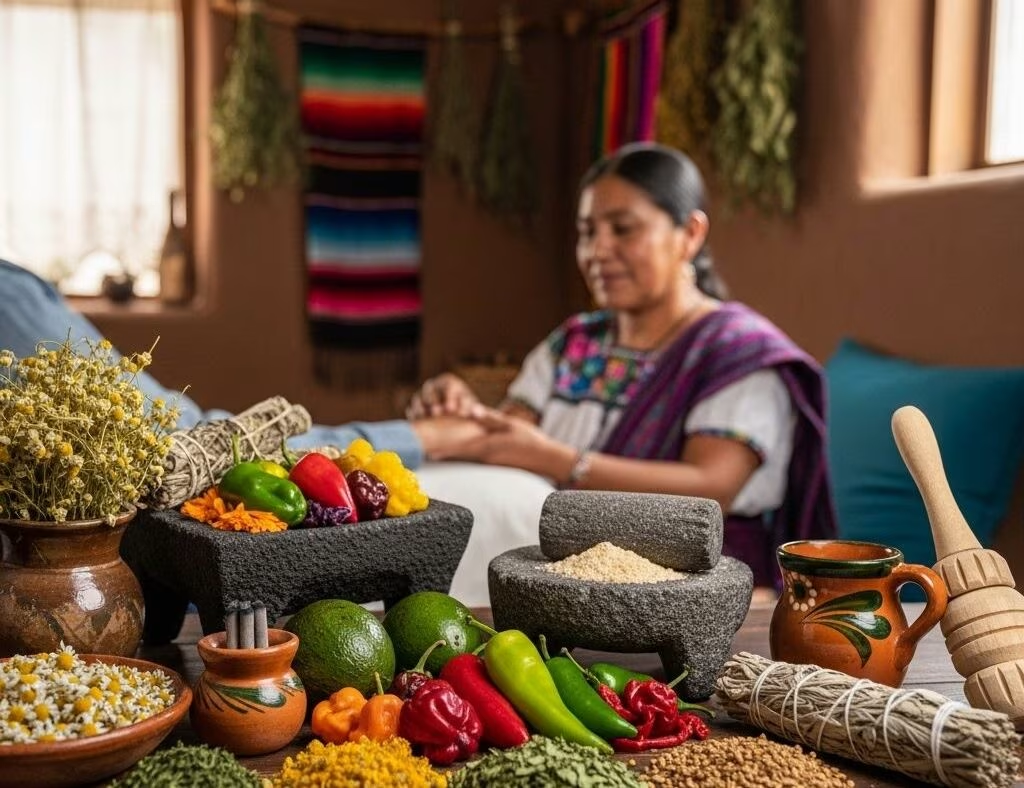
Traditional Mexican healing practices represent more than just folk medicine—they embody centuries of accumulated wisdom, cultural resilience, and practical survival strategies that have sustained communities through the most challenging circumstances. These practices emerged from the fusion of indigenous Mesoamerican knowledge with European, Asian, and Middle Eastern influences during the colonial period, creating a unique system of healthcare that continues to serve families today. The story of these remedies is inseparable from the story of Mexican migration to the United States, where these healing traditions became essential tools for survival in unfamiliar and often hostile environments.
The Historical Context of Survival Medicine
When Mexican families first arrived in the Chicago area during the early twentieth century, they faced extraordinary hardships that tested their physical and mental endurance. Living in converted boxcars during brutal Midwestern winters, these pioneering families had limited access to formal healthcare systems. Financial constraints, language barriers, and cultural differences created significant obstacles to receiving medical treatment from established healthcare providers. According to sociologist Paul S. Taylor’s documentation in Mexican Labor in the United States, many community members expressed profound distrust of doctors and the medicines they prescribed, preferring instead to rely on the knowledge systems they brought with them from Mexico.
In these boxcar barrios, parteras (midwives) delivered babies in family homes rather than at local dispensaries, maintaining cultural practices while providing essential healthcare services. These community healers possessed knowledge of medicinal plants, massage techniques, and spiritual practices that addressed both physical ailments and emotional wellbeing. The harsh reality of survival in these conditions meant that prevention became paramount—with limited resources and large families to care for, an ounce of prevention truly was worth a pound of cure.
Transmission of Healing Knowledge Across Generations
The kitchen table served as the classroom where traditional Mexican healing knowledge passed from one generation to the next. Grandmothers teaching grandchildren about the properties of simmering teas created an oral tradition that required no documentation, no formal education, and no institutional approval. This method of knowledge transmission proved remarkably resilient, surviving conquest, colonization, and the professionalization of modern medicine precisely because it adapted to circumstances rather than requiring specific infrastructure or resources.
The story of Fidencia, who arrived at the Blue Island boxcar camp at 135th Street in 1923 with her husband and young son Antonio, illustrates this perfectly. In Guanajuato, she had learned to sobar (massage), studied medicinal plants, and assisted in childbirth. These skills became economic assets as well as health resources, helping her family survive both physically and financially as they established themselves in their new homeland. Her grandson affectionately referred to these practices as brujerías (witchcraft), acknowledging both their mysterious effectiveness and their departure from mainstream medical approaches.
Essential Herbal Teas and Their Applications
Hot herbal teas form the foundation of traditional Mexican home remedies, offering comfort, warmth, and genuine therapeutic benefits. These preparations can be consumed as beverages, applied as compresses, added to baths, or used to create massage oils. The versatility of herbal teas makes them practical for families with limited resources, as a single preparation serves multiple purposes depending on the specific ailment being addressed.
Té de Manzanilla (Chamomile Tea) stands as one of the most beloved and frequently prepared remedies. Its gentle, soothing properties make it appropriate for treating digestive upset, anxiety, and sleep difficulties. Mothers often prepare chamomile tea at the first sign of stomach discomfort in their children, knowing its anti-inflammatory properties help calm irritated digestive systems.
Hierbabuena (Mint Tea) addresses respiratory issues, digestive problems, and general malaise. The refreshing aroma alone provides psychological comfort, while the menthol compounds in mint leaves help open airways and reduce inflammation. During flu season, mint tea becomes a staple in households, served hot multiple times daily to family members showing early symptoms.
Té de Oregano (Oregano Tea) combines antimicrobial properties with respiratory support. Beyond its culinary uses, oregano contains compounds that help fight infections and reduce coughing. Traditional healers understood these properties long before scientific research confirmed oregano’s medicinal value.
Té de Canela (Cinnamon Tea) regulates blood sugar, improves circulation, and provides warmth during cold weather. The aromatic spice also aids digestion and can help reduce menstrual discomfort. Many families drink cinnamon tea regularly as a preventive measure rather than waiting for illness to strike.
The Ubiquitous Vicks VapoRub Phenomenon
Perhaps no product has achieved such iconic status in traditional Mexican healing as Vicks VapoRub, affectionately known as vaporú in Spanish-speaking households. Originally marketed as Vicks Coup and Pneumonia Salve when a pharmacist invented it in 1890, this mentholated ointment transcended its intended purpose to become a multipurpose remedy addressing everything from coughs and colds to insect bites, headaches, and muscle fatigue.
The main active ingredients—eucalyptus, turpentine, menthol, and camphor—produce a cooling sensation that may trick the brain into perceiving easier breathing even when nasal passages remain physically unchanged. However, whether the relief stems from actual physiological changes or perceived improvement matters little to those experiencing comfort from congestion and coughing. The psychological component of healing cannot be dismissed, as the mind’s belief in treatment efficacy often contributes significantly to recovery.
The ritual application of Vicks VapoRub carries spiritual significance beyond its medicinal properties. Many families begin treatment by making the sign of the cross on the forehead with a vaporú-coated finger while saying a prayer for healing. This integration of physical remedy with spiritual practice reflects the holistic approach characteristic of traditional Mexican healing. The ointment is warmed in the hands through vigorous rubbing, then applied to the chest, back, neck, throat, and feet, ensuring the entire body receives coverage and warmth.
Massage and Physical Manipulation Techniques
The practice of sobada (therapeutic massage) represents another crucial component of traditional Mexican healing. Unlike contemporary massage therapy focused primarily on relaxation, traditional sobada addresses specific ailments through targeted manipulation of muscles, joints, and soft tissues. These techniques require no equipment beyond skilled hands and knowledge of anatomy gained through years of practice and observation.
Practitioners learn to identify areas of tension, blockage, or imbalance in the body through touch. They apply pressure, kneading, and stretching motions to release these problem areas, often working deeply enough to cause temporary discomfort. Children receiving sobada treatments sometimes find the experience uncomfortable, but families trust in the long-term benefits of these interventions.
One specific application addresses empacho, a condition described as an impacted or blocked stomach. The treatment involves cracking a fresh egg over the abdomen and rolling the yolk back and forth until it breaks, followed by deep tissue massage of the legs using Vaseline. This technique supposedly works out knots and releases blockages, particularly when someone has swallowed something that shouldn’t be swallowed, such as chewing gum. While modern medicine might question the physiological mechanisms at work, families report consistent positive results from these treatments.
Spiritual and Energetic Healing Practices
Traditional Mexican healing acknowledges dimensions of health and illness that extend beyond purely physical explanations. The concept of mal de ojo (evil eye) recognizes that negative energy, envy, or ill wishes from others can manifest as physical symptoms. When a person becomes sick without apparent cause, a healer might diagnose the evil eye and perform a cleansing ritual to remove the harmful energy.
The egg cleansing ceremony, or limpia con huevo, serves as the primary treatment for evil eye. The healer sweeps a raw egg over the affected person’s entire body while reciting prayers or invocations. The egg supposedly absorbs the negative energy causing the illness. After completing the sweeping motion, the healer cracks the egg into a glass of water and places it under the patient’s bed overnight. In the morning, the appearance of the egg in water allegedly reveals information about the nature of the affliction. Family members often report feeling dramatically better following this ritual, whether due to removal of genuine energetic harm or the powerful placebo effect of receiving focused healing attention.
The practice of cupping, known in Mexican tradition as “taking the aire out,” uses heat and glass to create suction on the skin. Some practitioners accomplish this by lighting a small birthday candle, placing a clear glass over it on the person’s back, and allowing the flame to consume the oxygen, creating a vacuum effect. This technique allegedly removes “bad air” from the body, addressing various ailments from muscle pain to respiratory issues. Modern alternative medicine has embraced cupping therapy, validating what traditional Mexican healers knew intuitively for generations.
Plant-Based Remedies and Natural Medicines
The pharmacopeia of traditional Mexican healing includes dozens of plants, each with specific properties and applications. Many of these plants grow easily in various climates, remain relatively inexpensive, and demonstrate genuine medicinal effectiveness when subjected to scientific analysis. The accessibility of these remedies made them ideal for communities with limited financial resources and restricted access to commercial pharmaceuticals.
Aloe vera appears in nearly every traditional Mexican household, either growing in a pot or planted in the garden. The clear gel inside aloe leaves provides immediate relief for burns, cuts, scrapes, and skin irritations. Children learn early to recognize aloe plants and understand their healing properties. The application of fresh aloe often accompanies the traditional healing chant “sana, sana, colita de rana, si no sanas hoy, sanarás mañana” (heal, heal, little frog’s tail, if you don’t heal today, you’ll heal tomorrow), combining physical treatment with verbal healing intention.
Ruda (Rue) serves multiple purposes but proves particularly effective for earaches when a small piece of the plant is placed in the ear canal and held in place with a cotton ball. The plant’s essential oils possess antimicrobial properties that help fight infection while reducing pain and inflammation.
Romero (Rosemary) appears in homemade rubbing alcohol preparations used to reduce fevers. A towel soaked in this herbal alcohol solution and placed on the forehead provides cooling relief while the aromatic compounds offer additional therapeutic benefits. Some traditional preparations include other herbs with fever-reducing or antimicrobial properties, creating customized remedies based on specific needs and available ingredients.
The Integration of Multiple Healing Traditions
Traditional Mexican healing practices never existed in isolation but rather incorporated useful elements from various cultural traditions encountered through history. During the colonial period, indigenous Mesoamerican knowledge merged with Spanish medical practices, which themselves contained influences from Arabic medicine brought to Iberia during Moorish rule. Asian ingredients and techniques arrived through the Manila Galleon trade that connected Mexico with the Philippines and broader Asian markets for centuries. This syncretic approach created a remarkably adaptive system that readily incorporates new effective remedies while maintaining core principles.
The use of oils like eucalyptus, camphor, and menthol demonstrates this integration. While not native to Mexico, these substances became thoroughly incorporated into Mexican healing practices because they worked effectively and remained accessible. Traditional healers never rejected remedies simply because they originated elsewhere; pragmatism guided their choices, with effectiveness serving as the ultimate criterion for inclusion in the healing repertoire.
Modern Relevance and Continued Practice
Contemporary families continue practicing traditional Mexican healing even with full access to modern healthcare facilities. Many people employ these remedies as first-line treatments for common ailments, reserving doctor visits for more serious conditions or when home remedies prove insufficient. This approach combines practical economics with cultural preservation, as teaching children about traditional remedies maintains vital connections to heritage and family history.
Parents who prepare herbal teas for their children, apply Vicks VapoRub to congested chests, and make homemade chicken soup during illness follow in the footsteps of countless generations before them. The extra attention and care involved in these treatments contributes significantly to their effectiveness—being nurtured by a loving caregiver provides psychological comfort that facilitates physical healing.
The purchase of evil eye bracelets for children, the maintenance of aloe plants, and the passing down of family recipes for healing preparations all represent active choices to maintain these traditions. Rather than viewing traditional and modern medicine as mutually exclusive options, many families see them as complementary approaches that can work together to promote health and wellbeing.
The Importance of Prevention and Wellness
Traditional Mexican healing emphasizes prevention as much as treatment. Regular consumption of herbal teas, maintaining good hygiene practices, ensuring adequate rest, and strengthening the body’s natural defenses all receive attention in this holistic system. The wisdom that “an ounce of prevention is worth a pound of cure” guided grandmothers raising large families with limited resources, and this principle remains relevant today.
Preventive practices include drinking certain teas regularly during cold and flu season, ensuring children wear warm clothing and protective footwear, maintaining spiritual protection through prayer and rituals, and addressing minor health concerns before they develop into serious problems. This proactive approach to health management reflects deep understanding of how bodies function and what they need to remain resilient against illness.
Respecting Traditional Knowledge While Acknowledging Limitations
Practitioners and students of traditional Mexican healing understand the importance of recognizing when professional medical intervention becomes necessary. These remedies never intended to replace emergency medicine, surgery, or treatment for serious diseases. Rather, they address common ailments, support overall wellness, and provide comfort during recovery from illness. When a child develops chickenpox, measles, or other serious childhood diseases, responsible caregivers seek appropriate medical care while also employing traditional remedies that provide symptomatic relief.
The effectiveness of many traditional remedies has been validated by modern scientific research, which has identified active compounds in medicinal plants and confirmed their therapeutic properties. However, the absence of rigorous scientific study for some practices doesn’t negate their value within communities where they’ve proven effective for generations. The placebo effect itself represents a genuine physiological phenomenon that contributes to healing outcomes.
Cultural Identity and Healing Practices
Traditional Mexican healing practices carry profound cultural significance beyond their practical health applications. They represent continuity with ancestral wisdom, maintenance of cultural identity in diaspora communities, and resistance against complete assimilation into dominant cultural paradigms. When families choose to treat minor ailments with traditional remedies, they affirm their cultural heritage and ensure that younger generations understand their roots.
The language used in these practices—sobada, empacho, mal de ojo, limpia—preserves Spanish terminology and concepts that might otherwise be lost in English-dominant environments. The rituals, prayers, and healing chants maintain spiritual traditions connected to Catholicism and indigenous belief systems. The preparation and consumption of traditional teas, the application of familiar ointments, and the performance of healing ceremonies all create sensory experiences that connect people to their cultural heritage.
Frequently Asked Questions About Traditional Mexican Healing
Q: Are traditional Mexican remedies safe to use alongside conventional medicine?
A: Many traditional remedies can complement conventional medical treatment, but it’s essential to inform healthcare providers about all remedies being used. Some herbal preparations may interact with prescription medications, so open communication with doctors ensures safe integration of both approaches.
Q: Where can I find the herbs and plants used in traditional Mexican healing?
A: Many ingredients are available at Mexican grocery stores, botánicas (shops specializing in herbs and spiritual items), health food stores, and online retailers. Some plants like aloe vera and certain herbs can be grown at home in pots or gardens.
Q: How do I know which remedy to use for specific ailments?
A: Traditional knowledge is typically passed down through families, so learning from elders provides the most authentic instruction. Books about Mexican folk medicine, online resources from cultural organizations, and consultation with experienced practitioners offer additional guidance for those without family knowledge.
Q: Can anyone perform traditional Mexican healing practices?
A: Basic remedies like preparing herbal teas or applying Vicks VapoRub can be learned and practiced by anyone. However, more complex techniques like sobada or spiritual cleansings require extensive training and cultural knowledge that develops through years of study and practice under experienced healers.
Q: What scientific evidence supports traditional Mexican remedies?
A: Modern research has validated many traditional remedies, confirming antimicrobial properties in oregano, anti-inflammatory effects of chamomile, and therapeutic compounds in numerous medicinal plants. However, the holistic nature of traditional healing incorporates psychological, social, and spiritual dimensions that scientific studies may not fully capture.
Q: Should I rely exclusively on traditional remedies for healthcare?
A: Traditional remedies work best for minor ailments, prevention, and supportive care. Serious injuries, acute illnesses, chronic diseases, and medical emergencies require professional healthcare attention. The wisest approach combines the strengths of both traditional and modern medicine.
Traditional Mexican healing practices survived centuries of upheaval because they work, they’re accessible, and they’re adaptable. These remedies sustained families through poverty, migration, discrimination, and hardship, providing not just physical healing but also cultural continuity and psychological comfort. As modern medicine becomes increasingly technological and impersonal, the human touch and cultural wisdom embodied in traditional Mexican healing offers something valuable that cannot be replicated in clinical settings. Whether preparing a simple herbal tea, applying mentholated ointment with a prayer, or performing an egg cleansing ceremony, these practices connect us to generations of healers who understood that true wellness encompasses body, mind, and spirit.
References
- https://southsideweekly.com/survival-healing-traditional-mexican-remedies/
- https://muybuenoblog.com/grandmas-home-remedies/
- https://southsideweekly.com/tag/natural-remedies/
- https://www.ncbi.nlm.nih.gov/books/NBK44249/
- http://www.osha.gov/safeandsoundweek
- https://www.pascuayaqui-nsn.gov/wp-content/uploads/PDF/Education/texas_technological_studiesofyaquiindians_1936.pdf
- https://www.healthaffairs.org/doi/10.1377/hlthaff.2021.01466
- https://www.congress.gov/119/crec/2025/03/11/171/45/CREC-2025-03-11.pdf
- https://saheron.com/an-evening-with-el-nino-fidencio/


