


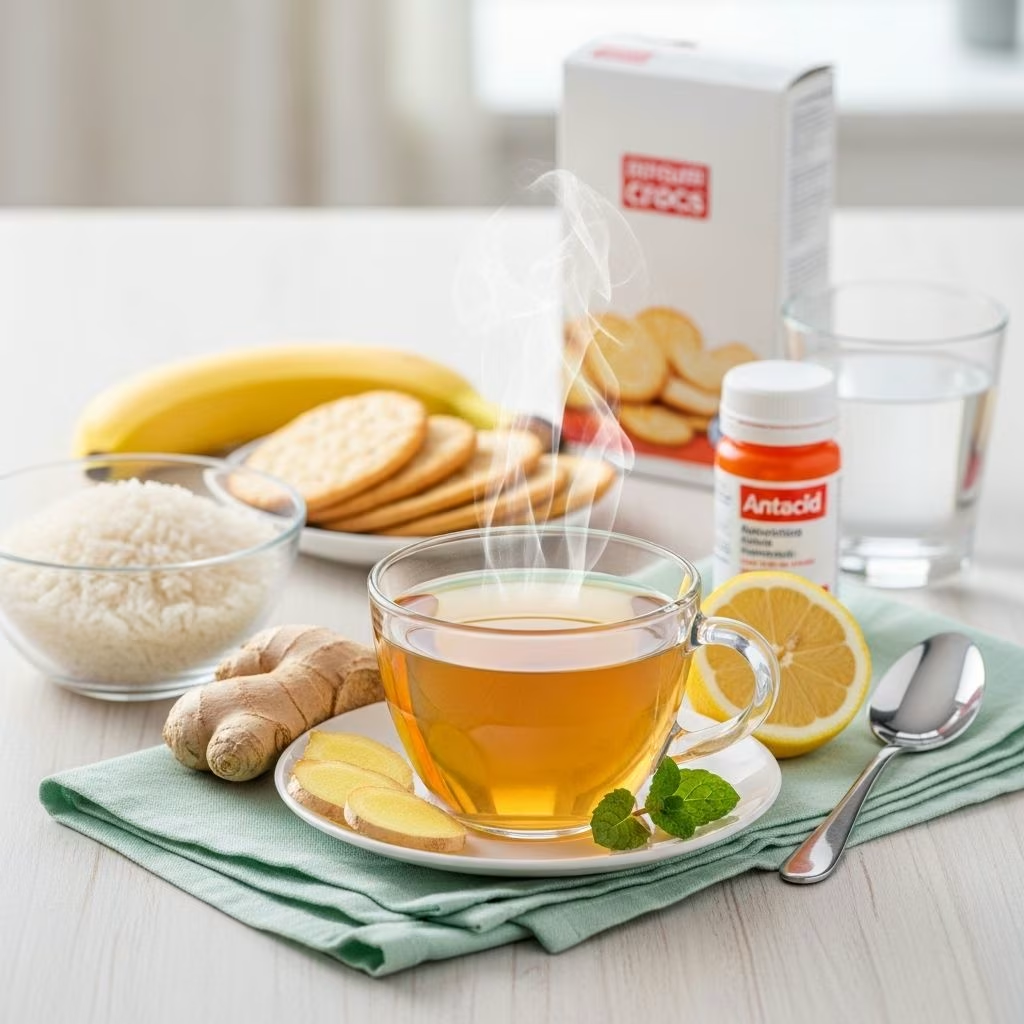
Effective Remedies for Upset Stomach: Gentle Relief for All Ages
An upset stomach—marked by symptoms like nausea, vomiting, bloating, indigestion, diarrhea, or cramps—affects people of all ages. While most causes are minor and pass quickly, discomfort can disrupt daily life, especially for children and caretakers. This comprehensive guide details natural and practical remedies to help soothe digestive troubles, backed by medical advice and centuries of household practice.
Remedies discussed here are safe for most healthy adults and children, but it’s important to consult a healthcare provider if symptoms persist or are severe.
What Causes an Upset Stomach?
An upset stomach can result from various factors, including:
- Food sensitivity or overeating
- Indigestion
- Viral infections
- Stress or anxiety
- Medication side effects
- Motion sickness
- Constipation or diarrhea
Addressing the underlying cause is vital, but gentle remedies can ease symptoms as the body recovers.
Natural and Home-Based Remedies for Upset Stomach
1. The BRAT Diet
The BRAT diet (Bananas, Rice, Applesauce, Toast) is a classic nutritional approach for managing diarrhea and nausea, especially in kids. These bland, binding foods are low in fiber and gentle on the digestive tract, helping firm stools and soothe irritation.
Key foods:
- Bananas: Easily digestible and high in potassium, replaces electrolytes lost from vomiting or diarrhea.
- Rice: Plain white rice absorbs fluids and helps bind loose stools.
- Applesauce: Smooth, gentle, and provides vitamins without irritating the stomach.
- Toast: Simple carbohydrates with no added butter or jam.
The BRAT diet is not nutritionally complete and should not be used for more than 24–48 hours. Gradually return to a balanced diet as symptoms subside.
Other bland options: Oatmeal, cream of wheat, and cooked cereals prepared with water can also be easy on the stomach.
Avoid dairy, spicy foods, and fatty foods during recovery.
2. Ginger: A Potent Anti-Inflammatory
Ginger is a widely used home remedy for nausea, bloating, and cramping due to its natural anti-inflammatory compounds. Clinical studies suggest ginger eases digestive discomfort by calming the gut and speeding gastric emptying.
How to use ginger:
- Brew ginger tea with fresh ginger root (steep slices in hot water for 5–10 minutes).
- Chew ginger candies or chews for mild, portable relief.
- Add cooked ginger root to soups or stir-fries.
- Try ginger supplements for controlled dosing (consult your doctor for children).
Safety: Ginger is generally well tolerated; in rare cases, may cause mild heartburn. Avoid excessive doses.
3. Peppermint: Calming Pain and Nausea
Peppermint contains menthol, a natural analgesic that helps relax gut muscles, easing cramps and spasms. Several studies confirm its effectiveness for symptoms of irritable bowel syndrome (IBS) and general discomfort.
Ways to use peppermint:
- Drink peppermint or spearmint tea for rapid soothing.
- Chew peppermint leaves or candies for a gentle effect.
- Inhale peppermint oil aroma (aromatherapy; never ingest pure essential oil).
Note: Some children may be sensitive to peppermint; start with small amounts and watch for reactions.
4. Chamomile Tea: Soothing Cramping and Spasms
Chamomile tea is renowned for its calming properties and anti-inflammatory effects. Research shows chamomile relaxes stomach muscles and relieves pain from cramping and spasms.
Prepare chamomile by steeping dried flowers or a teabag in hot water for several minutes. For children, cool the tea before serving.
Bonus: Chamomile tea may also help soothe mild stress or anxiety, which can sometimes trigger stomach upset.
5. Apple Cider Vinegar: Balancing Digestive Acidity
Apple cider vinegar is a traditional remedy for indigestion, bloating, and mild gastric upset. It may help restore optimal acidity and support healthy gut bacteria.
How to use:
- Mix one tablespoon of apple cider vinegar into a cup of warm water.
- Sip gradually to avoid throat irritation.
Warning: Never drink undiluted vinegar; the acidity can harm the mouth, throat, and tooth enamel.
6. Baking Soda: Natural Antacid
Baking soda (sodium bicarbonate) is an effective natural antacid that neutralizes excess stomach acid, helping with heartburn, indigestion, and bloating.
How to use:
- Dissolve one teaspoon of baking soda in eight ounces of water and drink slowly.
Precautions: Use baking soda sparingly and only for occasional relief—excessive intake can be toxic, especially for children. Never exceed recommended doses and consult a healthcare provider if unsure.
7. Bitters and Soda
A traditional remedy involving a few drops of herbal cocktail bitters in a glass of club soda, tonic water, or ginger ale. Bitters blends often contain cinnamon, fennel, mint, and ginger, which may help calm nausea.
While popular among adults, this remedy is not recommended for children unless under pediatric advice.
8. Heating Pad or Warm Bath
Applying heat to the abdomen can relax muscles, relieve cramping, and reduce pain. Try:
- Using a heating pad or warm towel for 15–20 minutes.
- Taking a warm bath to help overall relaxation.
Avoid hot temperatures and never place heating devices directly on bare skin—use a cover to prevent burns.
9. Essential Oils (Caution Required)
Some essential oils like peppermint, ginger, lavender, and cinnamon may provide aromatic comfort. You can diffuse oils, inhale steam, or apply (diluted) to the skin. Never ingest essential oils, especially for children.
Monitor for skin reactions and use products as directed by reputable sources. There is limited data on their efficacy, so use only as a supplement to proven remedies.
10. Hydration: Water and Electrolytes
Maintaining hydration is crucial during episodes of vomiting or diarrhea. Plain water helps break down food, soothes the stomach, and prevents constipation.
In cases of ongoing fluid loss, supplement water with electrolyte solutions (oral rehydration fluids or sports drinks) for children and adults.
- Offer small sips frequently rather than large amounts to avoid triggering nausea.
- Include diluted juice, clear broths, or pediatric electrolyte mixes for children.
Dietary Guidelines During Recovery
After initial upset resolves, gradually reintroduce:
- Boiled or baked vegetables (avoid raw, high-fiber produce at first)
- Lean proteins such as chicken or turkey
- Simple grains (rice, oats, pasta)
- Yogurt with probiotics—once tolerance is confirmed
Avoid spicy, fatty, or acidic foods that can further irritate the gut until digestion normalizes.
Remedies and Precautions for Children
Children’s stomachs are sensitive; remedies should be tailored for age and symptoms. For parents:
- Encourage rest and gentle activities during recovery.
- Avoid giving over-the-counter adult medications (such as bismuth subsalicylate) without pediatric advice.
- Never offer undiluted juices—dilute with water to prevent further upset.
- Monitor for dehydration: signs include dry mouth, decreased urination, listlessness.
If symptoms persist beyond 24 hours, include blood in stool or vomit, or are accompanied by severe pain, contact your healthcare provider immediately.
Prevention Tips for Upset Stomach
- Practice good hand hygiene; wash hands before eating and after restroom use.
- Avoid sharing utensils, cups, or straws.
- Encourage portion control and avoid overeating or eating late at night.
- Stay hydrated with plenty of fluids.
- Limit caffeine and carbonated beverages during sensitive periods.
- Introduce fiber gradually to avoid excess gas and bloating.
- Reduce stress, as anxiety can impact digestion.
Teach children healthy snacking and eating habits to prevent future stomach troubles.
Remedies to Avoid
- High doses of baking soda or antacids—risk of toxicity.
- Spicy, fatty, or greasy foods (may worsen symptoms).
- Raw high-fiber vegetables or unpeeled fruits immediately after diarrhea or vomiting.
- Full-strength fruit juices—dilute before serving.
- Unproven herbal or essential oil treatments, especially in children.
Frequently Asked Questions (FAQs)
Q: When should I consult a doctor for stomach pain?
A: See a healthcare provider for severe pain, ongoing vomiting or diarrhea lasting more than 24 hours, signs of dehydration, blood in stool or vomit, or if concerned about food poisoning or chronic gut issues.
Q: Is the BRAT diet safe for my toddler?
A: Yes, for short periods, the BRAT diet can help ease symptoms, but it’s not nutritionally complete. Transition back to a regular diet once symptoms improve, and consult a pediatrician if your child seems weak or dehydrated.
Q: Can I use herbal teas for children?
A: Mild teas like chamomile or ginger can be offered in small amounts when cool. Do not serve hot liquids or high concentrations to young children; monitor for allergic reactions.
Q: What home remedies should I avoid?
A: Avoid excessive intake of baking soda, undiluted vinegar, and ingesting essential oils. Do not use adult-strength medications on children without medical advice.
Q: How can I support my child’s digestive health?
A: Offer balanced meals, encourage drinking water, promote hand-washing, and minimize stress. For chronic stomachaches, see your pediatrician to rule out food allergies or underlying conditions.
Summary Table: Common Upset Stomach Remedies
| Remedy | Best For | Precautions |
|---|---|---|
| BRAT diet | Adults & Children with diarrhea or nausea | Short-term use only |
| Ginger | Nausea, bloating, cramping | Avoid in excess |
| Peppermint | Cramps, indigestion | Watch for sensitivity in children |
| Chamomile tea | Cramping, general discomfort | Possible allergy |
| Baking soda | Indigestion, heartburn | Use sparingly |
| Apple cider vinegar | Bloating, indigestion, gut health | Always dilute |
| Hydration | Most upset stomachs | Oral rehydration for severe dehydration |
| Heating pad/bath | Cramping, spasms | Never place directly on skin |
| Essential oils (aromatherapy only) | Mild discomfort in adults | Never ingest |
Final Thoughts
Natural, gentle remedies can bring comfort during episodes of upset stomach, especially when tailored for children and adults. If symptoms persist, worsen, or cause concern, seek medical evaluation promptly. Monitor hydration, nutritional balance, and overall well-being while relying on proven household remedies and supportive care.
References
- https://www.healthline.com/health/digestive-health/natural-upset-stomach-remedies
- https://www.humnutrition.com/blog/remedies-for-upset-stomach/
- https://health.unl.edu/4-home-remedies-upset-stomach-plus-6-things-avoid/
- https://www.bannerhealth.com/healthcareblog/better-me/natural-remedies-for-tummy-aches
- https://www.medicalnewstoday.com/articles/322047
- https://kidshealth.org/en/parents/stomachaches-sheet.html
- https://pepto-bismol.com/en-us/symptoms/all-diarrhea-articles/ways-to-soothe-kids-upset-stomach
- https://www.health.harvard.edu/blog/travel-tummy-troubles-heres-how-to-prevent-or-soothe-them-202208042796


