


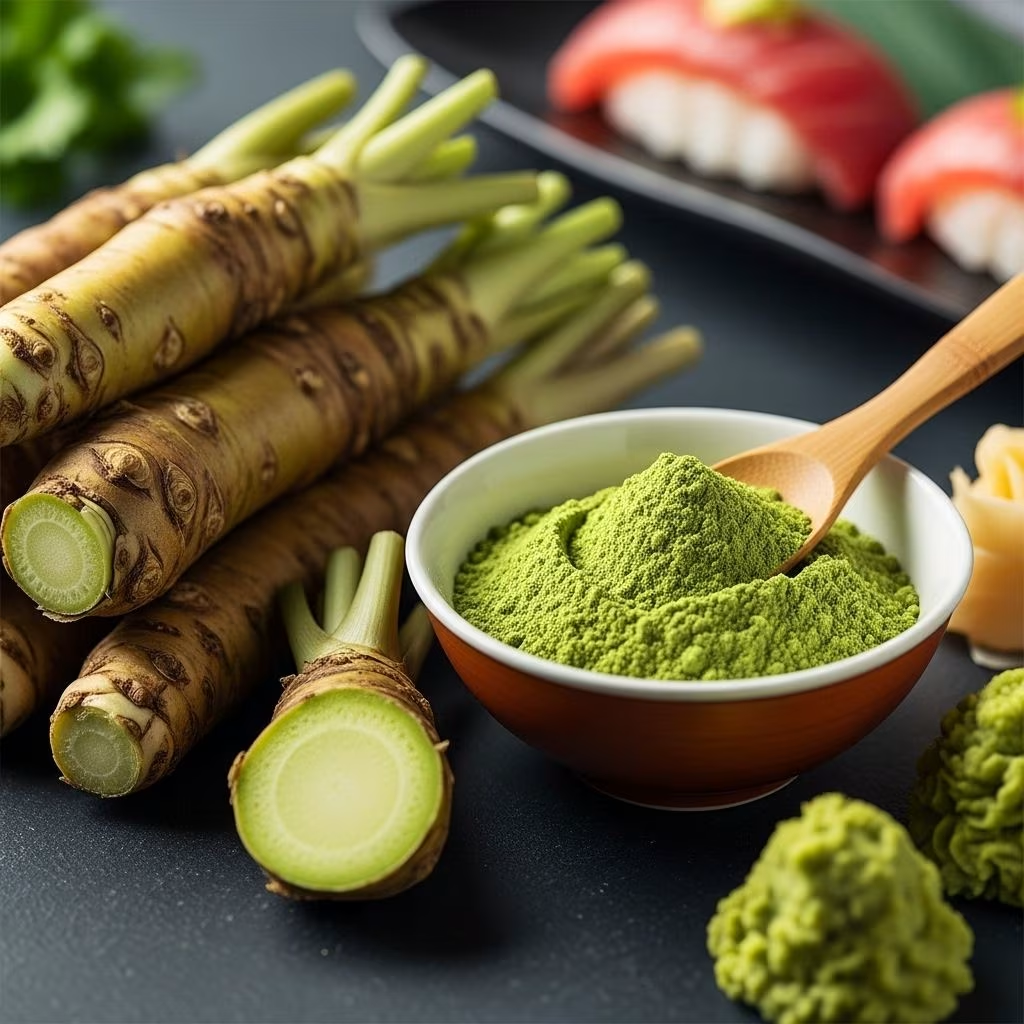
Wasabi powder is a cornerstone of Japanese cuisine and an increasingly popular condiment worldwide. This article delves deep into its origins, examines its health and culinary benefits, explores the mechanics of its flavor, and offers guidance on its many uses.
Introduction to Wasabi Powder
Wasabi powder is a dried, powdered form of the Wasabia japonica plant, renowned for its sharp heat and fresh, piquant aroma. Commonly used as a condiment for sushi and sashimi, it imparts a distinctive spicy kick and vibrant green color. Though it originated in Japan, wasabi powder and its imitations have become global staples, favored for their depth of flavor and culinary versatility.
Origin and History of Wasabi
Wasabi’s roots in Japanese culture run deep. Documented in Japan’s oldest botanical dictionary, the Honzo Wamyo, wasabi was already used in the Heian and Asuka periods (8th–10th century) as a medicinal plant. Its cultivation became more systematic during the Edo period, when it was acclaimed for pairing with raw fish—a tradition born out of wasabi’s preservation and antibacterial properties.
Originally found growing wild by clear mountain streams, true wasabi requires exceptionally pure, running water and cool temperatures for cultivation. Its high status was cemented by its association with the Tokugawa shoguns, and it steadily shifted from medicine to a culinary staple, especially in sushi preparation.
Historical Timeline of Wasabi
- Asuka Period (592–710): Early wild use as a medicinal plant.
- Heian–10th Century: First written appearances in botanical texts.
- Edo Period (1603–1868): Cultivation intensified; integral to sushi.
- Taisho Period (1912–1926): Commercialization of dried and powdered wasabi began.
How Is Wasabi Powder Made?
Genuine wasabi powder is made by finely grating the rhizome of the Wasabia japonica plant, then drying and pulverizing it to a fine powder. Producing authentic wasabi is labor-intensive and expensive, so most wasabi powders on the market actually contain a blend of ordinary horseradish, mustard powder, and green coloring. These blends mimic the pungency and color but are less nuanced in flavor.
Typical Ingredients in Commercial Wasabi Powder
- Dried horseradish root
- Mustard powder
- Green food coloring (often spirulina or artificial dyes)
- True wasabi powder (very small amounts in most blends)
True Wasabi vs. Imitation Wasabi
| Aspect | True Wasabi Powder | Imitation Wasabi Powder |
|---|---|---|
| Source | Wasabia japonica rhizome (Japan) | Horseradish + mustard + green coloring |
| Flavor | Complex, herbal, lingering warmth | Less nuanced, sharper, can be harsh |
| Availability | Rare, expensive | Common, inexpensive |
| Color | Natural light-to-medium green | Bright artificial green |
Nutritional Profile
Wasabi powder, as a spice, is used in small amounts but is still nutrient-dense. It contains:
- Glucosinolates: Precursors to isothiocyanates, offering antioxidant activity.
- Vitamin C: Immune support and antioxidant effects.
- Fiber: Beneficial for digestion.
- Potassium and Calcium: For heart and bone health.
Commercial wasabi powders containing horseradish and mustard derive similar nutrients because both plants belong to the Brassicaceae (cabbage) family.
Health Benefits of Wasabi Powder
For centuries, wasabi has been valued for medicinal as well as culinary use. Scientific study is confirming several traditional beliefs:
- Antimicrobial Properties: Wasabi has demonstrated the ability to fight pathogens, aligning with its traditional use for reducing fishy odors and preventing food poisoning.
- Anti-inflammatory and Antioxidant Effects: Wasabi’s isothiocyanates act as antioxidants, reducing oxidative stress and inflammation.
- Detoxification: Compounds in wasabi may support liver health and assist in detoxifying the body.
- Circulatory Benefits: Wasabi is used in some health products intended to improve circulation.
Potential Medicinal Uses (Studied and Traditional)
- May help guard against foodborne illness
- Could inhibit platelet aggregation and improve blood flow
- Possibly useful in skin health and anti-aging (as seen in wasabi-based cosmetic products)
Moderation is recommended. Excess intake may cause gastrointestinal discomfort or, rarely, aggravate thyroid conditions due to isothiocyanates.
Culinary Uses of Wasabi Powder
Wasabi powder’s versatility far exceeds its famed partnership with sushi and sashimi. When reconstituted into a paste—or sprinkled as a dry seasoning—it adds distinctive warmth and aroma to countless dishes.
Traditional Japanese Uses
- Sushi and sashimi dipping sauces
- Soba (buckwheat noodles) condiment
- Packed inside onigiri (rice balls) or with tempura
- Garnishes for grilled meats and cold tofu
Modern and International Applications
- Flavoring mayonnaise, dressings, and dips
- Spicing up mashed potatoes or salad dressings
- Coating snacks like nuts and crackers
- Infusion in chocolate, ice cream, or innovative desserts
Taste Profile: What Does Wasabi Powder Taste Like?
The taste of wasabi powder is unmistakably pungent and spicy, yet strikingly fresh. Unlike chili peppers, which deliver a burning heat on the tongue, wasabi’s volatile isothiocyanates generate heat that rushes up the nose and clears the sinuses. This heat is powerful but fleeting, quickly dissipating and leaving behind a mild, sweet aftertaste. True wasabi is lauded for subtle herbal and grassy notes, absent in most imitations.
Flavor Characteristics
- Pungent, sinus-clearing heat (not a mouth burn)
- Sweet undertones following the heat
- Complex, herbal aroma (in real wasabi)
How to Use Wasabi Powder
Wasabi powder must be freshly mixed with water to unlock its full flavor. The heat intensifies within minutes after mixing and gradually subsides, so only prepare what you need immediately before serving.
Basic Steps
- In a bowl, combine equal parts wasabi powder and cold water (e.g., 1 teaspoon each).
- Stir into a smooth paste; let rest 1–2 minutes to develop flavor.
- Serve immediately as a condiment, or blend into sauces, salad dressings, or batters.
Tips for Maximum Flavor
- Use cold, filtered water to keep the heat delicate and fresh.
- Cover the paste briefly before serving to prevent volatile compounds from dissipating.
- Pair conservatively—wasabi can overpower mild flavors if used to excess.
Storage & Shelf Life
Keep wasabi powder in an airtight container in a cool, dark, dry place. Avoid humidity, as it can cause clumping and degrade the heat-generating compounds. For peak potency, use within 6 to 12 months of opening.
Safety and Allergies
- Most commercial wasabi powders contain mustard and horseradish; both are potential allergens. Check labels if allergic.
- Excessive consumption can cause stomach irritation and isothiocyanates may impair thyroid function in sensitive individuals, especially in large amounts or over time. Moderation is advised.
- Individuals unused to spicy foods may experience temporary burning or tearing sensations. Start with small amounts.
Frequently Asked Questions (FAQs)
Q: Is wasabi powder always made from real wasabi?
A: No. Most commercial wasabi powder uses horseradish and mustard, with little or no actual Wasabia japonica due to cost and difficulty of cultivation.
Q: How can I tell if I’m buying genuine wasabi powder?
A: Check the ingredients on the label. Authentic products list Wasabia japonica as the primary ingredient and are often much more expensive.
Q: Can wasabi powder be used in cooking or only as a condiment?
A: Wasabi powder is highly versatile. Use it as a condiment, but also in marinades, salad dressings, mashed potatoes, or even desserts.
Q: Does wasabi powder have health benefits?
A: Yes—real wasabi contains compounds with antimicrobial, antioxidant, and anti-inflammatory properties, though effects are mild in culinary amounts.
Q: How long does wasabi powder last after opening?
A: Stored in a cool, dry place and tightly sealed, it retains best flavor for 6-12 months.
Conclusion
Wasabi powder carries a rich heritage from the mountain streams of Japan to modern kitchens worldwide. Whether you’re savoring its clean, sharp heat in a classic sushi meal or exploring new recipes and health benefits, wasabi powder remains a symbol of culinary innovation and tradition. Enjoy it fresh, savor its aroma, and discover its versatility beyond the sushi bar.
References
- https://www.kinjirushi.co.jp/english/wasabi/history/
- https://www.wisdomlib.org/ingredients/wasabi-powder
- http://sushinow.com/wasabi.htm
- https://wasabicrop.co.uk/japanese-wasabi-a-culinary-journey-through-tradition-taste-and-culture/
- https://en.wikipedia.org/wiki/Wasabi
- https://www.byfood.com/blog/culture/what-is-wasabi
- https://realwasabi.com/blogs/news/the-role-of-wasabi-in-traditional-japanese-culture
- https://www.sbfoods-worldwide.com/lp/us/wasabi/
- http://sushiuniversity.jp/basicknowledge/wasabi


