


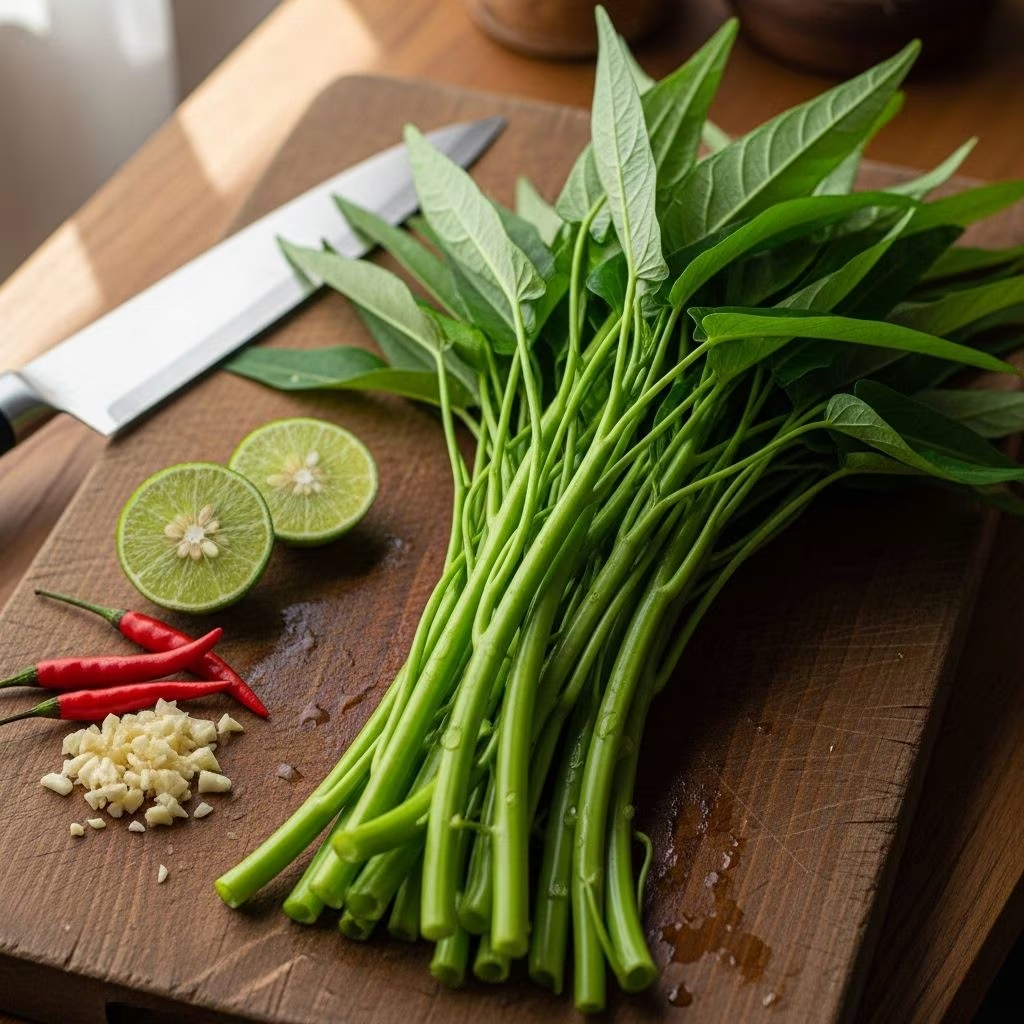
Water spinach, scientifically known as Ipomoea aquatica and popularly called kangkong, ong choy, or Chinese watercress, is a fast-growing leafy green vegetable cherished throughout Asia and increasingly sought after around the world. Beyond its culinary appeal, it offers significant nutritional and health benefits, making it a modern superfood worthy of more attention in kitchens everywhere.
Introduction to Water Spinach
Water spinach is a semi-aquatic, tropical plant. It is widely eaten in China, Southeast Asia, South Asia, and beyond. Commonly cultivated in wet, marshy fields or floating on water from riverbanks, it is known for its hollow stems and tender leaves that thrive with abundant sun and moisture. Water spinach is particularly valued in cuisines for its rapid growth, versatility, and ability to impart a crisp, juicy texture to dishes.
Botanical Description and Appearance
Water spinach is a member of the morning glory family, with long, slender stems and arrow-shaped leaves. Here are some key characteristics:
- Stems: Hollow, light green, capable of floating, and reaching lengths of up to 2-3 meters.
- Leaves: Variable; can be flat and broad or narrow and pointed. Vivid green, tender, and edible.
- Flowers: Trumpet-shaped, usually white or pale pink, rarely seen in harvested crops as most are consumed before flowering.
It is sometimes confused with land-grown spinach (Spinacia oleracea), but the two are unrelated botanically and offer distinct flavors and textures.
Nutritional Profile of Water Spinach
Water spinach is a nutritional powerhouse, delivering a broad spectrum of vitamins and minerals while remaining low in calories. The following table summarizes its major nutrients:
| Nutrient | Role in Health | Content (per 100g, raw) |
|---|---|---|
| Vitamin A | Vision, immunity, skin health | 6300 IU |
| Vitamin C | Antioxidant, immune function | 55 mg |
| Vitamin K | Blood clotting, bone health | 80 mcg |
| Iron | Red blood cell formation | 1.7 mg |
| Calcium | Bone strength | 77 mg |
| Magnesium | Nerve and muscle function | 71 mg |
| Potassium | Fluid balance, blood pressure | 312 mg |
| Dietary Fiber | Digestive health | 2.1 g |
| Folate | Cell division, fetal health | 57 mcg |
| B Vitamins | Energy metabolism | Notably B2, B6 |
Additionally, water spinach boasts phytochemicals (such as beta-carotene and lutein) and antioxidants that play roles in reducing oxidative stress and promoting health.
Health Benefits of Water Spinach
Due to its rich nutrient composition, water spinach provides a range of health benefits. These are the most significant, supported by contemporary research and traditional use alike:
- Supports Vision: High levels of vitamin A and carotenoids help maintain eye health and reduce the risk of age-related vision loss.
- Immune System Boost: Vitamin C, vitamin A, and antioxidants enhance the body’s immunity to infections and illnesses.
- Improves Bone Health: Calcium, magnesium, and vitamin K contribute to stronger bones and prevention of osteoporosis.
- Aids Digestion: Its dietary fiber helps regulate bowel movements and prevent constipation, supporting a healthy digestive system.
- Controls Blood Sugar: Studies suggest water spinach can stabilize blood sugar levels, benefiting those with diabetes.
- Lower Blood Pressure: Potassium and dietary nitrates help maintain healthy blood pressure levels.
- Reduces Inflammation: Phytochemicals with anti-inflammatory properties may lower the risk of chronic diseases such as arthritis.
- Prevents Anemia: Iron content assists in preventing or reversing iron-deficiency anemia, especially important for women.
- Promotes Healthy Skin: Vitamins and antioxidants support collagen production and help protect skin against premature aging.
- May Protect Against Cancer: Potential cancer-fighting properties due to antioxidants and phytochemicals that help combat free radicals.
- Aids Mental Health: Magnesium and B vitamins are linked to lower anxiety and better neurological function.
- Supports Heart Health: Fiber, antioxidants, and minerals combine to lower cholesterol and cardiovascular disease risk.
- Weight Management: Low in calories but high in fiber, helping you feel full and maintain a healthy weight.
The synergy of vitamins, minerals, antioxidants, and fiber makes water spinach a valuable addition to a healthy diet.
Culinary Uses and Preparation
Water spinach is incredibly versatile—a staple in Asian cuisine, yet adaptable to a range of global cooking styles. Both leaves and tender stems are edible, and its fresh, crisp quality complements a variety of preparations:
- Stir-fries: Classic in Chinese, Thai, and Vietnamese dishes. Sauteed with garlic and chilies or fermented soy bean paste for a rich, savory side.
- Soups and Stews: Often combined with seafood or meat in brothy preparations, adding both nutrition and a refreshing green flavor.
- Salads and Cold Dishes: Young shoots and leaves can be quickly blanched for salads with flavorful dressings.
- Steamed or Sautéed: Quick cooking preserves nutrients; typically paired with light sauces or olive oil.
Preparation Tips:
- Always wash thoroughly, as the plant often grows in muddy or wild aquatic environments.
- Trim and separate stems and leaves for even cooking; stems require a few more minutes of heat.
- Do not overcook to retain crispness, color, and nutritional value.
- Cook before eating, particularly if unsure about the growing environment, to reduce risk of contamination.
Water spinach is also used raw in some salads, but ensure freshness and food safety precautions for raw consumption.
What Does Water Spinach Taste Like?
Water spinach offers a uniquely refreshing taste profile, combining mild earthiness with crisp, tender textures:
- Leaves: Tender, juicy, and fresh-tasting, similar to young spinach but less metallic or bitter.
- Stems: Crunchy and hollow, with a subtle nutty sweetness reminiscent of morning glory or even asparagus.
- Overall, its taste balances between mild, grassy, and slightly sweet, serving as a perfect backdrop for robust sauces, garlic, ginger, chilies, and fermented condiments.
Its clean and gentle flavors make it popular for both simple home meals and festive restaurant dishes.
Varieties and Regional Names
| Region | Common Name | Distinctive Features |
|---|---|---|
| China | Ong choy, kong xin cai | Broad, flat leaves; used in stir-fries |
| Philippines | Kangkong | Narrow leaves; used in adobo or sinigang (sour soup) |
| Vietnam | Rau muống | Often served as a fried or pickled vegetable |
| Thailand | Phak bung | Featured in classic spicy stir-fries |
Storage and Selection Tips
- Select fresh, vibrant green leaves and stems without yellowing or softness.
- Store unwashed in the refrigerator, wrapped in a damp paper towel inside a plastic bag for up to 3–4 days.
- Wash just before eating or cooking to prevent spoilage.
Safety, Sourcing, and Precautions
- Because water spinach grows in aquatic environments, it may be exposed to waterborne contaminants, bacteria, or parasites.
- Always wash thoroughly and prefer cooking over raw consumption.
- If wild-foraged, avoid areas near pollution or industrial runoff to minimize the risk of contamination.
- Some countries restrict its cultivation or import due to its potential to become an invasive plant—always check local guidelines.
Frequently Asked Questions (FAQs)
Q: Is water spinach the same as regular spinach?
A: No, they are botanically different. Water spinach (Ipomoea aquatica) thrives in aquatic environments while regular spinach (Spinacia oleracea) is a terrestrial plant. Their flavors and textures also differ significantly.
Q: Can water spinach be eaten raw?
A: It is sometimes eaten raw in salads, but it is safer to cook it first, especially if you are unsure about how it was grown, to avoid food-borne illnesses.
Q: What are the best ways to cook water spinach?
A: The most popular methods are stir-frying with garlic and chilies, adding to soups, or lightly steaming. Quick cooking helps retain its crispness and nutrient content.
Q: Is water spinach good for weight loss?
A: Yes, thanks to its low calorie and high fiber profile, water spinach is filling and supports weight management when included in a balanced diet.
Q: Are there any risks associated with water spinach?
A: The main risk comes from contamination in poor-quality water. Proper washing and cooking largely eliminate this concern.
Q: Is water spinach available year-round?
A: In tropical and subtropical regions, water spinach can be found year-round, though its peak season is in the warmer months.
Conclusion
Water spinach is more than a humble aquatic green; it’s a nutritional star, packed with vitamins, minerals, fiber, and antioxidants, supporting vision, immunity, heart health, bone strength, and more. Its culinary versatility and clean, crisp flavor make water spinach a must-try for adventurous home cooks and wellness enthusiasts alike.
References
- https://bwqualitygrowers.com/water-spinach-health-and-nutrition/
- https://healthiersteps.com/15-health-benefits-of-water-spinach-ong-choy/
- https://spinachips.co.uk/blogs/blogs/health-benefits-of-spinach
- https://specialtyproduce.com/produce/Water_Spinach_3132.php
- https://www.nutrition-and-you.com/kangkong.html
- https://www.hmongfarmers.com/water-spinach/
- https://www.stylecraze.com/articles/benefits-of-water-spinach-for-skin-hair-and-health/
- https://weknowwatergardens.com.au/blogs/news/kangkong-the-unsung-superfood
- https://checkyourfood.com/ingredients/ingredient/1935/kangkong-morning-glory-water-spinach
- https://pmc.ncbi.nlm.nih.gov/articles/PMC8292493/


