


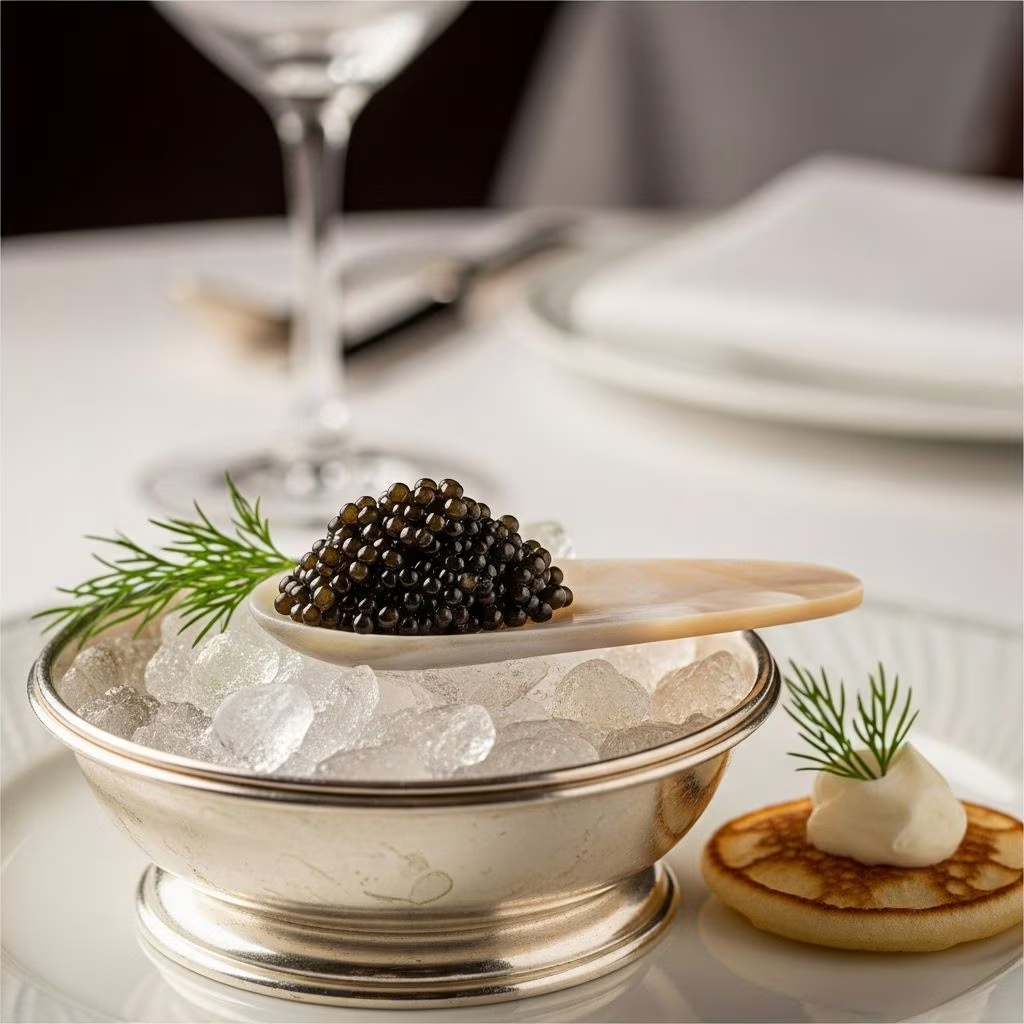
Caviar, the luxurious delicacy of sturgeon roe, has captivated gourmets and epicureans for centuries. Renowned for its complex flavors, prized texture, and aura of prestige, caviar remains a sought-after staple at the world’s finest tables. This gourmet guide explores every facet of caviar—from its rich history and diverse types to its nutritional benefits, culinary uses, storage tips, and the subtle art of tasting.
What Is Caviar? Definition and History
Caviar is a delicacy consisting of salt-cured eggs (roe) from sturgeon fish. Only roe from sturgeon is considered true caviar; eggs from other fish, such as salmon or trout, are classified as “roe” but not caviar in the strict sense. The refined character of caviar has made it a symbol of luxury, celebration, and fine taste in many cultures.
The word “caviar” is believed to have originated from the Persian word khāvyār meaning “bearing eggs.” Caviar has been consumed for centuries in the regions bordering the Caspian and Black Seas, notably Russia and Iran, where it developed into a culinary art and export commodity.
Origin and Production of Caviar
Caviar is harvested from members of the sturgeon family (Acipenseridae), a group of prehistoric fish that have swum the world’s waters for over 200 million years. Today, most of the world’s caviar comes from number of key sturgeon species, with traditional production centers in the Caspian Sea region (Iran, Russia) and, increasingly, sustainable farms in Europe, the United States, and China.
- Wild vs. Farmed Caviar: While caviar was historically sourced from wild sturgeon, overfishing and environmental decline have shifted most production to sustainably farmed environments. The quality of farmed caviar today rivals, and sometimes surpasses, wild-caught varieties.
- Harvesting Process: Mature sturgeon (often 10-20 years old depending on species) are carefully monitored; eggs are harvested at the peak of maturity and then gently washed, salted, and graded for quality and size.
Production Regions
- Caspian Sea: The historic heartland for the world’s greatest caviar, especially Beluga, Osetra, and Sevruga.
- Iran and Russia: Legendary producers, particularly of premium Caspian Sea caviars.
- United States: American caviar from paddlefish, hackleback, and white sturgeon has gained recognition for quality and sustainability.
- China: Now a major global supplier, especially of Kaluga and hybrid caviars.
Types and Varieties of Caviar
There are numerous types of caviar, each defined by species, origin, color, texture, and flavor profile. The most prized types all come from sturgeon, but other roes offer unique alternatives.
The Big Four: Premium Sturgeon Caviars
| Type | Origin | Color | Flavor Notes | Egg Size |
|---|---|---|---|---|
| Beluga | Caspian Sea (Russia, Iran) | Light grey to black, pearly sheen | Buttery, rich, creamy, mild with hazelnut | Largest (3-4mm) |
| Osetra (Osciètre/Astra) | Caspian Sea, Europe | Golden to dark brown | Nutty, briny, creamy, sometimes fruity | Medium-large |
| Sevruga | Caspian Sea | Light to dark grey | Intense, briny, clean finish | Smallest |
| Kaluga | China, Amur River | Dark to golden olive | Luxurious, smooth, close to Beluga | Very large |
Other notable sturgeon caviars include Sterlet and Siberian sturgeon caviar.
Non-Sturgeon and Alternative Caviars
- Paddlefish Caviar: Sourced from American paddlefish; distinct, robust flavor, affordable alternative to true caviar.
- Hackleback (Shovelnose) Caviar: Native to US rivers, smaller eggs, earthy flavor.
- Bowfin Caviar: Also known as “Cajun caviar,” black, small grains, a strong and lasting flavor.
- Salmon Roe (Ikura): Bright orange, large, salty-sweet flavor – technically not “caviar.”
- Specialty/Infused Caviar: Eggs flavored with herbs, truffle, or other seasonings for gourmet twists.
Caviar Grading
- Grade 1: Large, intact eggs, glossy and firm, highest flavor and texture quality.
- Grade 2: Slightly smaller or less uniform grains, still delicious but less rare.
Nutritional Benefits of Caviar
Caviar is nutrient-dense and rich in omega-3 fatty acids, making it more than just a luxury treat. While calorie-rich, caviar’s nutrients deliver several wellness benefits.
- High-Quality Protein: Contains essential amino acids, including arginine, lysine, isoleucine, and methionine.
- Healthy Fats: Rich in omega-3 fatty acids (EPA and DHA), linked to heart health, reduced inflammation, and cognitive function.
- Vitamins: Caviar provides vitamins A, D, E, B12, riboflavin, and folate – supporting immunity and cellular function.
- Minerals: Contains iron, selenium, magnesium, and calcium for bone strength and energy metabolism.
- Antioxidants: Compounds that protect cells from damage and support anti-aging processes.
Note: Caviar is relatively high in sodium due to salting, so moderation is advisable for those with sodium-sensitive conditions.
Culinary Uses and Serving Suggestions
Caviar’s unique flavors and textures lend themselves to both minimalist preparations and innovative gourmet dishes. Traditionally, great caviar is served simply, allowing its delicate qualities to shine.
How to Serve Caviar
- Chilled and Unadorned: Place the tin or jar over crushed ice—caviar should be served cold but not frozen.
- With Neutral Accompaniments: Classic sides include blini (small pancakes), unsalted crackers, toast points, or boiled potatoes.
- Traditional Garnishes: Chopped egg, crème fraîche, minced chives, or tiny lemon wedges.
- Utensils: Use mother-of-pearl, bone, or gold spoons—never silver, which can impart a metallic taste.
Modern and Creative Uses
- Gourmet Canapés: On top of deviled eggs, oysters, or salmon tartare.
- Fine Dining: Accenting pasta, risotto, steak tartare, or sushi.
- Infused and Flavored Caviars: Used in innovative fusion cuisine with added truffle, citrus, or herbs.
- As a Tasting Highlight: Savor on its own, with a chilled vodka or Champagne pairing.
Caviar Taste Profile and Experience
Caviar’s taste is described as complex, delicate, and layered. The flavor varies considerably by species, age, origin, and processing.
- Beluga Caviar: The most luxurious—rich, creamy, buttery, with delicate marine notes and a lingering finish. Almost melts on the tongue.
- Osetra Caviar: Noted for its nutty, earthy, and creamy flavors, harmonious brininess, and occasional hints of fruitiness.
- Sevruga Caviar: Intense, pronounced briny taste, often with a crisp and clean finish. Slightly saltier than Beluga and Osetra.
- Kaluga and Hybrid Caviars: Mellow, luxurious, buttery flavor profile close to Beluga, with large, firm pearls.
- Alternative Roes: Salmon roe is briny and sweet, while paddlefish, hackleback, or bowfin have stronger, earthier flavors.
Texture is just as important as taste – top-tier caviar has firm, plump grains that “pop” gently in the mouth, releasing layers of umami, butter, and oceanic notes.
What Affects Caviar’s Flavor?
- Species: Each type has a distinct signature flavor profile.
- Origin and Diet: The water, feed, and environment impact taste and texture.
- Processing and Curing: Traditional “Malossol” (lightly salted) method best preserves natural flavors.
- Freshness: Caviar should be enjoyed as fresh as possible to appreciate its delicate aroma and texture.
How to Choose and Store Caviar
Selecting great caviar requires attention to detail. Pay attention to the following factors:
- Species and Origin: Learn the difference between sturgeon and non-sturgeon eggs.
- Grade and Freshness: Top-grade caviar is uniform, glossy, aromatic, and tastes of clean ocean brine.
- Labeling: Authentic caviar will specify sturgeon species, country of origin, and curing method (Malossol indicates less salt, higher quality).
- Price: Caviar is expensive due to the long maturation process and rarity of sturgeon. If the price is too low, it may be lower grade or an imitation.
When storing caviar, keep it refrigerated at 28°-32°F (-2°-0°C) and consumed within a few days of opening. Never freeze true caviar, as this can damage texture and flavor.
How to Tell If Caviar Is High Quality
- Eggs are separate, shiny, unbroken, and of a uniform color.
- Aroma is clean, fresh, and slightly briny, never fishy or sour.
- Taste reveals layers of flavor, never excessively salty or bitter.
Frequently Asked Questions (FAQs)
Q: What makes caviar so expensive?
A: Caviar’s high price stems from the lengthy maturation of sturgeon (10–20 years), rarity, labor-intensive harvesting, and the decline of wild fish stocks. Only a small percentage qualifies as top-grade caviar—adding to its exclusivity.
Q: Can you eat caviar every day?
A: While caviar offers significant health benefits, its high sodium and cholesterol content make moderation prudent. Enjoying caviar as an occasional treat is optimal.
Q: What’s the difference between caviar and fish roe?
A: Only sturgeon eggs are classified as “caviar”—roe from other fish (such as salmon, trout, or lumpfish) is called “roe” but not true caviar.
Q: How should caviar be served and eaten?
A: Serve chilled over ice, with mother-of-pearl or gold spoons, and with neutral sides like blini or toast points. Enjoy caviar in small quantities to appreciate taste and mouthfeel.
Q: Is sustainable caviar as good as wild caviar?
A: High-quality sustainable (farmed) caviar can match or even exceed wild caviar in flavor, texture, and safety—while protecting endangered sturgeon populations.
Conclusion
From its majestic origins and diverse varieties to luxury status and health benefits, caviar embodies centuries of culinary artistry and celebration. Whether enjoyed traditionally or as part of modern cuisine, caviar invites the palate to a unique experience—one of decadent flavors, craftsmanship, and history. For both seasoned connoisseurs and curious novices, understanding caviar enhances its enjoyment and appreciation, making each taste truly memorable.
References
- https://www.aqualv.com/seafood-101/different-types-of-caviar/
- https://www.webstaurantstore.com/blog/4024/types-of-caviar.html
- https://saaee-aquaculture.com/en/blog/33/types-of-caviar-features
- https://hospitalityinsights.ehl.edu/culinary-arts-caviar
- https://caviarstar.com/blog/what-is-caviar/
- https://blog.goldbelly.com/what-is-caviar/


