


- Introduction
- History and Cultural Significance
- What Is Freekeh?
- Nutritional Profile
- Health Benefits of Freekeh
- Culinary Uses and Cooking Methods
- Taste and Texture
- Freekeh vs. Other Popular Grains
- Frequently Asked Questions (FAQs)
- Conclusion
Introduction
Ancient grains have seen a resurgence in kitchens worldwide, bringing with them flavors, textures, and nourishment from the past. Freekeh stands out among these, hailed for its uniquely smoky taste, robust nutrition, and roots in the culinary traditions of the Eastern Mediterranean. Whether you’re a health-conscious eater, a culinary explorer, or just curious about world foods, understanding what freekeh is, alongside its benefits, uses, and flavor profile, opens new horizons in both diet and cuisine.
History and Cultural Significance
Freekeh – also spelled frekeh, frikeh, or farik – has an origin story intertwined with civilization itself. Dating back to 2300 B.C., freekeh appears in the records and traditions of the Levantine peoples, notably in Lebanon and Egypt, and was a staple in ancient Israelite cuisine.
- The name derives from the Arabic word “farik,” meaning “to rub,” referencing the preparation process.
- Legend traces its accidental discovery to burned wheat fields during a siege: villagers, trying to salvage their immature wheat, rubbed and roasted the grain, unveiling a flavorful and nutritious food.
- Freekeh is cited in the Hebrew Bible and thirteenth-century Baghdad cookbooks, cementing its place in Middle Eastern food history.
Throughout centuries, freekeh remained integral to Levantine and North African cuisines, and is now increasingly recognized and used in Europe, the United States, and beyond as part of the ancient grain renaissance.
What Is Freekeh?
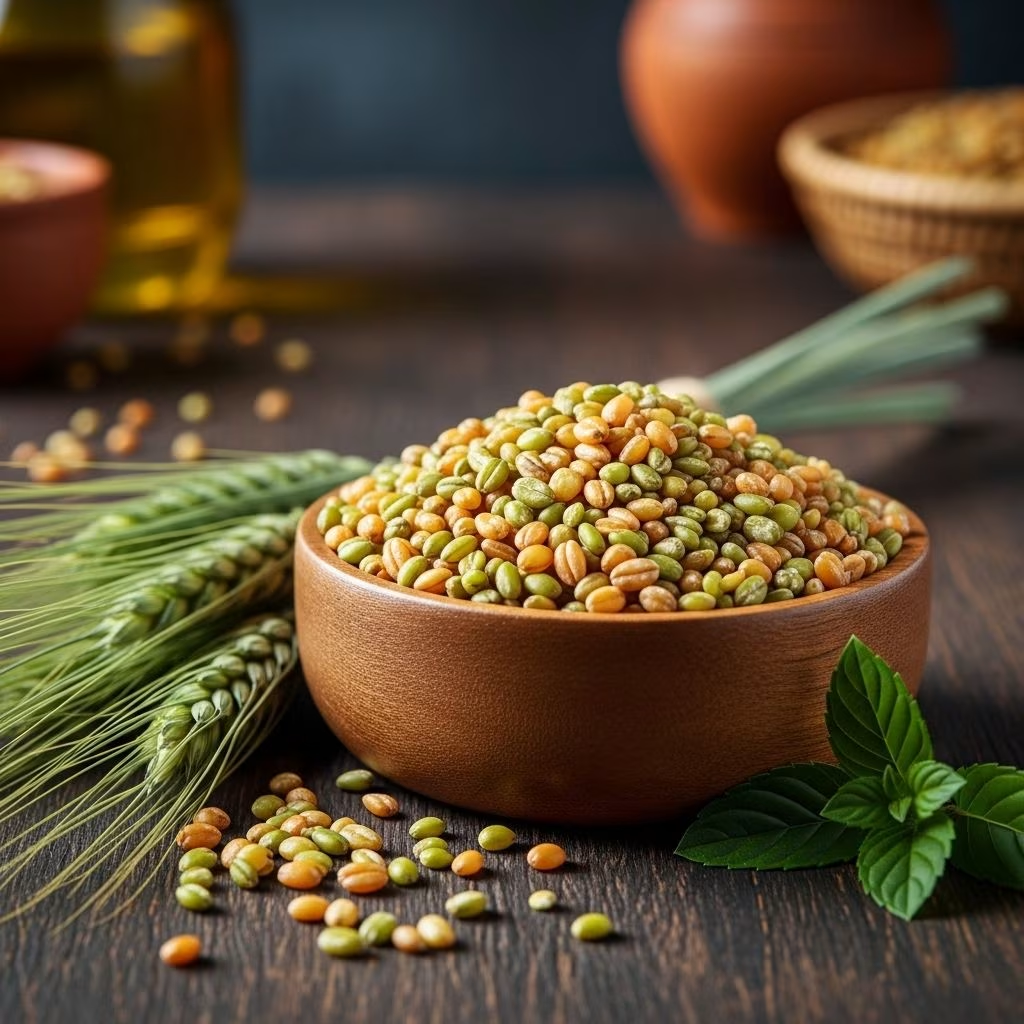
Freekeh is a cereal food made from green durum wheat (Triticum turgidum var. durum), harvested while the grain is young and the seeds still soft—before full maturity. The unique character of freekeh comes from its special processing:
- Harvest green wheat before it ripens
- Sun dry the wheat briefly
- Pile up and set wheat on fire, burning only straw and chaff (moist seeds stay unharmed)
- Threshed and then rubbed (hence the name) to remove the burnt husks
- Further dried and often cracked into pieces resembling green bulgur
This prehistoric preservation method imbues freekeh with a deep smoky aroma, earthy flavor, and chewy texture. It is available in whole or cracked forms, with cracked freekeh resembling bulgur wheat—but with its own distinctive culinary advantages.
Nutritional Profile
Freekeh is noted for its superior nutritional composition compared to other grains. An approximate breakdown is as follows:
| Nutrient | Approximate Value (per 100g) | Comments |
|---|---|---|
| Carbohydrates | 77% | Complex carbs for sustained energy |
| Protein | 12.7% | Higher than most wheat varieties |
| Dietary Fiber | 16.5% | Twice as much as quinoa |
| Vitamins | Small amounts of Vitamin A, B1, B2, C, E | Good source of antioxidants |
| Antioxidants | Phenolic acids, vitamin compounds | Protective against cell damage |
- Compared to wheat, freekeh contains higher protein and antioxidant levels, mainly due to the harvesting of the immature grain.
- It offers more dietary fiber and protein than quinoa, in addition to beneficial prebiotics such as fructooligosaccharides.
Health Benefits of Freekeh
Freekeh is considered a functional food due to its unique nutrient profile and beneficial biological effects:
- High dietary fiber: Aids digestion, promotes satiety, and can help regulate blood sugar.
- Prebiotic content: The fructooligosaccharides and fructose polymers support healthy gut bacteria, enhancing immune function.
- Antioxidants: Phenolic acids and vitamins (notably E and C) combat oxidative stress and offer anti-inflammatory benefits.
- Protein-rich: Provides essential amino acids, valuable for muscle repair and maintenance, making freekeh especially beneficial for vegetarians and athletes.
- Low glycemic index: Freekeh releases energy slowly, sustaining fullness and helping regulate blood glucose.
- Weight management: Supports healthy weight due to high fiber and low fat, aiding satiety.
- Bone health: Contains moderate minerals, including calcium and magnesium.
Some research and reports highlight anti-tumoral, immunostimulating, and metabolic advantages due to freekeh’s phytonutrient content. As a whole grain, it meets recommendations for increasing dietary diversity and reducing chronic disease risks.
Culinary Uses and Cooking Methods
The versatility of freekeh makes it suitable for both traditional and modern kitchens. Its texture, flavor, and nutritional value have inspired various applications:
- Hearty salads: Freekeh provides an earthy base for grain bowls and salads with roasted vegetables, herbs, and citrus dressings.
- Soups and stews: In the Levant, freekeh is cooked into hearty soups with lamb or chicken for warming meals.
- Rice and pilaf substitute: Use cracked freekeh in place of rice or bulgur to add flavor, nutrients, and chewy texture to pilafs and side dishes.
- Porridge and breakfast bowls: Try freekeh as an alternative to oatmeal or quinoa, topped with nuts, seeds, and fruit.
- Baking: Freekeh flour or cracked freekeh is incorporated into bread, muffins, and cereal bars (common in Eastern Mediterranean baking).
- Stuffed vegetables: A traditional use throughout the Middle East; freekeh is mixed with spices, nuts, and sometimes meat, then stuffed into peppers, tomatoes, or eggplants.
- Snack foods: Freekeh is now found in chips and crackers, delivering ancient grain nutrition in convenient formats.
How to prepare freekeh:
- Rinse freekeh thoroughly.
- Simmer in water or broth (1 part freekeh to 2.5 parts liquid), cover and cook for 20–40 minutes, depending on desired texture.
- Whole freekeh takes longer; cracked cooks faster, with a softer finish.
- Season as you would rice or barley, or mix into salads, soups, and pilafs.
Popular Freekeh Dishes
- Levantine Freekeh soup with chicken or lamb
- Egyptian freekeh pilaf with herbs and nuts
- Stuffed vegetables (dolmas) using freekeh as a filling
- Modern grain salads with roasted squash and citrus vinaigrette
- Baked goods with freekeh flour for a nutty flavor
- Freekeh protein chips and crackers as healthy snacks
Taste and Texture
Freekeh is celebrated for its unique taste, a result of its early harvesting and fire roasting:
- Smoky aroma: Infused from the roasting process, adding depth not found in other grains.
- Nutty flavor: Earthy, with hints of roasted green wheat.
- Chewy texture: Whole freekeh provides a substantial bite, while cracked varieties have a tender, bulgur-like consistency.
Chefs and home cooks appreciate freekeh’s ability to absorb flavors, making it suitable for robust, spiced dishes. The combination of smokiness, nuttiness, and chew sets freekeh apart from grains like rice, bulgur, or quinoa.
Freekeh vs. Other Popular Grains
| Grain | Protein | Fiber | Key Taste Notes | Traditional Uses |
|---|---|---|---|---|
| Freekeh | High (12.7%) | Very high (16.5%) | Smoky, nutty, earthy | Soups, pilafs, salads, stuffing |
| Quinoa | Moderate (8-9%) | Moderate (7-8%) | Mild, grassy, slightly bitter | Salads, breakfast bowls |
| Bulgur | Moderate (8%) | Low to moderate (4-5%) | Mild, nutty | Tabbouleh, pilaf |
| Brown Rice | Low (7%) | Low (2%) | Mild, slightly earthy | Side dishes, stir fries |
This comparison demonstrates freekeh’s superior nutrition (notably protein and fiber) and distinctive taste among staple grains.
Frequently Asked Questions (FAQs)
Q: Is freekeh gluten-free?
A: No. Freekeh is made from wheat and contains gluten, so it is not suitable for people with celiac disease or gluten intolerance.
Q: Where can I buy freekeh?
A: Freekeh is increasingly available at health food stores, Middle Eastern markets, and major grocery chains, often in whole or cracked forms.
Q: How is freekeh different from bulgur?
A: Both are wheat products, but bulgur uses mature wheat, while freekeh uses immature green wheat and is fire roasted, giving freekeh a deeper smoky flavor and chewier texture.
Q: What is the best way to cook freekeh?
A: Simmer freekeh in water or broth for about 20–40 minutes, depending on whether it is whole or cracked. It can be used much like rice or barley.
Q: Can I use freekeh in gluten-free recipes?
A: Freekeh cannot be substituted in gluten-free recipes due to its wheat content.
Conclusion
Freekeh stands as a nutritional powerhouse and a testament to culinary resilience, with roots in ancient Mediterranean civilizations. Its high fiber and protein levels, probiotic benefits, and rich antioxidants position it as an ideal ingredient for health-conscious diets. The deep smoky, nutty taste and chewy texture open new possibilities in both traditional and modern recipes, from Middle Eastern pilafs to contemporary salads and baked goods. Embracing freekeh means savoring a grain steeped in history, nutrition, and unforgettable flavor.
References
- https://en.wikipedia.org/wiki/Freekeh
- https://asbe.org/article/freekeh/
- https://www.merchant-gourmet.com/blogs/news/get-your-freekeh-on
- https://freekehharvest.com/about/
- https://asif.org/en/freekeh-smoky-wheats-roots/
- https://bakerpedia.com/story-of-freekeh-ancient-grain/
- https://www.masterclass.com/articles/learn-about-freekeh
- https://www.greatbritishchefs.com/features/how-to-cook-what-is-freekeh


