


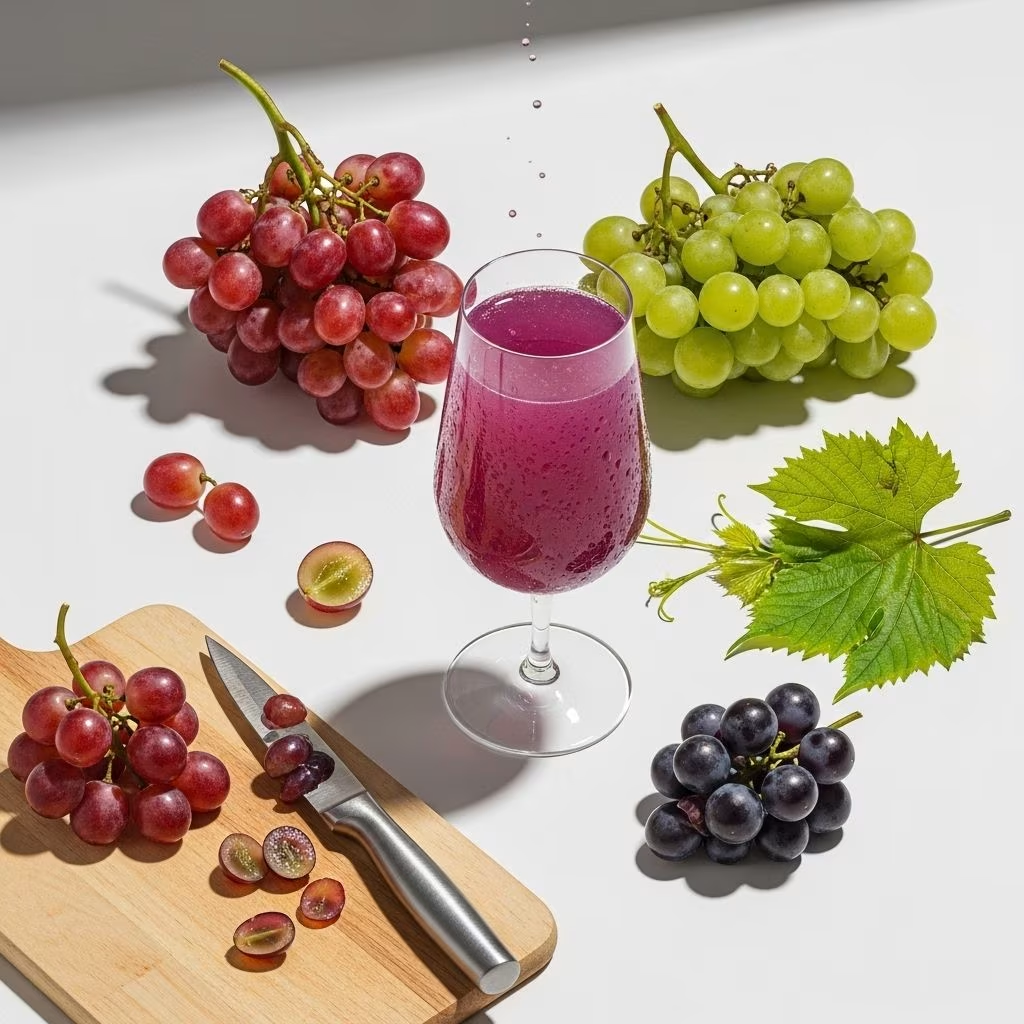
Grape juice is a widely consumed beverage globally, celebrated for its rich flavor, nutritional value, and versatility in both culinary and industrial settings. This comprehensive guide delves into what grape juice is, its health benefits, uses in daily life and industry, and what makes its taste and varieties unique.
What Is Grape Juice?
Grape juice is a beverage made by crushing and blending grapes to extract their liquid, commonly consumed as a sweet, non-alcoholic drink. Unlike wine, grape juice does not go through fermentation and therefore does not contain alcohol. Grape juice can be produced from various types of grapes, including Concord (purple) and Niagara (white) grapes.
- Made from freshly crushed grapes without fermentation processes.
- Commonly used for consumption as a drink, as well as a raw ingredient in jelly, jam, and other food products.
- Sometimes concentrated to make transport and storage more efficient, then later reconstituted with water.
In food industry terminology, the term must refers to grape juice that contains not only juice but also skins, seeds, stems, and pulp. Commercial grape juice is usually strained or filtered.
How Is Grape Juice Made?
There are several production methods for grape juice, each influencing its flavor, color, and nutritional characteristics.
Primary Steps in Grape Juice Production:
- Selection and Harvesting: Grapes are harvested at peak ripeness to maximize sweetness and aroma.
- Crushing and Pressing: Grapes are crushed to extract juice. This may include some solids (pulp, skins, seeds) initially. High-quality juice uses only the best grapes and minimal pressure to preserve delicate flavors.
- Filtration: Solids are removed by filtering or clarifying the juice. This produces a clear, pourable liquid.
- Pasteurization: To extend shelf life and prevent fermentation, most commercial grape juice is pasteurized (heat-treated). This preserves the juice’s color and nutrients while ensuring safety.
- Concentration (Optional): Some juice is made into concentrate by removing water, which allows for easier transport and storage. The juice is later reconstituted with water before use.
Types of Grape Juice and Concentrates
| Type | Description | Typical Use |
|---|---|---|
| Simple grape juice (flower/yolk concentrate) | First juice, unpressed, low in solids | White wines, light juices |
| Press fraction concentrate | From pressed grapes, higher polyphenols and minerals | Red/robust juices, intense color/flavor beverages |
| Vacuum-concentrated juice | Water removed under vacuum, denser, aromatic | Premium juices, added to blends |
| Deionised concentrate | White grape juice stripped of color and odor, high in natural sugars | Sweetener, food products |
Nutritional Composition of Grape Juice
Grape juice provides a unique blend of natural sugars, vitamins, minerals, and beneficial plant compounds. The nutritional profile varies by grape variety, processing methods, and whether the juice is from concentrate or not.
Key Nutrients in Grape Juice:
- Carbohydrates: Mainly as natural sugars (glucose and fructose), making grape juice a quick source of energy.
- Vitamins: Good source of vitamin C, K, and some B vitamins, especially B6 and thiamine.
- Minerals: Contains potassium, calcium, magnesium, and small amounts of iron, phosphorus, and zinc.
- Phytonutrients: Rich in antioxidants such as polyphenols, flavonoids, and anthocyanins. Purple grape juice is especially high in resveratrol and anthocyanins, which are responsible for both color and health benefits.
- No fat or cholesterol.
| Per 1 cup (240 ml) | Purple Grape Juice* | White Grape Juice* |
|---|---|---|
| Calories | 150–160 | 140–155 |
| Carbohydrates | 38–39g | 36–38g |
| Sugars | 35–36g | 34–35g |
| Vitamin C | 18–20 mg | 14–16 mg |
| Potassium | 260–280 mg | 245–260 mg |
| Fiber | 0–1g | 0–1g |
*Values may vary by brand, country, and processing method
Health Benefits of Grape Juice
Consuming grape juice in moderation offers several potential health benefits due to its nutrient density and bioactive compounds:
- Rich in Antioxidants: Polyphenols, including resveratrol, flavonoids, and tannins, protect against oxidative stress and support cellular health.
- Cardiovascular Support: Studies suggest grape juice may help reduce blood pressure, lower LDL (bad) cholesterol, improve vascular function, and reduce markers of inflammation. Purple grape juice has been linked to improved heart health.
- Immune System Boost: Naturally high vitamin C content supports immune defense and wound healing.
- May Aid Cognitive Function: Some research indicates that polyphenols in grape juice support brain health by improving blood flow and reducing oxidative damage to brain cells.
- Digestive Support: Contains mild natural acids and water, supporting hydration and gentle digestive stimulation.
- Natural Energy Source: Simple sugars in grape juice provide a rapid energy boost, making it useful for athletes and active individuals.
Culinary and Industrial Uses of Grape Juice
Grape juice is remarkably versatile: it is not only a refreshing drink, but it also serves many purposes in the kitchen and food industry.
Culinary Applications
- Beverages: Served chilled as a drink, either pure or blended with other fruit juices.
- Smoothies and Cocktails: Adds natural sweetness and depth of flavor to smoothies, mocktails, and alcoholic drinks.
- Sauces and Glazes: Used in glazes for roasted meats, reductions for desserts, and as an ingredient in fruit sauces.
- Baking: Can be used as a liquid in cakes, muffins, and quick breads, or as a flavoring in icings.
- Jellies and Jams: Grape jelly is a classic spread made by concentrating juice with sugar and pectin.
Industrial and Food Technology Applications
- Natural Sweetener: Grape juice concentrate is used as a natural sugar substitute in processed foods, yogurts, and condiments.
- Bases for Non-Alcoholic Wines: Used as a base for dealcoholized wines and lightly fermented sparkling beverages.
- Coloring and Flavoring: Its deep purple or golden color is used in candy, sorbets, and soft drinks.
Varieties and Distinctive Flavors
The variety of grape used has a profound effect on the juice’s color, aroma, and taste profile:
- Concord (Purple): Deep purple color, strong sweet aroma, earthy “foxy” notes, most common in North America.
- Niagara (White): Golden-yellow, floral and musky notes, lighter taste, often used for white grape juice.
- European Varieties (e.g., Thompson Seedless): Milder flavor, smoother mouthfeel, more common in European and Mediterranean countries.
| Type | Color | Main Flavor Notes |
|---|---|---|
| Concord | Purple | Rich, sweet, fruity, earthy (‘foxy’) |
| Niagara | Golden-yellow | Mild, musky, floral, light sweetness |
| Thompson Seedless | Pale or greenish | Delicate, smooth, subtle |
Understanding Grape Juice Taste
Grape juice offers a unique combination of sweet, tart, and aromatic notes, influenced by grape variety, ripeness, processing, and even soil and climate conditions.
- Sweetness: Comes primarily from grapes’ natural fructose and glucose. Most grape juice tastes sweeter than orange or apple juice.
- Acidity: Tartness is provided by organic acids (tartaric, malic, citric), balancing the sweetness and resulting in a refreshing profile.
- Aroma and Flavor: Concord grapes provide winey, musky, and bold flavors. Niagara and Thompson Seedless are lighter and more floral.
- Mouthfeel: Thick, smooth, sometimes slightly astringent due to polyphenols, especially in purple/red grape juices.
White grape juice is generally milder, paler, and less assertive than purple or red grape juices.
Grape Juice vs. Other Fruit Juices
| Aspect | Grape Juice | Orange Juice | Apple Juice |
|---|---|---|---|
| Sugar (per 240ml) | 35–36g | 23–25g | 24–28g |
| Vitamin C (per 240ml) | 18–20mg | 90–100mg | 2–8mg |
| Polyphenol content | High | Moderate | Low |
| Color | Purple/golden/yellow | Orange | Pale yellow |
| Flavor | Sweet, tart, aromatic | Tart, citrusy | Mild, sweet |
Grape juice is naturally sweeter and richer in antioxidants, especially resveratrol and anthocyanins, compared to most other common fruit juices. However, it’s also higher in calories and sugar per serving.
Buying and Storing Grape Juice
Selecting Quality Grape Juice:
- Choose 100% pure grape juice without added sugars or artificial colors for maximum nutrition and flavor.
- Organic labels can ensure the absence of pesticide residues.
- For concentrated juice, check if reconstitution directions are followed.
Storing Grape Juice:
- Unopened pasteurized juice can be kept in a cool, dark pantry for several months.
- Once opened, refrigerate and consume within 7–10 days.
- Frozen concentrate or juice can be safely stored in the freezer for up to a year.
Potential Side Effects and Considerations
- Sugar Content: Grape juice is high in natural sugars; individuals with diabetes or metabolic disorders should moderate their intake or opt for diluted versions.
- Allergies: Rare, but possible, especially in individuals allergic to grapes.
- Dental Health: High sugar and acidity may contribute to tooth decay if consumed excessively without proper oral hygiene.
Frequently Asked Questions (FAQs)
Q: Does grape juice contain alcohol?
A: No, true grape juice does not contain alcohol because it is not fermented. However, grape juice is the raw ingredient for wine production via fermentation.
Q: What is the difference between white and purple grape juice?
A: Purple grape juice (often from Concord grapes) is darker, richer, and has more antioxidants like anthocyanins. White grape juice (often from Niagara or Thompson Seedless) is lighter, milder, and less aromatic but generally sweeter.
Q: Can grape juice help lower blood pressure?
A: Some studies suggest that regular moderate consumption of polyphenol-rich grape juice may contribute to cardiovascular health and lower blood pressure, thanks to antioxidants and natural vasodilators.
Q: Is grape juice safe for children?
A: Yes, when consumed in moderation. Due to its sugar content, serving sizes should be limited, and it’s best to offer 100% pure juice diluted with water for younger children.
Q: Can grape juice be used in recipes other than drinks?
A: Absolutely. Grape juice is a popular ingredient in jellies, jams, dessert sauces, glazes for meats, sorbets, salad dressings, and both non-alcoholic and alcoholic cocktails.
Q: What does ‘from concentrate’ mean on the label?
A: ‘From concentrate’ means water has been removed from the original juice for easier storage and transportation, then later added back to reach the proper juice consistency.
References
- https://juliansoler.com/en/does-grape-juice-concentrate-contain-alcohol/
- https://www.fao.org/4/y2515e/y2515e14.htm
- https://en.wikipedia.org/wiki/Grape_juice
- https://www.wisdomlib.org/ingredients/grape-juice
- https://familiamorgan.com/learn/glossary/grape-juice/
- https://www.cancer.gov/publications/dictionaries/cancer-drug/def/grape-juice


