


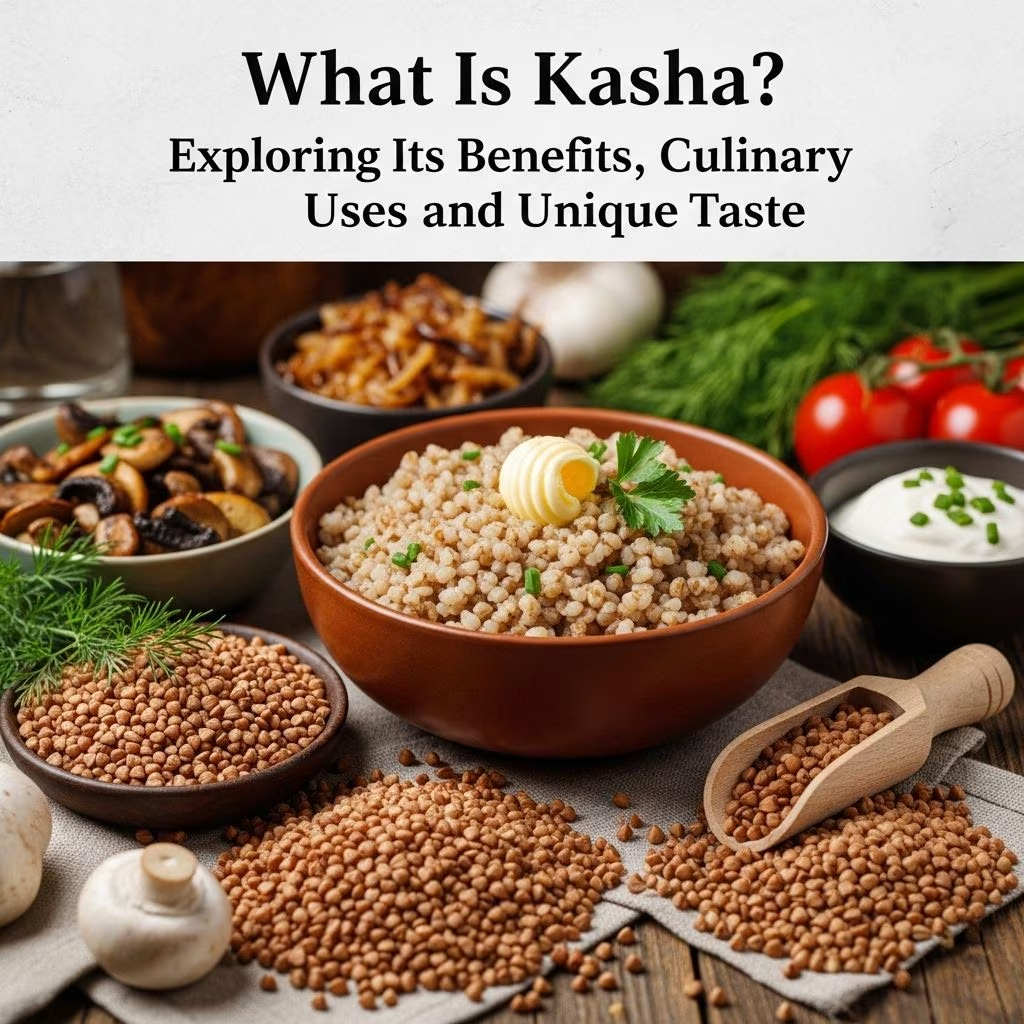
Kasha is a centuries-old staple that combines nutritional excellence with culinary versatility. Often recognized for its unique taste and health benefits, kasha remains a comfort food and reliable grain substitute for modern and traditional cuisines alike. This guide explores kasha’s origins, nutritional profile, health advantages, common culinary uses, and its remarkable flavor.
Introduction to Kasha
Kasha is most commonly known in the English-speaking world as roasted buckwheat groats, though in Slavic countries the term refers more broadly to any cooked grain or porridge. It is naturally gluten-free, boasting a distinct nutty flavor and a long history in Eastern European and Jewish cuisines. Its versatility and nutritional richness have revived interest among contemporary cooks and health-conscious eaters.
Origin and Cultural Significance
Kasha’s heritage stretches across geography and culture:
- Eastern European Roots: The word ‘kasha’ comes from Slavic languages, where it denotes various porridges made from grains like millet, barley, oats, or buckwheat. In Russia, Ukraine, and Poland, it is an everyday dish, woven into the fabric of national and family traditions.
- Ashkenazi Jewish Cuisine: Among Ashkenazi Jews, kasha primarily means buckwheat groats. It’s central to classic dishes like kasha varnishkes (kasha with bowtie noodles) and is a favored filler in knishes.
- Global Versatility: While buckwheat-based kasha is most famous, Czech, Lithuanian, Belarusian, and other cuisines feature their own kasha variations using local grains.
What Is Kasha? Key Characteristics
Technically, kasha is roasted buckwheat groats – whole buckwheat seeds hulled and gently toasted to enhance flavor. Despite the name, buckwheat is not a wheat but a “pseudocereal” (a seed used like a grain), making kasha distinct in its botanical profile.
- Appearance: Small, dark brown or tan wedge-shaped groats with a glossy surface when roasted.
- Name Confusion: The term “kasha” is often misunderstood in the West, where it refers primarily to buckwheat. In its native regions, it can indicate porridge from any grain.
- Gluten-Free: Naturally free of gluten, making it suitable for celiac and gluten-sensitive individuals if processed properly.
- Minimal Processing: Kasha is typically roasted but not otherwise refined, preserving most of its nutrients and fiber.
Buckwheat: The Plant Behind Kasha
Despite its name, buckwheat (Fagopyrum esculentum) isn’t related to wheat or other true grains. It is a seed of a flowering Eurasian plant, grown for its edible groats. Buckwheat was a vital crop in ancient Russia, China, and Japan, often sown in summer and harvested in early autumn.
Nutritional Benefits of Kasha
Kasha stands out nutritionally, offering a powerful bouquet of macro- and micronutrients with several scientifically supported health benefits.
- Complex Carbohydrates: Provides steady energy thanks to slow-releasing carbs, making it a popular breakfast or side dish.
- High in Fiber: Enhances satiety, supports digestive health, and may help regulate blood sugar levels.
- Plant-Based Protein: Each serving supplies a moderate amount of protein, including all essential amino acids.
- Essential Minerals: Particularly rich in magnesium (supports muscle and nerve function), iron (aids oxygen transport), phosphorus, and potassium.
- Vitamins: Notably contains B vitamins (like niacin and riboflavin) important for energy metabolism.
- Antioxidants: Includes rutin, quercetin, and other plant compounds associated with anti-inflammatory and vascular health benefits.
- Low in Calories: About 150 calories per cooked serving.
Nutritional Table (per 100 grams, cooked)
| Component | Amount |
|---|---|
| Energy | 101 kcal |
| Carbohydrates | 21 g |
| Dietary Fiber | 2.7 g |
| Protein | 3.4 g |
| Fat | 0.6 g |
| Iron | 0.8 mg |
| Magnesium | 51 mg |
| Potassium | 88 mg |
| Phosphorus | 47 mg |
*Values are approximate and vary with cooking method and product brand.
Health Benefits Overview
- Supports Heart Health: The magnesium and antioxidant content contribute to cardiovascular health and may help lower blood pressure.
- Blood Sugar Regulation: Its low glycemic index and fiber content make it a choice food for managing diabetes risk.
- Digestive Health: Prebiotic fibers in kasha nourish beneficial gut bacteria.
- Weight Management: High fiber and low calorie density promote fullness, reducing total caloric intake.
Culinary Uses and Classic Recipes
Kasha’s versatility is celebrated in a wide array of dishes from simple porridges to complex holiday fare.
Famous Dishes Featuring Kasha
- Kasha Varnishkes: A Jewish-American classic: bowtie pasta tossed with kasha, onions, and sometimes mushrooms. The blend marries pasta’s softness, the kasha’s nutty grain, and the rich aroma of sautéed onions.
- Knishes: Potato or dough dumplings filled with seasoned kasha, onions, and spices often served as street or holiday food.
- Breakfast Porridge: In Russia, Poland, and Ukraine, kasha is boiled into a thick porridge with milk or water, served sweet (with honey or fruit) or savory (with butter, salt, or herbs).
- Side Dishes: Plain cooked kasha is a popular side, much like rice or potatoes—often served under a ladle of gravy or alongside roasted meats and vegetables.
- Baked Casseroles and Stuffings: Sometimes mixed with vegetables, eggs, and cheese for hearty vegetarian meals.
Innovative and Modern Uses
- Salads: Chilled, cooked kasha mixed with fresh veggies, herbs, and vinaigrettes for a protein-rich grain salad.
- Soups: Added to broths for texture and nutrients.
- As a crust or binder: Used in veggie burgers, casseroles, and savory pies.
- Gluten-Free Baking: Buckwheat flour (ground from groats) features in pancakes, quick breads, and muffins.
Taste Profile and Texture
Kasha is renowned for its nutty, earthy, and slightly toasted flavor that sets it apart from blander grains. When cooked properly, the grains remain distinct, with a tender but pleasantly chewy texture. Some describe the taste as “almost nut-like,” while others note a slight bitterness (especially if over-roasted), which balances well with sweet or savory add-ins.
- Straight kasha: Rich, full-bodied, with a background earthiness.
- Paired with onions or mushrooms: Gains depth and umami complexity.
- With dairy or nuts: Mellowed and creamy.
For those unaccustomed to hearty grains, kasha’s taste may be “an acquired one,” but it often becomes a favorite among regular eaters.
How to Prepare and Cook Kasha
Kasha’s preparation is straightforward, with key steps to ensure optimal flavor and texture:
- Beat one egg per cup of kasha (optional for grain separation).
- Coat raw buckwheat groats with the beaten egg.
- Toast mixture in a dry skillet until groats are separate and aromatic.
- Add liquid (usually 2 cups broth/water per cup of kasha). Pour slowly, as the hot pan may cause vigorous bubbling.
- Cover and simmer on low for 20–25 minutes until all the liquid is absorbed and the groats are tender.
- Add sautéed onions, mushrooms, or other preferred flavors for variation.
For a simpler approach, skip the egg and toast plain kasha before simmering. The result is a dish with separated, chewy grains perfect for salads or pilafs.
Dietary and Allergen Information
- Gluten-Free: Authentic kasha is naturally gluten-free, making it a safe alternative to wheat-based grains. However, always check for cross-contamination in processing facilities.
- Low Allergenicity: Buckwheat allergies are rare but possible. Individuals with severe seed allergies should use caution.
- Suitable for: Vegan, vegetarian, and omnivorous diets. Major ingredient in many plant-based dishes.
Varieties and Buying Guide
- Whole Kasha: Groats are intact and provide a heartier, toothsome bite. Best for salads or side dishes.
- Medium or Fine Kasha: Groats are broken. These cook faster and produce a creamier, porridge-like texture.
- Buckwheat Flour: Fine-milled and used in baking or as a thickener.
Look for kasha in the natural foods or grains section. Some brands follow kosher guidelines for stricter gluten control. Stored in a cool, dry place, kasha keeps well for months; refrigerate or freeze for longer shelf life.
Frequently Asked Questions (FAQs)
Q: Is kasha the same as buckwheat?
A: In English, kasha usually refers to roasted buckwheat groats, but in many Slavic languages, ‘kasha’ can refer to porridge or dishes made from many different types of grains.
Q: Is kasha safe for people with celiac disease or gluten intolerance?
A: Yes, kasha is naturally gluten-free. However, always check packaging for potential cross-contamination with wheat during processing.
Q: How is kasha traditionally eaten?
A: Kasha can be served as a breakfast porridge, a side dish with butter or gravy, as a filling for knishes, or as the star in dishes like kasha varnishkes with pasta and onions.
Q: Does kasha taste like wheat or rice?
A: No. Kasha has a distinct nutty, earthy, and roasted flavor which is bolder than wheat or rice and brings extra depth to both sweet and savory recipes.
Q: How long does it take to cook kasha?
A: Most kasha dishes cook in about 20–25 minutes, with only minimal preparation time needed.
Q: Can I use kasha in gluten-free baking?
A: Yes, buckwheat flour from roasted groats can be used in pancakes, breads, muffins, and as a thickener in gluten-free recipes.
Q: Is kasha good for weight loss?
A: Due to its high fiber, low calorie density, and ability to promote satiety, kasha is a supportive food for healthy weight loss plans.
Conclusion
Kasha, or roasted buckwheat groats, is more than a humble grain substitute—it is a nutrient-rich, deeply rooted element of food cultures from Russia to New York. With its nutty flavor, adaptability in the kitchen, and notable health benefits, kasha continues to earn its place in both comfort food traditions and contemporary healthy diets. Whether enjoyed as a creamy porridge or in savory classics like kasha varnishkes, this ancient seed has proven its worth as both comfort and powerhouse nourishment.
References
- https://aish.com/kasha-the-grain-like-seed-thats-both-comfort-food-and-comfortably-healthy/
- https://en.wikipedia.org/wiki/Kasha
- https://www.inhabitedkitchen.com/grandmas-grain-buckwheat-kasha/
- https://www.coloradograinchain.com/blog/326c5f42-fd87-4f38-b26e-7b841e700939
- https://mytravelmosaic.com/food-travel/kasha/
- https://dictionary.cambridge.org/us/dictionary/english/kasha


