


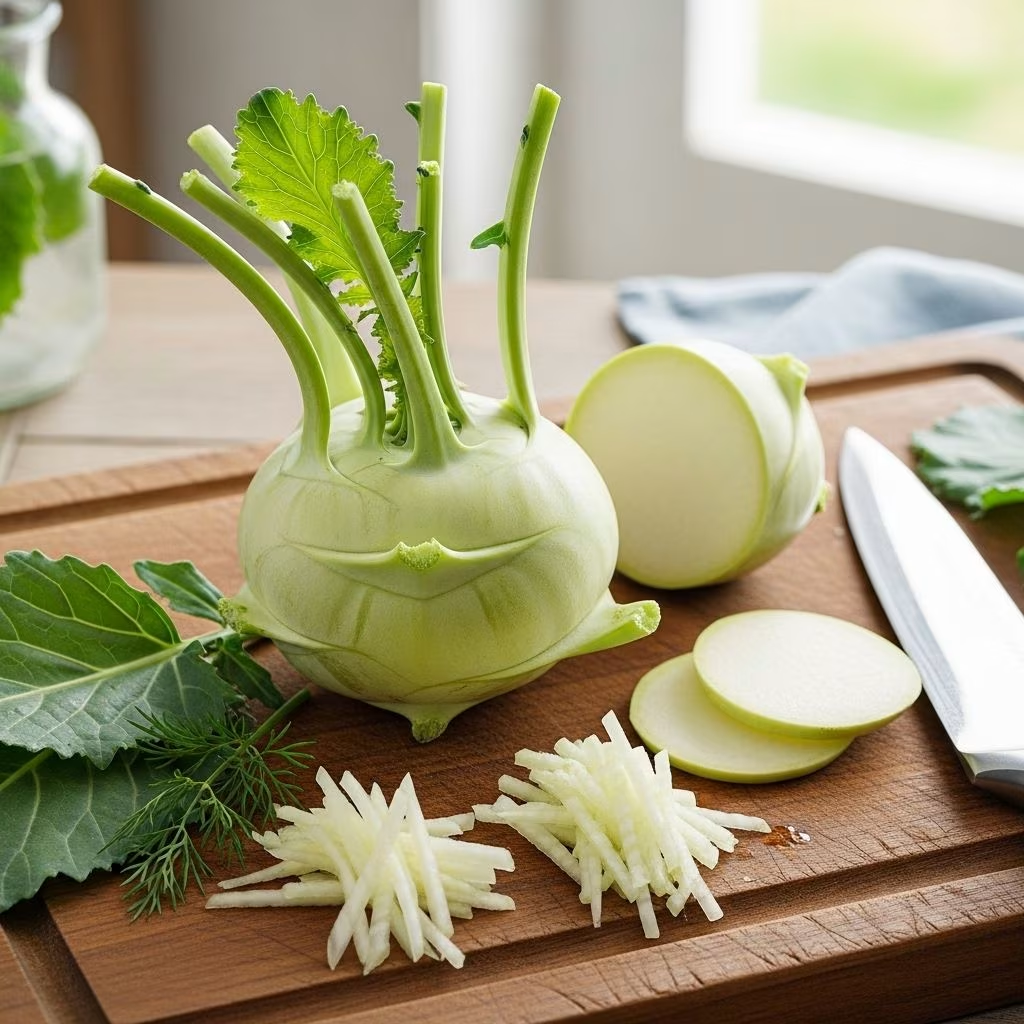
Kohlrabi is a lesser-known but increasingly popular vegetable that offers a unique combination of flavor, texture, and nutrition. This guide covers everything you need to know about kohlrabi, from its origins and healthy attributes to the best ways to prepare and enjoy it in your kitchen.
What Is Kohlrabi?
Kohlrabi, often called German turnip or turnip cabbage, is a cruciferous vegetable that belongs to the Brassica oleracea species, making it a close relative of cabbage, broccoli, cauliflower, and kale. Despite its name, kohlrabi is not a root vegetable like a turnip; instead, the edible part is a modified, swollen stem that grows above ground, giving it a distinctive bulbous shape with spiky leaves sprouting outward.
The name kohlrabi comes from German—kohl meaning “cabbage” and rabe or rabi meaning “turnip”—reflecting its appearance and mild, cabbage-like flavor. Kohlrabi comes in green, white, and purple varieties, but all share the same pale, crisp, yellow-white flesh inside.
Nutritional Benefits
Kohlrabi is a nutrient-packed vegetable, offering a range of health benefits:
- High in Vitamin C: One cup of kohlrabi provides about 93% of the daily value for vitamin C, helping support immune function and skin health.
- Rich in Fiber: It is a good source of dietary fiber, promoting digestive health and helping to maintain healthy cholesterol levels.
- Provides Essential Minerals: Kohlrabi contains potassium, phosphorus, and manganese, which are important for heart health, bone strength, and metabolism.
- Low in Calories and Fat: It is a low-calorie, fat-free vegetable, making it a healthy addition to weight management diets.
- Packed with Antioxidants: As a cruciferous vegetable, kohlrabi contains antioxidants that help combat oxidative stress and inflammation in the body.
Nutritional Content Table
| Nutrient | Amount per 1 cup (135g) |
|---|---|
| Calories | 36 |
| Vitamin C | 84 mg (93% DV) |
| Dietary Fiber | 5 g |
| Potassium | 473 mg |
| Vitamin B6 | 0.2 mg (15% DV) |
Culinary Uses
Kohlrabi is a versatile vegetable that can be enjoyed both raw and cooked. Both the bulb and the leaves are edible, offering different textures and flavors.
Eating Raw
The bulb can be peeled, sliced, or grated and added to salads for a crunchy, slightly sweet, and mildly peppery bite. It pairs well with citrus, apples, nuts, and creamy dressings.
Cooking Methods
- Roasting: Cut into wedges or cubes, toss with oil, salt, and spices, and roast until tender. The flavor becomes sweeter and more mellow.
- Sautéing or Stir-Frying: Slice thinly and cook quickly in a pan with garlic, ginger, or other aromatics for a crisp-tender side dish.
- Steaming or Boiling: Steam or boil kohlrabi until just tender, then finish with butter and herbs for a simple side.
- Soups and Stews: Add diced kohlrabi to soups and stews for extra nutrition and texture. The leaves can be used in place of kale or collard greens.
Leafy Greens
The leaves and stems of kohlrabi are edible and can be cooked like collard greens or added to stir-fries and soups for additional greens in your meal.
Popular Dishes Featuring Kohlrabi
- Kohlrabi and apple slaw
- Roasted kohlrabi with herbs
- Kohlrabi fries
- Kohlrabi and potato mash
- Stir-fried kohlrabi and greens
Taste and Texture
Kohlrabi is prized for its crisp, juicy texture, similar to broccoli stems or cabbage heart but milder and sweeter. The flavor is often described as a delicate blend of mild cabbage, sweet turnip, and a hint of pepperiness, with none of the bitterness sometimes found in other cruciferous vegetables. The leaves taste similar to kale or collard greens, with a slightly earthy, vegetable-forward profile.
Both green and purple kohlrabi varieties have the same taste and texture inside, regardless of their outer color. Smaller bulbs tend to be more tender and flavorful, while larger bulbs can become woody and fibrous if left too long before harvest.
How to Select and Store Kohlrabi
When shopping for kohlrabi, look for bulbs that are firm, heavy for their size, and free from cracks or soft spots. If the stems and leaves are attached, the leaves should be vibrant and crisp, not yellowed or wilted. Smaller bulbs (about 2–3 inches in diameter) generally offer the best flavor and texture.
- Storing Bulbs: Remove the leaves and store the bulb in a plastic bag in the refrigerator crisper drawer. It will keep for several weeks.
- Storing Leaves: Use the leaves within a few days for best quality. Store them separately from the bulb, wrapped in a damp paper towel inside a plastic bag.
Growing Kohlrabi at Home
Kohlrabi is a cool-weather crop, thriving in spring and fall. It is relatively easy to grow, maturing quickly and producing multiple harvests in a single season.
- Planting: Sow seeds directly in the garden or start seedlings indoors for transplanting. Space plants about 4–6 inches apart.
- Care: Water regularly and keep the soil moist but not soggy. Avoid planting near other brassicas to minimize pest problems.
- Harvesting: Harvest when bulbs are 2–3 inches in diameter for the best flavor and tenderness—usually about 55–60 days after planting. Young leaves can also be harvested as microgreens.
- Varieties: Popular varieties include ‘White Vienna’ (green), ‘Kolibri’ (purple/red), and ‘Terek’ (green).
Frequently Asked Questions (FAQs)
Is kohlrabi a root vegetable?
No, kohlrabi is not a root vegetable. The edible part is a modified stem that grows above ground.
Can you eat kohlrabi raw?
Yes, kohlrabi can be eaten raw. It is often sliced, grated, or diced for salads and slaws, offering a crisp, mildly sweet flavor.
Are kohlrabi leaves edible?
Yes, the leaves are edible and can be cooked like other leafy greens such as kale or collard greens.
How do you cook kohlrabi?
Kohlrabi can be roasted, sautéed, steamed, boiled, or added to soups and stews. Both the bulb and leaves are versatile in the kitchen.
What does kohlrabi taste like?
Kohlrabi has a mild, slightly sweet, and peppery flavor, similar to a cross between cabbage and turnip, with a crisp, juicy texture.
Where can I buy kohlrabi?
Kohlrabi is often available at farmers markets, large grocery stores, and through community-supported agriculture (CSA) shares, especially in fall, winter, and early spring.
Is kohlrabi good for you?
Yes, kohlrabi is highly nutritious, being rich in vitamin C, fiber, potassium, and antioxidants, while low in calories and fat.
Final Thoughts
Kohlrabi may look unusual, but its mild flavor, crisp texture, and nutritional benefits make it a standout vegetable for both everyday meals and adventurous cooking. Whether you enjoy it raw in salads or cooked in hearty dishes, kohlrabi is a versatile and healthy addition to any diet.
With a little creativity, kohlrabi can transform your meals, adding both nutrition and a touch of unique flavor that sets it apart from more common vegetables.
References
- https://www.healthline.com/nutrition/kohlrabi
- https://gardeningsolutions.ifas.ufl.edu/plants/edibles/vegetables/kohlrabi/
- https://en.wikipedia.org/wiki/Kohlrabi
- https://www.lakewinds.coop/blog/what-is-kohlrabi/
- https://www.thelandconnection.org/blog/kohlrabi-the-weirdest-looking-vegetable/
- https://www.missouribotanicalgarden.org/PlantFinder/PlantFinderDetails.aspx?taxonid=257407&isprofile=1&basic=brassica+oleracea
- https://highlandorchardsfarmmarket.com/what-is-kohlrabi/
- https://green-connect.com.au/produce/kohlrabi/
- https://www.pslainc.com/california-kohlrabi-the-versatile-veggie-you-need-to-try/


