


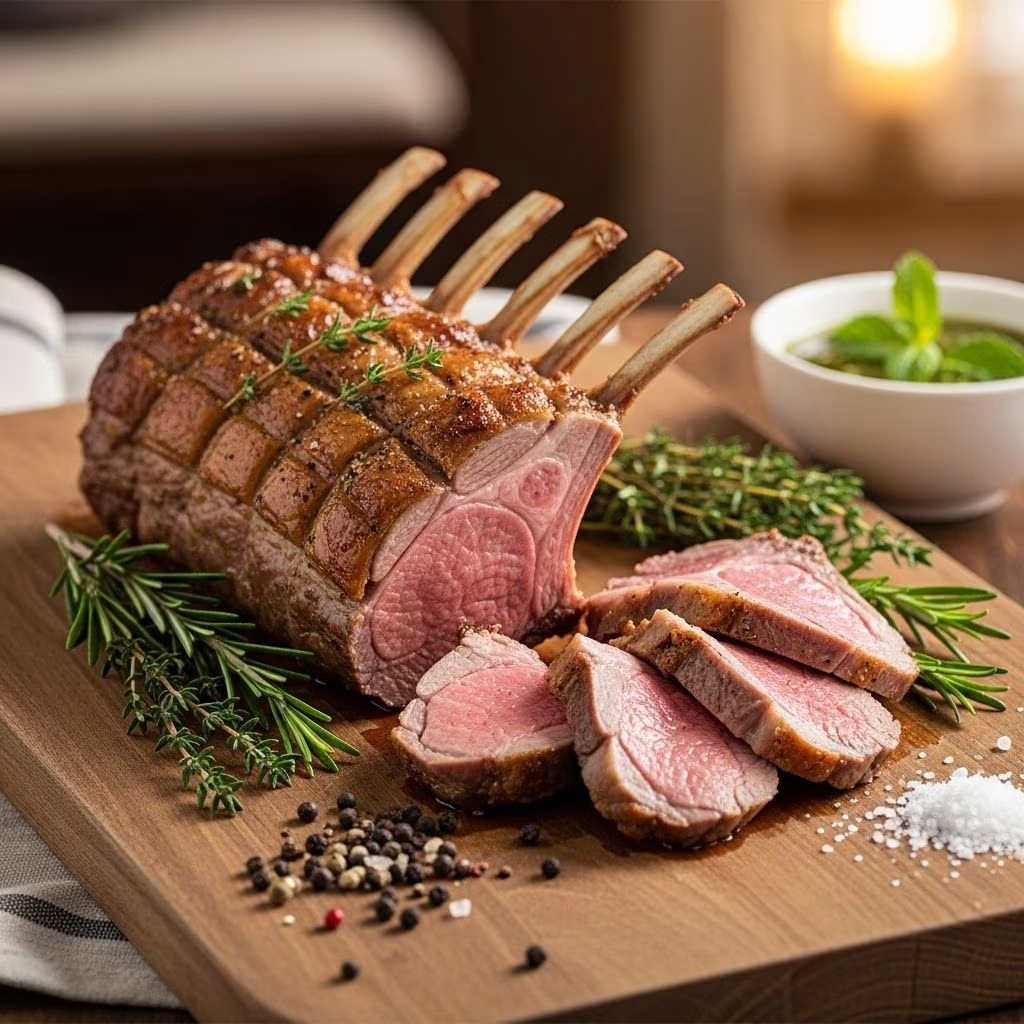
Lamb, a cherished ingredient in many global cuisines, is renowned for its delicate flavor, nutritional richness, and culinary versatility. This comprehensive guide explores what lamb is, its health and nutritional benefits, its many uses in cooking, and what makes its taste unique and appealing. Whether you are a curious consumer, health enthusiast, or culinary explorer, this article delivers an in-depth look at lamb from farm to table.
What Is Lamb?
Lamb is the meat harvested from young domestic sheep (Ovis aries), typically less than one year old. Lamb is prized for its tenderness, mild flavor, and adaptability in cooking. The age at which lamb is slaughtered is significant—most lambs enter the market at about 6 to 8 months of age, weighing around 140 pounds and yielding approximately 46 to 49 pounds of edible lean meat.
- Spring Lamb: This term on retail labels means the lamb was slaughtered between March and October, but lamb is now available year-round thanks to modern animal husbandry.
- Raising Methods: Lambs are initially nursed by their mothers, then gradually transition to a diet that includes pasture, grains (corn, barley, milo, wheat), hay, and supplements. Lamb may be grain-finished in feedlots or grass-finished, affecting the meat’s flavor and fat profile.
Inspection and Grading: All lamb meat sold in retail stores in the U.S. is inspected for wholesomeness by the USDA or equivalent state agencies. It may also be graded for quality (Prime, Choice, Good), which reflects traits like tenderness and juiciness.
Lamb vs. Mutton: Key Differences
The distinction between lamb and mutton is fundamental to understanding meat quality and culinary applications:
| Attribute | Lamb | Mutton |
|---|---|---|
| Source | Young sheep (under 1 year) | Older sheep (2–3 years or more) |
| Tenderness | Very tender | Tougher, more fibrous |
| Flavor | Mild, delicate | Stronger, gamier, richer |
| Meat Color | Lighter pink-red | Darker red-brown |
| Bones | Smaller, more delicate | Thicker, denser |
| Fat Content | Lower | Higher |
| Common Cuts | Loin, leg, rack, shank, shoulder | Mainly ground, stew, processed |
Lamb is preferred for its tenderness and mild taste, making it ideal for a wide range of recipes, while mutton is less common in Western cuisines but valued in some cultures for its intense flavor.
Nutritional Profile and Health Benefits of Lamb
Nutrition Facts
Lamb offers an impressive nutrient profile, making it a healthy choice when consumed in moderation:
- High-quality protein: A 3.5-ounce (100-gram) serving of roasted lamb contains ~25.6 grams of protein, providing all essential amino acids.
- Rich in vitamins and minerals: Lamb is a notable source of iron, zinc, vitamin B12, niacin, selenium, and phosphorus.
- Fat: The same serving offers ~16.5 grams of fat (mainly saturated and monounsaturated), with lamb containing slightly more saturated fat than beef or pork.
- Conjugated linoleic acid (CLA): Lamb holds exceptionally high levels of CLA, a ruminant trans fat linked to potential health benefits including reduced body fat.
| Nutrient (per 100g) | Amount |
|---|---|
| Calories | 258 |
| Water | 57% |
| Protein | 25.6g |
| Fat (Total) | 16.5g |
| Carbohydrates | 0g |
| Iron | 1.9mg |
| Zinc | 4.8mg |
| Vitamin B12 | 2.2mcg |
Top Health Benefits
- Supports Muscle Growth and Repair: The complete protein content aids in building and repairing body tissues, particularly beneficial for athletes and those recovering from illness.
- Prevents Anemia: Lamb is a potent source of heme iron, vital in forming red blood cells and preventing iron-deficiency anemia, especially important for children and menstruating women.
- Boosts Immune Function: Zinc and selenium in lamb support a healthy immune system and metabolic processes.
- Promotes Healthy Nerve Function: Vitamin B12 is crucial for the nervous system and energy metabolism.
- Potential Fat Loss Benefits: CLA found in lamb has been associated with reduced body fat mass in some studies, though very high supplemental intake may carry risks.
Considerations
- Lamb contains saturated fats; moderation is important for cardiovascular health.
- Choosing organic, grass-fed lamb may offer slightly better nutrient profiles and avoid antibiotics and hormones.
Culinary Uses: Cuts, Cooking Methods, and Popular Dishes
Lamb is versatile in the kitchen, offering cuts suitable for roasting, grilling, braising, and stewing. Organic, pasture-raised, and grain-finished lamb may each impart different textures and flavors.
Popular Lamb Cuts
- Lamb Leg: Excellent for roasting, carving, or making kabobs.
- Loin Chop: Tender, lean, ideal for grilling or pan-searing.
- Rack of Lamb: A showstopping cut for roasting with herbs.
- Lamb Shoulder: Good for slow cooking, stews, or braising—becomes very tender.
- Lamb Shank: Braised until fork-tender, rich in flavor.
- Ground Lamb: Used in burgers, meatballs, shepherd’s pie, and sausage.
Cooking Methods
- Roasting: Suitable for whole legs, racks, and shoulders; often seasoned with garlic, rosemary, or mint.
- Grilling: Loin chops and kabobs benefit from quick, high heat.
- Braising: Collagen-rich cuts like shank and shoulder become tender and flavorful with long, slow cooking.
- Sautéing and Stir-Frying: Thin cuts or strips used in quick-cook dishes.
International Lamb Dishes
- Roast Lamb: Classic Western Sunday roast.
- Tagine: North African spiced lamb stew.
- Kebabs: Skewered and grilled, popular in Mediterranean, Middle Eastern, and Asian cuisines.
- Moussaka: Greek baked lamb and eggplant casserole.
- Biryani: Indian spice-infused lamb and rice.
Chefs and home cooks value lamb for its capacity to pair with robust herbs (rosemary, thyme, mint), spices (cumin, coriander, cinnamon), and sweet or acidic flavors (fruits, tomato, lemon).
Taste Profile: What Does Lamb Taste Like?
Lamb’s taste is distinguished by its mild, delicate, and slightly sweet flavor, especially compared to mutton’s fuller, gamey notes. Its tenderness makes it easy to chew and palatable to a wide audience.
- Texture: Soft and tender, rarely coarse if the lamb is young and properly cooked.
- Flavor: Earthy notes, light sweetness, subtle grassy undertones remain if grass-fed.
- Mildness: Lamb’s flavor is milder than beef, pork, or especially mutton, which is why many prefer its subtleness in diverse dishes.
Cuts like the loin, rack, and leg are prized for tenderness, while shoulder and shank develop richer flavors when slow-cooked.
Buying, Storing, and Safety Tips
Buying Tips
- Look for pale pink meat with fine-grained texture and creamy-white fat.
- Labels may indicate grass-fed, organic, or spring lamb—denoting quality and feeding practices.
- Choose USDA-inspected and, if preferred, graded cuts (Prime, Choice, Good) for high tenderness and quality.
Proper Storage
- Refrigerate fresh lamb at or below 40°F (4°C), using within 3–5 days.
- Freeze for longer storage; tightly wrap to avoid freezer burn.
- Defrost in the refrigerator or under cold water; avoid room-temperature thawing for safety.
Cooking Safety
- Cook lamb cuts to an internal temperature of at least 145°F (63°C) for safe consumption.
- Allow meat to rest before carving (resting distributes juices and improves tenderness).
Sustainability and Ethical Considerations
- Grass-fed and pasture-raised lamb production is generally more environmentally friendly, but all large-scale animal farming has a carbon footprint.
- Choose local sources or certified humane producers where possible to support animal welfare.
Frequently Asked Questions (FAQs)
Q: What is the difference between lamb and mutton?
A: Lamb is meat from sheep under one year old, prized for tenderness and mild flavor. Mutton is from older sheep (usually over 2 years), tougher and more strongly flavored.
Q: Is lamb nutritious?
A: Yes, lamb is a high-quality source of complete protein, iron, zinc, and vitamin B12. Its nutrient density supports muscle growth, immune health, and anemia prevention.
Q: What are the healthiest ways to cook lamb?
A: Grilling, roasting, and braising with minimal added fats are healthful methods. Trim visible fat and pair lamb with vegetables or legumes for balanced meals.
Q: Is lamb safe for children and pregnant women?
A: Properly cooked, lean lamb is safe for most people, including children and pregnant women, and can improve iron and protein intake. Always practice proper food safety and hygiene.
Q: How do I choose the best lamb at the store?
A: Select lamb with a fine texture, pale pink color, and creamy-white fat. Look for USDA inspection and quality grading for assurance of safety and tenderness.
Q: Does lamb contain carbohydrates?
A: No, lamb is pure protein and fat; it contains no carbohydrates unless cooked with starches or sauces.
Q: Are there cultural or regional preferences for lamb?
A: Lamb is integral to Middle Eastern, Mediterranean, South Asian, and some European cuisines, often prepared in traditional stews, grills, and roasts.
Conclusion
Lamb meat occupies a special place in both nutrition and world cuisine. Its mild, distinctive flavor; nutrient density; tenderness; and versatile culinary applications make it a sought-after ingredient across many cultures. When consumed in moderation and sourced sustainably, lamb can be an excellent choice for balanced, flavorful, and healthful meals.
References
- https://rhea.tennessee.edu/wp-content/uploads/sites/145/2020/12/Lamb_from_Farm_to_Table.pdf
- https://truorganicbeef.com/blogs/beef-wiki/difference-between-lamb-and-mutton
- https://www.healthline.com/nutrition/foods/lamb
- https://thehumaneleague.org/article/lamb-meat
- https://en.wikipedia.org/wiki/Lamb_and_mutton
- https://www.britannica.com/animal/lamb-young-sheep
- http://hfoods.com.sg/lamb-vs-mutton-whats-the-difference/
- http://inspection.canada.ca/en/food-labels/labelling/industry/meat-and-poultry-products/meat-cuts/lamb


