


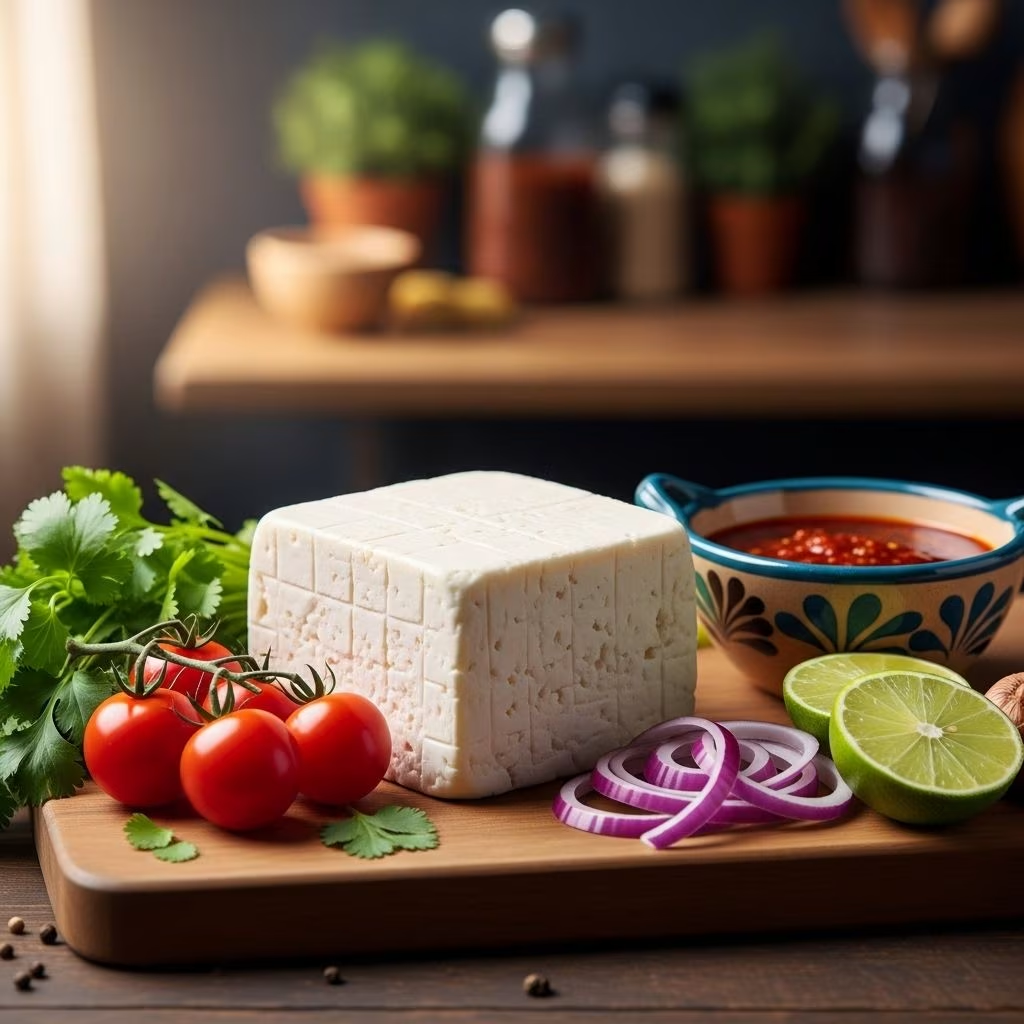
Queso fresco—Spanish for “fresh cheese”—is a pillar of Mexican cuisine and Latin American kitchens. This mild, crumbly cheese offers more than flavor; it’s rooted in centuries-old tradition, boosts nutrition, and adapts to countless contemporary and classic dishes alike. Delve deep into queso fresco’s story, discover its health perks, experience its delicate flavors, and learn why it’s beloved far beyond its country of origin.
What Is Queso Fresco?
Queso fresco is a fresh, unaged Latin American cheese, traditionally made from cow’s milk or a blend of cow and goat’s milk. Its name translates directly as “fresh cheese.” Lightly pressed, moist, and usually snow-white, this cheese shines for its mild flavor, gently tangy notes, and easy crumbling. Unlike aged cheeses such as cheddar or Parmesan, queso fresco is ready to eat within days of being made and never undergoes a maturing process.
This cheese is a staple across Mexico, Central America, and many parts of the United States. It is used as a topping, filling, and garnish in favorites from enchiladas and tacos to salads and soups.
Origins and History of Queso Fresco
Queso fresco emerged in Mexico in the 1800s, during an age without refrigeration or sophisticated cheese aging techniques. Historically, the methods were influenced by Spanish colonizers who introduced cheesemaking in the late 16th century, but it was after Mexico’s independence in 1821 that the tradition of making fresh, simple cheeses really prospered.
This humble farmer’s cheese was an answer to the need for dairy products that were safe to consume quickly, without long storage. Even today, queso fresco is recognized for its direct connection to rural, family-run cheesemaking and artisanal techniques.
Key milestones:
- Spanish Influence (16th-18th Century): Cheesemaking arrived in Mexico through Spanish settlers.
- Mexican Independence (1821): Wider access and acceptance of fresh, cow’s-milk cheeses; queso fresco becomes a household staple.
- Modern Production: Now produced worldwide, including the United States, both by artisans and commercial dairies.
How Queso Fresco Is Made
Making queso fresco is a simple, time-honored process requiring few ingredients and little equipment. The result is full of flavor and texture, even though it lacks the complexity of aged cheese.
- Ingredients: Traditionally, a blend of raw cow’s milk and/or goat’s milk. Commercially, pasteurized milk is common.
- Curdling: Heated milk is combined with an acid (like vinegar or lemon juice) or rennet to separate curds from whey.
- Pressing: Curd is lightly pressed to remove excess whey, yet it stays moist and soft.
- No Aging: Queso fresco is unaged, allowing for immediate consumption.
The final cheese can be eaten almost immediately but is often refrigerated to firm up slightly and develop a gentle tang.
Homemade Variation: Many choose to craft queso fresco at home, with just milk, vinegar/lemon juice, salt, and basic utensils—a testament to the cheese’s accessibility and popularity among novice cheesemakers.
Nutritional Benefits
Queso fresco packs more than flavor; its nutritional attributes contribute to its widespread use and appreciation in healthy cooking:
- Low in Fat and Calories: Naturally lower in fat than many aged cheeses, especially when made with part-skim milk.
- Protein-Rich: Good natural source of protein, promoting satiety and muscle repair.
- Calcium and Minerals: High calcium content supports bone health. Also supplies potassium and phosphorus.
- Low Lactose: Its production process removes much of the lactose, making it easier to digest for many lactose-sensitive individuals.
- No Additives: Traditional versions use minimal ingredients, containing no preservatives or artificial flavors.
However, as with all cheeses, queso fresco can be moderate to high in sodium, so those on a sodium-restricted diet should use it in moderation. Always check packaging for exact nutrition information.
Taste and Texture
Queso fresco stands out for its unique textural and flavor profile:
- Mild Flavor: Subtly tangy, fresh, and milky; never overpowering.
- Crumbly Texture: Easily breaks apart into delicate, snowy crumbles—perfect for sprinkling.
- Moist, Yet Firm: Soft to the touch; holds its shape but never chalky.
- Not a Melter: Queso fresco softens when heated but does not melt or stretch—unlike mozzarella or cheddar.
| Cheese | Texture | Melting Ability | Flavor |
|---|---|---|---|
| Queso Fresco | Crumbly, moist | Softens but doesn’t melt | Mild, tangy, fresh |
| Feta | Crumbly, firm | Softens; doesn’t fully melt | Sharp, salty |
| Ricotta | Creamy, grainy | Doesn’t melt; stays creamy | Mild, sweet |
| Mozzarella | Elastic, stringy | Excellent melter | Delicate, milky |
Culinary Uses: Classic and Creative
Queso fresco’s adaptability makes it a culinary workhorse. It typically does not melt, making it ideal for sprinkling, crumbling, or folding into both hot and cold dishes.
Classic and inventive ways to use queso fresco include:
- Topping: Enchiladas, tacos, flautas, tostadas, chiles rellenos, soups, and stews.
- Filling: Stuffed chile peppers, quesadillas, tamales, and savory pastries.
- Salads: Adds contrast to green salads, fruit salads, and grain bowls.
- Breakfast: Sprinkled on migas, huevos rancheros, or scrambled eggs.
- Appetizers: Layered on sopes, nachos, or as a garnish for dips.
- Fresh Salsas: Mixed in for a creamy, zesty accent.
- Side Dishes: Crumbled on roasted vegetables, beans, or elotes (Mexican street corn).
- Creative Modern Uses: Try in savory cheesecakes, pizza toppings, or stirred into mashed potatoes or risotto for a bright finish.
Because of its subtle taste, queso fresco enhances dishes without overwhelming other flavors, serving as a bridge between spicy, rich, or acidic ingredients.
How to Buy and Store Queso Fresco
Buying Tips:
- Look for queso fresco in the dairy or specialty cheese section of most supermarkets, Hispanic grocers, or international food markets.
- Choose cheese with a firm yet moist texture and a fresh, dairy aroma—avoid any with excessive liquid or off smells.
- Traditional, artisan versions may be labeled as “queso fresco de campo” or “farm cheese.”
Storing Queso Fresco:
- Keep refrigerated: Fresh, unpasteurized queso fresco should be consumed within a few days. Commercial, pasteurized versions can last 1-2 weeks after opening.
- Store tightly wrapped or in an airtight container to preserve freshness and prevent drying out or absorbing odors.
- Do not freeze: Freezing can disrupt the delicate texture, making the cheese grainy and crumbly.
Queso Fresco vs. Queso Blanco (and Other Cheeses)
Is queso fresco the same as queso blanco? While often used interchangeably in recipes, there are subtle differences:
- Queso Fresco: Usually made with cow’s milk, tangier, slightly richer, and pressed more firmly.
- Queso Blanco: Typically made with pure cow’s milk or sometimes goat’s milk, lighter, and not pressed as much—yielding a higher moisture content and more forgiving texture.
Compared to Other Cheeses:
- Feta: Saltier and sharper than queso fresco, but shares a crumbly nature.
- Ricotta: Creamier, not crumbly, and usually used more in Italian cooking.
- Paneer: A similar texture but more neutral in flavor and used widely in Indian cuisine.
Frequently Asked Questions (FAQs)
Q: Is queso fresco safe to eat during pregnancy?
A: Store-bought, pasteurized queso fresco is generally considered safe. However, traditional, unpasteurized versions should be avoided during pregnancy to prevent risk of listeriosis.
Q: Can you freeze queso fresco?
A: Freezing is not recommended as it disrupts the cheese’s delicate texture, making it grainy and dry when defrosted.
Q: What are the best substitutes for queso fresco?
A: Good substitutes include feta (use less salt), ricotta salata, paneer, or mild goat cheese; flavor and texture may differ but offer similar crumbling qualities.
Q: Does queso fresco melt in the oven or on the stove?
A: No, it does not melt like cheddar or mozzarella. It softens and may brown slightly when baked or grilled, but retains its crumbly texture.
Q: How long does queso fresco last?
A: Homemade or artisanal queso fresco should be eaten within 2-3 days. Pasteurized, commercial versions will last up to 2 weeks refrigerated after opening; always check sell-by dates and freshness indicators.
Q: Is queso fresco lactose-free?
A: While not fully lactose-free, the traditional production process removes much of the lactose, making it more digestible for people with mild lactose intolerance. Always check if sensitive.
Summary: Why Queso Fresco Deserves a Spot in Every Kitchen
Queso fresco captivates with its gentle tang, crumbliness, and versatility—a cheese connected to Mexico’s culture and perfectly suited for today’s kitchens. As a lighter dairy choice, protein boost, and essential ingredient in countless savory dishes, it continues to earn fans around the globe. Whether sprinkled on an authentic enchilada or brightening a summer salad, queso fresco is fresh, inviting, and indispensable for anyone passionate about flavor and health.
References
- https://www.wisconsincheese.com/the-cheese-life/article/136/queso-fresco
- https://www.tastingtable.com/1128535/what-makes-queso-fresco-unique/
- https://muybuenoblog.com/queso-fresco/
- https://keviniscooking.com/what-is-queso-fresco/
- https://fiascofarm.com/dairy/quesofresco.htm
- https://quesada.ca/a-brief-guide-to-mexican-cheeses/
- https://www.fda.gov/food/buy-store-serve-safe-food/queso-fresco-type-cheeses-consumer-guidance
- https://culturesforhealth.com/blogs/recipes/cheese-recipe-queso-fresco


