


Introduction
Salmon roe, often seen sparkling atop sushi rolls or gracing gourmet canapé trays, has enchanted diners globally with its jewel-like appearance and delicate taste. Revered for centuries and known in Japanese cuisine as ikura, these salmon eggs signal a rich tradition of sustainable seafood, nuanced culinary techniques, and cutting-edge nutrition. This article explores what is salmon roe, why it’s celebrated among chefs and health enthusiasts alike, and how you might bring its vibrant flavors into your own kitchen.
What Is Salmon Roe?
Salmon roe refers to the ripe eggs of a salmon, harvested either from wild or farmed specimens and prepared for consumption through gentle salting, curing, or marinating.
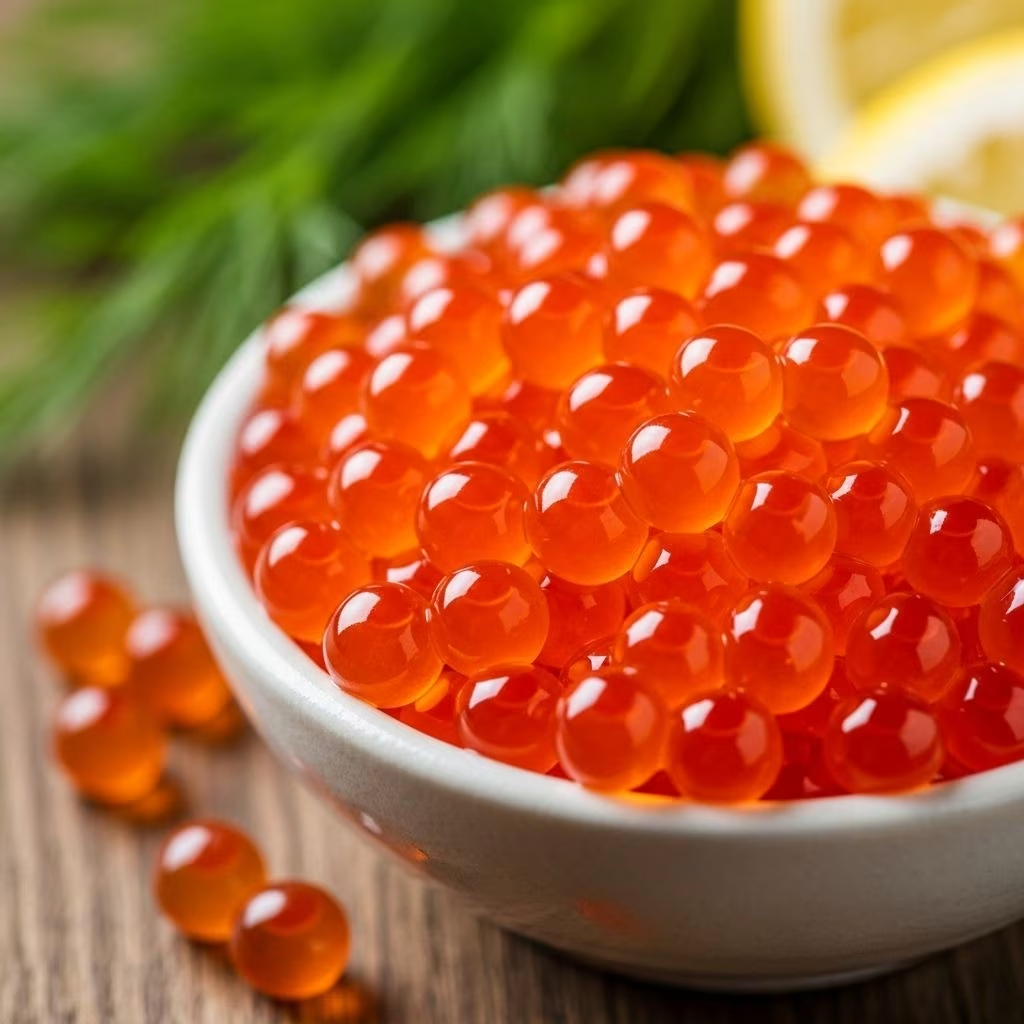
The eggs, also called ikura in Japanese, range from translucent red-orange to yellow-orange spheres and are typically larger than sturgeon caviar pearls.
- Robust, round beads with vibrant coloration.
- Unique “pop” and texture, often described as creamy yet crisp.
- Widely used in Asian, European, and American cuisine.
The harvesting and processing of salmon roe require careful handling to maintain freshness, texture, and flavor integrity. Roe is often lightly salted and sometimes pasteurized to ensure shelf stability and safety.
Salmon Species
- Several species deliver distinct roe: Chinook (King), Coho (Silver), Keta (Chum), Pink, Sockeye, and Atlantic.
- The largest eggs are found in King and Keta salmon, while Sockeye yields smaller, vivid red pearls.
Types and Varieties of Salmon Roe
Not all salmon roe is created equal. Different salmon species offer unique flavor profiles, sizes, and colors.
| Variety | Scientific Name | Color | Size | Texture | Flavor Notes |
|---|---|---|---|---|---|
| Keta (Chum) | Oncorhynchus keta | Deep red to orange | Large | Creamy, pronounced “pop” | Mild, salty, subtle bitterness |
| Pink | Oncorhynchus gorbuscha | Vibrant orange | Medium | Delicate | Sweet, mild |
| King (Chinook) | Oncorhynchus tshawytscha | Orange to deep red | Largest | Soft | Intense, rich |
| Coho (Silver) | Oncorhynchus kisutch | Lighter orange | Small to medium | Firm | Delicate, slightly tangy |
| Sockeye | Oncorhynchus nerka | Intense red | Small | Firm, elastic | Slight bitterness, robust flavor |
| Atlantic | Salmo salar | Light orange | Small | Uniform, consistent | Mild, clean |
- Keta Salmon Roe (Chum/Russian Red): Known for its large, bright beads, mild flavor, and creamy texture. Key ingredient in Japanese cuisine.
- Pink Salmon Roe: Smaller, orange eggs often used to garnish dishes or blend into salads and canapés.
- King Salmon Roe (Chinook): Largest roe, rich and intense in flavor; often considered premium.
- Coho Salmon Roe: Lighter color, firmer texture, delicate flavor; ideal for garnishes.
- Sockeye Salmon Roe: Smallest pearls, vivid red color, and a slightly bitter, robust taste; popular in sushi and sashimi.
- Atlantic Salmon Roe: Raised mainly through aquaculture, light orange “peach pearls” with mild taste; becoming more popular due to sustainability and quality.
Nutritional Benefits of Salmon Roe
Salmon roe is a nutritional powerhouse, combining essential omega-3 fatty acids, vitamins, minerals, and even unique antioxidants.
Key Nutrients
- Omega-3 Fatty Acids (EPA & DHA): Salmon roe is among the richest natural sources—far exceeding most fish—in both eicosapentaenoic acid (EPA) and docosahexaenoic acid (DHA), both crucial for heart, brain, and eye health.
- Protein: A single ounce provides a high-quality protein profile for muscle maintenance and growth.
- Vitamin A: Important for vision, immune support, and cellular growth.
- Vitamin D: Promotes calcium absorption, bone health, and immune regulation.
- B Vitamins: Small amounts of B12, B6, and folate support cell metabolism and energy.
- Calcium: Vital for bone health and overall body functions.
- Astaxanthin: The carotenoid that gives salmon roe its orange-red color is a potent antioxidant, similar to those in brightly colored vegetables.
Health Benefits
- Supports cardiovascular health due to high omega-3 levels.
- Provides antioxidant protection against oxidative stress.
- Essential for cognitive and visual development in infants (when included in maternal diet).
- May promote improved bone density through vitamin D and calcium.
- Contains low calories and virtually no carbohydrates, making it suitable for keto and paleo diets.
Compared to the flesh of salmon, roe offers even higher concentrations of certain nutrients.
Culinary Uses of Salmon Roe
Salmon roe’s versatility is legendary in kitchens worldwide, gracing dishes from Japan to Scandinavia to the Americas.
- Sushi & Sashimi: Salmon roe is most famously seen as a crowning touch on gunkan-maki (warship rolls), and as a topping for nigiri.
- Canapés & Hors d’Oeuvres: Roe atop blinis, toast, or crackers with crème fraîche is a classic “caviar” presentation.
- Salads & Cold Dishes: Adds color, flavor, and texture to composed salads or cold fish plates.
- Pasta & Rice Dishes: Mixed into pasta, risotto, or congee for a burst of briny seafood flavor.
- Traditional Russian & Scandinavian Recipes: Central to Russian zakuski and Scandinavian smorgasbord spreads, often served with dill and sour cream.
- Fusion & Modern Cuisine: Used as a garnish for seafood ceviche, tartare, or even scrambled eggs.
Its vibrant color, “popping” texture, and savory-sweet flavor make it an iconic ingredient for chefs aiming to visually and gastronomically elevate a dish.
Storage and Preparation
- Always store roe refrigerated, ideally between 28°F and 32°F.
- Jarred roe (pasteurized) lasts longer, while fresh roe should be consumed within days.
- Use non-metallic utensils to preserve delicate taste and texture.
- Rinse lightly before use to remove excess salt, if desired.
Taste Profile: What Does Salmon Roe Taste Like?
The flavor of salmon roe is considered distinctive: a compelling mix of saltiness, marine sweetness, and underlying bitterness.
- Salty: With a level of brine similar to other caviar, but often softer.
- Umami: Prominent savory notes mean it pairs well with cheeses, sour cream, and delicate proteins.
- Slightly fishy: Less pronounced than sturgeon caviar; some describe a “fresh sea” aroma.
- Bitter undertone: Especially notable in sockeye and certain wild types.
- Sweetness: Particularly in pink and king salmon roe, balanced by a creamy aftertaste.
Texture is central to the experience. Expect a satisfying “pop” followed by a creamy, smooth finish as eggs burst in the mouth.
How to Serve and Enjoy Salmon Roe
Serving salmon roe requires attention to freshness, temperature, and presentation:
- Chill before serving—never freeze, as ice crystals can rupture delicate eggs.
- Pair with neutral foods (light breads, boiled potatoes) to let roe flavor shine.
- Traditional Japanese approach: serve over short-grain rice with nori and wasabi.
- Western style: atop blinis, crackers, or toast with crème fraîche or sour cream.
- Add a small spoonful as a garnish to seafood pasta or risotto after cooking.
- Balance strong flavors (egg yolk, mayonnaise, lemon) for elegant canapés or appetizers.
- Enjoy with sparkling wine, sake, ice-chilled vodka, or crisp white wine for ideal pairing.
Avoid metal spoons, which can impart a metallic taste—use mother-of-pearl or plastic.
Sample Serving Ideas
- Sushi Ikura Nigiri: Ball of sushi rice topped with a generous mound of salmon roe.
- Blinis With Roe: Small pancakes with crème fraîche, roe, and chives.
- Salmon Roe Pasta: Fresh fettuccine tossed in butter with roe and lemon zest.
- Scandinavian Toast: Rye bread, butter, boiled egg, dill, and roe.
- Salmon Roe Canapés: Cucumber slices with roe and a dollop of wasabi or lemon sour cream.
Frequently Asked Questions (FAQs)
Q: Is salmon roe safe to eat raw?
Yes, provided it is handled and stored safely, salmon roe is commonly consumed raw in sushi and sashimi. Fresh roe should be refrigerated and consumed promptly to minimize bacterial risk.
Q: Is salmon roe sustainable?
Responsible producers rely on aquaculture and monitored harvesting of wild salmon to protect stocks and ecosystems. Atlantic salmon roe is gaining popularity due to reliable, sustainable supply.
Q: Can people with fish allergies eat salmon roe?
Salmon roe is derived from fish and should be avoided by those with fish allergies.
Q: How does salmon roe differ from sturgeon caviar?
Sturgeon caviar is made from sturgeon eggs, which are smaller, black or gray, and have a milder, buttery flavor. Salmon roe (ikura) is larger, red-orange, with a bolder taste and firmer texture.
Q: How much does salmon roe cost?
Prices range broadly—from $20 to $150 per jar—based on species, quality, and rarity, with King and Atlantic being among the most expensive.
Conclusion
Salmon roe—ikura—is far more than a lavish sushi topping; it’s a symbol of healthy, sustainable seafood, rich in color and taste. With diverse varieties and nuances, it appeals to those seeking both nutritional value and indulgent flavor. As knowledge and appreciation grow, salmon roe is increasingly a staple for chefs, home cooks, and wellness advocates worldwide.
References
- https://imperiacaviar.com/blogs/blog/salmon-roe
- https://caviarspherika.com/en/blogs/blogs/types-of-salmon-roe-varieties-and-characteristics
- https://www.uaf.edu/ces/publications/database/food/files/pdfs/FNH-00130_Salmon_Roe_Caviar.pdf
- https://caviarstar.com/blog/caviar-vs-roe-what-is-the-difference-between-roe-and-caviar/
- https://imperiacaviar.com/blogs/blog/what-is-ikura-and-how-it-is-used
- https://www.seafoodsoftheworld.com/product/salmon-roe/


