


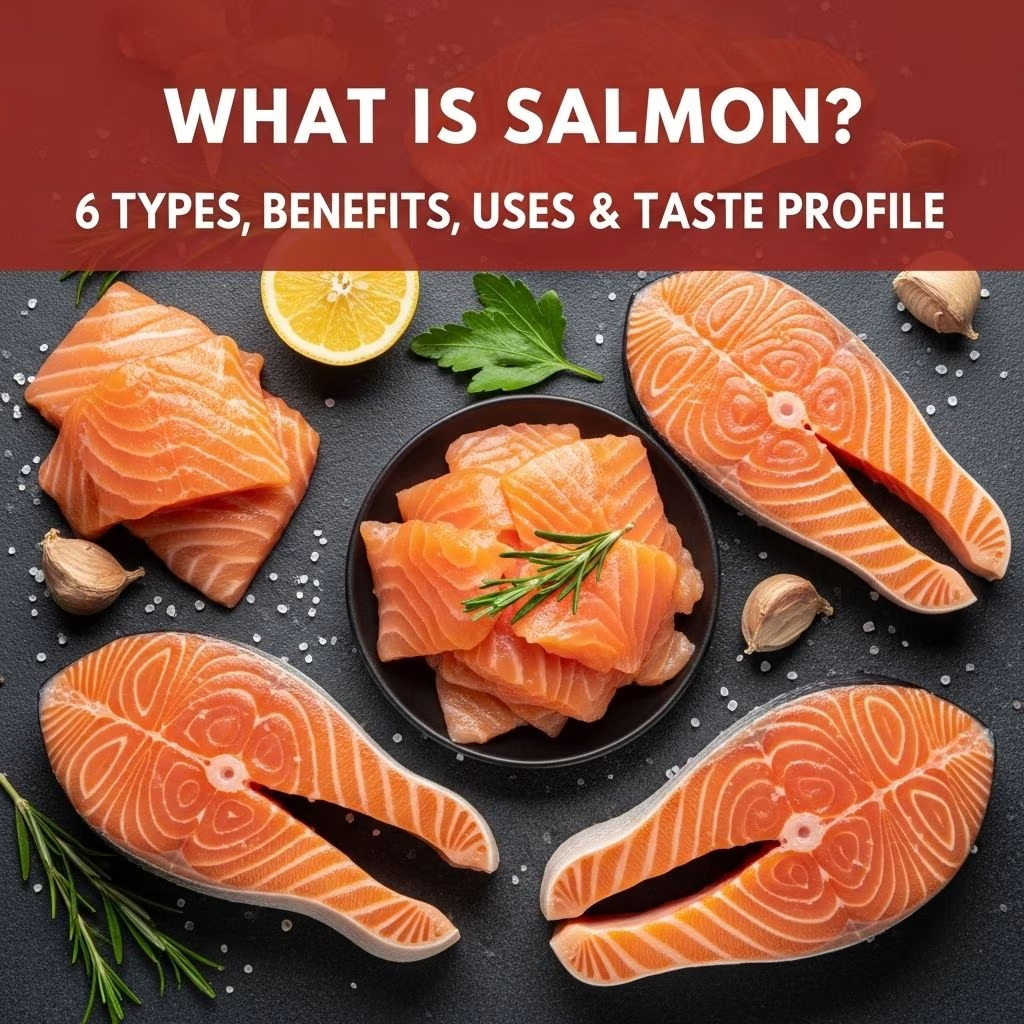
Overview: What Is Salmon?
Salmon is a popular fish renowned for its distinct flavor, nutritional excellence, and versatility in global cuisine. Belonging to the family Salmonidae, salmon can be found in both Atlantic and Pacific waters, with species thriving from cold, fast-flowing rivers to chilly oceanic expanses. Salmon are anadromous, meaning they migrate from the ocean to freshwater streams to breed — a life cycle famous for its remarkable upstream journey. Highly valued in culinary traditions worldwide, salmon offers not only a delectable taste but also furnishes essential nutrients that benefit human health.
Types of Salmon
Salmon are classified into two broad categories based on their native habitat: Atlantic salmon (Salmo salar) and Pacific salmon (Oncorhynchus genus). Within these groups are several distinct species, each offering unique taste profiles, appearances, and culinary suitability.
| Species | Common Names | Location | Main Features | Taste |
|---|---|---|---|---|
| Chinook Salmon | King Salmon, Blackmouth | Pacific: North America, Great Lakes | Largest size, black gums, high fat content | Rich, creamy, buttery flavor |
| Coho Salmon | Silver Salmon | Pacific: North America, Asia | Medium size, hard fighting, turns maroon when spawning | Mild, moist, delicate |
| Sockeye Salmon | Red Salmon | Pacific: North America, Kokanee (landlocked) | Bright red flesh, firm texture | Robust, savory, rich |
| Pink Salmon | Humpback Salmon | Pacific: North America | Smallest size, pale flesh, shows up biannually | Light, mild, tender |
| Chum Salmon | Keta, Dog Salmon | Pacific: North America, Asia | Best roe, striped appearance when spawning | Mild, lean; prized for roe not flesh |
| Atlantic Salmon | Scottish, Norwegian, Farmed | Atlantic: Europe, North America | Rare wild populations, widely farmed | Mild, less oily, subtle flavor |
Let’s explore what makes each type unique:
Chinook (King) Salmon
- Largest Pacific salmon species, growing up to 5 feet and over 100 pounds.
- Identified by black gums and spots; turns olive-brown/maroon when spawning.
- Highest fat content, giving a rich, buttery flavor and deep orange-red flesh.
- Favored by chefs and seafood enthusiasts for its luscious texture and taste.
Coho (Silver) Salmon
- Smaller, vibrant silver appearance, turns reddish in spawning phase.
- Mild, moist flesh with good fat content; excellent for grilling.
- Known for aggressive fighting, a favorite of sport fishers.
Sockeye (Red) Salmon
- Firm, deep-red flesh due to high krill diet.
- Homogeneous taste described as rich and savory; ideal for smoking and grilling.
- Popular among foodies; Kokanee variant lives solely in freshwater.
Pink Salmon
- Smallest species, light pink flesh, makes up for mild taste.
- Noted for spawning biannually, males develop a noticeable hump.
Chum (Keta) Salmon
- Lean, mild flavor; not typically prized for flesh but praised for roe quality.
- Striped purplish appearance during spawning; widespread in Pacific waters.
Atlantic Salmon
- Native to the Atlantic Ocean, rare in wild due to overfishing; predominantly farm-raised.
- Mild taste, less oily than Pacific species.
Nutritional Benefits of Salmon
Salmon is often hailed as a superfood, providing a host of nutrients in every serving. Here are the primary health benefits:
- High in Omega-3 Fatty Acids: Essential for heart, brain, and eye health. The omega-3s in salmon (EPA and DHA) effectively lower inflammation and reduce the risk of cardiovascular diseases.
- Excellent Source of Protein: Supports muscle maintenance, cellular repair, and overall metabolic function.
- Rich in Vitamins: Contains B vitamins (B6, B12, niacin), vitamin D, and vitamin E, each contributing to energy production, immune support, and bone health.
- Loaded with Minerals: Supplies selenium, potassium, and phosphorus, aiding antioxidant defense, fluid balance, and bone strength.
Comparison of Salmon Nutrition Per 100g (3.5 oz)
| Nutrient | Wild Salmon | Farmed Salmon |
|---|---|---|
| Calories | 142 | 206 |
| Protein | 20 g | 22 g |
| Fat | 6 g | 13 g |
| Omega-3s | 1-1.5 g | 2-2.5 g |
| Vitamin D | 400 IU | 250 IU |
| Selenium | 26 mcg | 25 mcg |
Regular salmon consumption supports:
- Healthy heart and reduced risk of stroke
- Cognitive function and mental health
- Lowering harmful cholesterol and boosting “good” HDL cholesterol
- Strong bones and immune system support
- Eye health and reduced risk of age-related macular degeneration
Culinary Uses of Salmon
Salmon’s versatility has made it a centerpiece of many global cuisines. Its flavorful flesh and varying textures are ideal for a wide array of preparations, from simple weeknight dinners to high-end gourmet experiences.
Popular Cooking Methods
- Grilling: Salmon’s oily texture makes it perfect for grilling, delivering a smoky depth and crispy exterior.
- Baking: Baking salmon preserves moisture while allowing herbs, spices, and citrus to infuse flavor.
- Pan-Searing: Creates a delicious crust while keeping the inside tender.
- Smoking: Cold or hot smoking imparts complex flavors, often used for appetizers or in salads.
- Poaching: A gentle method that maintains a delicate texture.
- Raw/ Cured: Salmon is featured in sushi, sashimi, poke bowls, and gravlax, highlighting freshness.
Global Salmon Dishes
- Sushi & Sashimi (Japan): Fresh raw salmon sliced thin, sometimes with rice and seaweed.
- Gravlax (Nordic): Salmon cured with dill, sugar, and salt, served as an appetizer.
- Salmon Cakes & Patties (North America): Chopped salmon mixed with herbs and breadcrumbs, pan-fried.
- Smoked Salmon (International): Signature ingredient in bagel sandwiches and salads.
- Cedar-Planked Salmon (USA/Canada): Salmon grilled on wooden planks for added aroma.
- Baked Teriyaki Salmon (Asia): Fillets marinated in sweet soy glaze and oven-baked.
Pairing Salmon with Ingredients
- Lemon, dill, parsley, and chives
- Capers, horseradish, mustard, and wasabi
- Fresh greens, asparagus, root vegetables
- Whole grains like quinoa or brown rice
- White, rosé, or light red wines (Pinot Noir)
Salmon’s Taste Profile: What Does Salmon Taste Like?
Salmon’s flavor is shaped by species, diet, fat content, habitat, and preparation method. Its taste ranges from mild and tender to robust and savory.
- Chinook/King: Rich, fatty, almost buttery with a creamy mouthfeel. Considered most flavorful.
- Coho/Silver: Mild, slightly sweet, delicate texture.
- Sockeye/Red: Bold, savory, firm meat; pronounced “salmon” flavor.
- Pink: Light, clean, and tender, often used in canned products.
- Chum/Keta: Leaner, milder, less pronounced flavor; best for roe.
- Atlantic: Subtler, smooth, less oily and gentle flavor.
Overall, salmon is appreciated for its delicate balance of richness and umami, subtle sweetness, and pleasing texture that adapts well to various culinary techniques.
Buying and Storing Salmon
High-quality salmon enhances both flavor and nutrition. When purchasing, consider:
- Freshness: Look for firm, moist flesh, vibrant color, and a sea-fresh smell. Avoid fillets with browning or dryness.
- Form: Sold as whole fish, fillets, steaks, portions, or smoked/canned.
- Labeling: Wild-caught vs. farmed; sustainability certifications (Marine Stewardship Council, ASC).
Storing Tips:
- Refrigerate immediately, consume within 1–2 days for best quality.
- Freezing can maintain nutritional value but may affect texture. Use vacuum-sealed packaging.
- Smoked and canned salmon can last several months when kept in a cool, dry place.
Sustainability and Environmental Impact
As global demand for salmon rises, sustainability and ecological stewardship have become key concerns.
- Wild salmon fisheries: Often regulated with strict quotas, seasonal limits, and hatchery supplementation to protect wild stocks.
- Farmed salmon: Now dominates world supply. While offering affordability and accessibility, concerns include habitat loss, disease, and pollution. Responsibly farmed salmon certified by organizations (ASC, Global GAP) are improving practices.
- Consumer choices: Opt for wild-caught, certified sustainable, or responsibly farmed salmon to protect species and aquatic habitats.
Frequently Asked Questions
Q: What is the healthiest type of salmon to eat?
A: Wild Alaskan salmon (sockeye, king, coho) is often considered healthiest due to lower pollutant levels and higher omega-3 content compared to some farmed varieties. Always check sourcing and certifications.
Q: Is it safe to eat raw salmon?
A: Raw salmon is safe if it is sushi-grade, handled and stored properly to prevent parasites and contamination. Always buy from reputable sources.
Q: Does farmed salmon taste different than wild salmon?
A: Yes, farmed salmon tends to be milder, fattier, and softer in texture due to diet and environment. Wild varieties have firmer flesh and more distinctive flavors.
Q: Are there vegetarian alternatives to salmon?
A: Several plant-based salmon analogs are available, made from ingredients like carrots, seaweed, and legumes. While they offer similar texture and look, the flavor and nutritional profile differ.
Q: How often should I eat salmon for health benefits?
A: Most nutritionists recommend 2–3 servings of fatty fish per week, including salmon, to optimize omega-3 intake and support heart health.
Conclusion
Salmon stands at the intersection of nutrition, taste, and culinary tradition. Its unique flavor profile, availability in diverse forms, and proven health benefits make it an enduring favorite worldwide. Whether enjoyed roasted, smoked, raw, or grilled, salmon will continue delighting palates while supporting health and well-being — provided consumers and producers uphold sustainable practices for generations to come.
References
- https://neerlandia.com/en/blog/types-of-salmon/
- https://fishingbooker.com/blog/types-of-salmon/
- https://www.vitalchoice.com/articles/food-facts/types-of-salmon
- https://myodfw.com/fishing/species/salmon
- https://en.wikipedia.org/wiki/Salmon
- https://psf.ca/learn/salmon-facts/
- https://acmesmokedfish.com/blogs/news/fish-facts-a-guide-to-salmon


