


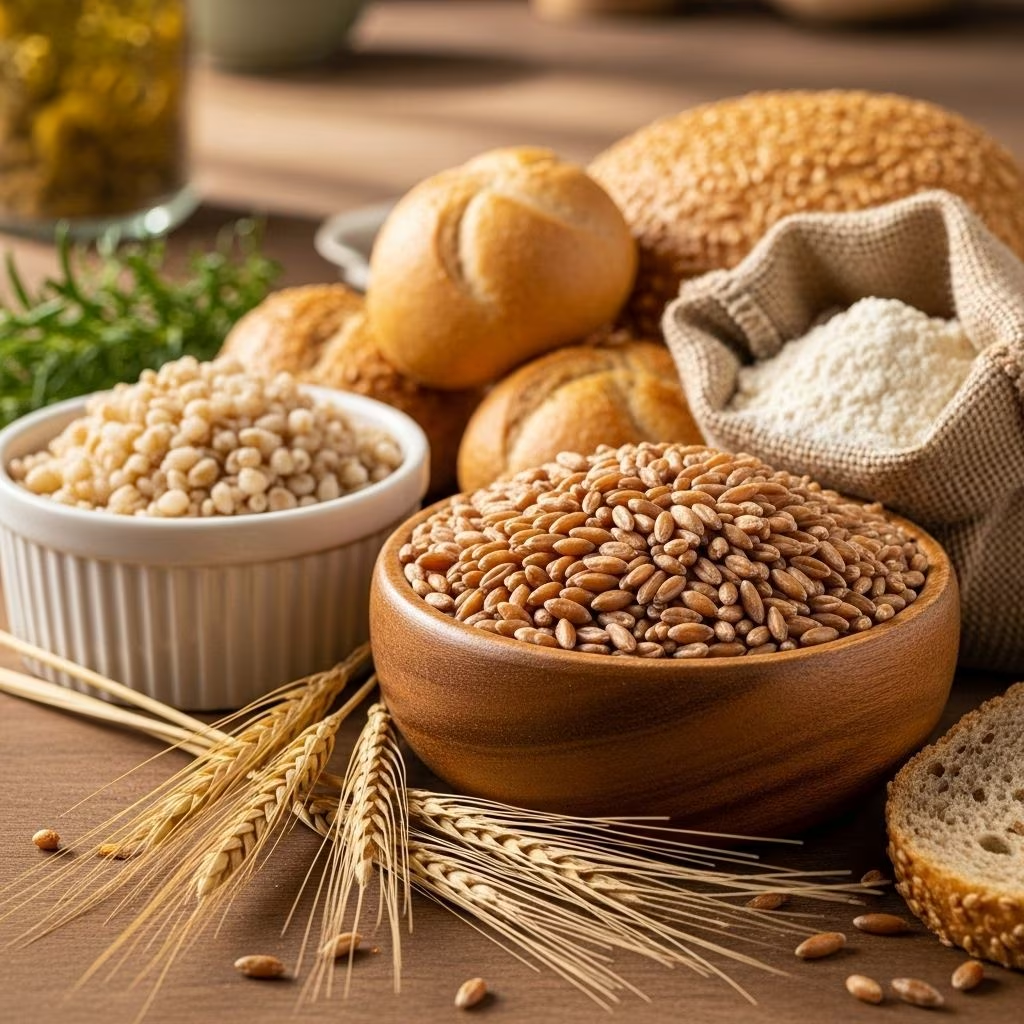
Spelt is an ancient and nutritious grain regaining popularity in modern kitchens for its exceptional flavor, resilience, and impressive nutritional profile. In this comprehensive guide, explore spelt’s origins, health benefits, culinary uses, and taste, and understand why this robust grain deserves a place in your diet.
Introduction to Spelt
Spelt (Triticum spelta) is an ancient grain closely related to modern wheat but genetically distinct. Cultivated for thousands of years, spelt is known for its nutty flavor, resilience, and impressive nutritional qualities. While it fell out of favor with the rise of higher-yield wheat, spelt is regaining recognition for both its health benefits and culinary versatility.
Origins and History of Spelt
Spelt originated in the Fertile Crescent and has been cultivated since at least 5,000 BCE. It spread to Europe and became a dietary staple, especially in Germany and Central Europe, well into the Middle Ages. In the 19th and 20th centuries, easier-to-thresh wheat displaced spelt due to higher yields and ease of processing. Today, interest in ancient grains and wholesome, sustainable food choices has brought spelt back into mainstream focus as a nutritious, eco-friendly alternative to modern grains.
Key historical points include:
- Spelt is a true ancient grain, largely unchanged by modern hybridization.
- Its tough outer hull historically helped protect the grain from pests, reducing need for pesticides and preserving nutrients.
- It was widely grown for centuries but replaced by modern wheat for economic and processing convenience in the late 1800s.
How Spelt Differs from Modern Wheat
Though related, spelt and modern wheat differ in several fundamental ways:
- Husk/Hull: Spelt’s grain is tightly encased in a tough hull, unlike modern wheat, offering protection and preserving freshness, but requiring an extra de-hulling step during processing.
Modern wheat (free-threshing) has been bred to shed its husk easily, making processing faster but also making the grain more vulnerable to pests and nutrient loss. - Genetic Distinction: Spelt is genetically distinct, retaining characteristics that have been lost through modern wheat hybridization.
This means spelt’s nutrient profile and gluten character are closer to their natural state. - Gluten Content and Structure: Spelt contains gluten but its structure is more fragile and soluble.
- Nutritional Profile: Spelt offers higher levels of protein, fiber, magnesium, iron, and some trace minerals compared to conventional wheat.
- Digestibility: Spelt is often found easier to digest than regular wheat, though it is not appropriate for people with celiac disease.
These differences influence not just nutrition, but also the flavor, digestive tolerance, and processing of the grain.
Nutritional Profile of Spelt
Spelt is recognized for its wholesome and dense nutritional makeup. Here’s an overview of the typical nutrient values for 100 grams of whole spelt grain:
| Nutrient | Amount per 100g |
|---|---|
| Calories | 353 kcal |
| Water | 11.3 g |
| Protein | 14.6 g |
| Fat | 2.4 g (saturated 0.4 g) |
| Carbohydrates | 69.3 g (sugars 2.4 g) |
| Fiber | 6.5 g |
| Magnesium | 112 mg |
| Phosphorus | 387 mg |
| Potassium | 407 mg |
| Iron | 1.9 mg |
| Zinc | 2.6 mg |
| Calcium | 35 mg |
| Folic acid | 31 μg |
| B Vitamins | B2, B3, folic acid |
| Glycemic Index | 40 |
| Cholesterol | 0 g |
These nutrients make spelt a rich source of slow-release energy, protein, and essential micronutrients.
Health Benefits of Spelt
- High in Dietary Fiber: Promotes good digestion, supports satiety, and helps regulate blood sugar levels.
- Protein with High Biological Value: Contains all essential amino acids, making it an excellent plant-based protein source for vegetarians and vegans.
- Mineral-Rich: Supplies important minerals such as magnesium, iron, zinc, phosphorus, and potassium, crucial for muscle function, oxygen transport, and bone health.
- Vitamins: Notably higher in B vitamins (including riboflavin, niacin, and folic acid) which support metabolism, energy production, and cellular health.
- Lower Glycemic Index: Slower carbohydrate absorption helps with sustained energy and may benefit individuals managing blood sugar.
- Potential Heart Health Support: Due to its fiber and micronutrient content, regular spelt consumption may help support cardiovascular wellness.
- Antioxidant Properties: Some studies suggest spelt contains beneficial antioxidants that help combat oxidative stress.
Gluten Content and Digestibility
Spelt does contain gluten and should not be consumed by individuals with celiac disease. However, the gluten in spelt has a different molecular structure than that in modern wheat: it is more fragile and water-soluble, contributing to easier digestion for some people with mild wheat sensitivity (not celiac disease).
- Spelt’s gluten breaks down more readily during digestion than modern wheat gluten.
- The higher fiber further aids in digestibility and reduces gut irritation.
- Despite claims, it is not safe for those with gluten allergies or celiac disease.
The gluten quality makes spelt well suited for many traditional and rustic baked goods, though its lower elasticity can yield denser textures in certain recipes.
Culinary Uses of Spelt
Spelt is highly versatile, available as whole grain, flour, pasta, flakes, or breakfast cereals. Culinary uses include:
- Baking:
- Breads (especially sourdough and rustic loaves), muffins, cookies, pancakes, and cakes.
- Due to its softer gluten, spelt flour produces tender but sometimes denser baked goods; often cut with lighter flours for fluffier results.
- Whole Grains:
- Cooked as a side dish, base for grain salads, or in grain bowls.
- Delicious in pilafs, risottos, or as a chewy, hearty soup ingredient.
- Pasta: Spelt pasta offers a nutty flavor and is similar in texture to whole wheat pasta.
- Breakfast Cereals: Flaked or puffed spelt can be used in muesli, granolas, or porridge.
- Flour Substitution: Can often replace wheat flour in recipes at a 1:1 ratio, though recipe adjustments may be needed due to different gluten chemistry.
Spelt’s culinary flexibility makes it suitable for home cooks seeking whole-food, nutrient-dense alternatives.
Flavor and Taste Experience
Spelt’s distinctive flavor is a prime reason behind its revival among chefs and home bakers:
- Subtle, Earthy Sweetness: Spelt imparts a gentle sweetness unlike regular wheat, making it appealing in both savory and sweet dishes.
- Nutty Notes: A mild, satisfying nuttiness runs through dishes made with spelt.
- Chewy, Pleasant Texture: Whole spelt grains, when cooked, have a satisfying chew, similar to barley but with a slight delicacy and toasty undertone.
- Golden Hue: Baked goods made with spelt flour often have a rustic, warm golden color.
This flavor profile makes spelt especially well-suited for hearty autumn soups, salads, rustic breads, and wholesome baked treats.
How to Cook and Bake with Spelt
Cooking and baking with spelt is easy, but due to its gluten properties and hull, spelt requires some understanding:
- Whole Spelt Berries:
- Rinse before cooking. Use a ratio of about 1 part spelt to 3 parts water.
- Simmer covered for 45–60 minutes until tender but toothsome. Excellent in salads, bowls, or as a pilaf.
- Spelt Flour:
- Substitute 1:1 for wheat flour in many recipes, but use less liquid where possible as spelt absorbs less water.
- Best for rustic loaves, biscuits, pancakes, and cookies. If desired, blend with bread or all-purpose flour for a lighter crumb.
- Pasta and Crackers:
- Cook spelt pasta as you would regular pasta. Expect a chewier texture with nutty undertones.
- Breakfast:
- Use rolled spelt for porridge, granola, or overnight oats.
Experiment using spelt for at least a portion of your flour in recipes for muffins, waffles, or home-baked bread and compare the flavor and structure to all-wheat versions.
Choosing, Storing, and Processing Spelt
- Spelt kernels are protected by a tough hull, which is only removed just before milling to ensure maximum freshness and nutrient content.
- When purchasing spelt, choose reputable sources that can verify the freshness and quality of the grain or flour.
- Whole spelt berries and flour should be stored in a cool, dry environment, ideally in airtight containers.
Avoid heat and moisture to prolong freshness and prevent rancidity. Flour can be refrigerated for extra shelf life.
Potential Allergies and Considerations
- Not Gluten-Free: Spelt is unsafe for people with celiac disease or diagnosed wheat/gluten allergies.
- Digestibility: Some individuals with minor wheat sensitivities may tolerate spelt better, but caution is advised.
- Consult your healthcare provider before introducing spelt if you have known digestive or dietary conditions.
This content is intended for informational purposes only and is not a substitute for professional medical advice.
Frequently Asked Questions (FAQs)
Q: What does spelt look like?
A: Spelt resembles wheat but has a grain tightly encased in a tough, protective hull. When processed, the whole berries are brownish and elongated, and spelt flour is light and golden.
Q: Does spelt contain gluten?
A: Yes, but the gluten has a different structure than in modern wheat—it is more fragile and water-soluble, making it easier to digest for some people. However, spelt is not safe for those with celiac disease or severe gluten intolerance.
Q: Is spelt more nutritious than wheat?
A: Generally, spelt contains more protein, fiber, and certain minerals (such as magnesium and iron) compared to most modern wheats. It is also richer in B vitamins and often considered a more nutrient-dense grain.
Q: What does spelt taste like?
A: Spelt offers a subtle, earthy sweetness with a nutty undertone. Cooked grains are chewy, while baked goods from spelt have a tender, more flavorful crumb.
Q: How do you use spelt in cooking?
A: Use whole spelt as you would barley or farro in salads, soups, or sides. Spelt flour is suited for breads, pancakes, and cookies. Substitute it for wheat flour in many recipes—with some adjustment for liquid due to absorption differences.
Q: Is spelt suitable for people with wheat sensitivity?
A: For some people with mild sensitivity (not celiac disease), spelt may be easier to digest. Always try a small quantity first and consult a healthcare provider if you have concerns.
Summary
Spelt is an ancient, nutrient-dense grain with a unique flavor, impressive health benefits, and wide-ranging culinary uses. It can support a well-rounded, energy-sustaining diet for most people without gluten allergies. If you’re seeking a wholesome, flavorful alternative to wheat, spelt’s earthy sweetness and rich nutrient profile make it an excellent choice to rediscover—whether in traditional baking, hearty salads, or nourishing breakfast bowls.
References
- https://natureslegacyforlife.com/about/what-is-spelt
- https://bittersweetblog.com/2025/09/15/correctly-spelt/
- https://www.ancientgrains.com/spelt/what-is-spelt
- https://www.pedon.it/en/articoli/properties-spelt-benefits-characteristics/
- https://agr.mt.gov/_docs/SGL-docs/MT_Standards_spelt.pdf
- https://ecorod.ua/en/products/entry/view/46-spelt
- https://www.ediblelehighvalley.com/uncategorized/article/the-story-of-spelt/


