


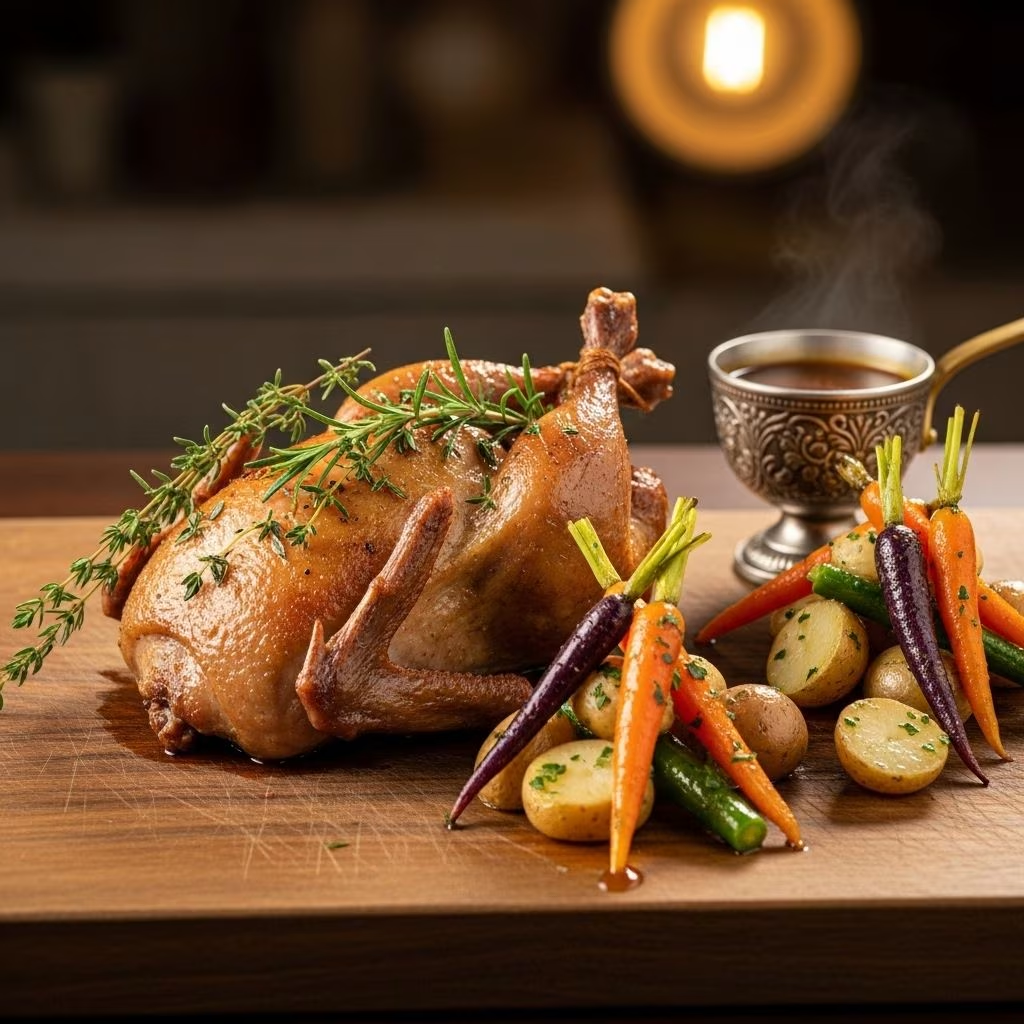
Squab, the name given to young, domesticated pigeons, is a prized delicacy in cuisines around the world, renowned for its refined flavor, nutrient-rich profile, and historic culinary significance. This article explores squab in depth—its definition, nutritional benefits, uses in cooking, cultural importance, and distinctive taste—answering everything you need to know about this exceptional ingredient.
What Is Squab? Definition and History
Squab refers specifically to a young pigeon, typically less than four weeks old, that has not yet left the nest nor developed the ability to fly . The name distinguishes these tender birds from older pigeons, whose meat is gamier and tougher. The practice of consuming pigeons dates back thousands of years, with domestication and culinary use apparent in ancient Egypt, medieval Europe, and Asia. Over time, the sumptuous flavors and delicate meat of squab earned it a place in royal courts, fine dining establishments, and traditional family feasts.
Key Historical Facts:
- The domestication of pigeons for food is believed to have originated in the Middle East and Egypt.
- Squab has been favored by numerous historical cultures, from Roman banquets to Chinese imperial kitchens.
- Today, it remains a gourmet delicacy in countries such as France, Egypt, China, and Morocco .
Differences Between Squab and Pigeon
While the terms squab and pigeon are often used interchangeably in culinary circles, there are significant differences:
| Aspect | Squab | Pigeon |
|---|---|---|
| Age at Harvest | ~4 weeks (before flight) | 6 months–1 year (fully grown) |
| Meat Texture | Very tender & succulent | Firm, can be tough |
| Flavor Profile | Mild, delicate, rich | Stronger, gamier |
| Color | Dark, rich | Darker as age increases |
| Culinary Use | Fine dining, gourmet dishes | Rustic cuisine, game dishes |
Summary: Squab’s culinary value lies in its youth, which results in unparalleled tenderness and a nuanced flavor not found in mature pigeons .
How Squab Is Raised and Harvested
Squab production is a specialized process designed to ensure high meat quality and animal welfare. Squabs are almost always raised domestically, primarily for the purpose of consumption, and bred from pigeon species selected for their size, temperament, and rapid growth rate.
Lifecycle and Parental Care:
- Both pigeon parents build the nest and alternate incubating eggs, sharing in raising the young .
- Squabs rely on a unique secretion called crop milk, high in protein and nutrients, produced by both parents during the first weeks after hatching .
- Within 4 weeks, squabs rapidly grow, often reaching near-adult size by fledging age (around 10–12 ounces) .
- They are harvested before leaving the nest to ensure the signature tenderness of their meat .
Why Are Squabs Rarely Seen?
Because young pigeons spend their early lives in elevated, hidden nests and are nearly the size of adults by the time they leave, most people never encounter true squabs in the wild .
Nutritional Benefits of Squab
Squab is not only prized for its taste but also for its nutrient-dense profile:
- High-quality protein: Essential for building and repairing body tissue.
- Rich in iron, zinc, and B vitamins: Supports energy metabolism and immune health.
- Low in saturated fat: Despite its richness, squab generally contains less unhealthy fat than other red meats .
- Contains healthy fats: Offers a good balance of essential fatty acids.
| Nutrient | Amount per 100g (approx.) |
|---|---|
| Calories | 190 |
| Protein | 23 g |
| Fat | 10–11 g |
| Iron | 3 mg |
| Vitamin B12 | 3 μg |
Why Is Squab Considered Healthy?
Its combination of lean protein, high iron and vitamin content, and digestibility make it a suitable option even for delicate palates and those seeking nutrient-rich alternatives to conventional meats .
Culinary Uses of Squab Worldwide
Squab enjoys a long culinary tradition in diverse cultures, where its properties make it suitable for both everyday meals and festive banquets:
- French cuisine: Prepared as Pigeon rôti (roast squab), stuffed, pan-fried, or served with wine reduction sauces.
- Chinese cuisine: Featured in banquets, marinated in soy and spices, then roasted until lacquered and aromatic.
- Middle Eastern and North African dishes: Stuffed with rice, nuts, and spices, especially for holidays and special occasions.
- Modern gastronomy: Squab appears in tasting menus, innovative small plates, and avant-garde dishes, thanks to its elite status and versatility.
Squab’s delicate flavor easily absorbs marinades, while its rich flesh stands up to strong accompaniments. It is highly valued among chefs for its consistent tenderness and striking plate presentation.
Preparation and Cooking Methods
Because of its tenderness, squab is best when cooked quickly or to medium-rare to preserve juiciness. Common techniques include:
- Roasting: Whole squab is often roasted with aromatics, resulting in crisp skin and succulent flesh.
- Pan-searing: Breasts are quickly seared in a hot pan, sometimes finished in the oven.
- Grilling: Marinated squab can be grilled, imparting a smoky flavor.
- Braising: Especially in traditional dishes where whole squabs are gently simmered in broth with wine, vegetables, or soy sauce.
- Stuffed and wrapped: Squab may be stuffed with rice, grains, or minced meats and wrapped in vine or cabbage leaves for added moisture and flavor.
Why Is Squab Served Medium-Rare?
Unlike chicken, squab can be served medium-rare. The risk of pathogens like salmonella is significantly lower in squab than in chicken, allowing chefs to focus on preserving its delicate texture and flavor .
Taste and Texture of Squab
Squab meat is celebrated for its refined and distinctive quality. Key characteristics include:
- Tenderness: Nearly unparalleled among red meats due to the bird’s age.
- Flavor: Mild, almost sweet, with a subtle gaminess that’s far less pronounced than wild game or older pigeons .
- Color and richness: Deeply colored, moist, and silky. The skin is fatty, imparting extra flavor and keeping the meat juicy during cooking .
- Serving size: Each bird serves one person; the compact size allows for elegant plating and portion control.
Because of this combination of traits, squab provides a unique eating experience and aligns with the traditions of haute cuisine.
Sustainability and Ethical Considerations
Pigeon farming for squab is often considered a sustainable form of animal agriculture for several reasons:
- Squabs require little feed compared to chickens or ducks, and convert feed into meat efficiently.
- Pigeon farms typically have lower environmental impacts per bird than larger poultry operations.
- Squabs live in nesting pairs and are harvested before experiencing the stress of adulthood or transport.
- Domesticated pigeon breeds have been selected for centuries, and strict controls reduce risk of disease transmission and animal welfare concerns.
However, as with all animal husbandry, conditions can vary widely by producer, so sourcing from reputable farms that practice ethical animal welfare is recommended.
Buying and Storing Squab
To maximize the eating quality of squab, follow these guidelines:
- Buy from specialty butchers, gourmet retailers, or reputable farmers. Look for birds with bright, moist skin and no discoloration.
- Fresh squab keeps for 1–2 days in the refrigerator.
- Frozen squab can be kept for several months if tightly wrapped to prevent freezer burn.
- For best results, cook and serve promptly after purchase.
Frequently Asked Questions (FAQs)
Q: What type of pigeon is best for eating?
A: Young, domestically bred pigeons—squabs—are the best for consumption due to their tender meat and mild flavor .
Q: Why is squab considered a delicacy?
A: Squab’s exceptional tenderness, unique flavor, and historical association with fine dining make it highly coveted among chefs and gourmets .
Q: Can squab be cooked rare or medium-rare like duck?
A: Yes. Due to low pathogen risk, squab can safely be served medium-rare to preserve moisture and tenderness .
Q: What countries eat squab?
A: Squab is enjoyed in France, China, Egypt, Morocco, Spain, and select parts of the United States and Europe .
Q: Is squab high in cholesterol?
A: Like many red meats, squab does contain cholesterol, but it is lower in saturated fat and richer in nutrients compared to fattier cuts of beef or pork. It’s best enjoyed as part of a balanced diet.
Q: What is the average size and serving of squab?
A: A whole squab typically weighs 9–12 ounces and is considered a single serving per person .
Q: Does squab taste like chicken?
A: No. Squab is more tender, richer, and milder in game flavor compared to chicken or even mature pigeon.
Q: Are wild squabs harvested for food?
A: Nearly all edible squab comes from domesticated breeds raised under controlled conditions for optimal flavor and safety .
References marked – indicate key findings based on up-to-date research and culinary references on squab.
References
- https://qrfarmhouse.com/are-squab-and-pigeon-the-same-thing-a-definitive-guide/
- https://a-z-animals.com/animals/pigeon/baby-pigeon-5-amazing-facts-and-5-unbelievable-squab-pictures/
- https://www.ovocontrol.com/pigeon-facts-figures
- https://blog.suvie.com/all-about-squab
- https://portersneckgrocery.thebutchersmarkets.com/Squab-(Pigeon)-200423-3637/


