


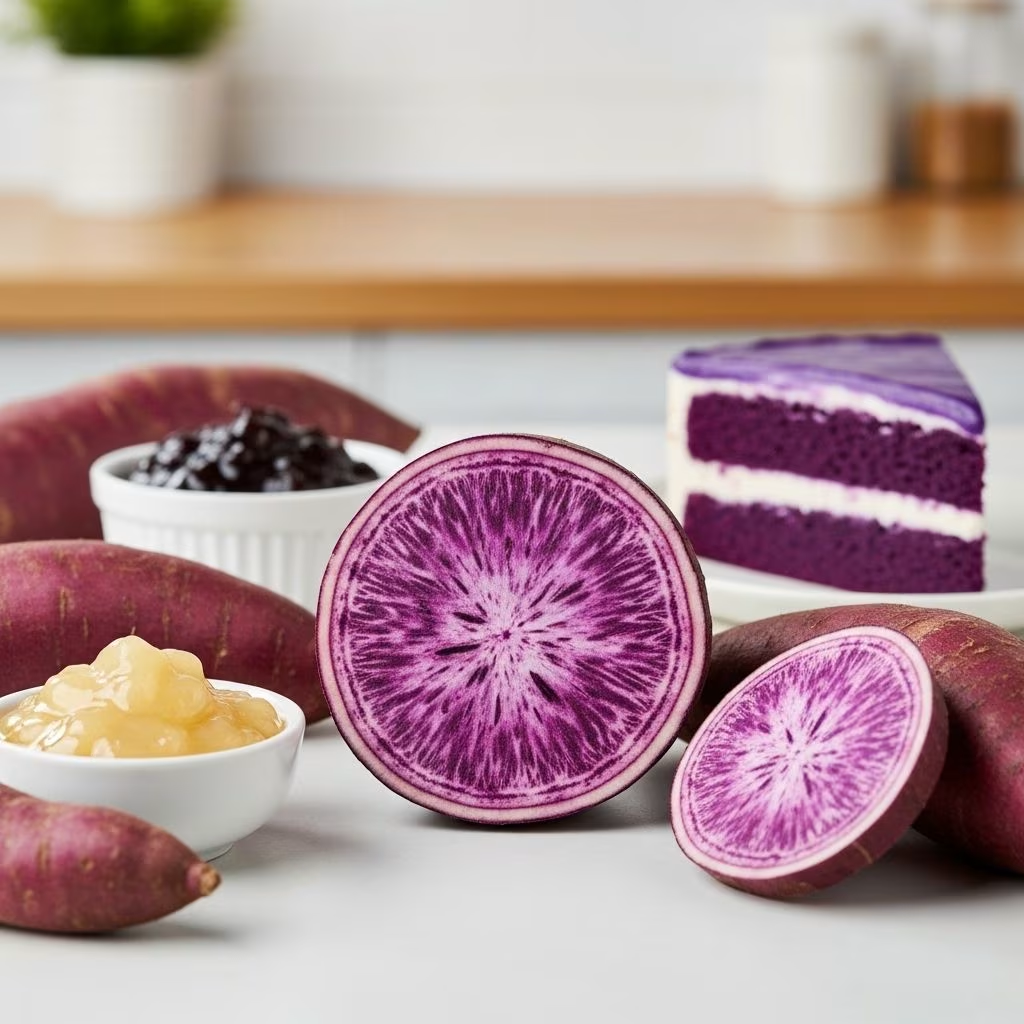
Purple yam—or ube—is a vibrantly colored root vegetable that has captured the attention of culinary enthusiasts, health-conscious eaters, and foodies worldwide. Renowned for its rich hue, unique flavor, and nutritional profile, ube is a staple ingredient in Filipino desserts but is quickly gaining popularity across the globe. This comprehensive guide explores what makes purple yam exceptional: its origins, nutritional benefits, culinary uses, taste, differences from similar tubers, and answers to common questions.
Introduction to Purple Yam (Ube)
Purple yam, scientifically known as Dioscorea alata, is a starchy root vegetable native to Southeast Asia. In the Philippines, it is commonly called ube, with alternative names such as violet yam and water yam used in various regions. Ube is celebrated not only for its striking lavender-purple hue but also for its versatility and nutritional benefits. This tuber has been a dietary staple in the Philippines for centuries and is now cultivated and used worldwide, from desserts to savory dishes.
Appearance and Botanical Characteristics
- Shape: Ube tubers are usually cylindrical or rounded but can vary in size and form depending on their growing environment.
- Skin: The outer skin is thick, rough, and brownish-gray, sometimes covered with small rootlets—resembling tree bark.
- Flesh Color: The flesh ranges from creamy white to deep violet, with the most prized varieties showing a vibrant purple caused by anthocyanin pigments.
Ube often gets confused with similarly colored tubers like purple sweet potato and taro, but it has distinctive traits detailed later in this guide.
Nutritional Value of Purple Yam
Purple yam is a nutrient-dense food that offers a variety of essential vitamins, minerals, and phytonutrients.
| Nutrient (per 100g cooked) | Amount | % Daily Value (DV) |
|---|---|---|
| Calories | 140 kcal | – |
| Carbohydrates | 27 g | – |
| Protein | 1 g | – |
| Fat | 0.1 g | – |
| Fiber | 4 g | – |
| Potassium | 337 mg | 13.5% |
| Calcium | 19 mg | 2% |
| Iron | 0.7 mg | 4% |
| Vitamin C | 24 mg | 40% |
| Vitamin A | 3 µg | 4% |
| Vitamin B6 | 0.2 mg | 8% |
| Copper | 0.1 mg | 11% |
| Anthocyanins (antioxidants) | Significant | – |
Ube is especially rich in carbohydrates—making it a valuable energy source—but its fiber content helps regulate blood sugar and digestion. The vivid purple color is due to anthocyanins, potent antioxidants associated with various health benefits.
Health Benefits of Ube
Purple yam is more than just a visually appealing ingredient; its nutritional profile underpins many health benefits. Scientific studies have highlighted several advantages of including ube in your diet:
- Antioxidant Powerhouse: The anthocyanins in ube fight oxidative stress and reduce inflammation, thereby potentially lowering the risk of chronic diseases including heart disease, diabetes, and cancer.
- Supports Healthy Digestion: Ube is high in dietary fiber, which improves digestive health, lowers cholesterol, and may aid weight management.
- Blood Pressure Regulation: The high potassium content helps control blood pressure by balancing sodium levels.
- Boosts Immune System: Ube is an excellent source of vitamin C, essential for immune health, tissue repair, and iron absorption.
- Good for Heart Health: Antioxidants, fiber, potassium, and low fat content work together to support cardiovascular health.
- Helps Control Blood Sugar: Some studies suggest that purple yam may help reduce blood sugar spikes due to its complex carbohydrates and fiber content, making it a healthier option for people with diabetes.
- Supports Bone Health: Contains calcium, magnesium, and phosphorus, all vital for strong bones.
- Rich in Vitamins and Minerals: Also supplies vitamin A, B6, copper, and folate, contributing to cellular health and promoting metabolism.
These potential benefits, while promising, are best realized as part of a balanced diet rich in fruits, vegetables, and whole foods.
Culinary Uses: From Tradition to Trend
Ube’s popularity is on the rise globally, but it remains particularly special in the Philippines, where it is a defining ingredient in many desserts and festive dishes. However, its sweet, earthy flavor and versatile texture make it suitable for a variety of preparations.
Traditional Uses in Filipino Cuisine
- Ube Halaya (Purple Yam Jam): A rich, sweet dessert made by boiling, mashing, and cooking ube with condensed milk, butter, and sometimes coconut milk. Often used as a spread or in other desserts.
- Halo-Halo: A famous Filipino shaved ice dessert featuring ube halaya as a star topping.
- Kakanin: Ube is featured in traditional Filipino rice cakes, such as puto (steamed rice cakes) and sapin-sapin (layered sweet rice cake).
- Ube Cake: A soft, vibrantly colored chiffon or sponge cake using mashed purple yam and ube extract for flavor and color.
Modern Global Applications
- Ube Ice Cream: The vivid purple color and creamy flavor make it a natural fit for frozen treats.
- Pastries and Breads: Used in doughnuts, muffins, cookies (like ube crinkles), tarts, and bread rolls.
- Ube Cheesecake: Incorporates mashed ube for color and flavor.
- Thickened Drinks: Milkshakes, bubble tea, and even lattes draw on ube’s flavor and hue.
- Savory Preparations: In Indian cuisine (as ‘kand’ or ‘ratalu’), purple yam is a feature in curries and savory dishes. It can also be roasted, boiled, or fried and served plain or spiced.
Its ability to impart a vibrant color without artificial dyes has made ube an Instagram sensation and a favorite among food trendsetters.
Taste and Texture: What Does Ube Taste Like?
One of the pivotal appeals of ube is its unique flavor and texture. It strikes a balance between familiar root vegetables and exotic novelty.
- Flavor: Ube has a mildly sweet, nutty, and earthy taste with subtle vanilla and at times, pistachio undertones. Some liken its gentle sweetness to white chocolate or coconut, but it is less sweet than orange-fleshed sweet potatoes.
- Texture: When cooked, the flesh becomes soft, moist, and starchy—more moist and slightly grittier than regular potatoes, especially when boiled or steamed. Roasting can concentrate its flavors and sweetness. Some varieties may be slightly slimy, similar to taro, but this depends on growing conditions and preparation methods.
The combination of mesmerizing color, pleasingly sweet flavor, and appealing texture is a large part of why ube has become such a sought-after ingredient in both traditional and modern kitchens.
Ube vs. Taro and Purple Sweet Potato: Key Differences
Despite sharing similar hues, ube should not be confused with taro or purple sweet potato. Here’s how they compare:
| Characteristic | Purple Yam (Ube) | Taro | Purple Sweet Potato |
|---|---|---|---|
| Common Name | Ube | Taro | Okinawan Sweet Potato, Stokes Purple |
| Botanical Name | Dioscorea alata | Colocasia esculenta | Ipomoea batatas |
| Flesh Color | Purple to lavender | White or pale purple with specks | Vivid purple |
| Texture (cooked) | Moist, starchy, soft | Slimy, soft | Firm, dense, dry |
| Flavor | Sweet, nutty, earthy, vanilla | Bland, nutty, slightly earthy | Robust sweetness, less nutty |
| Uses | Mostly desserts, some savory | Mostly savory, some desserts | Both dessert and savory |
| Rich in Anthocyanins? | Yes | No, or very little | Yes, but less than ube |
Knowing these differences helps avoid confusion in both culinary application and grocery shopping. While swapping one for the other is possible in some recipes, flavor, color, and texture will differ.
Buying, Selecting, and Storing Ube
Choosing quality ube and storing it properly ensures optimal flavor and texture in your cooking.
- Where to Buy: Ube is widely available in Asian grocery stores, sometimes labeled as ‘purple yam’ or by regional names like ‘ratalu’ or ‘kand.’ It’s found fresh, frozen, or as processed puree and extract.
- How to Choose: Select firm, unblemished tubers with no soft spots, mold, or wrinkling. The flesh color varies by variety—from pure violet to white-purple marbled, but characteristics like firm, heavy texture indicate freshness.
- Storage: Fresh ube should be stored in a cool, dry, well-ventilated place and used within a week or two. Refrigerate only if already cooked. Processed forms (frozen or puréed) should be stored according to package directions.
Potential Allergies and Considerations
- Allergies: Allergic reactions to ube are uncommon but possible in individuals sensitive to yams or related tubers.
- Oxalate Content: Like many tubers, ube contains oxalates, which can contribute to kidney stone formation in susceptible people, so moderation may be advisable for those with a history of oxalate-related kidney stones.
- Preparation: Ube should be cooked before eating; raw yam tubers can contain compounds that may cause mild digestive upset.
- Sugar Content: Ube desserts can be high in added sugars; for health benefits, opt for unsweetened preparations.
Frequently Asked Questions (FAQs)
Q: What is the difference between ube, taro, and purple sweet potato?
A: Ube is Dioscorea alata, a true yam with vibrant violet flesh and a sweet, earthy flavor. Taro is Colocasia esculenta, typically white or pale purple inside, with a blander, slightly nutty flavor and more slimy texture. Purple sweet potatoes are Ipomoea batatas, denser, drier, and sweeter than ube.
Q: Is ube healthy?
A: Yes, ube offers a range of nutrients, including antioxidants, vitamin C, potassium, and fiber. These contribute to better digestion, heart health, immune defense, and may support stable blood sugar levels when eaten in moderation.
Q: Can you eat raw ube?
A: Ube should be cooked before consumption to neutralize potentially harmful compounds and maximize flavor and digestibility.
Q: Why is my ube not purple?
A: Some ube varieties or older tubers have lighter flesh, ranging from lavender to almost white. The rich purple color is varietal; store-bought extracts or jams often use food coloring to enhance vibrancy.
Q: How do you cook with ube?
A: Ube can be boiled, steamed, roasted, or cooked into a paste or purée. It’s used in sweet dishes (cakes, ice cream, jams), breads, and even savory sides and fritters. Frozen or powdered ube makes preparation convenient.
Key Takeaways
Purple yam, or ube, stands out for its vivid color, distinct flavor, and impressive nutritional benefits. It has earned its place as a treasured ingredient in traditional Filipino cuisine and a trendy addition to modern desserts and baked goods. Whether enjoyed as halaya, cake, or ice cream—or simply steamed and served as a side dish—ube is a visually stunning and healthful addition to any kitchen.
References
- https://www.healthline.com/nutrition/ube-purple-yam
- https://specialtyproduce.com/produce/Ratalu_Purple_Yams_1779.php
- https://en.wikipedia.org/wiki/Dioscorea_alata
- https://www.iankewks.com/a-guide-to-ube-the-filipino-purple-yam/
- https://www.kapwagardens.com/blog/more-than-a-trend-the-history-of-ube
- https://www.epicsi.co.uk/blog/what-does-ube-taste-like


