


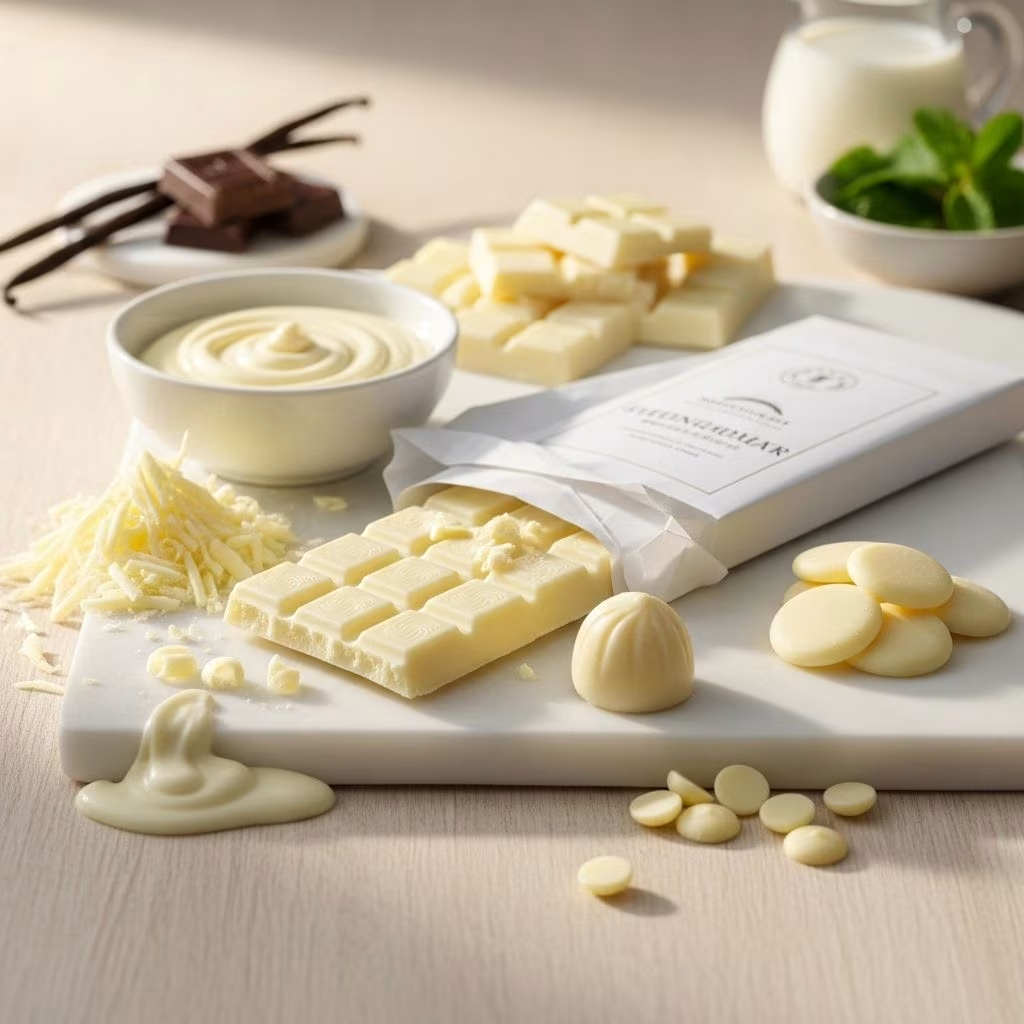
What Is White Chocolate? Benefits, Uses, and Taste
White chocolate stands out in the world of confections for its delicate appearance, silky texture, and uniquely sweet flavor. Unlike classic milk or dark chocolate, white chocolate’s pale cream color and buttery undertones stem from its distinctive ingredients and manufacturing process. This article explores what white chocolate is, its history, health benefits, culinary uses, and taste characteristics, providing enthusiasts and professionals with a comprehensive guide to this beloved treat.
Definition and Ingredients
White chocolate is a confection made primarily from cocoa butter, sugar, and milk powder. Unlike other chocolates, it contains no cocoa solids or cocoa mass, which are responsible for the color and chocolatey flavor of dark and milk chocolate. Traditional recipes often include vanilla and lecithin (an emulsifier) for flavor and stability.
- Cocoa butter – Extracted from cacao beans, this is the only cocoa-derived ingredient in white chocolate.
- Sugar – Provides sweetness and balances the mild butteriness.
- Milk solids/powder – These contribute to the creamy texture and flavor.
- Vanilla and emulsifiers – Optional flavorings and stabilizers, such as lecithin, improve texture/mouthfeel.
According to the U.S. FDA, the minimum white chocolate composition is:
- No less than 20% cocoa butter
- No less than 14% total milk solids
- No less than 3.5% milkfat
- No more than 55% sweeteners
High-quality white chocolate often contains very few additional ingredients and is slightly yellow or cream-colored due to the natural hue of cocoa butter.
History and Origin
The origins of white chocolate date back to the 1930s, when it was first created by Nestlé in Switzerland. The invention aimed to utilize surplus milk powder and cocoa butter, marking the first large-scale commercial production of white chocolate.
- Nestlé introduced the first white chocolate bar in Europe.
- Over time, white chocolate became popular worldwide, especially in confectionery and gourmet desserts.
White chocolate’s development bridged the gap between traditional chocolate products and the market’s desire for new flavors and textures.
Manufacturing Process
White chocolate manufacturing involves separating cocoa butter from cocoa mass using hydraulic presses after the cocoa beans are fermented and roasted.
- Harvesting: Cocoa pods are harvested from cacao trees, with each pod containing about 40–50 seeds.
- Fermentation and roasting: Beans are fermented for flavor, then roasted to develop aroma.
- Pressing: Roasted beans are ground, and the resulting paste (chocolate liquor) is pressed to separate cocoa butter from cocoa solids.
- Mixing: Cocoa butter is combined with sugar, milk powder, vanilla, and emulsifiers.
- Conching: The mixture is refined for smoothness and proper texture.
- Tempering and molding: Final product is tempered, molded into bars or other shapes, and cooled.
This process results in a distinctly creamy and smooth confection with a delicate taste compared to the bold, robust flavor of dark chocolate.
Regulations and Standards
Regulatory bodies such as the FDA (U.S. Food and Drug Administration) and CFIA (Canadian Food Inspection Agency) have set legal definitions for white chocolate, mostly based on cocoa butter and milk content.
- Must contain at least 20% cocoa butter
- Must contain at least 14% total milk solids
- Must contain at least 3.5% milkfat
- Maximum 55% sweeteners
- No vegetable fats (such as palm or coconut oil) are permitted in true white chocolate
Products labeled as white chocolate must follow these guidelines, ensuring a certain level of quality and authenticity.
Is White Chocolate Real Chocolate?
There is ongoing debate about whether white chocolate qualifies as “real” chocolate since it lacks cocoa solids—the primary source of flavor and color in milk and dark chocolate. Legally, white chocolate is considered chocolate because it contains cocoa butter, though it does not contain cocoa mass or liquor.
- The FDA specifies minimum cocoa butter content for classification.
- White chocolate is a cacao derivative but is missing cocoa fiber and is pale rather than brown.
- Flavor comes from cocoa butter, not cocoa solids, leading to a unique profile.
While purists may question its status, white chocolate’s composition and popularity firmly establish its place among chocolate varieties.
Benefits of White Chocolate
While white chocolate lacks the antioxidants found in dark chocolate, it offers its own benefits:
- Low Caffeine and Theobromine: Contains only trace amounts due to the absence of cocoa solids, making it suitable for those avoiding stimulants.
- Allergy-Friendly: Some dark chocolate allergies stem from cocoa solids; white chocolate is an alternative for some individuals, though it still contains dairy.
- Energy Source: The sugar and fat provide a quick energy boost, often useful in sports or rigorous activities.
- Cosmetic Use: Cocoa butter in white chocolate has moisturizing properties, which, while more common in skincare, can have mild benefits when consumed as part of a balanced diet.
- Versatility: The mild flavor makes it an excellent canvas for creative pairings with spices, herbs, fruits, and nuts.
Uses in Cooking and Baking
White chocolate is loved not just as a confection but also for its culinary versatility:
- Baking: Used in cookies, brownies, muffins, and cakes for a rich, creamy sweetness. White chocolate chips provide contrast in dark cookie dough.
- Ganache & Frosting: Melts smoothly for ganache, glazes, and frostings, yielding a silky and decorative finish.
- Gourmet Confections: Truffles, pralines, and bonbons often incorporate white chocolate for its texture and ability to carry infused flavors (e.g., citrus, spices).
- Pairings: Excellent with berries, nuts, coffee, and exotic spices; ideal for creating visually stunning desserts.
- Decorative Use: Pure white chocolate is perfect for dramatic contrast in plating and garnishes.
Its high milk and sugar content ensures consistent melting and stable structure in recipes.
Taste Profile and Quality
White chocolate is recognized for its creamy, sweet, and mild flavor profile, primarily driven by the quality of cocoa butter used:
- Texture: Smooth, melts evenly due to the absence of cocoa fiber.
- Flavor: Buttery, milky, with subtle vanilla notes. Not as complex or bitter as dark chocolate; more delicate and aromatic.
- Color: Cream or pale yellow—pure white chocolate is seldom stark white, with richer cocoa butter creating a yellowish tint.
For a superior experience, seek white chocolate with minimal fillers or vegetable fats. The presence of pure cocoa butter is key to a superior taste and mouthfeel.
Nutritional Information
White chocolate is a calorie-dense treat due to its sugar and fat content. A typical serving (about 28g) contains:
- Calories: 150–170
- Fat: 9–11g (mostly from cocoa butter and milkfat)
- Saturated Fat: 6–7g
- Carbohydrates: 18–20g
- Sugar: 15–18g
- Protein: 2–3g
| Nutrient | White Chocolate (per 28g) | Milk Chocolate (per 28g) | Dark Chocolate (per 28g) |
|---|---|---|---|
| Calories | 150–170 | 140–160 | 130–160 |
| Fat | 9–11g | 8–10g | 8–12g |
| Sugar | 15–18g | 14–17g | 8–12g |
| Protein | 2–3g | 2–3g | 2–4g |
White chocolate is not a significant source of dietary fiber or antioxidants, but it contains higher milk content than other varieties. Moderation is key, as it is calorically rich.
How to Choose Good White Chocolate
Not all white chocolate is created equal. Distinguishing quality involves several criteria:
- Check for cocoa butter as the only fat source.
- Fewer ingredients suggest higher quality—avoid products with vegetable oils or unnecessary fillers.
- Color should be cream or pale yellow, not stark white.
- Brands with clear labeling and regulatory compliance are preferable.
- Taste and texture—good white chocolate should taste creamy and melt smoothly, with no waxy aftertaste.
Frequently Asked Questions (FAQs)
Q: Why is white chocolate not brown?
A: White chocolate lacks cocoa solids (the brown, fiber-rich part of the cocoa bean), so only the pale yellow cocoa butter and dairy give it color.
Q: Is white chocolate safe for pets?
A: While white chocolate contains much less theobromine than milk or dark chocolate, it is still unsafe for pets due to high sugar and fat content.
Q: Can white chocolate be used in the same recipes as dark or milk chocolate?
A: Yes, but the flavor and texture will differ—white chocolate offers milder sweetness and creaminess, suitable for ganaches, glazes, and desserts needing a gentle touch.
Q: Why does some white chocolate taste waxy?
A: Poor quality white chocolate may contain vegetable fats or excessive fillers instead of pure cocoa butter, resulting in a waxy texture and less creamy mouthfeel.
Q: Does white chocolate contain caffeine?
A: Only trace amounts; almost all caffeine resides in cocoa solids, which are absent in white chocolate.
Q: How should white chocolate be stored?
A: Keep in a cool, dry place, away from direct sunlight to prevent melting and blooming (white streaks due to fat separation).
Conclusion
White chocolate has carved its own niche in the confectionery world, beloved for its velvety texture, gentle flavor, and versatile uses in baking and gourmet cuisine. By understanding its composition, history, and culinary applications, both amateur bakers and seasoned professionals can maximize its potential and enjoy its subtle delights. Choose high-quality white chocolate for the best experience, and experiment with flavors and textures to create irresistible treats that highlight this creamy wonder.
References
- https://cococochocolatiers.com/blogs/chocolate-blog/what-is-white-chocolate-and-how-is-it-made
- https://totallychocolate.com/blog/what-is-white-chocolate-and-how-is-it-made/
- https://www.santabarbarachocolate.com/blog/what-is-white-chocolate/
- https://www.fda.gov/regulatory-information/search-fda-guidance-documents/small-entity-compliance-guide-standard-identity-white-chocolate
- https://www.valrhona.com/en/l-ecole-valrhona/discover-l-ecole-valrhona/chocolate-terminology/white-chocolate
- https://cocoarunners.com/chocopedia/what-is-white-chocolate-and-is-it-really-chocolate/


