


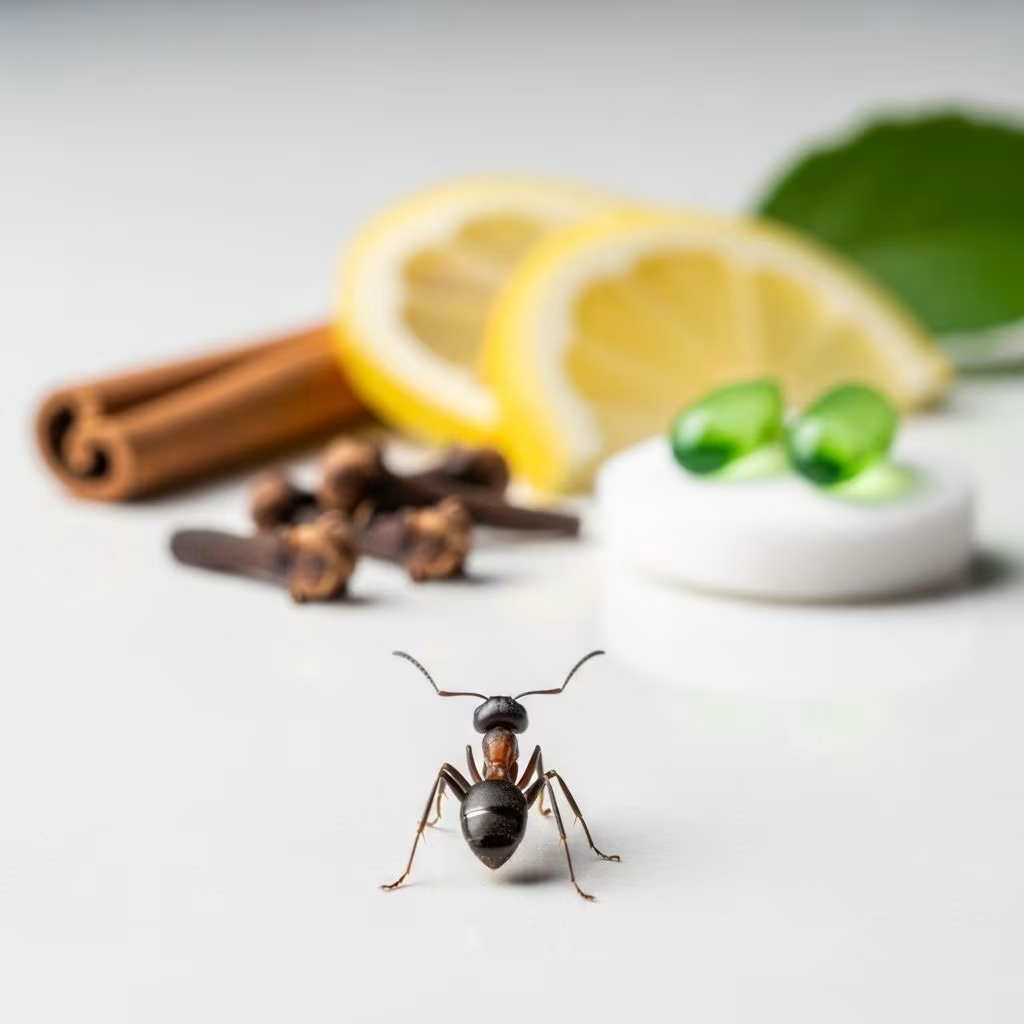
What Repels Ants? Natural and Effective Solutions
Ant infestations can cause frustration for homeowners, but repelling ants doesn’t always require harsh chemicals. Many natural solutions exist for keeping ants away and safely preventing them from entering your living spaces. Understanding these approaches and knowing how to apply them effectively can help you maintain a clean, ant-free home and garden.
Why Ants Invade Homes
Ants are attracted to human environments primarily in search of food, water, and shelter. They discover food sources through scent trails left by scout ants. These trails guide the colony to crumbs, spilled drinks, or even pet food. Typical entry points include:
- Cracks in walls and foundations
- Open windows or doors
- Gaps along pipes or cables
Understanding why ants invade helps target actions for both repelling and preventing future infestations.
Natural Ant Repellents
Many common household items are effective at repelling ants. The following remedies are easy to apply and safe for most households.
- Borax: Mix borax with sugar and water to create an effective ant bait. Ants are attracted to sugar but the borax proves fatal to them. Caution: Keep borax away from pets and children as it can be harmful if ingested.
- Diatomaceous Earth: This powder is made from fossilized aquatic organisms. Sprinkle food-grade diatomaceous earth in affected areas; it dehydrates and kills ants without using poison. Avoid inhaling the powder.
- Vinegar Solution: Combine equal parts white vinegar and water in a spray bottle. Spray on ant trails and entry points. Vinegar disrupts ant scent trails and drives them away.
- Lemon Juice: Lemon juice’s acidity masks scent trails. Squeeze fresh lemon juice around doors, windows, and cracks or dilute it with water for a spray.
- Baking Soda and Sugar: Mix equal parts of both and place in shallow dishes along ant trails. The sugar attracts ants, but baking soda disrupts their digestive system.
- Soap and Water: A simple solution of dish soap and water kills ants on contact and removes trails.
- Coffee Grounds: Used coffee grounds can be sprinkled around entry points. Ants avoid the strong smell, making this a natural deterrent.
- Cornmeal: Place small piles near ant trails. Ants carry cornmeal back to the colony but cannot digest it, lowering the ant population over time.
Essential Oils for Ant Control
Essential oils are both potent and naturally derived, making them ideal for those looking to avoid harsh chemicals. Some of the most effective oils include:
| Essential Oil | How to Use | Notes |
|---|---|---|
| Peppermint Oil | Mix 10–20 drops in 2 cups of water; spray along baseboards and windows. | Keep away from pets, especially cats. |
| Tea Tree Oil | Add 5–10 drops to 2 cups of water; spray or soak cotton balls for placement. | Strong smell; can combine with peppermint oil for gentler scent. |
| Lemon Eucalyptus Oil | Saturate cotton balls with oil and place in affected areas. Refresh weekly. | Contains citronella, known for repelling insects. |
| Clove Oil | Combine with water and spray into cracks and crevices. | Pungent aroma; can be mixed with other oils. |
Essential oil sprays are best applied to entry points, along baseboards, and in corners where ants frequently appear. Always check for sensitivities before using essential oils and keep them out of reach of children and pets.
Pantry Items That Repel Ants
Some regular kitchen items can help you keep ants at bay, often by interfering with their trails or repelling them with strong scents:
- Black or Red Pepper: Both black and cayenne pepper disturb ant scent trails. Sprinkle powder around baseboards, behind appliances, or directly where ants enter.
- Cinnamon: The strong scent acts as a deterrent. Sprinkle ground cinnamon or use cinnamon sticks in areas of high ant activity.
- Coffee Grounds: Besides repelling ants, used coffee grounds are sustainable and safe around most pets and children.
- Cornmeal: Inexpensive and widely available, cornmeal is brought back to the colony, but ants cannot digest it, affecting their numbers over time.
Consider combining multiple remedies for greater effectiveness, such as pairing natural powders with essential oil sprays.
Physical Barriers and Disruptors
Aside from scent-based deterrents, you can use physical means to repel ants or disrupt their pathways:
- Glass Cleaner and Liquid Detergent: Ant pheromone trails lead others to food sources. Mixing glass cleaner with dish soap and spraying entry areas eliminates these trails, making it harder for ants to return.
- Chalk: Drawing lines of chalk at doors, windows, or entry points creates a mineral barrier that may confuse or disrupt ant trails. This method is temporary and should be combined with other measures.
- Diatomaceous Earth: Acts as a mechanical barrier, desiccating ants that attempt to cross it. Especially effective when used around the perimeter of homes and gardens.
Plants That Repel Ants
Certain herbs and plants emit strong scents that naturally deter ants. These include:
- Mint
- Basil
- Lavender
- Lemongrass
Consider planting these herbs around the foundation of your house, by windows, or at garden borders for long-term ant prevention.
Preventing Ant Infestations
Repelling ants is most effective when combined with good prevention habits. Here’s how to reduce your risk of recurring infestations:
- Seal all entry points: Use caulk to fill cracks, crevices, and holes around doors, windows, and foundations.
- Eliminate food sources: Wipe counters, sweep floors, and clean up food spills promptly. Store food in sealed containers and don’t leave pet food out overnight.
- Remove standing water: Fix leaky pipes and eliminate moist areas where ants might seek water.
- Take out trash regularly: Empty garbage cans often and use tightly fitting lids.
- Maintain landscaping: Keep plants and mulch away from your home’s foundation, as these can serve as bridges for ants.
Consistency in home maintenance is key to keeping ants out.
When to Call a Professional
Natural remedies work for most minor ant problems, but severe or persistent infestations may require professional help. Contact a licensed pest control expert if you notice:
- Large or widespread infestations
- Ants nesting inside walls or foundations
- Structural damage caused by ants (especially carpenter ants)
Professionals have access to specialized treatments and can provide long-term solutions for serious infestations.
Frequently Asked Questions (FAQs)
Q: Are natural ant repellents safe to use around children and pets?
A: Most natural repellents are safe, especially diatomaceous earth (food-grade), vinegar, lemon juice, and essential oils when used as directed. Avoid borax and essential oils like peppermint and tea tree if you have pets, especially cats, as they can be toxic when ingested or inhaled in concentrated amounts.
Q: How often should I reapply natural ant repellents?
A: Reapplication depends on the type of repellent and the severity of the ant problem. Sprays and powders may need to be reapplied every few days or after cleaning the treated area. Essential oil cotton balls should be refreshed once per week for sustained effectiveness.
Q: Which essential oils are most effective against ants?
A: Peppermint, tea tree, lemon eucalyptus, and clove oils have all demonstrated effectiveness at repelling ants. Combine them for stronger results, and always dilute before use.
Q: How do I find where ants are entering my home?
A: Look for ant trails or lines of marching ants. Trace these trails to entry points, which are often cracks in walls, gaps under doors, or spaces around windows and plumbing. You may also see small piles of dirt or debris as indicators of entry points.
Q: Why do ants return even after cleaning?
A: Ants leave behind strong pheromone trails, which can persist after cleaning. It’s vital to use products that break down or neutralize these trails, such as vinegar solutions, soapy water, or glass cleaner mixed with detergent. Consistent, thorough cleaning and sealing entry points help prevent recurrence.
Conclusion
Repelling ants naturally is possible with a combination of the right natural remedies, essential oils, and preventive habits. Using household products like vinegar, lemon juice, baking soda, and pantry spices, along with physical barriers and good cleaning practices, you can effectively keep ants at bay and reduce your reliance on chemical pesticides.
References
- https://www.healthline.com/health/how-to-kill-ants
- https://www.mylespest.com/blog/how-to-keep-ants-away
- https://www.buzzboss.com/learn/send-the-ants-marching-how-to-get-rid-of-ants
- https://www.knoxpest.com/blog/the-ultimate-guide-to-getting-rid-of-ants-in-your-garden/
- https://www.bugoutservice.com/ant-exterminators/ant-control/natural-ways-to-get-rid-of-ants/
- https://cristtermite.com/blog/getting-rid-of-ants-illinois


