


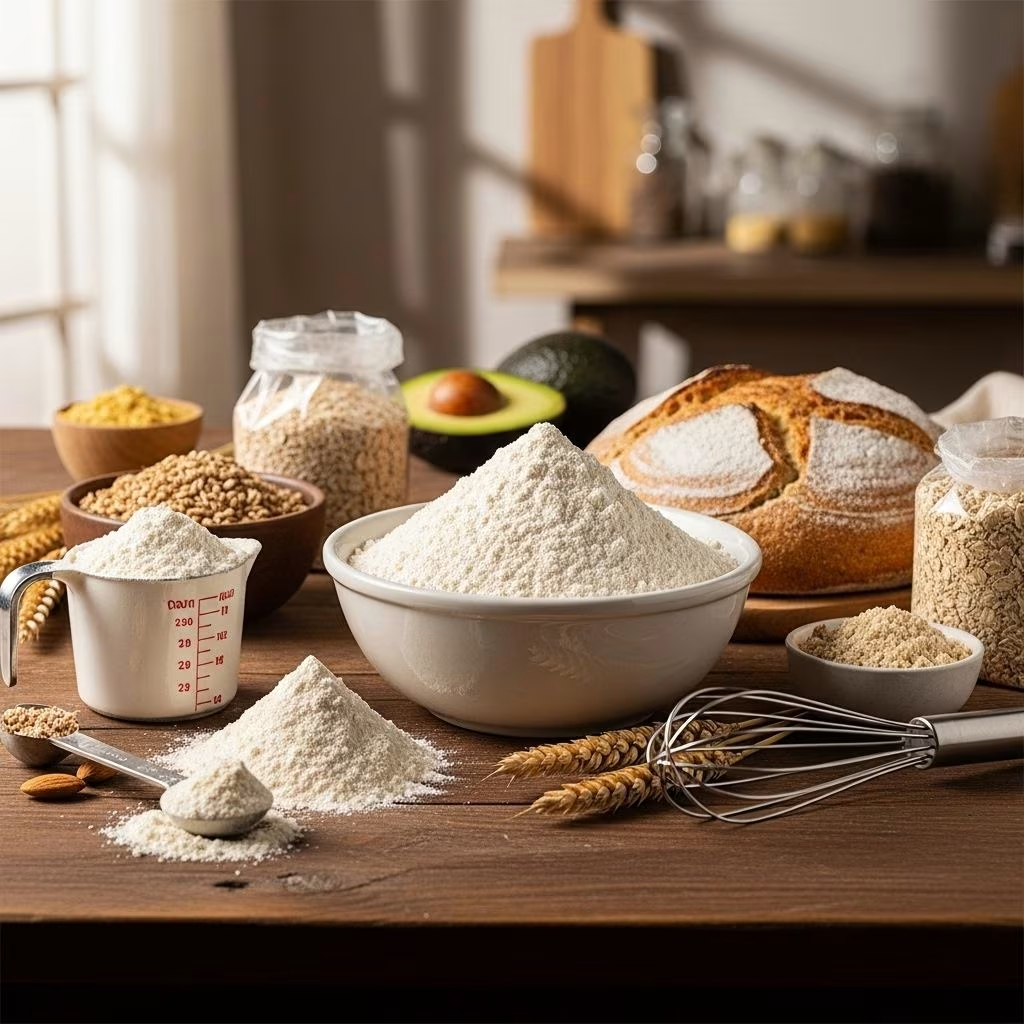
Wheat flour is a kitchen staple worldwide, renowned for its versatility in baking, its nutritional profile, and a range of flour varieties that cater to both artisan bakers and everyday cooks. This comprehensive guide explores the roles of wheat flour in baking, discusses when and how to substitute, and provides a deep dive into its nutritional value and health implications.
Overview of Wheat Flour
Wheat flour is produced by grinding wheat kernels, separating the edible parts (endosperm, bran, and germ) to varying degrees depending on the desired type. It is prized for its gluten-forming proteins (glutenin and gliadin), which, when hydrated and mixed, create the elastic network essential for structure in many baked goods. Its unique properties make it the backbone of classic and modern baking alike.
Baking Uses: From Bread to Pastries
Wheat flour’s functionality in baking is determined by its gluten content, bran percentage, and protein strength. Here are the common baking uses and some examples:
- Breads (Yeasted): High-gluten wheat flours such as bread flour and whole wheat flour are ideal for yeasted breads, providing the structure needed for a lofty crumb and chewy texture.
- Cakes and Pastries: Lower-gluten flours like cake flour and pastry flour produce tender, delicate cakes, muffins, and quick breads by minimizing gluten development for a finer crumb.
- Cookies: Both all-purpose and specific lower-gluten flours yield cookies ranging from chewy to crispy. Soft wheat varieties like pima club and soft white wheat are preferred for a tender texture.
- Pie Crusts and Flatbreads: Medium-gluten flours (e.g., white sonora wheat) offer a balanced structure and easy handling, allowing for flaky, tender crusts and pliable flatbreads.
- Specialty Items: Flours like spelt, emmer, and khorasan (Kamut) can add unique flavors and subtle differences in structure, suitable for rustic breads and cookies.
Popular wheat flour-based baked goods include:
- Breads (e.g., sourdough, whole-grain loaves)
- Muffins and banana bread
- Cakes (chocolate cake, carrot cake, bundt cake)
- Cookies and biscotti
- Pie and tart crusts
- Flatbreads and pizza dough
- Crackers and breadsticks
Many of these recipes can be adapted to use a blend of wheat flour types, optimizing both nutrition and desired texture.
Types of Wheat Flour and Their Purposes
Wheat flour comes in many forms, each suited for different culinary applications:
| Type | Wheat Variety | Gluten/Protein Content | Common Uses |
|---|---|---|---|
| All-Purpose | Blend of hard and soft wheat | 10.5–12% | Cakes, cookies, pancakes, muffins, breads |
| Bread Flour | Hard red or white wheat | 12–14% | Breads, bagels, pizza dough |
| Cake Flour | Soft wheat | 7–9% | Light cakes, sponge cakes, cupcakes |
| Pastry Flour | Soft wheat | 8–9% | Pastries, pie crusts, cookies |
| Whole Wheat Flour | Red or white wheat (bran, germ, endosperm) | 11–14% | Hearty breads, muffins, pancakes |
| White Whole Wheat Flour | Hard white wheat | Similar to whole wheat | Breads, baked goods with lighter flavor |
| Specialty Flours | Spelt, emmer, einkorn, kamut, durum, etc. | Varies | Breads, pasta, cookies, rustic baking |
Choosing the right flour impacts your recipe’s flavor, nutrition, and texture. For example, hard red wheat imparts a robust flavor and strength, while white wheat lends a milder taste and lighter color, preferred for subtle bread and cake recipes.
Substitutes for Wheat Flour: Health & Dietary Needs
Many home bakers seek alternatives to standard wheat flour for reasons ranging from gluten intolerance to boosting nutrition. Here are some common wheat flour substitutes:
- Alternative Whole Grains: Rye, barley, spelt, and oat flours add distinctive flavors and nutritional profiles but may alter texture. Use in combination with wheat flour for best results.
- Gluten-Free Options:
- Rice flour (white or brown) – Light, mildly sweet, common in gluten-free blends.
- Almond flour – Moist, nutty, low-carb, often used in cakes and cookies.
- Coconut flour – Absorbs much liquid; use sparingly in recipes.
- Buckwheat flour – Earthy, strong flavor; works well in pancakes and rustic breads.
- Chickpea (garbanzo) flour – Nutty, dense, high in protein, great for savory baked goods.
- Cornmeal/corn flour – Brings sweetness and color to baked goods, especially cornbread and muffins.
- Blends of potato, tapioca, and sorghum flours are common in commercial gluten-free mixes.
- Pseudocereals: Amaranth and quinoa flours add unique tastes and nutrients with moderate structure.
- Blended and Custom Mixes: Many recipes and commercial brands blend several flours with binding agents (e.g., xanthan gum) to mimic wheat flour’s elasticity, particularly for gluten-free baking.
Substitution Tips:
- Whole wheat flour can often replace up to 50% of all-purpose flour in established recipes without major texture changes. For fully whole grain recipes, increase liquid to compensate for bran’s absorbency, and consider resting doughs/batters for better hydration.
- For gluten-free baking, follow tested recipes that pair the right flours with leavening and binders to avoid collapsed or crumbly products.
- Substitute by weight, not volume, for the most accurate results.
Nutritional Profile of Wheat Flour
The nutrition of wheat flour depends significantly on processing:
- Refined (white) wheat flour has had bran and germ removed, yielding a fine texture but less fiber and lower micronutrient content.
- Whole wheat flour retains bran and germ, providing higher fiber, vitamins, minerals, and phytonutrients.
| Nutrient (per 100g) | Refined White Flour | Whole Wheat Flour |
|---|---|---|
| Calories | 364 kcal | 340 kcal |
| Protein | 10g | 13g |
| Carbohydrates | 76g | 72g |
| Fiber | 2.7g | 10.7g |
| Fats | 1g | 2.5g |
| Iron | 1.2mg | 3.6mg |
| Magnesium | 16mg | 117mg |
Whole wheat flour provides more fiber (about four times as much), B vitamins (such as niacin, thiamin, and folate), iron, magnesium, selenium, and protective plant compounds. While white flour is often fortified to replace some lost nutrients, whole grain is preferred for overall health.
Health Benefits of Whole Wheat Flour
- Digestive Health: High fiber content aids in healthy digestion, regularity, and gut microbiome balance.
- Cardiovascular Support: Fiber, antioxidants, and phytonutrients in whole wheat have been linked to reduced cholesterol and heart disease risk.
- Blood Sugar Management: The bran and germ slow carbohydrate absorption, reducing blood sugar spikes.
- Micronutrients: Contains iron (for preventing anemia), magnesium (for metabolism/muscle/nerve function), selenium (antioxidant defense), and B vitamins (energy metabolism).
Health Considerations and Dietary Tips
While wheat flour is nutritious for most, some individuals must limit or avoid it:
- Celiac Disease or Wheat Allergy: Cannot consume any product containing wheat or gluten. Gluten-free flours are necessary.
- Non-Celiac Gluten Sensitivity: Some people experience digestive discomfort from gluten without classical allergy.
- High Carb/Low Carb Diets: Those on low-carb diets may prefer almond or coconut flour with lower net carbs.
For the majority, including more whole wheat flour in the diet can support health by increasing fiber and nutrients. When transitioning to whole wheat in baking:
- Start by replacing 25–50% of the all-purpose flour in your recipes with whole wheat flour to acclimate to the taste and texture.
- Hydrate batters and doughs for a few extra minutes to allow the bran to absorb moisture.
- Add flavor enhancers (a touch more vanilla, spices, or sweetener) if desired to round out the robust flavor profile.
- Store whole wheat flour in the refrigerator or freezer to keep the natural oils from going rancid.
Frequently Asked Questions (FAQs)
Q: Can I replace all-purpose flour with whole wheat flour in any recipe?
A: Mostly, yes, but expect a heavier texture and more robust flavor. Start with a partial substitution and adjust hydration (add a little more liquid) as whole wheat absorbs more water.
Q: What’s the best substitute for wheat flour in gluten-free baking?
A: A mix of gluten-free flours (such as rice, sorghum, almond) plus a binder (like xanthan gum or psyllium husk) works best in mimicking the properties of wheat flour.
Q: What baked goods are best suited for whole wheat flour?
A: Hearty items like whole grain breads, muffins, pancakes, and rustic cookies. Lighter items (e.g., classic cakes) may need recipe adaptations or blends for optimal texture.
Q: Does wheat flour expire?
A: Yes. Whole wheat flour, due to its oils, can go rancid within a few months at room temperature. Store in a cool, air-tight environment or freeze for longer shelf life.
Q: How does white whole wheat differ from regular whole wheat?
A: White whole wheat is milled from hard white wheat, offering a milder taste and lighter color but retaining the full nutrition of traditional whole wheat.
Summary
Wheat flour’s role in baking is unmatched—whether for its structure, flavor, or nutrition. Whole wheat flour boosts health benefits, while clever substitutes offer solutions for every dietary need. Understanding the characteristics of different types, and mastering substitutions, empowers every cook and baker to create nourishing, delicious baked goods for any table.
References
- https://breadtopia.com/converting-cake-cookie-pastry-recipes-to-whole-grain-flour/
- https://www.101cookbooks.com/ingredient/whole-wheat-flour
- https://www.kingarthurbaking.com/recipes/collections/our-best-golden-wheat-recipes
- https://grainsinsmallplaces.net/category/baking-with-fresh-milled-flour/
- https://www.bettycrocker.com/recipes/dishes/breads-and-roll-recipes/gold-medal-flour-whole-wheat-recipes


