


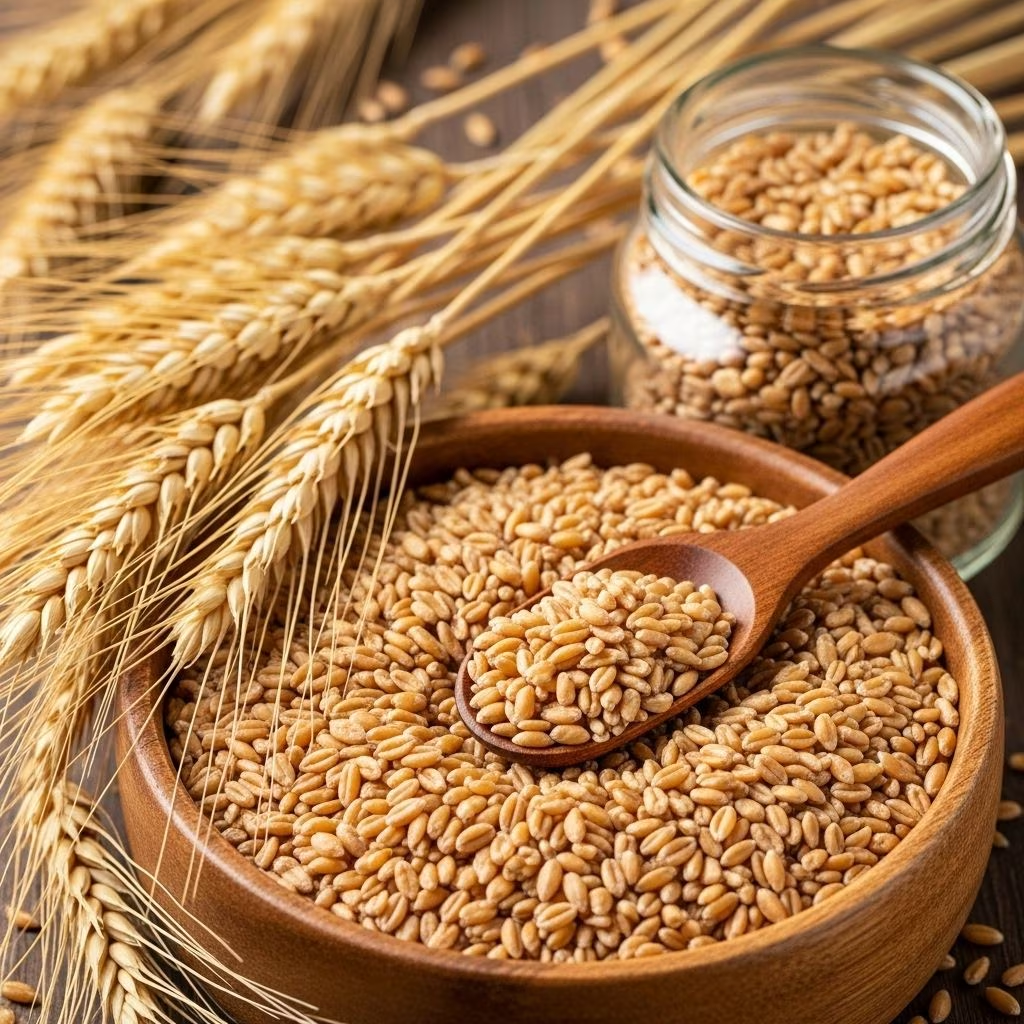
Wheat germ, often described as a nutritional powerhouse, is the heart of wheat grain. Though commonly removed during wheat processing, it delivers a diverse range of nutrients and bioactive compounds, making it a superior addition to the diet for those seeking health and flavor. This comprehensive guide explores everything you need to know about wheat germ—its nutritional profile, science-backed health benefits, versatile culinary uses, and distinctive taste.
What Is Wheat Germ?
Wheat germ is the embryo or the reproductive part of the wheat kernel, responsible for the plant’s future growth. It constitutes only about 2.5% of the wheat kernel by weight but is packed with nutrients and healthy fats. During processing to make white flour and other refined wheat products, wheat germ (along with the bran) is typically removed to improve shelf stability.
In its natural state, wheat germ is available in several forms:
- Raw wheat germ: The most nutrient-dense, minimally processed form.
- Toasted wheat germ: Offers a nuttier flavor and is used for toppings.
- Wheat germ oil: Extracted from the germ; high in vitamin E and used both as a supplement and in culinary applications.
- Supplements: Available as capsules or powders.
Nutritional Profile of Wheat Germ
Wheat germ stands out for its dense concentration of macronutrients and micronutrients. Below is a summary of its nutritional composition based on a 1-cup (115g) serving:
| Nutrient | Amount | % Daily Value |
|---|---|---|
| Calories | 414 kcal | — |
| Protein | 27g | 48% |
| Total Fat | 11g | 14% |
| Saturated Fat | 2g | 10% |
| Carbohydrates | 60g | 22% |
| Dietary Fiber | 15g | 54% |
| Iron | 7mg | 90% |
| Magnesium | 275mg | 65% |
| Phosphorus | 968mg | 138% |
| Potassium | 1026mg | 22% |
| Zinc | 14mg | 128% |
| Thiamin (B1) | 2mg | 180% |
| Vitamin B6 | 1mg | 115% |
| Folate | 323μg | 81% |
| Selenium | 91μg | 166% |
Key highlights:
- Excellent source of vegetable protein (24% of calories from protein)
- Rich in fiber, supporting digestive health
- Contains healthy fats, including polyunsaturated and monounsaturated fatty acids
- Offers significant amounts of B vitamins (thiamin, vitamin B6, folate)
- Mineral-rich, particularly in iron, zinc, magnesium, phosphorus, and selenium
- Zero cholesterol and sodium is negligible
Vitamins and Antioxidants in Wheat Germ
Wheat germ is a natural source of vitamin E, a potent antioxidant that supports immune health and cell protection. It also delivers B vitamins critical for metabolism, nerve function, and red blood cell health. The high levels of minerals such as magnesium and phosphorus make it especially valuable in plant-based or vegetarian diets.
Key Health Benefits of Wheat Germ
The unique nutritional profile of wheat germ underlies a variety of health benefits. Here are the main, scientifically-supported advantages:
- Supports Heart Health
The healthy fats and abundant dietary fiber in wheat germ may contribute to reduced cholesterol levels and improved cardiovascular health. Regular consumption of whole grains, including wheat germ, has been linked to a lower risk of heart disease. - Boosts Immune Function
High levels of vitamin E, zinc, and selenium help support the body’s defense systems. Antioxidants found in wheat germ fight free radicals, helping to reduce oxidative stress and inflammation. - Improves Digestive Health
The significant fiber content (over half your daily recommended intake in one cup) supports regularity and prevents constipation. Fiber-rich diets are important for gut health and may contribute to prevention of digestive disorders. - Promotes Healthy Weight Management
Dense with nutrients but low in empty calories, wheat germ provides lasting energy and a feeling of fullness, aiding weight management efforts and reducing overeating. - Supports Muscle Growth and Repair
With its high protein content, wheat germ is excellent for supporting muscle recovery and growth, making it useful in vegetarian or active diets. - Provides Essential B Vitamins
Wheat germ is packed with thiamin (B1), niacin (B3), and folate (B9), all of which are vital for energy production, brain function, and healthy pregnancy. - Potential Role in Disease Prevention
Emerging research explores the use of fermented wheat germ extracts (like Avemar) for their potential anti-cancer, anti-inflammatory, and immune-modulating effects. While promising, more clinical evidence is needed before making definitive claims.
Summary: Is Wheat Germ a Superfood?
While the term “superfood” is often overused, wheat germ’s diversity of vitamins, minerals, protein, and antioxidants suggest it deserves a prominent role in a balanced diet. As a concentrated source of nutrients, even small servings can provide noticeable dietary benefits.
Culinary Uses: How to Incorporate Wheat Germ
Wheat germ’s mild, slightly nutty flavor and fine, crumbly texture make it easy to add to a variety of foods without overpowering flavors or mouthfeel. It is available in most grocery stores, health food shops, and online in both raw and toasted forms.
- Breakfast Boost: Stir wheat germ into hot oatmeal, breakfast cereals, granola, or yogurt for a nutrient and flavor upgrade.
- Baking Substitute: Replace some flour in muffins, pancakes, quick breads, waffles, or cookies with wheat germ to increase iron, fiber, and protein.
- Smoothies: Blend a tablespoon or two into smoothies for an instant nutrition increase without altering the texture noticeably.
- Toppings: Sprinkle raw or toasted wheat germ over salads, roasted vegetables, fruit pies, or ice cream for added crunch and nutrition.
- Breading Agent: Use wheat germ instead of, or in combination with, breadcrumbs as a coating for chicken, fish, or vegetable patties.
- Meatloaf & Meatballs: Mix into ground meat mixtures for moisture, structure, and nutritional benefits.
- Soups & Stews: Stir in just before serving as a thickener and nutrition booster.
Because wheat germ is rich in healthy fat and can go rancid, it should be stored in an airtight container in the refrigerator or freezer after opening to maintain freshness and nutrient quality.
Taste and Texture: What Does Wheat Germ Taste Like?
Wheat germ is known for its subtle nutty, slightly sweet flavor and pleasantly crunchy yet powdery texture. Raw wheat germ is mild and blends seamlessly with most foods, while toasted wheat germ develops a richer, toasted aroma and flavor, similar to nuts or toasted seeds. This makes it exceptionally versatile in culinary applications; it can be easily added to both sweet and savory dishes without overwhelming the other ingredients.
| Type | Flavor | Best Uses |
|---|---|---|
| Raw Wheat Germ | Mild, faintly nutty, delicate | Blending into smoothies, stirring into yogurt, sprinkling on cereals |
| Toasted Wheat Germ | Stronger, toastier, richer, almost caramelized | Topping baked goods, adding crunch to salads or savory dishes, crusting meats |
Potential Side Effects and Allergies
- Gluten Content: As part of the wheat kernel, wheat germ contains gluten and is unsuitable for those with celiac disease or non-celiac gluten sensitivity.
- Caloric Density: Wheat germ is high in nutrients but relatively calorie-dense; excessive intake could add up for those closely monitoring calorie intake.
- Allergies: Individuals with wheat allergy should avoid wheat germ, as it can provoke allergic reactions.
- Oxalate Content: Wheat germ contains moderate levels of oxalates; those prone to kidney stones may wish to moderate intake.
Frequently Asked Questions (FAQs)
Q: Can wheat germ help lower cholesterol?
A: Preliminary research and some dietary recommendations indicate that wheat germ—particularly wheat germ oil—may assist in balancing cholesterol levels thanks to its fiber and unsaturated fat content, but its efficacy is best when included as part of a balanced, whole grain-rich diet.
Q: Is wheat germ safe for people with gluten intolerance?
A: No. Wheat germ contains gluten and is not safe for those with celiac disease or gluten intolerance.
Q: How should I store wheat germ?
A: Store wheat germ in a tightly sealed container in the refrigerator or freezer to prevent rancidity. Exposure to heat, light, or air can cause its oils to become rancid over time.
Q: What’s the recommended daily amount of wheat germ?
A: While there is no formal daily recommended intake, 1–2 tablespoons per day is a common serving size, easily added to recipes for an energy and nutrient boost.
Q: Can wheat germ be taken as a supplement?
A: Yes, it is available in powdered, liquid, and capsule forms—usually as wheat germ oil supplements, focused particularly on its vitamin E content.
Q: Does wheat germ spoil?
A: Because of its polyunsaturated fat content, wheat germ can become rancid if stored at room temperature for long periods. Proper refrigeration preserves its freshness and nutritional quality.
References
- Eat This Much: Wheat Germ Nutrition Facts
- Healthline: Wheat Germ Benefits
- URMC: Wheat Germ Nutrition Facts
References
- https://www.eatthismuch.com/calories/wheat-germ-4837
- https://www.healthline.com/health/wheat-germ-benefits
- https://www.urmc.rochester.edu/encyclopedia/content?contenttypeid=76&contentid=20078-1
- https://www.webmd.com/diet/health-benefits-wheat-germ
- https://nutritionfacts.org/hnta-video/clinical-effects-of-wheat-germ/
- https://tools.myfooddata.com/nutrition-facts/168892/100g
- https://www.nutritionvalue.org/Wheat_germ,_crude_nutritional_value.html


