


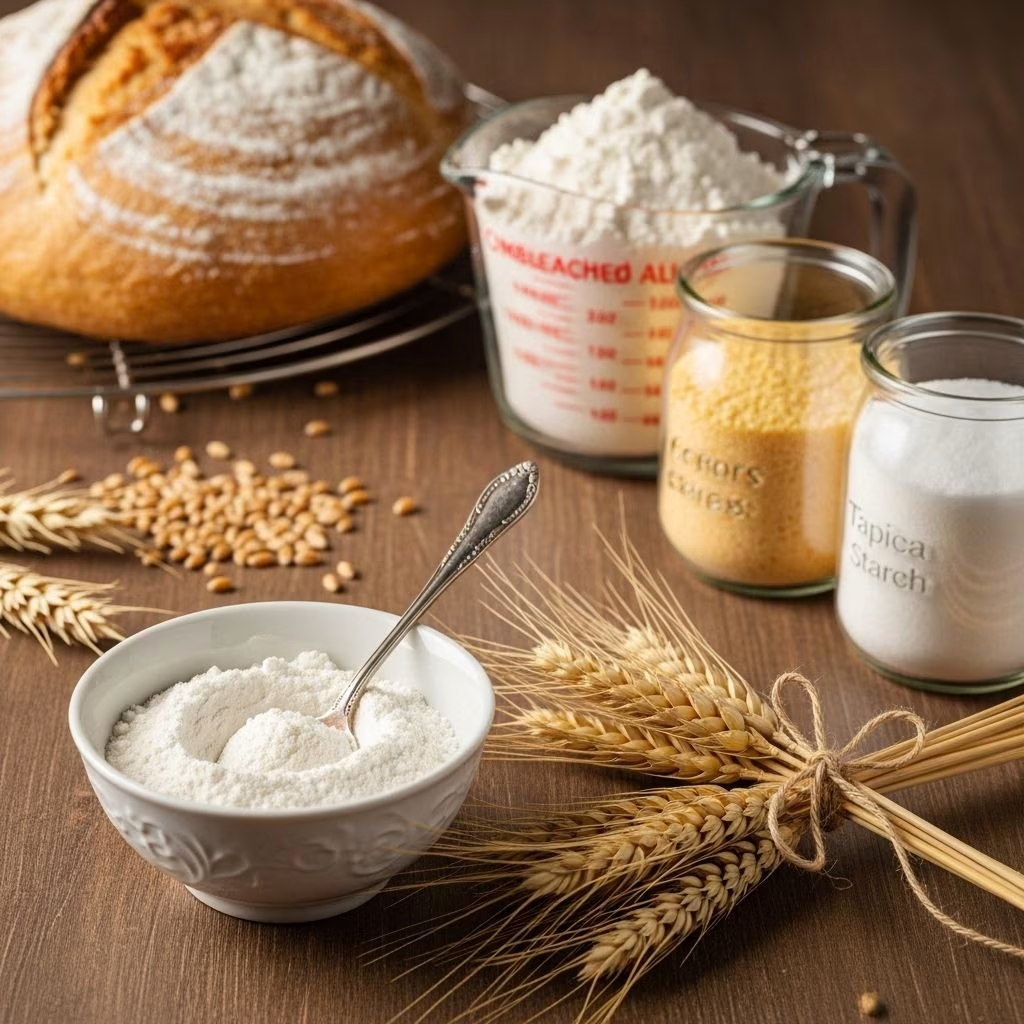
Wheat starch is a foundational ingredient in many baking and culinary traditions around the world. From delicate pastries and fluffy breads to thick sauces and glossy fillings, wheat starch plays a pivotal role in defining textures and structures in a vast array of foods. This guide delves into what makes wheat starch unique, its most popular baking applications, comprehensive nutritional facts, and the best substitutes for allergen-free or gluten-free needs.
What Is Wheat Starch?
Wheat starch is a complex carbohydrate extracted from wheat grains after the removal of protein components, primarily gluten. The extraction process isolates the starchy part, resulting in a fine, neutral-flavored white powder. While it shares its botanical origins with wheat flour, it is valued for its mild taste, smooth texture, and unique thickening properties.
The main features that set wheat starch apart:
- High starch content: Composed mainly of amylose and amylopectin.
- Minimal protein: Contains very little gluten protein after milling.
- Neutral flavor: Does not impact the overall taste of baked goods.
- Versatile functionality: Bonds water, retains moisture, and creates specific textures.
It should be noted that while most gluten is removed, wheat starch may not be suitable for those with celiac disease or severe gluten intolerance unless specifically processed and labeled as “gluten-free” wheat starch.
Baking Uses of Wheat Starch
Wheat starch is prized in both traditional and modern baking. Its ability to create a fine and tender crumb, bind moisture, and thicken without adding noticeable flavor or color makes it indispensable:
- Cakes and Pastries: Used in sponge cakes, Swiss rolls, and chiffon cakes to create a light, airy texture.
- Bread Making: Blended with flours to modify texture and softness, especially in Asian bakery items such as Chinese steamed buns (mantou) and mooncakes.
- Thickening Agent: Preferred for clear soups, glazes, and sauces where transparency is desired.
- Desserts: Provides structure to custards, puddings, and creamy fillings.
- Batter Coating: Used as a dusting in fried or battered foods for extra crispness without weight.
- Gluten-Free Baking: When thoroughly purified, some wheat starch (look for certified gluten-free variations) may be included in recipes for celiac-friendly products.
In many Asian desserts and bakery traditions, wheat starch is essential for producing the desired chewiness and elasticity—for example, in dim sum skins or translucent dumpling wrappers.
Nutrition Facts of Wheat Starch
Nutritionally, wheat starch is almost entirely carbohydrate. Its protein and fat content is minimal, reflecting the rigorous processes used to strip out other components in wheat grain.
| Nutritional Component | Amount (per 100g) |
|---|---|
| Calories | 346 kcal |
| Carbohydrates | 84–86 g |
| Protein | 0.3–0.5 g |
| Total Fat | 0–0.2 g |
| Fiber | <0.5 g |
| Sodium | 0 mg |
Key takeaways:
- Low protein & fat: Does not contribute protein or essential fatty acids.
- Low micronutrient content: Almost no vitamins or minerals after processing.
- High glycemic index: Causes a sharp rise in blood sugar; not suitable for low-GI diets.
- Not a significant fiber source.
Due to its refined nature, wheat starch serves a purely functional role in cooking, not as a source of nutrition.
Best Substitutes for Wheat Starch
When dietary preferences, allergies, or ingredient shortages arise, several ingredients can successfully take the place of wheat starch in recipes. The best substitute depends on the function (thickening, binding, texture) and dietary needs (gluten-free, low-carb, etc.).
Top Alternatives to Wheat Starch
- Tapioca Starch (Flour): Derived from the cassava root, tapioca starch is gluten-free and has powerful thickening and binding abilities. It imparts a chewy texture, making it ideal for puddings, pie fillings, sponge cakes, and gluten-free breads. Tapioca can be substituted 1:1 but provides a glossier finish and stronger binding, so some adjustment may be needed.
- Cornstarch: Readily available, cornstarch is popular for its clarity and thickening efficiency in sauces and desserts. It has less flavor than wheat starch and a lower glycemic index, which may benefit some dietary needs. Substitute 1:1 by volume in most applications.
- Rice Starch: Rice-derived, gluten-free, and very neutral in flavor. It excels as a thickener and moisture-retainer in baked goods, but use about half as much rice starch as wheat starch (as it’s rather potent).
- Arrowroot Powder: Derived from tropical tubers, arrowroot powder is gluten-free and suitable for both baking and sauce thickening. It provides a smooth, silky texture and can help gluten-free baked goods retain shape and moisture. Use roughly the same amount as wheat starch when swapping.
- Xanthan Gum: A modern thickener and stabilizer produced via fermentation. Xanthan gum is very potent—only a small amount is needed—and is widely used in gluten-free baking for texture and elasticity. Ideal for gluten-intolerant diets but may require experimentation as it’s far more powerful than starches.
- Guar Gum: Sourced from guar beans, guar gum provides lightness and texture in gluten-free recipes. Like xanthan, dosage is critical, as too much can create off-textures.
- Almond Flour: Made from ground almonds, this is not a strict starch but can function similarly in some cookie and cake recipes, especially where added fat and rich flavor are desired. Not suitable for all thickening needs.
Other possible substitutes include potato starch, gluten-free blends, and instant clear jel. The optimal choice depends on recipe specifics and any food sensitivities present.
How to Substitute Wheat Starch in Recipes
Swapping out wheat starch for another starch or thickener can be straightforward with the following guidelines:
- Know the function: Are you thickening a liquid, baking a cake, or improving mouthfeel? Choose a substitute that matches your need: thickening (cornstarch, rice starch), elasticity (tapioca, xanthan gum).
- Adjust quantities: Many alternatives, particularly gums, are more potent than wheat starch. Use half the amount for rice starch, a one-to-one ratio for cornstarch or tapioca, and only about 1/4 teaspoon per cup of flour for gums.
- Dissolve well: Starches and gums blend best with cold liquids before heating to prevent lumps.
- Watch texture changes: Some substitutes (like tapioca or arrowroot) yield a glossier or chewier final product.
- Test small batches: When converting recipes, make a small batch first to monitor for acceptable taste and texture. Some substitutes may slightly alter color, flavor, or stability.
Comparison Table: Wheat Starch and Its Popular Substitutes
| Type | Gluten-Free? | Thickening Power | Texture/Finish | Best Uses |
|---|---|---|---|---|
| Wheat Starch | No/Trace | Medium | Neutral, smooth | Cakes, sauces, translucent dumplings |
| Tapioca Starch | Yes | High | Chewy/glossy | Breads, pies, fillings, puddings |
| Cornstarch | Yes | High | Smooth, clear gel | Gravies, custards, desserts |
| Rice Starch | Yes | High | Light, dry | Cookies, delicate cakes |
| Arrowroot | Yes | Moderate-High | Silky, clear | Glazes, fillings, gluten-free baking |
| Xanthan Gum | Yes | Very High | Elastic, thick | GF breads, binding agent |
| Guar Gum | Yes | Very High | Light, airy | Cakes, ice creams |
| Almond Flour | Yes | Low | Nutty, dense | Cookies, some cakes |
Frequently Asked Questions (FAQs)
Q: Is wheat starch gluten-free?
A: Standard wheat starch does contain trace amounts of gluten and is not safe for those with celiac unless labeled “gluten-free” after thorough processing.
Q: Why is wheat starch used in baking rather than just wheat flour?
A: Wheat starch is valued for its ability to create airy, fine textures in cakes or crispy shells in pastries, without the heaviness or flavor associated with wheat flour.
Q: Which is the best gluten-free wheat starch substitute for baking cakes?
A: Tapioca starch or a mix of rice starch with a pinch of xanthan gum works exceptionally well for mimicking the lightness and crumb of wheat starch-based cakes.
Q: Can I use wheat starch as a direct substitute in gluten-free baking?
A: Only if it is specifically processed to remove gluten and certified “gluten-free.” Otherwise, opt for other starches like corn, rice, or tapioca for safety.
Q: Do wheat starch substitutes change the taste of baked goods?
A: Most are neutral in taste, but texture and mouthfeel may vary. Almond flour brings a nutty flavor, while tapioca and potato starches can add chewiness or gloss.
Q: What is the shelf life of wheat starch?
A: When kept dry and airtight, wheat starch lasts up to two years. Discard if it develops an off odor or lumps.
References: The information provided synthesizes research from modern baking practice, food science resources, and recent culinary publications on starches and gluten-free baking alternatives.
References
- https://www.cookingdetective.com/blogs/cooking/wheat-starch-substitutes
- https://lowhistamineeats.com/wheat-starch-substitute/
- https://www.onsetworldwide.com/blog/how-to-substitute-wheat-starch-in-a-recipe
- https://gluten.org/2019/10/17/gluten-free-grains/
- https://www.thegrumble.com/threads/is-there-an-alternative-to-having-to-cook-up-wheat-starch-paste.90291/
- https://www.youtube.com/watch?v=TjOYonemypQ


