


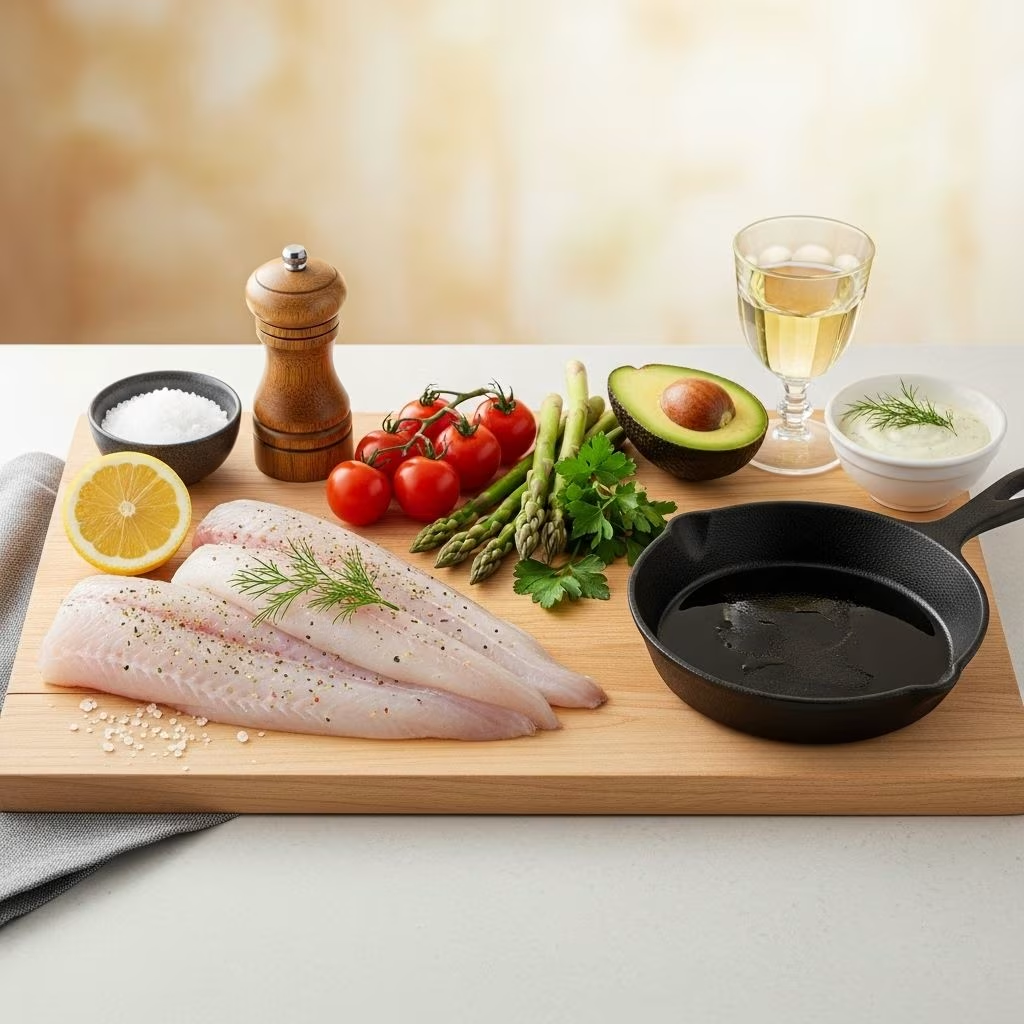
Whiting fish is a highly prized member of the whitefish family, celebrated for its delicate texture, mild flavor, and excellent nutritional profile. Found in both the Atlantic and Pacific Oceans, whiting is an affordable, sustainable, and versatile seafood option that fits a range of culinary traditions. This comprehensive guide explains what whiting fish is, its health advantages, popular uses, and unique taste, empowering you to make informed choices in both diet and cooking.
What Is Whiting Fish?
Whiting refers to several closely related species of marine whitefish, most often the Pacific whiting (Merlangius merlangus) and members of the Gadiformes (cod-like fishes). It is also sometimes known as hake, with species distributed in both the Atlantic and Pacific Oceans. Whiting is recognized by its silvery body, black specks on the back, a pointed snout, and a slender shape. Adult whiting can grow up to 70 cm (about 2.3 feet) in length and typically weigh up to 1.4 pounds.
Whiting is abundant along the US and Canadian West coasts and the British Isles, especially during autumn and winter. In the environment, whiting is semi-pelagic, forming large, loose shoals. At night, they move into shallow water to feed, making them easier to catch.
- Family: Cod family (Gadidae)
- Other names: Pacific hake, silver hake, European whiting
- Habitat: Continental shelf and slopes, depth of 30m to 150m
Nutritional Profile of Whiting
Whiting fish is a nutrient-dense food, making it an excellent choice for health-conscious eaters. Its nutritional content per 100 grams:
| Nutrient | Amount (per 100g cooked) |
|---|---|
| Calories | 86 kcal |
| Protein | 19 g |
| Fat | 1 g |
| Calcium | 44 mg |
| Iron | 1 mg |
| Vitamin C | 1.1 mg |
| Vitamin A | 88 IU |
Source: WebMD
- Low in fat (making it ideal for weight management and heart health)
- High in protein (supports muscle repair, growth, and satiety)
- Contains essential minerals (especially calcium and iron)
- Low mercury levels, especially in Atlantic whiting
Health Benefits of Whiting Fish
Whiting fish is not just delicious; it’s highly beneficial for your health. Here’s a breakdown of the main health advantages:
- Supports Heart Health
Low in saturated fat, rich in lean protein, whiting helps lower the risk of cardiovascular disease if substituted for red and processed meats. - Helps Build and Maintain Muscle
With 19 grams of protein per serving, whiting makes an excellent food to support an active lifestyle and aid tissue repair. - Boosts Bone and Immune Health
Whiting provides calcium, iron, and vitamin C—all important for bone strength and immune function. - Low Mercury, Safe for Regular Consumption
Compared to certain seafood, whiting contains minimal mercury, posing little risk for most consumers, including pregnant women and children. - Weight-Friendly
Its low caloric and fat content makes whiting especially suitable for calorie-controlled diets.
Experts recommend eating a variety of seafood weekly to benefit from the omega-3 fatty acids and micronutrients present in fish like whiting.
Culinary Uses of Whiting
Whiting’s delicate, mild flavor and flaky texture make it highly versatile in the kitchen. It is commonly used in traditional dishes throughout Europe, North America, and the Mediterranean. Here are the most popular culinary uses:
- Pan Frying: Perhaps the most beloved method, especially in Southern cooking traditions. Seasoned, breaded whiting fillets are fried until golden and crispy.
- Baking: Whiting fillets can be baked whole or as pieces, often with herbs, breadcrumbs, or a splash of lemon.
- Grilling: Quick cooking over high heat preserves moisture and highlights a slightly sweet undertone.
- Poaching or Steaming: These gentle methods keep the flesh soft and moist, ideal for healthy, low-fat dishes.
- Fish Cakes and Patties: Flaked whiting is often incorporated into fish cakes, croquettes, or fritters.
- Fish Stews and Curries: Thanks to its mild taste, whiting blends well with sauces and spices as a base for hearty soups or curries.
- Sandwiches: Fried whiting fillets are commonly served on soft white bread or buns, topped with tartar sauce or slaw.
Because whiting is generally more affordable than other whitefish, it provides excellent value for families and restaurants alike.
Taste and Texture of Whiting
What sets whiting apart from other whitefish is its mild, slightly sweet flavor and delicate, flaky texture. If you enjoy cod or haddock, you will likely appreciate whiting’s lighter character. Here’s what to expect:
- The taste is subtle, making it a good pairing for herbs, spices, and light sauces.
- The flesh is soft and flaky when cooked, not as firm as cod.
- There is a clean finish—no lingering “fishy” aftertaste.
- Comparable to pollock, catfish, or cod, but slightly sweeter and finer in flake.
This flavor profile makes whiting particularly suited for those who prefer a less assertive fish taste.
Buying, Storing, and Preparing Whiting
How to Choose Whiting
Look for fresh whiting fillets or whole fish at supermarkets, fishmongers, or specialty markets. Fresh specimens should have:
- Firm, translucent flesh
- Mild odor (not fishy or sour)
- Bright, clear eyes if whole
- Metallic, silvery skin
Storage
- Refrigerate fresh whiting immediately and use within 1–2 days for best flavor.
- Whiting freezes well for up to 3 months if sealed tightly and kept at 0°C/32°F.
- Thaw frozen whiting in the refrigerator overnight before cooking for optimal texture.
Preparation Tips
- Remove pin bones with tweezers from fillets before cooking.
- If cooking whole, score the skin slightly to help heat penetrate evenly.
- Whiting is suited to quick, gentle cooking to preserve moisture and delicacy.
Sustainability and Environmental Impact
Whiting is considered a sustainable seafood choice, particularly Pacific whiting, which is managed under strict conservation measures in the US and Canada. The mid-water trawling methods have a low environmental impact, minimizing bycatch and habitat disturbance.
- Pacific whiting stocks are robust and not overfished, making it one of the most abundant commercial fisheries on the Pacific Coast.
- High reproductive rates and rapid growth ensure stable populations.
- Most fisheries offer certification and traceability for buyers prioritizing sustainability.
Consumers looking for eco-friendly seafood can confidently add whiting to their regular diet.
Whiting vs Other Whitefish
Whiting shares many similarities with cod, haddock, and pollock, but with distinct advantages:
| Feature | Whiting | Cod | Haddock | Pollock |
|---|---|---|---|---|
| Flavor | Mild, slightly sweet | Mild, slightly firm | Mild, sweet | Mild, neutral |
| Texture | Delicate, flaky | Firm, flaky | Fine, flaky | Coarse, flaky |
| Mercury Content | Low | Low | Low | Low |
| Cost | Lower | Higher | Moderate | Lower |
| Sustainable? | Yes | Varies | Varies | Yes |
Whiting’s price and sustainability credentials make it outstanding among whitefish options.
Sample Recipes Featuring Whiting
1. Southern Pan-Fried Whiting
- Typical prep: Coat fillets in seasoned cornmeal or flour, then pan-fry in oil until crisp.
- Accompaniments: Coleslaw, tartar sauce, cornbread.
2. Baked Whiting with Lemon and Herbs
- Brush whiting fillets with olive oil, lemon juice, and sprinkle with thyme and parsley.
- Bake at 180°C (350°F) for 12–15 minutes.
3. Whiting Fish Cakes
- Poach fillets, flake meat, combine with potato, egg, and spices. Pan-fry until golden.
4. Mediterranean Whiting Stew
- Simmer whiting fillets with garlic, tomatoes, olives, and green peppers.
- Serve with crusty bread.
Frequently Asked Questions (FAQs)
Is whiting fish the same as hake or cod?
Whiting is closely related to cod and can be labeled “hake” in some regions, but it is a separate species with slightly softer texture and lighter flavor.
Is whiting good for children and pregnant women?
Yes. Whiting is low in mercury and high in essential nutrients, making it safe and healthy for most populations, including children and those pregnant.
What are the main dietary benefits of whiting fish?
High protein, low fat, low calories, essential minerals, and vitamins.
How does whiting taste compared to other whitefish?
Whiting is milder and slightly sweeter with a softer, flakier texture compared to cod or haddock.
Is whiting fish sustainable?
Pacific whiting stocks are robust, and fishing methods are considered environmentally responsible.
What is the price range for whiting?
Whiting is generally considered an inexpensive fish, often costing considerably less per pound than cod or salmon.
Can whiting be substituted for other whitefish in recipes?
Absolutely. Whiting can substitute for cod, haddock, or pollock in most recipes, particularly where a tender texture and mild flavor are preferred.
Conclusion
Whiting fish stands out as one of the most nutritious, versatile, and sustainable choices in the world of seafood. With its mild flavor, delicate texture, and high protein content, it adapts easily to countless recipes and appeals to a wide range of palates. Its sustainability, low mercury, and affordability further cement whiting’s status as a top recommendation for healthful eating and culinary experimentation. Whether baked, fried, or poached, whiting delivers taste and wellbeing in every bite.
References
- http://www.webmd.com/diet/what-health-benefits-whiting
- https://www.fisheries.noaa.gov/species/pacific-whiting
- https://www.dictionary.com/browse/whiting
- https://northumberlandseafood.co.uk/portfolio-item/whiting/
- https://www.savorythoughts.com/pan-fried-whiting-fish/
- https://www.merriam-webster.com/dictionary/whiting
- https://en.wikipedia.org/wiki/Whiting_(fish)
- https://jamitbistrony.com/whiting-fish-food-everything-you-need-to-know/
- https://realtree.com/timber-2-table-wild-game-recipes/whiting-the-panfish-of-the-sea
- https://www.intfishcan.com/species/whiting/


