


Understanding Wild Violets
Wild violets are one of spring’s most enchanting gifts, adorning lawns, gardens, and woodland edges with their delicate purple blooms. These charming perennials belong to the Viola genus and have been cherished for centuries not only for their beauty but also for their remarkable medicinal and culinary properties. Far from being mere lawn weeds, wild violets represent a valuable addition to any forager’s repertoire and a testament to nature’s abundant pharmacy.
The most common species encountered in North America is Viola sororia, also known as the common blue violet. These native plants form low-growing clumps that spread vigorously through both seeds and underground rhizomes, creating charming patches of heart-shaped leaves and purple flowers that herald the arrival of spring. Their adaptability allows them to thrive in various conditions, from shaded woodland floors to sunny garden edges, making them accessible to foragers across diverse landscapes.
What makes wild violets particularly special is their dual nature as both food and medicine. The entire above-ground portion of the plant, including leaves and flowers, offers nutritional value and therapeutic benefits that have been recognized across cultures and generations. Understanding how to properly identify, harvest, and utilize these plants opens up a world of natural wellness and culinary creativity.
Identifying Wild Violets With Confidence
Proper identification is the cornerstone of safe and successful foraging. Wild violets possess several distinctive characteristics that make them relatively easy to identify once you know what to look for. However, because violet leaves can resemble other plants, it’s essential to observe multiple features and, ideally, wait until the flowers appear before harvesting.
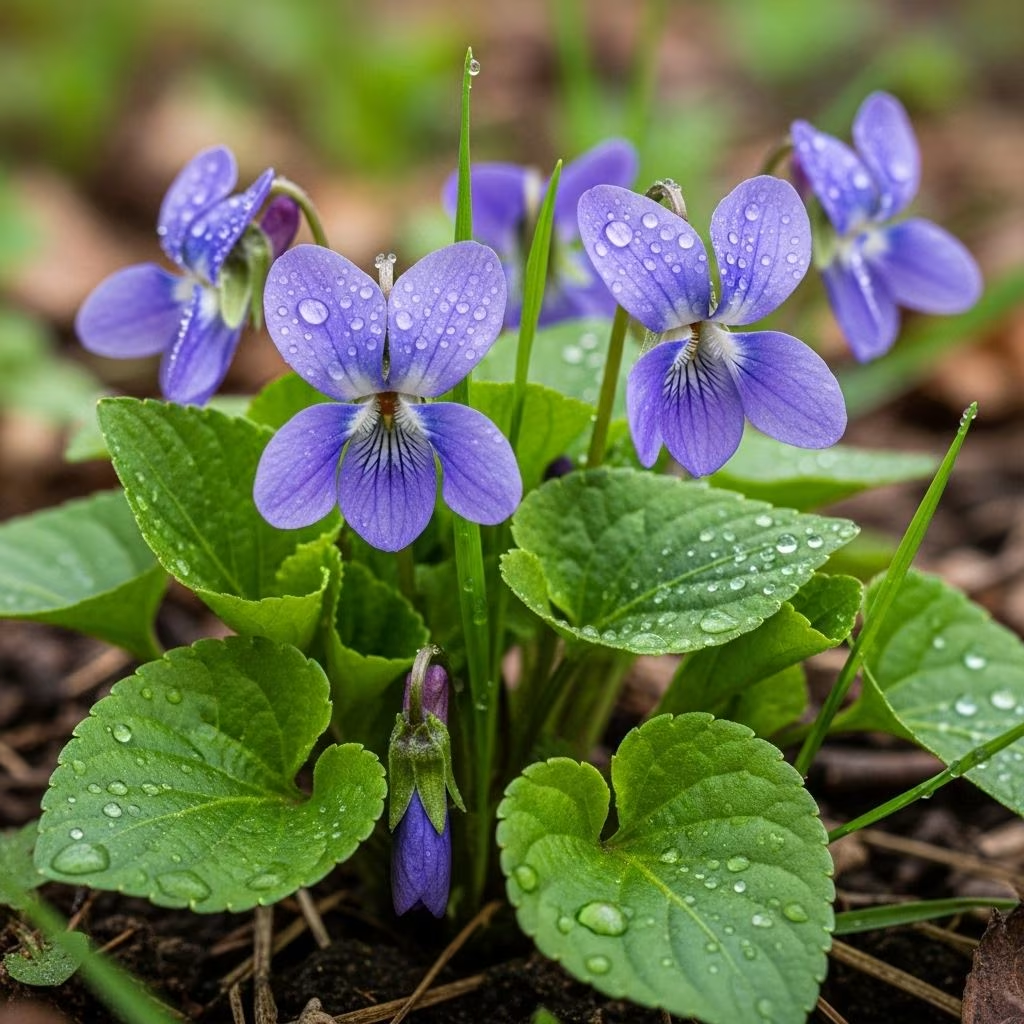
The flowers of wild violets are perhaps their most recognizable feature. Each bloom consists of five petals arranged in a characteristic star pattern, with two petals pointing upward, two extending to the sides, and one pointing downward. The center of the flower typically displays contrasting streaks or veining that guides pollinators to the nectar. While blue-purple is the most common color, wild violets can also produce white or occasionally yellow flowers. Each flower emerges on its own leafless stalk directly from the base of the plant, creating a charming display above the foliage.
The leaves of wild violets are equally distinctive, featuring a heart shape with gently rounded teeth along the margins. These heart-shaped leaves often have lobes that curl slightly toward the leaf stalk, and each leaf grows on its own individual stem emerging from the plant’s base in a rosette pattern. The leaf surface is smooth with a waxy coating on top and fine hairs on the underside. Leaf color varies depending on growing conditions: plants growing in full shade produce darker green, larger leaves, while those in sunny locations develop smaller, lighter green foliage.
Wild violets grow as low clumps, typically reaching between 3 and 10 inches in height. They form fibrous root systems with rhizomes capable of producing new plants, which allows them to establish substantial colonies over time. The plants prefer moist soil and can often be found growing near streams, in woodland edges, or in shaded garden areas, though they can adapt to full sun if moisture is adequate.
When and Where to Forage Wild Violets
Timing is everything when foraging wild violets. These spring ephemerals make their appearance when temperatures begin to warm and daylight hours extend. In mild climates, this can occur as early as February or March, while in colder northern regions, wild violets typically emerge in mid to late spring, often appearing alongside other spring favorites like dandelions and lilacs.
The ideal time to harvest wild violets is during their blooming period, which typically lasts 4 to 6 weeks. This timing serves two important purposes: first, the presence of flowers confirms your identification beyond doubt, and second, both flowers and leaves are at their peak freshness and vitality during this period. Morning harvesting is particularly recommended, as the plants are most turgid and haven’t yet been stressed by heat and sun exposure.
Wild violets can be found in diverse environments across North America and Europe. Look for them in forests, meadows, gardens, parks, and even in your own lawn. They particularly favor areas with moist soil and partial shade, though they demonstrate remarkable adaptability. Woodland edges, the bases of trees, alongside streams, and in shaded garden beds are all prime locations. However, they can also colonize sunny lawns and garden areas where soil moisture is maintained.
When selecting foraging locations, prioritize areas that have not been treated with pesticides, herbicides, or other chemicals for at least seven years. Avoid roadsides where plants may be contaminated with heavy metals from vehicle exhaust, and never harvest from private property without permission. Public parks and preserves often restrict foraging, so always check local regulations before harvesting. Your own yard or the yards of friends who don’t use chemical treatments often provide the safest and most accessible foraging opportunities.
Harvesting Wild Violets Sustainably
Sustainable harvesting practices ensure that wild violet populations remain healthy and abundant for future seasons. When harvesting, adopt a gentle approach that respects the plant’s ability to regenerate. Pick individual flowers and leaves by hand, being careful not to damage the roots or pull up the entire plant. Leave at least two-thirds of any violet patch unharvested to allow the plants to continue photosynthesizing and producing energy for future growth.
For flowers, simply pinch or cut the stem near the base where it meets the leaf cluster. The flowers are best harvested when fully open and fresh, as they will have the most vibrant color and best flavor at this stage. Collect flowers into a basket or breathable bag rather than plastic, which can cause them to wilt quickly. For leaves, select younger, tender leaves rather than the oldest, toughest ones, as these will have better texture and flavor.
One important caution: avoid harvesting violet roots. While the leaves and flowers are safe and beneficial, violet roots can be toxic in excess and should not be consumed. Focus your harvesting efforts exclusively on the above-ground portions of the plant. Additionally, make absolutely certain you have correctly identified wild violets by confirming the presence of the characteristic purple, white, or yellow flowers before consuming any part of the plant.
After harvesting, process your violets as soon as possible to preserve their freshness. If you need to store them briefly, place them in a container lined with a damp paper towel and refrigerate, where they should keep for a few days. However, fresh is always best when it comes to maximizing both flavor and medicinal benefits.
Nutritional and Medicinal Benefits
Wild violets pack an impressive nutritional punch in their delicate appearance. Both the leaves and flowers are rich in vitamins A and C, with violet leaves containing even more vitamin C than oranges by weight. This makes them an excellent addition to spring diets, particularly after the vitamin-depleted winter months. The leaves also provide vitamin E, calcium, iron, and various minerals that support overall health.
Beyond basic nutrition, wild violets have been valued in traditional medicine systems for centuries. They possess natural anti-inflammatory properties that make them useful for addressing various conditions. Herbalists have traditionally used violet preparations to soothe respiratory complaints, including coughs, bronchitis, and congestion. The plant’s mucilaginous properties help coat and calm irritated tissues, making violet syrup or tea a gentle remedy for throat discomfort.
Wild violets also demonstrate lymphatic system support, helping to promote healthy lymph flow and reduce swelling. This property has made them valuable in traditional approaches to treating swollen glands and supporting the body’s natural detoxification processes. Some herbalists incorporate violets into formulas designed to support healthy skin, as the plant’s properties may help address certain skin conditions when used both internally and externally.
The flowers and leaves contain flavonoids and other beneficial plant compounds that contribute antioxidant effects, helping to protect cells from oxidative damage. These same compounds may contribute to the plant’s traditional use for supporting cardiovascular health and promoting overall wellness. Wild violets have also been used traditionally to address headaches and mild pain, though more research is needed to fully understand these mechanisms.
Culinary Uses for Wild Violets
Wild violets bring both visual appeal and subtle flavor to various culinary creations. The flowers have a delicate, slightly sweet taste with mild floral notes, while the leaves offer a more verdant, slightly mucilaginous quality similar to spinach or other mild greens. Both parts of the plant can be used fresh or preserved for later use.
Fresh violet flowers make stunning garnishes for salads, desserts, and beverages. Their vibrant purple color remains stable, making them perfect for decorating cakes, cookies, and other confections. Scatter fresh flowers over spring salads for a pop of color and gentle flavor, or float them in sparkling water or cocktails for an elegant touch. The flowers can also be incorporated into compound butters or cream cheese spreads for a unique presentation.
One of the most popular preparations is candied violets, created by painting fresh flowers with egg white or gum arabic solution, dusting them with superfine sugar, and allowing them to dry. These crystallized flowers maintain their color and shape for months, providing edible decorations that taste as delightful as they look. Candied violets grace wedding cakes, cupcakes, and other special occasion desserts.
Violet syrup captures the essence of the flowers in a sweet, purple-hued liquid that can be used in countless ways. To make violet syrup, steep fresh flowers in hot water to create a strong infusion, strain, then combine with sugar and simmer until thickened. This syrup can be drizzled over pancakes, stirred into lemonade or cocktails, or used to flavor desserts. Violet jelly follows a similar process but uses pectin to create a spreadable preserve.
The leaves of wild violets shine in cooked preparations. Add them to soups, where they contribute a mild flavor and help thicken the broth due to their mucilaginous properties. Sauté violet leaves with garlic and olive oil as a simple side dish, or incorporate them into quiches, frittatas, or savory pies. The leaves can also be added to green smoothies, where their mild flavor blends easily with fruits and other greens.
Preparing Violet Tea and Infusions
Violet tea represents one of the simplest and most effective ways to enjoy the benefits of wild violets. Both flowers and leaves can be used to create soothing, beneficial infusions that support wellness throughout the spring and beyond. The preparation methods vary depending on your intended use and the strength of infusion desired.
For a simple violet flower tea, place a handful of fresh flowers (about one cup loosely packed) in a heat-proof container and pour two cups of just-boiled water over them. Cover and steep for 10-15 minutes, then strain. The resulting infusion will have a beautiful blue-purple color and mild, pleasant flavor. This tea can be enjoyed hot or chilled, and may be sweetened with honey if desired. Violet flower tea provides a gentle way to support respiratory health and enjoy the plant’s beneficial compounds.
Violet leaf infusions require slightly different preparation to extract their full benefits. Use fresh or dried violet leaves, placing approximately two tablespoons of leaves per cup of water in a jar. Pour boiling water over the leaves, cover, and allow to steep for at least four hours or overnight for a stronger medicinal infusion. This longer steeping time extracts more of the minerals and beneficial compounds from the leaves. Strain and drink up to three cups daily.
For a special treat, try violet moon milk, a soothing bedtime beverage that combines violet infusion with warm milk (dairy or plant-based), honey, and gentle spices like cardamom or cinnamon. The calming properties of violet combined with warm milk create a comforting ritual perfect for winding down before sleep. The violet infusion can be concentrated and mixed with warmed milk, creating a beautiful lavender-hued drink.
Creating Violet Medicinal Preparations
Beyond simple teas, wild violets can be prepared in various medicinal forms that preserve their benefits and extend their usability beyond the short spring harvest season. These preparations allow you to access violet’s therapeutic properties throughout the year.
Violet syrup serves both culinary and medicinal purposes, combining the plant’s benefits with the soothing properties of honey or sugar. To create medicinal violet syrup, make a strong infusion of violet flowers and leaves, strain thoroughly, then combine with an equal amount of honey or simmer with sugar until thickened. This syrup can be taken by the spoonful to soothe coughs and sore throats, or added to warm water as a therapeutic tea. Store violet syrup in sterilized jars in the refrigerator, where it will keep for several months.
Tinctures provide a concentrated, shelf-stable way to preserve violet’s medicinal properties. To make violet tincture, fill a jar about halfway with fresh violet leaves and flowers, then cover completely with 80-proof or higher alcohol such as vodka. Seal and store in a cool, dark place for 4-6 weeks, shaking daily. Strain and bottle in amber glass containers. Violet tincture can be used in small doses (typically 1-2 dropperfuls) diluted in water to support lymphatic health and address other wellness concerns.
Violet-infused oil creates a base for salves and skin care preparations. Fill a jar with fresh violet flowers that have been wilted for 12-24 hours to reduce moisture content, cover with a carrier oil such as olive or sweet almond oil, and allow to infuse for 4-6 weeks in a cool, dark location. Strain and use the oil as-is for massage or skin care, or incorporate it into salves by warming with beeswax. Violet-infused preparations may help soothe irritated skin and support healing.
Growing Wild Violets in Your Garden
While wild violets readily establish themselves in many landscapes, you can also intentionally cultivate them to ensure a reliable supply of these beneficial plants. Growing violets in your garden provides convenient access to fresh flowers and leaves while creating habitat for pollinators and other beneficial insects.
Wild violets prefer locations with partial shade and consistently moist, well-draining soil rich in organic matter. They tolerate a range of light conditions from full shade to full sun, though plants in shadier locations will produce larger leaves while those in sunnier spots will have more compact growth with more prolific flowering. Violets are hardy in USDA zones 3-9, making them suitable for most of North America.
To establish violets in your garden, you can transplant divisions from existing wild patches (with permission if not on your property), purchase nursery-grown plants, or start from seed. When transplanting, dig up small clumps including roots and soil, and replant at the same depth in prepared locations. Water well and keep soil consistently moist until plants are established. Violets spread naturally through both rhizomes and self-seeding, so a small planting can expand into a larger colony over time.
Maintenance is minimal once violets are established. They require no fertilization and thrive in average garden soil. Water during extended dry periods to prevent stress. Violets are generally pest and disease-resistant, though slugs may occasionally browse the leaves. Allow some flowers to go to seed if you want your violet patch to expand naturally. The plants will die back in winter and reemerge in spring.
One consideration is that violets can be enthusiastic spreaders, and some gardeners view them as overly vigorous. If you want to contain their spread, grow them in defined areas or remove seed pods before they mature and disperse. However, for foragers and herbalists, having an abundant supply of violets right outside the door is a decided advantage worth any minor containment efforts.
Important Safety Considerations
While wild violets are generally safe for most people when properly identified and used appropriately, several important safety considerations should be observed. First and foremost, absolute certainty in identification is essential. Never consume any wild plant unless you are completely confident in your identification. Use multiple reliable sources, including field guides, online resources, and ideally, guidance from an experienced forager to confirm identification.
Violet leaves do have some look-alikes that could cause confusion. Young leaves of some other plants may appear similar before flowers emerge, which is why it’s critical to wait until the characteristic flowers appear before harvesting for consumption. The five-petaled purple, white, or yellow flowers with their distinctive star arrangement provide the most reliable identification marker. It’s also worth noting that African violets, common houseplants, are completely unrelated to wild violets and are not edible.
Avoid consuming violet roots, as they can be toxic in excess. Stick to harvesting and using only the leaves and flowers, which are the parts with established safety profiles and traditional use. When first trying violets, start with small amounts to ensure you don’t have any individual sensitivities or reactions. While adverse reactions are rare, it’s always prudent to introduce new foods gradually.
Pregnant and nursing women should consult with healthcare providers before using wild violets medicinally, though culinary use in normal food quantities is generally considered safe. People with existing medical conditions or those taking medications should also seek professional guidance, as even gentle herbs can potentially interact with medications or affect certain conditions. Wild violets are not intended to diagnose, treat, cure, or prevent any disease, and should not replace appropriate medical care.
Frequently Asked Questions
Q: Are all violets with purple flowers safe to eat?
A: True wild violets (Viola species) with five-petaled purple flowers are edible. However, you must be completely certain of identification before consuming. African violets are not related and are not edible. Always confirm multiple identifying characteristics including heart-shaped leaves, growth pattern, and flower structure.
Q: Can I harvest wild violets from my lawn?
A: Yes, if your lawn has not been treated with pesticides, herbicides, or chemical fertilizers for at least seven years. Violets growing in untreated lawns are safe to harvest. Many foragers deliberately let violets flourish in their yards specifically for harvesting.
Q: How do violet flowers and leaves taste?
A: Violet flowers have a delicate, slightly sweet, mild floral flavor. The leaves taste similar to mild leafy greens like spinach, with a slightly mucilaginous texture when chewed raw. Both parts have subtle flavors that work well in various culinary applications.
Q: What’s the difference between wild violets and pansies?
A: Wild violets and pansies both belong to the Viola genus and are related. Pansies are typically cultivated varieties with larger, showier flowers. Wild violets are smaller, grow in rosette formation, and spread via rhizomes and self-seeding. Both are edible, but wild violets have more established medicinal uses.
Q: How long do dried violet flowers keep their color?
A: Properly dried and stored violet flowers can maintain their color for several months to a year. Store them in airtight containers away from light and moisture. Candied violets can last even longer when stored properly. However, for the best color and benefits, using fresh flowers is always preferred.
Q: Can wild violets help with respiratory issues?
A: Wild violets have traditional uses for supporting respiratory health, particularly for soothing coughs and throat irritation due to their mucilaginous properties. However, they should complement rather than replace appropriate medical care for respiratory conditions. Always consult healthcare providers for persistent or serious symptoms.
Q: When is the best time of day to harvest wild violets?
A: Morning is the ideal time to harvest wild violets, after the dew has dried but before the heat of the day. At this time, the plants are well-hydrated and fresh, and the flowers haven’t been stressed by sun exposure. This ensures the best quality and longest-lasting harvest.
Q: Do wild violets spread aggressively?
A: Wild violets spread vigorously through both rhizomes and self-seeding. Seeds can explode from dried seed pods and are also carried by ants. While this makes them readily available for foraging, some gardeners consider them invasive. They can be managed by removing seed pods and containing their growing area.
References
- https://practicalselfreliance.com/wild-violets/
- https://foragerchef.com/violets/
- https://extension.umn.edu/weeds/wild-violet
- https://midwesterner.org/field-guide-violets/
- https://foragedfoodie.blogspot.com/2017/03/foraging-for-wild-violets.html
- https://www.wyldstudio.com/ode-to-wild-violets-sweetest-sign-of-spring/
- https://throughthewildwood.com/foraging-wild-violets/
- https://schisandraandbergamot.com/wild-violets/
- https://www.herbstalk.org/blog/wild-violet


