


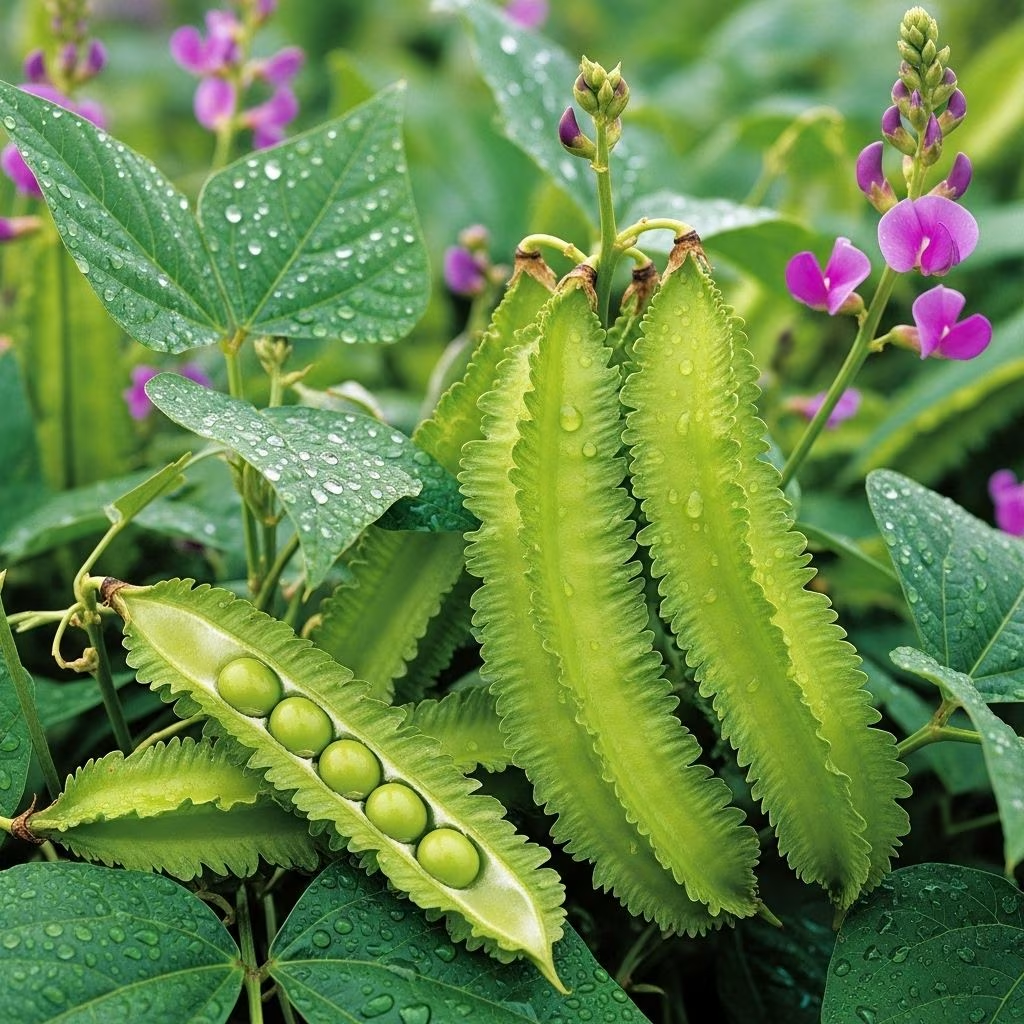
The winged bean (Psophocarpus tetragonolobus) is a unique, highly nutritious legume valued for its edible pods, leaves, flowers, seeds, and even roots. Prized in Southeast Asian and South Asian cuisines, it is renowned for its impressive nutrient profile, culinary versatility, and ability to thrive in tropical climates. This article explores everything about the winged bean: its origins, key characteristics, nutritional benefits, culinary uses, and how it tastes, as well as practical tips for growing, preparing, and enjoying this remarkable plant.
Introduction to Winged Bean
The winged bean goes by many names including dragon bean, Goa bean, four-angled bean, and manila bean. It is a tropical perennial legume grown mostly in South, Southeast Asia, and parts of Africa. All parts of the plant are edible: the pods, seeds, leaves, flowers, and tuberous roots, each offering distinct flavors and nutritional benefits. This plant is widely recognized by both farmers and health-conscious consumers for its adaptability, disease resistance, and ability to offer food security in tropical climates.
Origin and History
The winged bean is believed to have originated in New Guinea, though it now grows extensively throughout hot, humid equatorial regions such as South Asia, Southeast Asia, and tropical Africa. The plant’s ease of growth and nitrogen-fixing abilities have made it important in subsistence and smallholder agriculture. Though still underutilized compared to other legumes, it has the potential to become a major crop in other tropical regions due to its versatility and nutritional density.
- First domesticated: Most likely in New Guinea
- Spread to: Asia, Africa, South America
- Primary regions: Thailand, Indonesia, Malaysia, Papua New Guinea, Tanzania
- Local names: Vary greatly—over 30 vernacular names have been recorded
Botanical Description and Varieties
The winged bean is a vigorous, twining vine, often climbing 3–4 meters (10–13 ft) in height when trellised. It is botanically categorized as follows:
| Family | Genus | Species | Common Names |
|---|---|---|---|
| Fabaceae (Legume family) | Psophocarpus | P. tetragonolobus | Winged bean, Goa bean, four-angled bean, princess bean, dragon bean |
Key Botanical Features:
- Pods: 15–22 cm (6–8.5 in) long, quadrangular in cross-section with four frilled ‘wings’ running lengthwise
- Flowers: Pale blue, resembling snap pea flowers
- Leaves: Ovate to lanceolate, up to 15 cm long, can be cooked like spinach
- Stems: Twining, green or sometimes purple
- Roots: Fleshy, tuberous, resembling sunchokes (Jerusalem artichoke); edible raw or cooked
- Seeds: Round, oval, or rectangular—color ranges from white/tan to brown
Varieties and Adaptation
- Tropical perennials: Most are grown year-round in hot, humid climates
- Day-neutral varieties: Some cultivars allow for annual growth in temperate climates with a long, warm growing season
Nutritional Benefits of Winged Bean
The winged bean is considered a nutritional powerhouse, often compared to soybeans in protein content and overall value. It stands out among legumes for the impressive nutritional profile of each plant part.
| Plant Part | Key Nutrients | Uses |
|---|---|---|
| Pods | Protein, dietary fiber, vitamin C, vitamin A, iron, calcium | Stir-fries, stews, steaming, salads |
| Seeds | High protein (approx. 30-39%), healthy fats, B vitamins, minerals | Roasted, boiled, milled for flour, similar to soybean uses |
| Leaves | Vitamin A, vitamin C, minerals | Cooked as greens, similar to spinach |
| Flowers | Vitamin C, antioxidants | Salads, garnishes |
| Tubers | Carbohydrates, protein, calcium | Eaten raw, boiled, or roasted |
Highlights:
- Protein content: 29.8–39%, rivalling or exceeding many other legumes
- Rich source of: Iron, calcium, phosphorus, vitamin A, vitamin C, riboflavin, and thiamin
- Low in fat, high in dietary fiber
- All edible plant parts combine to offer a full spectrum of nutrients
Health Benefits
Consuming winged bean regularly can offer a host of health advantages, both from its nutrient density and bioactive compounds:
- Supports muscle maintenance and repair because of its rich plant-based protein content—especially valuable in vegetarian and vegan diets
- Promotes digestive health: High dietary fiber aids in regular bowel movements and gut health
- Improves immunity thanks to vitamin C and antioxidant content
- Supports bone and dental health—calcium and phosphorus help maintain strong bones and teeth
- Enhances eye health: Vitamin A is critical for vision and immune function
- May help combat anemia: High iron content can support hemoglobin synthesis
Additionally, the presence of essential amino acids, minerals, and vitamins means the winged bean addresses nutritional deficiencies that are still common in many developing regions. As a legume, it also contributes to sustainable food systems by improving soil fertility through nitrogen fixation.
Culinary Uses: How to Cook and Eat Winged Bean
Every part of the winged bean can be incorporated into diverse dishes:
- Young pods – Best harvested while tender, used in stir-fries, curries, stews, or simply sautéed with garlic and oil
- Seeds – Can be used like soybeans: boiled, roasted, or ground into flour for breads, porridges, and snacks
- Leaves – Cooked as greens, added to soups or steamed as with spinach
- Flowers – Eaten fresh in salads or as decorative garnishes
- Tubers – Mild, sweet, and crisp when raw; also good roasted or boiled
Popular Dishes
- South Asian curries: Tender pods stir-fried or curried with spices, coconut milk, and sometimes seafood
- Southeast Asian salads: Sliced young pods and flowers tossed with chili, lime, and herbs
- Leafy greens: Prepared much like spinach or amaranth, often sautéed or simmered
- Winged bean chips: Thin slices of pods, lightly battered and fried
Cooking Tips
- Harvest at the right stage: Pods are best when young and crisp (10–15cm long)
- Cook lightly: Brief steaming, sautéing, or stir-frying helps retain color and crunch
- To prepare seeds: Boil like regular beans or roast for a nutty flavor; can also be fermented to make tempeh-like products
- Roots: Peel and slice as you would sunchokes
Taste Profile: What Does Winged Bean Taste Like?
The winged bean’s taste varies slightly by plant part and preparation method:
- Young pods: Crisp, fresh, and slightly sweet with a flavor reminiscent of snap peas, asparagus, and green beans
- Seeds: Nutty and mildly sweet, with a bean-like richness that deepens when roasted or boiled
- Leaves: Earthy, mildly bitter, similar to spinach or amaranth greens
- Flowers: Mild and slightly sweet, sometimes used for subtle color and texture in salads
- Tubers: Starchy, crunchy, and faintly sweet when eaten raw; deeper, earthier flavor when cooked
Overall, the flavor is subtle and versatile, making winged bean suitable for a wide array of culinary applications.
Growing Winged Bean: Tips for Gardeners
Winged beans can be a rewarding, albeit somewhat challenging, crop for home gardeners outside tropical zones. Here’s what to know:
- Climate: Thrives in hot, humid conditions; some varieties can be grown as annuals in temperate climates with a sufficiently long, warm season
- Soil: Prefers well-draining, fertile soils rich in organic matter
- Sunlight: Needs full sun for optimal growth
- Trellising: Provide strong support for climbing vines—plants can reach up to 13 feet (4 meters)
- Watering: Moderate moisture; avoid waterlogged soils
- Sowing: Pre-soak seeds before sowing to improve germination; plant after the danger of frost has passed
- Pests: Generally resistant but may face issues from aphids, downy mildew, and aphid-borne viruses
- Harvesting: Pick young pods regularly to encourage continued production throughout the season
Buying and Storage Guide
- Availability: Most commonly found fresh in tropical Asian markets from late spring through fall; sometimes sold as seeds or dried pods
- Selection: Choose pods that are bright green, firm, and free from blemishes. Leaves should be vibrant and fresh. Tubers must be plump and free of mold spots.
- Storage: Store in the refrigerator’s vegetable crisper. Use pods and leaves within a few days for best freshness; seeds can be stored (dried) for months; tubers store up to a week in cool, dry conditions.
Winged Bean & Sustainability
Besides its nutritional virtues, the winged bean is praised as a “super-crop for the tropics”:
- Nutrient cycle improvement: Efficient nitrogen fixer—enriches soil and reduces the need for synthetic fertilizers
- Low input requirements: Grows vigorously in poor soils and local garden conditions
- Food security: Offers year-round, multi-purpose yields, important where protein sources are scarce or expensive
- Supports pollinators: Pale blue flowers attract beneficial insects
The plant’s ability to thrive with limited resources and provide multiple types of food for people and even livestock makes it an environmentally friendly and sustainable choice for agroecosystems in warm regions.
Frequently Asked Questions (FAQs)
Q: Is the winged bean safe to eat raw?
A: While young pods and tubers are sometimes eaten raw in salads, seeds and more mature pods should generally be cooked to reduce anti-nutritional factors, as with most legumes.
Q: How do winged bean seeds compare nutritionally to soybean?
A: Winged bean seeds are similar in protein content to soybeans (about 30–39%) and also contain healthy fats, B vitamins, and minerals, making them an excellent plant protein source.
Q: Can I grow winged bean in a temperate climate?
A: Yes, but you will need a long, warm growing season and should choose day-neutral or early-bearing varieties. Starting seeds indoors and using season extenders can help where summers are short .
Q: Does the winged bean have other uses apart from food?
A: Yes, the plant is also used as green manure to improve soil fertility, as animal fodder, and its high-protein leaves and pods can be fed to poultry and fish .
Q: Are there any allergens associated with winged bean?
A: Allergic reactions to winged bean are rare, but as with any legume, individuals with specific bean or legume allergies should exercise caution. No widespread allergenic compounds have been reported.
Conclusion
The winged bean stands out among world legumes for its nutritional value, culinary versatility, and environmental sustainability. Still underutilized in many regions, it is a promising super vegetable for the future of tropical agriculture, offering protein-rich seeds, nutrient-dense pods, edible leaves and roots, and beautiful, pollinator-friendly flowers. Whether enjoyed stir-fried, steamed, roasted, or raw, the winged bean deserves a place on more tables around the world.
References
- https://en.wikipedia.org/wiki/Winged_bean
- https://www.epicgardening.com/winged-bean/
- https://www.growables.org/informationVeg/BeanWinged.htm
- https://specialtyproduce.com/produce/Winged_Beans_321.php
- https://www.nparks.gov.sg/florafaunaweb/flora/3/3/3335
- https://pmc.ncbi.nlm.nih.gov/articles/PMC8400048/
- https://plants.usda.gov/plant-profile/PSTE10
- https://pfaf.org/user/Plant.aspx?LatinName=Psophocarpus+tetragonolobus


