


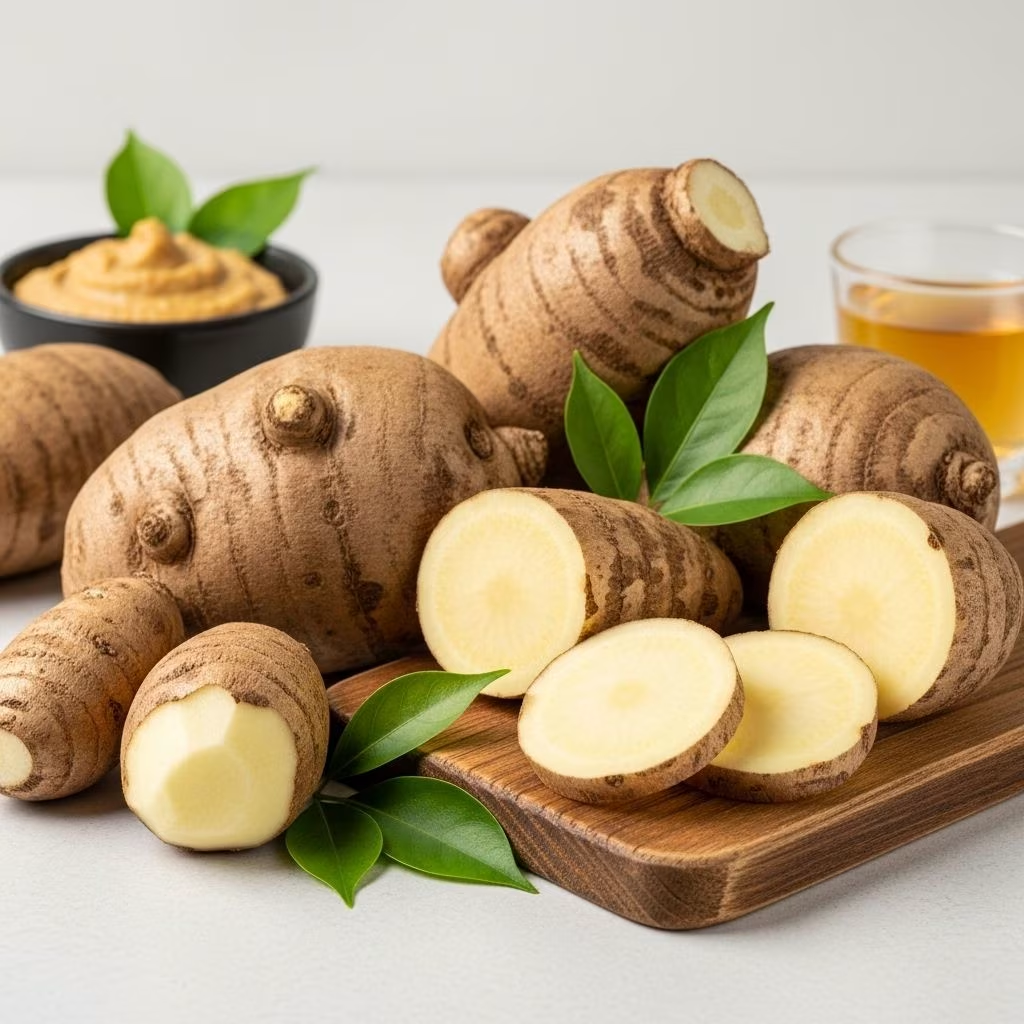
Yacón (Smallanthus sonchifolius) is a lesser-known, yet remarkable tuber originating from the Andes mountains. Praised both for its nutritional properties and culinary versatility, yacón is often described as a superfood because of its health-promoting prebiotics and low-calorie content. This article explores everything about yacón: from its botanical background and nutritional components to its advantages, culinary uses, and characteristic taste.
Introduction to Yacón
Yacón is a perennial herbaceous plant traditionally cultivated in the mid-elevations of the Andes, from Colombia to northern Argentina. The edible tuberous roots are cherished for their crisp texture, sweet taste, and refreshing qualities, making them a favorite among local farmers and a popular ingredient in Andean cuisine .
With its expanding popularity bolstered by global interest in its antihyperglycemic (antidiabetic) properties, yacón is now valued beyond its native range—finding a place in urban markets, wellness circles, and as a functional food ingredient.
Botanical Background and History
Yacón belongs to the Asteraceae family—the large group that includes sunflowers, Jerusalem artichokes, and dahlias. Often referred to as the Peruvian ground apple or occasionally confused with jícama (though unrelated), yacón distinguishes itself through its unique morphology and growing requirements.
- Plant height: Up to 2.5–3 meters (8–10 feet)
- Stem: Cylindrical to angular, hollow upon maturity
- Leaves: Oppositely arranged; hairy surface
- Tuber size: Up to 25 cm (10 inches) long and 10 cm (4 inches) wide
- Root color: Varies by variety—white, pink, brown, cream, purple
- Growth habit: Clonal propagation via rhizomes; up to 20 storage roots per plant
Yacón’s adaptability allows it to be grown across a range of climates, from subtropical regions to mountainous areas, since it is not photoperiod sensitive. It is also relatively tolerant of heat compared to other Andean crops and can yield heavily if cultivated as a perennial .
Historical and Cultural Significance
Yacón has been cultivated for centuries by indigenous Andean peoples who recognized its refreshing juice and energy-boosting qualities. Traditionally, it was grown along field borders as a seasonal refreshment during agricultural work. Despite its local prominence, yacón remained relatively obscure outside the Andes until international interest in its functional health properties emerged in the early 21st century .
Nutritional Profile of Yacón Root
Yacón’s value as a superfood is supported by its unique carbohydrate profile, high water content, and the presence of essential vitamins and minerals. Below is a breakdown of its notable nutritional constituents:
| Nutrient | Per 100g Raw Yacón | Main Health Role |
|---|---|---|
| Calories | Approx. 30–50 kcal | Low energy density |
| Water | ~85% | Hydration |
| Fructooligosaccharides (FOS) | 8–20 g | Prebiotic, blood sugar regulation |
| Dietary Fiber | ~3–5 g | Digestive health |
| Vitamin C | 2–10 mg | Antioxidant, immunity |
| Potassium | ~150–250 mg | Electrolyte balance |
- Fructooligosaccharides (FOS): These unique, indigestible carbohydrates are responsible for yacón’s mild sweetness. FOS pass through the digestive tract largely unabsorbed, acting as prebiotics to support beneficial gut bacteria and improve bowel health .
- Low Sugar & Calorie Content: Since most of the carbohydrates are FOS, yacón is significantly lower in calories and digestible sugars than most root vegetables—making it an appealing option for those managing blood sugar levels or pursuing weight management.
Health Benefits of Yacón Root
Consumption of yacón root is linked to several health advantages, especially compared to conventional tubers and sweet foods. Research focuses on its potential in metabolic wellness, gut health, and antioxidant capacity.
- Supports Blood Sugar Regulation
Because FOS do not raise blood glucose, yacón is recognized for its antihyperglycemic potential. Some studies suggest that regular intake may help lower fasting blood sugar, support insulin sensitivity, and assist diabetics in dietary control . - Promotes Digestive Health
Its prebiotic action fosters the growth of beneficial gut microflora, contributing to improved digestive function and enhanced immune defenses. Regular consumption is linked to relief from constipation and better bowel regularity. - Helps Weight Management
The combination of high water and fiber with low calories means yacón can help promote satiety, reduce overall caloric intake, and support healthy weight control. - Antioxidant Properties
Yacón contains vitamin C and various polyphenols, which help fight oxidative stress and reduce inflammation, supporting long-term health. - Hydration and Electrolyte Balance
Its juicy nature and potassium content contribute to hydration and maintenance of normal nerve and muscle function.
Emerging research is investigating further possible health benefits, such as cholesterol reduction and improved bone health, but more evidence is needed to substantiate these claims.
Culinary Uses and Preparation Methods
Yacón’s naturally sweet and juicy roots are used in a variety of ways, both as fresh produce and in processed forms. Unlike many starchy tubers, yacón is most often eaten raw, with its refreshing crunch likened to an apple or pear.
- Raw Slices: Peeled and sliced fresh roots are enjoyed as snacks, salads, or as a cooling hand-held treat in fields.
- Juice: The root can be pressed for a hydrating beverage rich in prebiotics.
- Syrup: Yacón syrup is made by concentrating extracted juice and is used as a natural sweetener in cooking, baking, and beverages. This syrup is particularly popular among people managing blood sugar.
- Cooked Dishes: Yacón can be diced and added to stir-fries, stews, soups, or baked goods, though it retains more crunch and sweetness when consumed raw.
- Fermentation and Pickles: In some traditions, yacón is fermented or pickled to enhance flavor complexity and probiotic content.
In recent years, yacón flour and chips have also appeared in specialty stores, catering to gluten-free diets and health food enthusiasts.
Taste Profile and Texture
One of the most distinctive aspects of yacón is its unique taste and texture. Described as a blend between watermelon, apple, and jícama, yacón stands apart from starch-heavy root vegetables.
- Crispness: Refreshing and crunchy, almost like a freshly harvested pear.
- Sweetness: Subtle, not cloying; attributed to fructooligosaccharides and inulin-related compounds.
- Floral & Resinous Notes: Some varieties exhibit a light floral undertone reminiscent of violets or resin, especially in mature roots ().
- Juiciness: High water content results in a thirst-quenching snack.
Overall, yacón offers a flavor experience distinct from potatoes, carrots, or turnips—appealing both to adventurous eaters and health-focused consumers.
Growing and Harvesting Yacón
Given its resilience and adaptability, yacón is increasingly being cultivated outside South America. Here are typical cultivation guidelines:
- Soil: Well-drained, moderately fertile; pH 6–7.5
- Temperature: Optimal range 18–25°C (64.5–77°F); tolerates heat better than most Andean crops
- Planting: Propagated asexually from crown rhizome segments or stem cuttings
- Irrigation: Moderate water requirements; roots benefit from consistent moisture
- Harvest: Roots are ready after 6–9 months, depending on climate; yield per plant can reach 20–30 pounds
Plants are usually resistant to most pests and diseases, though sunflower-related pests may occasionally affect crops .
Potential Side Effects and Considerations
Yacón is considered safe for most individuals when consumed as a food. However, certain considerations apply:
- Excessive intake of FOS could cause bloating or digestive discomfort in sensitive individuals.
- Syrup and processed forms may contain added sugars or differ in FOS content—always check labels, especially for special dietary needs.
- Rare allergic reactions have been reported; start with a small portion if trying for the first time.
As with any functional food, moderation and variety are suggested for optimal health.
Frequently Asked Questions (FAQs)
What is the difference between yacón and jícama?
Yacón (Smallanthus sonchifolius) is not related to jícama (Pachyrhizus erosus), though their textures are similar. Yacón is part of the sunflower family, whereas jícama is a legume .
Is yacón suitable for people with diabetes?
Due to its high FOS concentration, yacón does not significantly increase blood glucose levels, making it a diabetes-friendly option .
How should yacón root be stored?
Yacón roots should be kept in a cool, dry place. Like apples or potatoes, keeping roots away from direct sunlight preserves their crispness and longevity.
Can yacón be grown in temperate regions?
Yes, yacón can be cultivated successfully in many non-tropical climates, as it is not photoperiod sensitive and tolerates moderate temperature ranges .
What are the main culinary uses of yacón?
Yacón is most commonly consumed raw, but it can also be juiced, made into syrup, or added to cooked dishes such as salads, stir-fries, soups, or baked goods.
Explore the world of yacón root: its rich Andean heritage, delicious crisp flavor, and versatility make it a healthful addition to modern diets across the globe.
References
- https://en.wikipedia.org/wiki/Yac%C3%B3n
- https://scalar.usc.edu/works/plants-and-people/smallanthus-sonchifolius-the-superfood-of-the-andes
- https://www.cultivariable.com/instructions/andean-roots-tubers/how-to-grow-yacon/
- https://ucanr.edu/sites/default/files/2019-04/301726.pdf
- https://www.mofga.org/resources/vegetables/yacon/
- https://blog.thompson-morgan.com/yacon-a-newcomer-from-south-america/
- https://herbs-america.com/all-about-yacon/
- https://gaertnerbuch.luberaedibles.com/en/yacon-8211-the-sweet-giant-tubers-from-south-america-p113
- https://beotanics.com/our-crops/yacon/


