


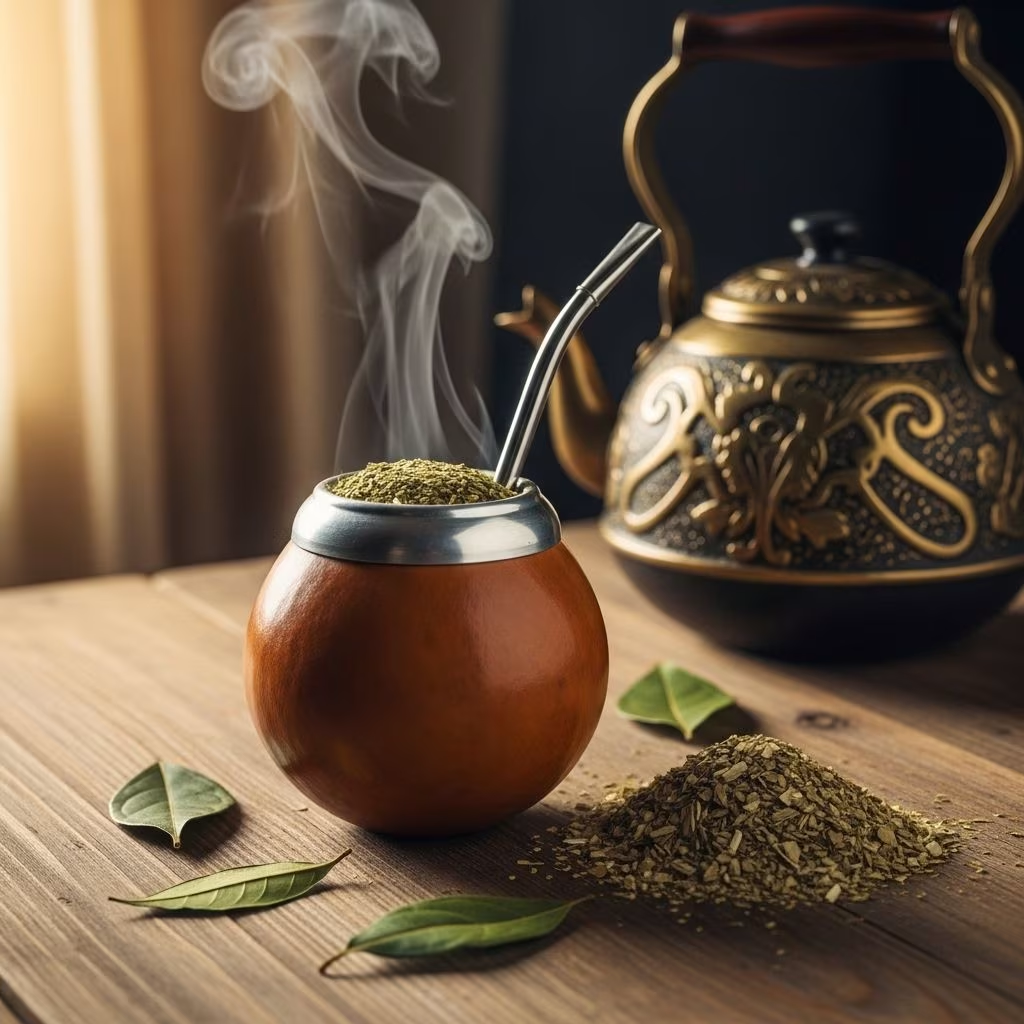
- What Is Yerba Mate?
- Origin and History of Yerba Mate
- Cultural Significance and Rituals
- Nutritional Profile of Yerba Mate
- Health Benefits of Yerba Mate
- Preparation and Uses
- Taste Profile of Yerba Mate
- Possible Side Effects and Precautions
- Frequently Asked Questions
What Is Yerba Mate?
Yerba mate is a traditional South American drink prepared by infusing dried leaves from the Ilex paraguariensis plant in hot water. Revered for its invigorating effects, yerba mate is consumed as a hot or cold beverage and is known for its earthy taste, energy-boosting properties, and rich cultural heritage.
- Also called “mate,” after the gourd used for serving
- Consumed across Argentina, Paraguay, Uruguay, southern Brazil, and increasingly worldwide
- Made by steeping dried and often ground leaves in hot water
- Sipped through a metal straw (bombilla) from a gourd (mate or calabash)
Origin and History of Yerba Mate
The journey of yerba mate began with the Guarani people in pre-Columbian South America. Legends speak of the yerba mate plant as a divine gift—a “drink of the gods” given by a benevolent deity to weary travelers as a remedy and sustenance.
Historical Timeline
- Pre-Colonial Era: Guarani tribes in present-day Argentina, Paraguay, and southern Brazil consumed mate for ritual, social, and medicinal purposes.
- 16th–18th Century: Spanish and Portuguese colonists encountered mate via the indigenous population. Jesuit missionaries learned to cultivate the species and introduced it to Europe, where it became known as “Jesuit tea”.
- 19th–20th Century: Mate’s popularity spread among gauchos (cowboys), laborers, and urban populations. Argentina emerged as a major producer with massive commercial plantations.
- Modern Day: Argentina, Brazil, and Paraguay lead international production and domestic consumption, with yerba mate now reaching North America, Europe, and beyond.
| Country | Main Region | Production (Approx.) | Consumption Pattern |
|---|---|---|---|
| Argentina | Misiones, Corrientes | Largest global producer | Staple drink, daily use, social gatherings |
| Brazil | Southern States | Major exporter & consumer | Mostly for domestic market |
| Paraguay | East & South | Notable production | Traditional cold mate (tereré) |
Cultural Significance and Rituals
Yerba mate is deeply woven into the fabric of daily and ceremonial life in South America. It is far more than a beverage—it is a symbol of hospitality, communal bonding, and tradition.
- Social Ritual: Sharing mate—the custom called “matear”—is a sign of respect, friendship, and inclusion. The gourd is passed among a group, each person sipping with the same straw.
- Ceremonial Importance: Used in indigenous rites and modern celebrations. Football stars and prominent figures, like Lionel Messi, are famously devoted to mate, fueling its global visibility.
- Hospitality Tradition: Mate is presented to guests as a welcoming gesture.
- Symbol of Identity: An icon of Argentine culture, mate is considered “the national drink.”
Traditional Equipment
- Mate (gourd): Hollowed and decorated vessel made from calabash, wood, or metal
- Bombilla: A filtered straw—often silver or stainless steel—used for sipping
- Sharing etiquette: One “cebador” prepares and refills the mate before passing it; accepting and sipping is a sign of trust and belonging
Nutritional Profile of Yerba Mate
Yerba mate is remarkable for its concentration of bioactive compounds and nutrients. Its leaves are a source of caffeine, antioxidants, vitamins, and minerals:
- Caffeine: Approximately 30–50 mg per 100 mL infusion—less than coffee but more than most teas
- Polyphenols: Powerful antioxidants such as chlorogenic acid and flavonoids
- Vitamins: Notable amounts of vitamin C, B1 (thiamine), B2 (riboflavin), B5 (pantothenic acid)
- Minerals: Potassium, magnesium, manganese, phosphorus
- Compounds: Saponins (for immune support) and trace amino acids
Health Benefits of Yerba Mate
Scientific research and centuries of folklore attribute a broad spectrum of health benefits to yerba mate consumption:
1. Mental Alertness & Energy
- Caffeine content increases focus, reduces fatigue, and boosts both mental and physical performance
- Less jittery than coffee due to lower caffeine and presence of other xanthines
2. Weight Management & Metabolism
- Contains chlorogenic acid, which may promote fat breakdown and support healthy metabolism
- May reduce appetite and aid in weight management when combined with a balanced diet
3. Antioxidant Support
- High concentrations of polyphenols help neutralize free radicals, offering cellular protection
- Supports immune health, cardiovascular resilience, and may lower inflammation
4. Digestive Aid
- Traditional use includes easing digestion and relieving constipation
- Saponins may exhibit mild anti-inflammatory and probiotic effects
5. Cholesterol Control
- Some studies suggest mate may help reduce LDL (bad cholesterol) and support cardiovascular health
Preparation and Uses
Preparing yerba mate is both an art and ritual. The most common methods include hot infusions, cold brews, and culinary uses.
Traditional Preparation Steps
- Fill the gourd: 2/3 full with dry yerba mate leaves
- Angle the gourd: So the leaves slope to one side, creating a hollow space
- Add cool water: Pour a splash into the hollow for 1 minute; this preserves nutrients
- Insert the bombilla: Into the hollow
- Add hot water (not boiling): Pour slowly over leaves (ideally 70–80°C / 158–176°F)
- Sip and refill: Repeat until flavor diminishes
Popular Variations
- Tereré: A cold mate infusion from Paraguay, served with ice and sometimes citrus or herbs
- Mate Cocido: Infused in tea bags, enjoyed like regular tea
- Blended Mates: Flavored with mint, citrus, or other botanicals
Culinary Uses
- Baked goods
- Smoothies
- Energy drinks and herbal supplements
Taste Profile of Yerba Mate
The flavor profile of yerba mate is distinct and occasionally polarizing, prized by enthusiasts for its characteristic complexity:
- Earthy: Reminiscent of fresh-cut grass, damp soil
- Bitter: More pronounced than green tea; bitterness decreases with second infusions
- Herbaceous: Notes of hay, eucalyptus, and soft smokiness
- Mellow sweetness: Natural undertones depending on batch and processing
- Can be balanced with sugar, honey, or milk if preferred
| Attribute | Description |
|---|---|
| Color | Yellow-green to deep amber |
| Aroma | Vegetal, grassy, fresh, sometimes smoky |
| Body | Medium to full, often dry with a lingering mouthfeel |
| Bitterness | Variable, can be softened by water temperature and repeated infusions |
Possible Side Effects and Precautions
Yerba mate is safe for most people when consumed in moderation, but there are some considerations:
- High caffeine content may cause insomnia, anxiety, or heart palpitations if sensitive
- Chronic consumption of very hot mate has been associated in some studies with an increased risk of esophageal cancer, possibly due to thermal injury (not unique to mate; applies to any hot beverage)
- Possible interaction with certain medications (consult with a healthcare provider)
Frequently Asked Questions (FAQs)
Q: What is the difference between yerba mate and green tea?
Yerba mate contains more caffeine than most green teas, offers a unique earthy flavor, and is traditionally sipped from a gourd with a metal straw; green tea is milder in taste and prepared by simple infusion.
Q: Can yerba mate help with weight loss?
Mate contains a blend of xanthines and chlorogenic acid, which may help stimulate metabolism and suppress appetite, especially when combined with a healthy lifestyle. Effects vary by individual.
Q: Is yerba mate safe for children?
Due to its caffeine content, mate is generally not recommended for children. Moderation is key for everyone.
Q: What’s the best way to reduce bitterness?
Using cooler water (not boiling), blending with citrus or sweeteners, or shorter steeping times can help mellow the bitterness.
Q: Are there decaffeinated versions of yerba mate?
Decaffeinated yerba mate products exist, but they are rare. Most traditional mate contains caffeine naturally.
Final Thoughts
Yerba mate is more than a drink—it is a symbol of South American heritage, a functional health tonic, and a bridge between cultures. Its energetic effects, nutritional richness, and vibrant social rituals have made it a global sensation. Whether you’re seeking mental focus, a taste adventure, or a new way to connect, yerba mate is worth exploring as part of your daily wellness and cultural discovery.
References
- https://www.teavivre.com/info/introduction-of-yerba-mate-tea.html
- https://un-mate.eu/yerba-mate-history/
- https://pmc.ncbi.nlm.nih.gov/articles/PMC8622869/
- https://yerbacrew.com/blogs/history-of-yerba-mate/the-history-and-origins-of-yerba-mate
- https://en.wikipedia.org/wiki/Yerba_mate
- https://revista.drclas.harvard.edu/yerba-mate-the-drink-that-shaped-a-nation/
- https://www.atlasobscura.com/articles/yerba-mate-a-stimulating-history
- https://yerbamadre.com/pages/yerba-mate-101
- https://en.wikipedia.org/wiki/History_of_yerba_mate


