


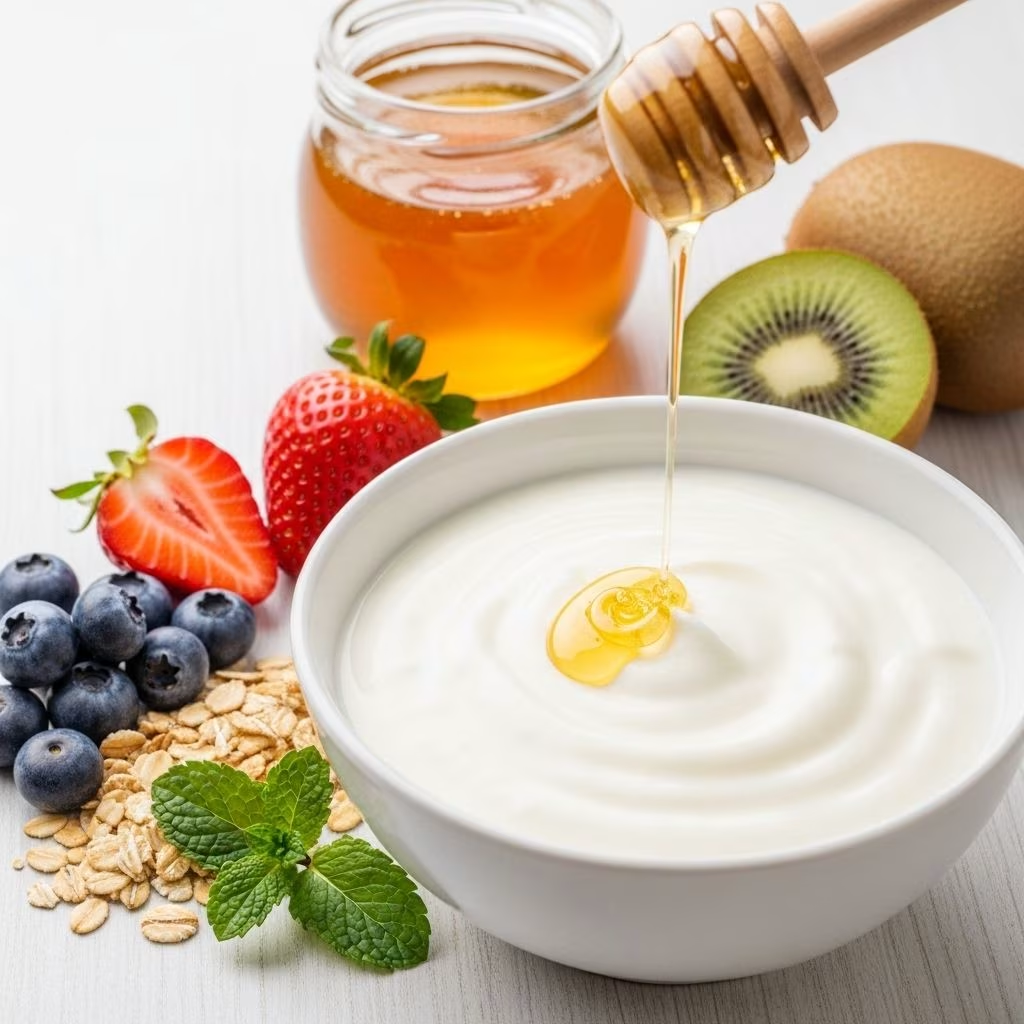
Yogurt is a staple in many diets around the world, appreciated for its texture, nutritional qualities, and remarkable versatility. This article explores what yogurt is, the process behind its production, its impressive health benefits, varied culinary uses, and the sensory experience of its taste. Whether you are a health enthusiast, culinary explorer, or curious consumer, this guide offers an in-depth look at the world of yogurt.
Definition and Origins of Yogurt
Yogurt is a dairy product created by bacterial fermentation of milk. The fermentation process converts milk sugars, specifically lactose, into lactic acid, which thickens the milk and gives yogurt its characteristic tangy flavor. While most commercial yogurt is made from cow’s milk, globally it can also be produced using milk from goat, sheep, buffalo, yak, or even horses in some cultures.
- Historical evidence suggests yogurt dates back thousands of years, originating in regions with domesticated dairy animals, notably in Central Asia and the Middle East.
- The term “yogurt” is derived from Turkish, and traditional yogurt-making techniques are observed in cultures worldwide.
The Production and Fermentation Process
Yogurt production involves a careful balance of milk quality, bacterial cultures, temperature, and fermentation time. The specific steps include:
- Milk Preparation: Milk is heat-treated to kill unwanted bacteria and can be whole, low-fat, or skimmed. Milk solids may be added to achieve desired texture and protein content.
- Inoculation: Selected live bacterial cultures, primarily Lactobacillus bulgaricus and Streptococcus thermophilus, are introduced. Other probiotic strains may be included for added health benefits.
- Fermentation: The mixture is incubated at 40-45°C (104-113°F) for several hours. Bacteria consume lactose, producing lactic acid which thickens the milk and imparts a tangy flavor.
- End Products and Additions: Plain yogurt is often consumed as is, but flavored yogurt includes sweeteners, fruits, and additional ingredients. Packaging and refrigeration follow.
The fermentation process not only creates the texture and flavor of yogurt but also increases digestibility and nutritional value.
Nutritional Profile of Yogurt
Yogurt is highly valued for its nutrient density. The nutrient composition depends on milk type, fermentation, and any added ingredients. Here is a summary for plain, whole milk yogurt (per 100 g):
| Nutrient | Amount |
|---|---|
| Energy | 61–97 kcal |
| Protein | 3.5–9 g |
| Fat | 3.3–8.5 g |
| Carbohydrate | 4–12 g |
| Sugar | 4–4.7 g |
| Calcium | 276–296 mg |
| Phosphorus | 222–233 mg |
| Vitamin B12 | 0.9–1.1 μg |
| Potassium | 349–380 mg |
- Protein: Yogurt is an excellent source of high-quality protein, with a balance of whey and casein. Casein comprises about 80% of the protein, improving mineral absorption.
- Calcium: Essential for bone health, yogurt offers more calcium than milk per similar serving.
- Vitamins: Particularly rich in vitamin B12 and riboflavin, supporting energy metabolism and nervous system health.
- Minerals: Significant amounts of phosphorus, potassium, and selenium.
- Fat: Content varies by style and milk used; contains a mix of fatty acids important for nutrition.
Yogurt also contains probiotics — beneficial bacteria that may support digestive health and immunity.
Comparison: Milk vs. Yogurt (per cup, 245g)
| Property | Milk | Yogurt |
|---|---|---|
| Calories | 146 | 149 |
| Protein | 7.9 g | 9 g |
| Total Carbohydrates | 12.8 g | 12 g |
| Fat | 7.9 g | 8.5 g |
| Calcium | 276 mg | 296 mg |
Major Types of Yogurt
Commercial and traditional yogurts vary significantly based on production methodologies, region, and intended use.
- Regular (Set) Yogurt: Classic style with uniform thickness and mild tang.
- Greek Yogurt: Strained to remove whey, resulting in a thicker, creamier texture and higher protein content with less sugar. Tangier taste than regular yogurt.
- Skyr (Icelandic Yogurt): Strained even further than Greek yogurt; thick, high in protein, but milder in flavor.
- Flavored Yogurt: Sweetened and mixed with fruit or flavorings. Nutritional profile varies; often higher in sugar.
- Non-Dairy Yogurt: Made from almond, coconut, soy, or oat milks for those with dairy intolerance or vegan preferences.
The main distinctions lie in texture, taste, protein content, and carbohydrate content:
| Type | Texture | Protein | Sugar | Taste |
|---|---|---|---|---|
| Regular | Creamy | Moderate | Moderate | Mild, slightly tart |
| Greek | Thick | High | Low | Tangy, rich |
| Skyr | Very thick | Very high | Low | Mild, subtle |
| Flavored | Varies | Varies | High | Sweet, fruity, or dessert-like |
| Non-Dairy | Varies | Varies | Varies | Depends on base ingredient |
Health Benefits of Yogurt
- Digestive Health: Yogurt’s probiotics help maintain a balanced gut flora, which supports digestion and can alleviate certain gastrointestinal symptoms.
- Bone Health: High levels of calcium, phosphorus, and protein contribute to strong bone structure and density.
- Weight Management: The high protein content and satiety-inducing effects of yogurt can help curb hunger and support weight loss efforts.
- Immune System Support: Probiotics found in live-culture yogurts may reinforce immune function and protect against some infectious diseases.
- Heart Health: The mix of fatty acids in yogurt and potential reduction in blood pressure, linked to casein and whey proteins, may contribute to cardiovascular wellbeing.
- Rich Micronutrient Profile: Provides essential vitamins and minerals crucial for metabolism, cognition, and energy levels.
Studies show frequent yogurt consumption is associated with improved nutrient intake and positive health outcomes, including a lower risk of osteoporosis, obesity, and hypertension. However, benefits can vary based on yogurt type and individual tolerance.
Culinary Uses of Yogurt
Yogurt’s versatility is unmatched among dairy products. Common uses include:
- Breakfast: Eaten alone, with fruit and granola, or blended into smoothies.
- Sauces and Dressings: Used as a tangy, creamy base for dips (like tzatziki), dressings, and marinades.
- Baking: Adds moisture and acidity to muffins, cakes, and breads.
- Desserts: Frozen yogurt, parfaits, and pudding-like dishes.
- Ethnic Dishes: Central in Indian raitas, Middle Eastern labneh, and Balkan savory soups.
- Meat Tenderizer: Marinating meats in yogurt breaks down tough fibers and infuses flavor.
Flavored yogurts serve as convenient snacks or desserts, appealing to consumers of all ages. Non-dairy alternatives allow lactose-intolerant or vegan individuals to enjoy similar culinary experiences.
Taste Profile and Sensory Experience
Yogurt’s sensory qualities depend on production, type, additives, and length of fermentation.
- Plain yogurt: Creamy, smooth, mildly tangy, sometimes slightly sour. The flavor is subtle when made from cow’s milk but more pronounced in goat or sheep milk yogurt.
- Greek yogurt: Noticeably tangy, rich, and thick due to the straining process.
- Flavored yogurt: Sweet, with a strong presence of fruit or other flavorings. Texture may range from smooth to chunky depending on ingredients.
- Skyr: Mild flavor, very thick consistency, virtually non-sour.
The tanginess of yogurt is largely attributed to lactic acid production during fermentation. Non-dairy options, which rely on plant-based milks, often feature milder profiles and may taste distinctly of their base ingredient (almonds, coconut, soy, oats).
Potential Considerations and Concerns
- Lactose Intolerance: Those with lactose intolerance may tolerate yogurt better than milk, as much of the lactose is converted to lactic acid. Lactose-free and non-dairy options are available.
- Sugar Content: Flavored yogurts can be high in added sugars. Check nutrition labels for content, especially if monitoring caloric or sugar intake.
- Allergies: Dairy-based yogurts are unsuitable for those with milk allergies; non-dairy options provide alternatives.
- Probiotic Viability: Not all processed yogurts contain live active cultures post-packaging. Look for products indicating “live and active cultures.”
Frequently Asked Questions (FAQs)
What is yogurt made from?
Yogurt is made by fermenting milk using specific bacterial cultures, which thicken the milk and create its signature tart flavor.
Which is healthier: regular or Greek yogurt?
Greek yogurt is higher in protein and lower in sugar than regular yogurt, but both offer probiotics and important nutrients. Choice depends on dietary goals and taste preference.
Can people with lactose intolerance eat yogurt?
Many lactose-intolerant individuals tolerate yogurt better than milk because fermentation reduces lactose content. Lactose-free and non-dairy yogurts are suitable alternatives.
Does yogurt help with weight loss?
Yogurt’s protein and satiety-promoting qualities may support weight management as part of a healthy diet.
How do you use yogurt in cooking?
Yogurt is used in breakfast dishes, smoothies, sauces, baked goods, marinades, and desserts. It’s a versatile substitute for cream, sour cream, or buttermilk.
Is flavored yogurt as healthy as plain yogurt?
Flavored yogurt often contains more added sugars and sometimes less protein. Opt for varieties with minimal added ingredients for greater health benefits.
What are probiotics in yogurt?
Probiotics are live beneficial bacteria in yogurt that help balance gut flora and may support digestive and immune health.
Key Takeaways
- Yogurt is a nutrient-dense, fermented dairy food rich in protein, calcium, and probiotics.
- Health benefits include improved digestion, bone health, immunity, and weight management.
- Diverse types and flavors suit a wide range of tastes and dietary needs.
- Versatile in cooking, yogurt is enjoyed globally in meals, snacks, desserts, and ethnic dishes.
- Consider nutritional labels, live cultures, and sugar content when choosing yogurt.
References
- https://en.wikipedia.org/wiki/Yogurt
- https://www.healthline.com/nutrition/foods/yogurt
- https://www.yogurtinnutrition.com/what-yogurt/
- https://www.healthline.com/nutrition/greek-yogurt-vs-yogurt
- https://cannon.tennessee.edu/wp-content/uploads/sites/85/2020/04/4H-Judging-CDM-Study-Yogurt.pdf
- https://nutritionsource.hsph.harvard.edu/food-features/yogurt/
- https://pmc.ncbi.nlm.nih.gov/articles/PMC10609537/
- https://www.usdairy.com/dairy-nutrition/products/yogurt
- https://nutrigenomicsinstitute.com/nutrigenomics-news/yogurt-nutrition-facts/


