


Nature’s Best Animal Dads: Champions of the Animal Kingdom
In the wild, fatherhood means much more than just passing on genes. Across the animal kingdom, some dads go above and beyond, displaying surprising devotion and ingenuity to ensure survival and success for their young. Far from the stereotype of absentee animal fathers, these creatures showcase a dazzling variety of paternal care, protection, and sacrifice. Discover the remarkable ways animal dads nurture, guard, and sometimes even give birth to their offspring.
Jawfish: The Mouth-Brooding Superdad
The jawfish may not look extraordinary, but his parenting technique sets him apart. After the mother lays a clutch of eggs, the jawfish father scoops them into his mouth, not to eat, but to shelter them from harm. For days, the eggs remain tucked inside, safe from predators and environmental hazards. The father periodically spits out and sucks the eggs back in, ensuring they receive enough oxygen throughout their development. This combination of protection and attentive care shows the jawfish’s deep commitment to his offspring.
- Protection: Eggs are safeguarded from predators and environmental risks.
- Oxygenation: Repeatedly shifting eggs helps them “breathe” until hatching.
- Dedication: Mouth-brooding is physically taxing; fathers go without food and spend days focused solely on their young.
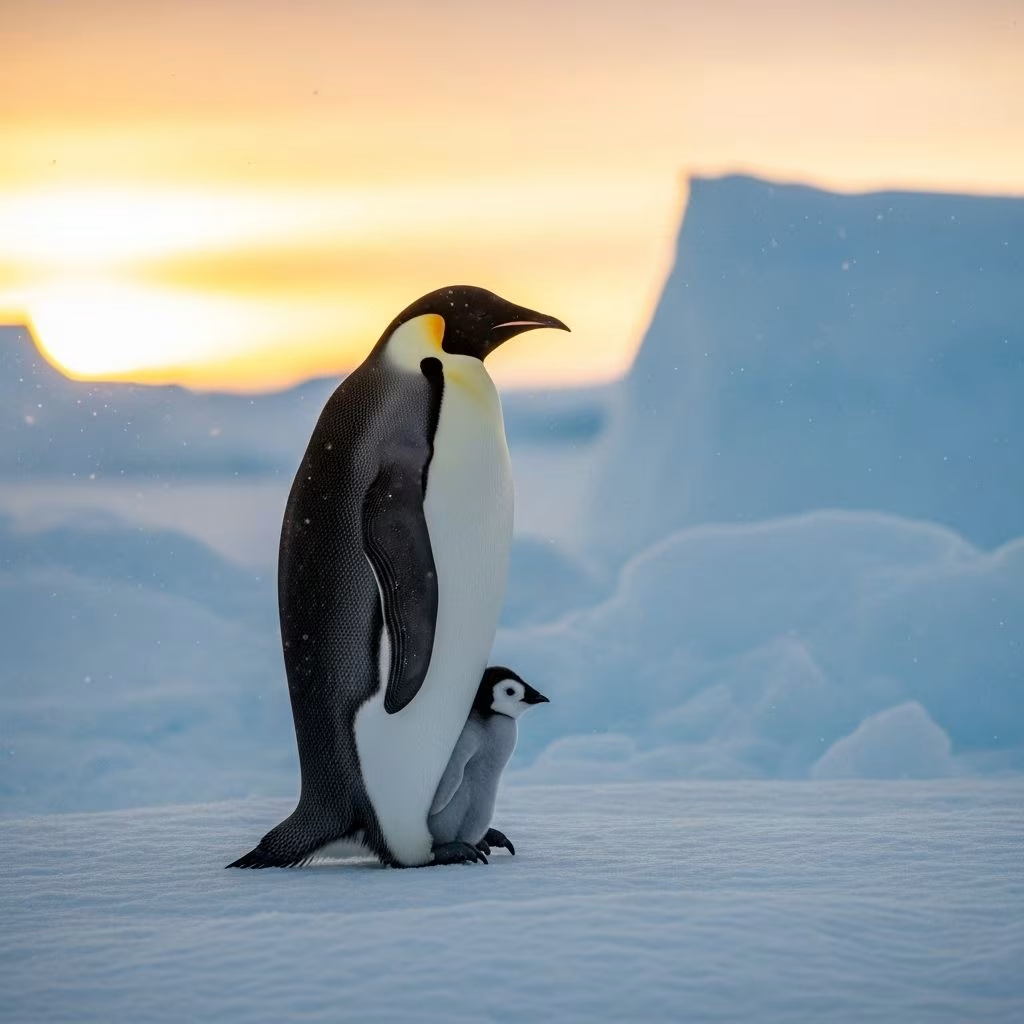
Emperor Penguins: Kings of Endurance
Few animal fathers face the extremes of the Emperor Penguin. After the mother lays her single precious egg, she leaves for weeks to replenish her energy at sea. The burden of incubation falls on the male, who balances the egg atop his feet, sheltered beneath a warm flap of skin called a brood pouch. For nearly two months, he does not eat, instead using his stored fat reserves. He joins hundreds of other dads in tight huddles to brave the freezing Antarctic winter, ensuring the egg remains warm and safe. Upon hatching, the chick relies on its father for warmth and sustenance until the mother returns.
- Incubation: The male keeps the egg on his feet, protected by a brood pouch.
- Starvation: Does not eat for up to two months, relying on body fat.
- Social Huddling: Dads form large groups to conserve heat and protect eggs.
- Feeding: If the chick hatches before the mother’s return, Dad feeds it with nutritious milk made from his esophagus.
Seahorses: The Only Pregnancy for Males
Among all animal fathers, seahorse males perform the most extraordinary feat: they quite literally become pregnant. After the female deposits her eggs into his brood pouch, the male fertilizes and carries them until they hatch. During this period, he manages contractions and biological changes—akin to pregnancy in mammals—before giving birth to fully formed baby seahorses. This rare reversal stands out in nature, making seahorse dads a symbol of extreme paternal commitment.
- Paternal Pregnancy: Male seahorses carry fertilized eggs in their brood pouch.
- Birth: After several weeks, the male gives birth to dozens, sometimes hundreds, of fry.
- Protection: Pouch shields eggs from harm and provides nutrients.
Great Hornbills: Winged Guardians
The great hornbill is a striking bird of Southeast Asian forests. After the female lays her eggs in a hollow tree, she seals herself inside with mud and bark, leaving only a small slit for her beak. The father hornbill is responsible for the welfare of his mate and chicks, tirelessly bringing food and water to nourish them throughout incubation and early rearing. His vigilance and constant foraging keep the family safe and well-fed, embodying dedication and care in formidable circumstances.
- Nest Protection: The nest entrance is plastered shut, accessible only through a tiny slit.
- Sole Provider: For weeks to months, the father finds and brings food and water to the nest.
- Continuous Care: He feeds both the mother and chicks until they are strong enough to leave.
Rheas: The Dedicated Single Father
The Rhea, a large flightless bird from South America, is known for his paternal endurance. After gathering eggs from several females, the rhea father incubates dozens of them himself for more than a month. He fiercely guards his nest against predators, rarely leaving it unattended. Once the chicks hatch, he becomes their protector and leader, teaching them essential skills for survival.
- Egg Incubation: Incubates up to 60 eggs at once, laid by multiple females.
- Protection: Aggressively defends nests from intruders.
- Leadership: Herds chicks and teaches them how to find food and avoid danger.
Peruvian Giant Water Bugs: Egg-Carrying Champions
Giant water bugs are fierce aquatic insects with a uniquely paternal twist. Once the eggs are laid, the father carries them on his back, constantly grooming and maintaining them to prevent fungal growth. He frequently surfaces for air, ensuring the eggs get enough oxygen. His willingness to shoulder his offspring—literally—makes him a highly attentive and effective guardian.
- Egg Transport: More than 100 eggs glued to his back for weeks.
- Maintenance: Regular cleaning and airing out to prevent fungus and provide oxygen.
- Protection: The eggs are kept safe—mom departs after laying, leaving dad responsible.
Frogs: Piggyback Rides and Parental Sacrifice
The realm of frogs is rich with parental diversity, and in some species, fathers take center stage. Microhylid frogs in Papua New Guinea provide piggyback rides for their young, carrying them from hatching sites to suitable habitats. In other species, dads vigilantly keep eggs hydrated and safe.
- Piggyback Transport: Male frogs carry froglets across rough terrain to new homes.
- Hydration: Fathers keep eggs moist by urinating on them.
- Protection: Shield young from predators and environmental threats.
- Territorial Care: Some frogs maintain territories and oversee eggs from multiple females.
Flamingos, Jacanas, and Other Avian Dads
Birds offer a wide spectrum of paternal involvement. Many avian fathers, such as flamingos and Jacanas, play crucial roles from nest-building to chick-rearing. Jacana males are particularly notable: while females compete for territory, dads incubate the eggs and care for the chicks alone. This gender role reversal is uncommon in the animal kingdom but showcases the adaptive diversity of parenting strategies.
- Incubation: Males often keep eggs warm and protected from danger.
- Feeding: Avian dads provide food and support after chicks hatch.
- Protection: Guard nests and defend against predators.
Black-backed Jackal: Provider and Protector
The black-backed jackal of Africa excels in paternal responsibility. With the mother busy nursing pups, dad tirelessly hunts and delivers meals to the den, keeping both mom and offspring fed. As pups grow, he expands his role to grooming, play, and teaching essential survival skills. His adaptability and attentiveness are central to the family’s success.
- Provisioning: Brings food to the den for mother and young pups.
- Teaching: Trains young jackals in hunting and social behavior.
- Play: Fathers engage with pups, fostering development.
Most Unusual Animal Dads
| Species | Paternal Role | Unique Behavior |
|---|---|---|
| Seahorse | Pregnancy & birth | Male carries and births fry |
| Emperor Penguin | Incubation & feeding | Balances egg on feet, survives winter without food |
| Jawfish | Mouth-brooding | Holds eggs in mouth for safety |
| Giant Water Bug | Egg-carrying | Back covered with eggs, maintains & cleans them |
| Frogs (Microhylidae) | Piggyback transport | Males carry froglets to new habitats |
Why Do Animal Dads Take the Lead?
Paternal care in animals evolves for several reasons:
- Survival Advantage: Offspring who receive more care are likelier to survive and thrive.
- Environmental Pressure: In harsh climates (e.g., Antarctica), both parents cannot provide at the same time, so dads step up.
- Mating Strategies: Some species benefit when males invest in offspring, attracting more mates or increasing success rates.
- Physical Adaptations: Unique anatomical features, such as the seahorse’s brood pouch or the jawfish’s roomy mouth, enable these behaviors.
Frequently Asked Questions (FAQs)
Q: Which animal dad cares for the most offspring at once?
A: Rhea fathers incubate and raise up to 60 eggs, laid by several females, making them leaders in large-scale paternal care.
Q: Do all animal dads stay with their offspring long-term?
A: No, the level of care varies; some, like the jawfish, remain only until eggs hatch, while jackals and penguins may nurture young for months.
Q: Are there any mammals with notable paternal care?
A: Yes, mammals like the black-backed jackal provide food, protection, play, and training for their pups, sharing or taking on many parenting duties.
Q: Why do seahorse dads carry babies?
A: Seahorse females deposit eggs into a specialized male pouch, which offers protection, nutrient transfer, and a safe environment until birth.
Q: What makes emperor penguin dads unique?
A: They endure extreme cold and starvation for two months while keeping the egg warm, sometimes even feeding the chick before the mother returns.
Lessons from Animal Fatherhood
These stories of animal parenting challenge our assumptions about fatherhood—and about caregiving roles in the natural world. The inventive, persistent, and quiet heroism of animal dads combine forces of biology, adaptation, and love for their offspring’s survival. From the chill of Antarctica to the humid forests of Papua New Guinea, animal fathers teach us that dedication to family knows no boundaries, and the definition of “dad” is as diverse as life itself.
References
- https://www.livescience.com/14651-animal-kingdom-devoted-dads.html
- https://cricketmedia.com/blog/6-fabulous-fathers-in-the-animal-kingdom/
- https://www.nathab.com/blog/the-9-best-dads-in-the-animal-kingdom
- https://rangerrick.org/ranger_rick/whos-the-best-dad/
- https://edzoocation.com/blogs/news/fathers-day-2020


