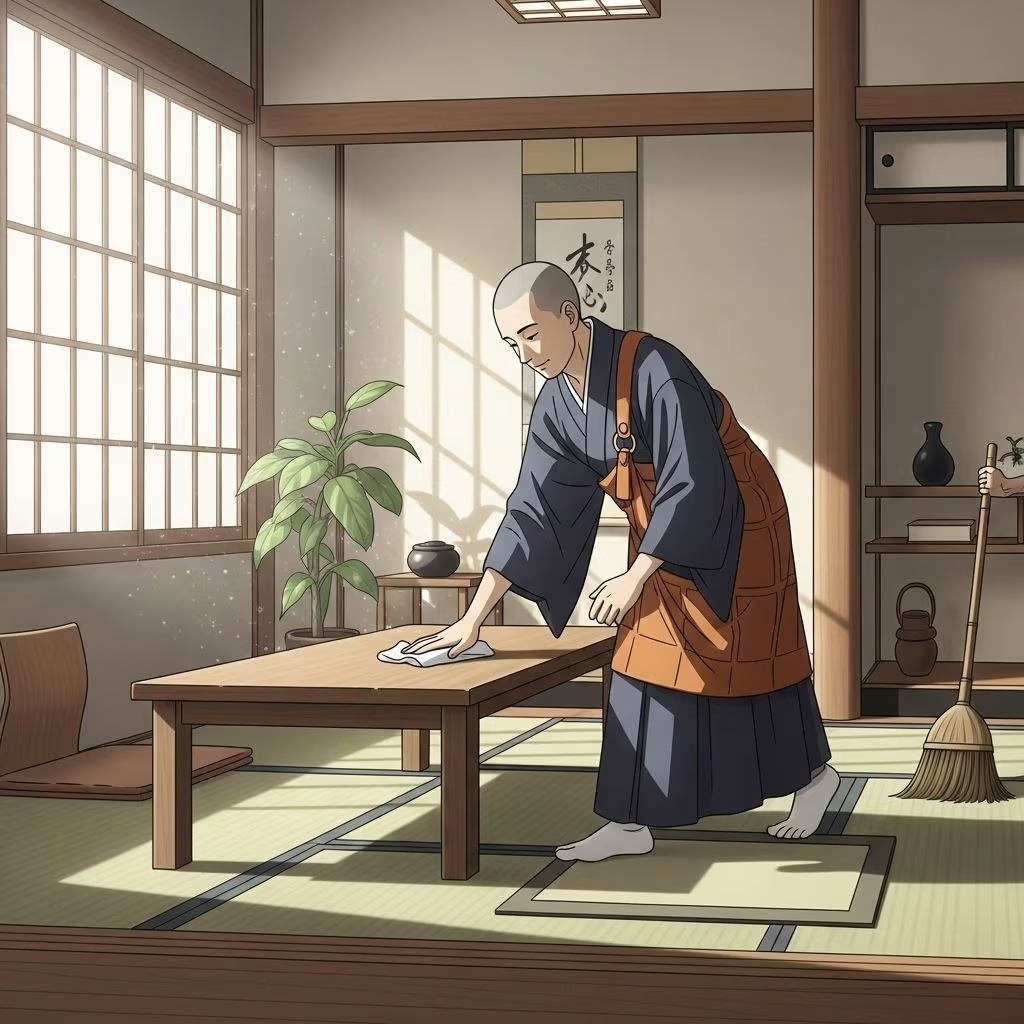
A Monk’s Guide to a Clean House and Mind
What does it mean to clean like a Buddhist monk? In a world impatient for results and craving convenience, monastic tradition turns cleaning into a form of meditation—a transformative act that brings order, calm, and gratitude to everyday life. Drawing on centuries-old Zen wisdom, Shoukei Matsumoto, in his acclaimed guide, reveals how ordinary chores become opportunities for self-cultivation and mental clarity. This article explores these timeless lessons, offering practical steps for integrating mindful cleaning into any household.
The Spirit Behind Cleaning: More Than Chores
Monastic cleaning transcends the goal of mere tidiness. For Buddhist monks, cleaning is an ascetic practice, much like meditation. Every act—sweeping, scrubbing, organizing—becomes a ritual that reflects and shapes the mind. The dust on the floor is not just matter but a metaphor for distractions and attachments. Ridding the home of clutter mirrors the inner work of reducing unnecessary thoughts and desires.
- Cleaning as Meditation: Chores are approached slowly and purposefully, requiring full attention to each motion and sensation. The result is not only a clean environment, but a cleared, calmer mind.
- Consistency and Routine: Daily cleaning is a discipline—just as consistent as morning meditation—to keep both mind and space renewed.
- Respect for Objects: Each item, from utensils to clothing, is cleaned and stored with respect, fostering deep gratitude for possessions and their purpose in daily life.
Defining ‘Rubbish’: A Lesson in Respect and Use
In monastic philosophy, nothing begins as rubbish. Rubbish is simply anything no longer useful, but recognizing that “nothing is inherently rubbish” fosters both sustainability and respect for resources.
- Cultivating Gratitude: Items are valued throughout their useful life and disposed of only with careful mindfulness.
- Mindful Disposal: Rather than discarding, items are repurposed or passed to those in need, reflecting deep awareness of interconnectedness.
The Foundations of Mindful Cleaning Routines
Monks root their routines in structure and consistency:
- Morning Rituals: Cleaning begins at dawn, promoting an energized mindset and a sense of achievement at the day’s outset.
- Evening Tidying: Before sleep, a brief tidying ensures rest and a fresh start for the next morning.
- Airing Spaces: Windows are opened to allow fresh air, which cleanses and prepares rooms for the day’s tasks.
- Weather Awareness: Cleaning tasks adjust with seasonal changes—from airing out futons in dry weather to focusing on indoor chores during rain.
| Routine | Purpose | Frequency |
|---|---|---|
| Morning Cleaning | Clear mind, energize body, reset space | Daily |
| Evening Tidying | Ensure order and peaceful rest | Daily |
| Seasonal Adjustments | Adapt cleaning tasks to humidity/weather | As needed |
Cleaning as a Path to Mindfulness
Rather than multitasking or cleaning in haste, each act is performed with intentionality:
- Monks savor the sensations—the cool water in the pre-dawn, the smell of clean tatami, the rhythm of sweeping.
- Chores become breathing space for the mind, fostering a meditative state that supports clarity and happiness.
Traditional Attire: Samue Robes and Their Significance
Monks don Samue robes—practical, loose-fitting outfits designed for work. Their simplicity eliminates distraction, prioritizes utility, and embodies the ethos of mindful living.
- Samue robes allow easy movement for chores and symbolize discipline.
- Designs vary by season: lighter for summer, thicker for winter, with features such as elastic cuffs for safety.
Minimalism and Organization: Living with Purpose
An uncluttered living space is the external counterpart of an uncluttered mind. Buddhist minimalism emphasizes owning only what is truly needed and ensuring every object has a home.
- Designated Places: Each item is stored purposefully; nothing is left to wander.
- Routine Returns: Returning items after use, fostering order and discipline.
- Quality over Quantity: Fewer possessions, each maintained with care and respect.
The Role of Food: Vegetarian Diet and Mindful Cooking
Buddhist monastic diets champion simplicity, freshness, and minimal waste:
- Vegetarian Foundation: Diet avoids meat, fish, and strong-smelling vegetables (like onions, garlic, leeks).
- Kombu and shiitake mushrooms provide nutritious, umami-rich broths.
- Minimizing Waste: All ingredients are used to their fullest, eliminating unnecessary trash and promoting sustainability.
These dietary habits make post-meal cleaning quicker and reduce overall household mess. Preparing and eating simply helps cultivate gratitude, self-control, and better health.
Kitchen Wisdom: Zen-Style Cleaning Habits
The heart of domestic order lies in the kitchen. For monks, there is no tolerance for postponed chores: utensils, plates, and pots must be washed immediately. Letting them fester overnight breaks the cycle of diligence and harmony.
- Baking Soda for Cleaning: Preferred for its effectiveness and minimal environmental impact.
- No Soaking Overnight: Washing up after meals is a must; visualization and planning can help keep the process streamlined.
The Bathroom and Toilet: Reflections of the Mind
In Zen temples, toilets and baths are considered spaces of relaxation and reflection, demanding utmost cleanliness. The state of the toilet is seen as an outward reflection of one’s internal discipline and respect for others.
- Good habits start with using facilities mindfully, not just with harsh chemicals.
- Daily Cleaning (preferably more): Ensures the space remains calming and healthful.
- Bodily functions are met with gratitude; eliminating waste is cause for thankfulness, not disgust.
Dealing with Insects: Prevention through Order
Rather than relying on chemicals, the monastic approach addresses root causes.
- Cleanliness: Eliminating food scraps, crumbs, and stagnant water denies insects breeding grounds.
- Environmental Adjustments: Ensuring proper air flow and natural light deters pests naturally.
- Harmless Prevention: Respect for life extends even to insects—monks aim to prevent infestation without harm, aligning with Buddhist ethics.
Everyday Mindful Cleaning: Bringing Ancient Wisdom Home
Integrating monastic routines into modern life may seem daunting, but even small steps in daily practice offer substantial benefits. Approach chores not as burdens but as invitations to slow down and engage with the present moment.
- Begin with a five-minute morning sweep or tidy.
- Consciously return items to their designated homes after each use.
- Take a pause while cleaning to notice your breath, posture, and the sounds or sensations around you.
- Express gratitude to your home and possessions after cleaning sessions.
The Benefits of Monastic Cleaning Practices
- Mental Clarity: Regular, meditative cleaning cultivates focus, alleviates anxiety, and supports a sense of renewal.
- Physical Health: Reduces allergens, improves hygiene, and promotes physical movement.
- Environmental Impact: Mindful use and disposal of goods cut waste and foster sustainability.
- Deeper Gratitude: Cultivating respect for all things, even the humblest household tools.
- Rooted Connection: Cleaning binds us to our immediate environment, encouraging a present-centered awareness.
Frequently Asked Questions (FAQs)
Is monastic cleaning just about cleaning floors and tidying up?
No. It’s about transforming every cleaning act—from doing dishes to taking out the trash—into a mindfulness practice that reflects on one’s inner world as much as the external space.
How can I start building a mindful cleaning routine if I have little time?
Begin with small, regular actions: one surface cleaned every morning, returning possessions after use, or ensuring the sink is clear before bed. Even two minutes of dedicated attention foster the habit.
Do I need special tools or supplies?
No special tools are needed. Simplicity is key: use what’s already available. Baking soda is often recommended by monks for most tasks as a natural, effective cleaner.
What’s the benefit of cleaning first thing in the morning?
Cleaning at dawn harnesses stillness and clarity, energizing you for the day while creating a breathing space for reflection.
What if my family or housemates are untidy?
Focus on your own mindful actions. Gentle encouragement, shared routines, and leading by example can help—but real transformation begins with individual consistency, not coercion.
Final Thoughts
Monastic wisdom calls us to find meaning and focus in even the most mundane tasks. Turning cleaning into meditation, embracing gratitude for possessions, and fostering disciplined routines, we invite not just order into our homes but also serenity and resilience into our lives. The journey begins with a single mindful swipe, a quiet sweep, and the resolve to honor the spaces we inhabit and the lives we lead.