


Americans Strongly Support Trees for a Healthier Planet
Across political lines, regions, and demographic groups, Americans express overwhelming agreement: trees are essential to the health of the planet and human society. Recent nationwide polls and environmental research highlight that Americans consider trees instrumental in fighting climate change, improving public health, supporting community well-being, and providing crucial environmental services. Below, we explore the key findings from recent reports, public attitudes about trees, the benefits trees provide, ongoing challenges related to tree equity, and the urgent need for continued planting and preservation.
The Growing Recognition of Trees’ Importance
Public awareness around the value of trees is at an all-time high. A broad national survey recently revealed:
- Nearly all Americans agree trees benefit people, wildlife, and the planet.
- A vast majority associate trees with climate change mitigation, cleaner air, shaded neighborhoods, and better water quality.
- Support for trees cuts across political, regional, and demographic lines, demonstrating unity on this environmental issue.
Experts attribute this consensus to growing evidence that trees offer measurable benefits for both ecological health and personal well-being, as well as high-profile environmental campaigns and community greening projects visible nationwide.
What Americans Think About Trees: Key Poll Insights
Recent surveys highlight robust support for tree-focused initiatives and their perceived benefits:
- 90%+ of respondents agree that trees help fight climate change, improve air quality, and cool overheated cities.
- The majority believe tree planting and protection should be core parts of government climate and public health policy.
- Most Americans support public funding and private investment in urban forestry and rural forest restoration.
This strong public consensus offers political and community leaders substantial backing for new and existing programs, ranging from large-scale reforestation to neighborhood greening efforts.
How Trees Benefit People and the Planet
Trees play an outsized role in some of society’s most critical challenges. Their benefits span environmental, economic, and social realms:
1. Climate Change Mitigation
- Carbon Sequestration: Through photosynthesis, trees absorb carbon dioxide, helping reduce atmospheric greenhouse gas concentrations and slow global warming.
Forests in the U.S. alone absorb about one-third of fossil fuel emissions each year. - Cooling Urban Environments: Tree canopies lower local temperatures, counteracting the dangerous urban heat island effect. Shaded neighborhoods can be 5-10ºF cooler than areas with little vegetation.
- Lowering Energy Use: Strategic tree placement around buildings cuts cooling costs by up to 30% and reduces demand on electricity grids during peak heat.
2. Cleaner Air and Improved Health
- Filtering Pollutants: Tree leaves capture particulate matter, nitrogen oxides, volatile organic compounds, ozone, and other air pollutants. Roadside trees can lower adjacent air pollution levels by more than 50%.
- Supplying Oxygen: A single mature tree produces enough oxygen in a day for up to four people.
- Promoting Mental and Physical Health: Studies show regular exposure to trees reduces anxiety and depression, lowers blood pressure, and improves cardiovascular health.
Neighborhoods with abundant trees see lower rates of heart disease, stroke, asthma, and even cancer.
3. Water Management and Quality
- Filtering Water: Forested watersheds filter and store over half of the U.S. drinking water supply. Trees remove sediments and pollutants while slowly releasing clean water into rivers and aquifers.
New York City’s investment in protecting upstate forests has delivered some of the cleanest tap water in the world at a fraction of filtration costs. - Reducing Stormwater Runoff: Tree roots absorb excess rainwater, lowering flood risks and reducing polluted runoff into waterways by 15-27% in urban areas.
4. Biodiversity and Habitat
- Wildlife Habitat: Trees provide food, shelter, and breeding grounds for countless species. Urban forests can support thousands of birds, mammals, insects, and microorganisms.
- Ecosystem Services: Beyond carbon storage, trees stabilize soil, prevent erosion, cycle nutrients, and foster resilient ecosystems that support both people and wildlife.
5. Cooling and Shade
- Heat Protection: Trees act as natural air conditioners. In extreme heat events, shaded areas with tree cover experience fewer heat-related illnesses and deaths.
Tree shade can also lower surface temperatures, protecting roads, sidewalks, and infrastructure from damage. - Energy Savings: Reduced need for artificial cooling translates to lower household energy bills and less strain on power plants.
6. Community and Economic Value
- Stronger Communities: The presence of trees fosters safer, healthier, and more connected neighborhoods. Tree-lined streets are linked to lower crime rates and increased civic pride.
- Economic Benefits: Well-treed cities have higher property values, more business activity, and attract new residents. Trees are linked to increased retail spending and even job creation in green industries.
| Benefit | Impact | Example |
|---|---|---|
| Climate mitigation | Absorbs CO2, cools city temperatures | 1 mature tree absorbs ~48 pounds of CO2/year |
| Health | Lowers air pollution, supplies O2, improves wellbeing | NYC trees save 8 lives/year by improving air quality |
| Water | Reduces flooding, filters drinking water | Forested watersheds supply 180+ million Americans |
| Biodiversity | Habitat for thousands of species | Urban parks support native birds, pollinators |
| Social/economic | Increases property values, strengthens neighborhoods | Shaded streets, lower crime, higher local income |
Tree Equity: Who Gets the Benefits?
While the value of trees is widely acknowledged, tree equity—the fair and just distribution of tree cover and its associated benefits—is a major concern:
- Low-income neighborhoods and communities of color are far less likely to have abundant trees and green spaces.
- Urban areas historically denied investment or targeted by discriminatory policies (like redlining) face greater heat, pollution, and health burdens linked to insufficient trees.
- Children, seniors, and those with health vulnerabilities are most at risk from lack of tree cover.
Addressing tree equity is now a central goal for many cities and nonprofits, aiming to plant, maintain, and protect trees where they are needed most. Ensuring access to urban greenery is not only an environmental issue but also one of health, safety, and environmental justice.
Common Barriers to Tree Planting and Maintenance
Despite widespread support, many obstacles still hinder effective tree planting and management:
- Urban Development: Expanding roads, housing, and industry often remove trees faster than they can be replaced.
- Limited Resources: Budget constraints and lack of long-term maintenance funding threaten city and community forestry programs.
- Climate Stress: Extreme weather, heat, pests, and diseases put additional pressure on both urban and wild forests, making care and selection of resilient species critical.
- Public Awareness: Not all residents realize the full economic, health, or ecological return on tree investments, leaving some projects under-supported.
Steps Forward: Protecting and Expanding Tree Canopy
Given the deep, evidence-based value of trees, Americans are calling for stronger action:
- Planting More Trees: Large-scale public and private tree-planting initiatives are underway or being proposed, aiming for millions of new trees in both cities and rural areas.
- Protecting Existing Trees: Preserving mature trees and old-growth forests remains essential for maximizing carbon capture and biodiversity.
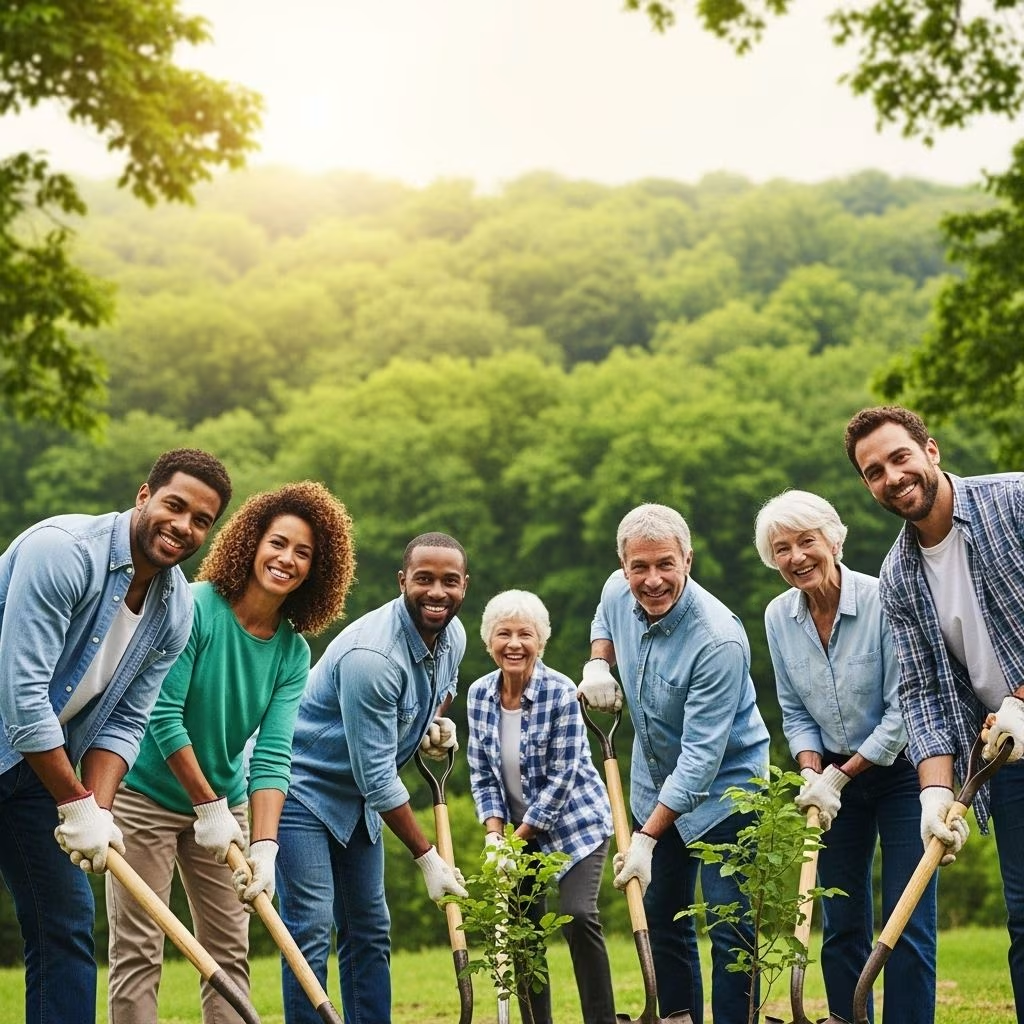
- Fostering Community Engagement: Many successful urban forest programs rely on community-led planting, stewardship, and education to increase ownership and survival rates of new trees.
- Investing Equitably: Resources are being directed to historically marginalized neighborhoods most in need of green infrastructure and the benefits it brings.
- Embracing Innovation: Technology, such as high-resolution tree maps and tree benefit calculators, help communities target where trees will do the most good.
Frequently Asked Questions (FAQs)
Why are trees considered essential for fighting climate change?
Trees absorb and store large amounts of carbon dioxide, reducing atmospheric greenhouse gases and helping slow global warming. Their cooling effect in cities and on the landscape also lessens the need for fossil fuel-based energy.
What is tree equity, and why does it matter?
Tree equity refers to ensuring everyone, regardless of their neighborhood or income, has access to the health and cooling benefits that trees provide. Achieving tree equity helps address longstanding health and environmental disparities in urban areas.
How do trees improve local air and water quality?
Trees filter pollution from the air, capturing particulates and chemicals on their leaves. Their roots and surrounding soil filter rainwater, removing pollutants before water enters rivers, streams, or aquifers, resulting in cleaner drinking water and reduced flood risks.
Do trees really impact economic value and property prices?
Yes. Neighborhoods with robust tree canopy enjoy higher property values, lower crime rates, and attract new businesses. Urban forests can increase retail activity and result in higher local tax revenue.
What actions can individuals take to support tree health in their communities?
Residents can participate in local tree planting events, care for existing street and yard trees, advocate for municipal funding for urban forestry, support policies to protect forests, and educate others about the wide-ranging benefits of trees.
References
- https://www.nature.org/en-us/what-we-do/our-priorities/build-healthy-cities/cities-stories/benefits-of-trees-forests/
- https://www.arborday.org/value
- https://www.epa.gov/heatislands/benefits-trees-and-vegetation
- https://theecologist.org/2014/aug/09/hug-tree-save-your-life
- https://journalistsresource.org/home/tree-health-equity/
- https://dallasexaminer.com/tree-hugging-benefits-nature/


