


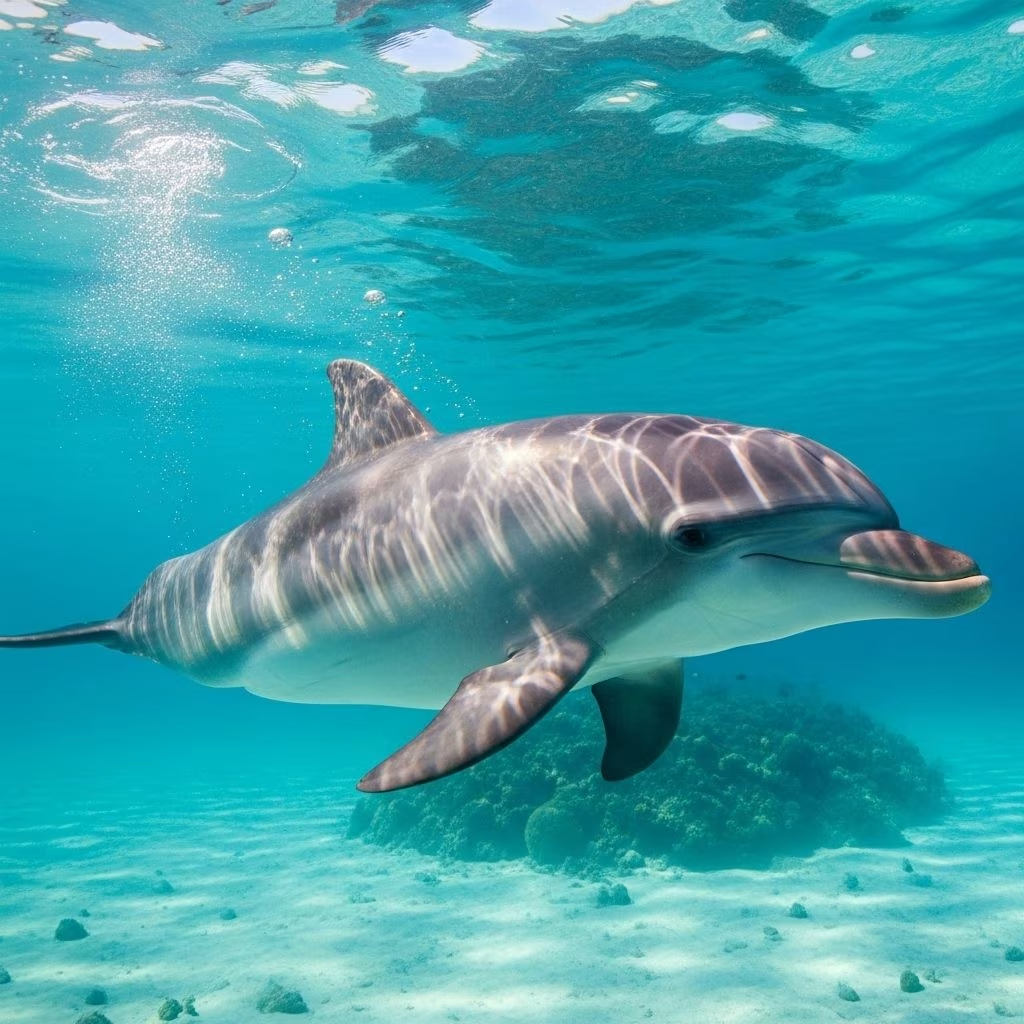
Are Dolphins Endangered?
Dolphins, celebrated for their intelligence and social behavior, face varying degrees of risk worldwide. While some species are secure, others are critically endangered due to numerous threats. This article explores the conservation status of dolphins, the dangers they encounter, and concerted efforts to protect them.
Introduction to Dolphin Conservation Status
Dolphins belong to the order Cetacea, which includes whales and porpoises. Of the 94 evaluated cetacean species, 16 dolphin and whale species are considered at risk of extinction under the Endangered Species Act, and many more are classified under various threat levels by the International Union for Conservation of Nature (IUCN). While widespread species such as the common bottlenose dolphin are generally not endangered, localized populations and less common species face severe challenges.
Why Are Some Dolphins Endangered?
The endangered status of dolphins depends on their species, habitat, and the threats they face. Factors like fishing practices, habitat loss, pollution, climate change, and direct hunting contribute to population declines. Notably, river and coastal dolphins are often more vulnerable than those living in open oceans due to closer proximity to human activities.
- Fishing Gear Entanglement: Gillnets and trawl gear can snare dolphins, resulting in injury or death.
- Habitat Loss: Coastal development and river infrastructure disrupt habitats, reducing available space and resources.
- Pollution: Runoff, plastics, and toxins accumulate in dolphin habitats, impacting health and breeding success.
- Climate Change: Shifts in water temperature, food sources, and migration patterns stress dolphin populations.
- Direct Hunting: Some species are hunted for meat or captured for entertainment, particularly in certain regions.
Key Endangered Dolphin Species
Different species and populations of dolphins have distinct conservation statuses.
Māui Dolphin
Among the most critically endangered, the Māui dolphin (Cephalorhynchus hectori maui) is found only off the coast of New Zealand’s North Island. Fewer than 50 individuals remain—a staggering drop from approximately 2,000 fifty years ago. Their decline is primarily due to harmful fishing methods and habitat disruption. Legal battles and increased scrutiny are ongoing regarding seafood imports associated with such risks.
River Dolphins
River dolphins, such as the Irrawaddy dolphin and Amazon river dolphin (boto), face dramatic declines:
- Irrawaddy Dolphin: Fewer than 100 remain in the Mekong River, Cambodia, mainly threatened by fishing and habitat loss.
- Amazon River Dolphin (Boto) & Tucuxi: Both are classified as endangered due to pollution, dam construction, and illegal hunting across the Amazon, Orinoco, and Tocantins/Araguaia basins. Governments and international organizations have adopted Conservation Management Plans to help reverse their decline.
Other Notable Threatened Dolphins
- Yangtze Finless Porpoise: The only porpoise living entirely in rivers; conservation activities in China have increased its population by 20% in recent years.
- Indus River Dolphin: Conservation efforts in Pakistan have led to a doubling of their population over the past few decades—a rare success story.
- Hector’s Dolphin: Closely related to the Māui dolphin, Hector’s dolphins also suffer from gillnet fishing and habitat disturbance around New Zealand.
How Are Dolphin Species Classified?
Dolphins are classified by their risk of extinction through the IUCN Red List and national acts such as the U.S. Endangered Species Act. Rankings range from Least Concern to Critically Endangered. Conservation status is regularly updated according to new research, field observations, and population trends.
| Species | Status (IUCN) | Main Threats | Current Population Estimate |
|---|---|---|---|
| Māui Dolphin | Critically Endangered | Fishing bycatch, habitat loss | < 50 |
| Irrawaddy Dolphin (Mekong River) | Endangered | Habitat destruction, fishing nets | < 100 |
| Amazon River Dolphin (Boto) | Endangered | Pollution, dams, hunting | Unknown, declining |
| Common Bottlenose Dolphin | Least Concern (some populations vulnerable) | Pollution, coastal development | Abundant/coastal populations vulnerable |
Bottlenose Dolphins: Secure, but Vulnerable
Bottlenose dolphins (Tursiops truncatus) are well known and generally not endangered. In places like the United States, they’re listed as Least Concern by IUCN and are not endangered under the Endangered Species Act, but they remain federally protected. In Texas, an ongoing conservation status review found bay populations to be more vulnerable than those living offshore, highlighting regional differences in risk.
Citizen Science and Monitoring
Volunteer programs such as those in Galveston Bay play a vital role in monitoring dolphin populations, collecting data, and engaging the public. Such activities help identify trends and inspire conservation action.
Current Efforts to Protect Endangered Dolphins
Global and local initiatives aim to reverse the decline of dolphin populations. Some key efforts include:
- International Conservation Plans: The Global Declaration for River Dolphins (2023), signed by ten countries, commits governments to science-based strategies and funding for river dolphin conservation.
- National Legislation: Laws like the Marine Mammal Protection Act (MMPA) in the U.S. ban imports from fisheries that harm dolphins, although enforcement and scope remain areas for improvement.
- Funding Initiatives: Projects like the Resilient Rivers Fund aim to raise $1 billion for Asian river dolphin conservation through public and private sources, assisting governments and local communities in meeting conservation pledges.
- Management Plans: The South American River Dolphin Conservation Management Plan (CMP) guides research, threat assessment, and policy development across diverse Amazon basin nations.
- Public Involvement: Citizen science, education, and advocacy are essential in tracking dolphin sightings, reducing marine debris, and pressuring for sustainable seafood practices.
Spotlight on Community-Led Efforts
Local researchers and community-driven monitoring are increasingly recognized as crucial components of conservation success. For example, Cambodia’s conservation work empowers regional researchers, fosters collaboration, and adapts lessons from other global dolphin protection projects.
Success Stories in Dolphin Conservation
Despite persistent threats, select dolphin populations have experienced notable recoveries:
- Indus River Dolphin: Population has doubled through coordinated government and community action over recent decades.
- Yangtze Finless Porpoise: Increased by 20% following enhanced conservation interventions.
These examples illustrate that effective management, dedicated funding, and regional cooperation can yield positive results.
What Can Individuals Do to Help?
Whether living near the coast or far inland, the choices individuals make can support dolphin survival:
- Choose Sustainable Seafood: Buy fish certified by sustainability programs (like MSC); avoid endangered or unsustainable sources.
- Reduce Plastic Use: Minimize plastic consumption and properly dispose of waste to prevent marine pollution.
- Participate in Beach Cleanups: Removing debris helps protect marine habitats.
- Support Conservation Organizations: Donating, volunteering, or promoting dolphin-focused groups strengthens protection efforts.
- Educate Others: Sharing information raises awareness and drives policy change.
Frequently Asked Questions (FAQs)
Q: Are all dolphin species endangered?
A: No. While some dolphin species, especially those in rivers or with small ranges like the Māui dolphin, are critically endangered, many—like the common bottlenose dolphin—are relatively secure but still face threats in certain regions.
Q: What are the main threats causing dolphin endangerment?
A: Key threats include fishing bycatch, habitat loss and fragmentation, pollution from chemicals and plastics, climate change, and direct hunting in some regions.
Q: How does dolphin conservation benefit the wider ecosystem?
A: Dolphins are top predators, helping maintain healthy fish populations and signaling the overall health of aquatic ecosystems. Protecting dolphins aids biodiversity and ensures ecosystem balance.
Q: How can I get involved in dolphin protection?
A: You can participate in citizen science projects, donate to conservation organizations, reduce plastic and seafood consumption, and educate your community.
Q: Are international efforts succeeding in protecting dolphins?
A: Progress varies by region and species. Recent collaborative projects, declarations, and funding initiatives have led to population increases in some areas, but many dolphins remain at risk, requiring ongoing commitment.
Conclusion: The Path Forward for Dolphin Conservation
Dolphins face a complex and shifting landscape of threats, but global concern and targeted action offer hope for their future. Effective protection requires strong laws, scientific research, international collaboration, and public involvement. By supporting conservation efforts and making informed choices, individuals and communities can help ensure that dolphins continue to thrive in our world’s oceans and rivers.
References
- https://earthjustice.org/experts/natalie-barefoot/court-victory-for-earths-rarest-marine-dolphin
- https://www.mekongeye.com/2025/04/07/save-river-dolphins
- https://iwc.int/management-and-conservation/conservation-management-plans/amazon-river-dolphin
- https://galvestonbaydolphin.org/the-bow-rider-april-2025/
- https://iucn-csg.org/red-list-status-of-cetaceans/
- https://www.fisheries.noaa.gov/species/common-bottlenose-dolphin/conservation-management
- https://dolphins.org/endangered_species
- https://news.mongabay.com/short-article/on-world-dolphin-day-spotlight-falls-on-threats-to-dolphins-worldwide/
- https://www.wilddolphinproject.org/how-families-can-help-save-wild-dolphins-in-2025-simple-actions-for-big-impact/


