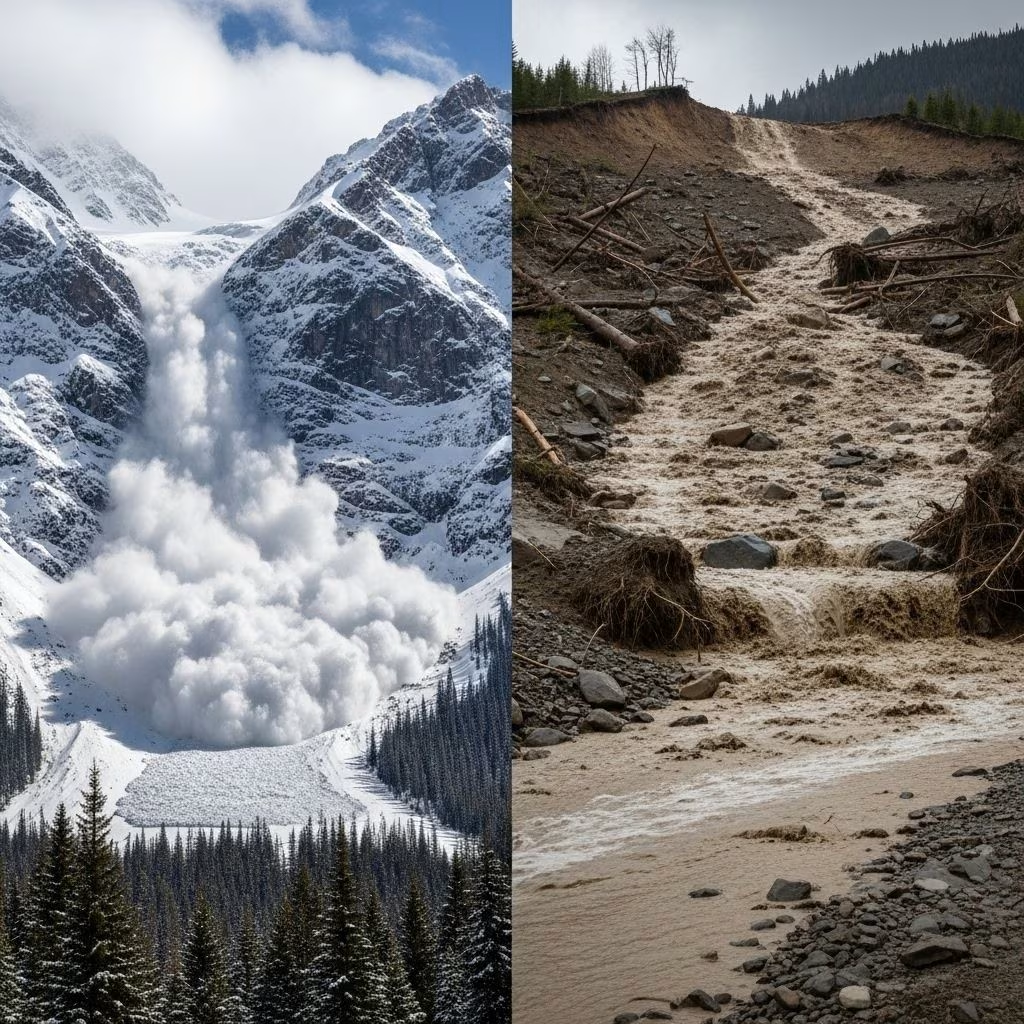
When nature’s forces are unleashed on steep slopes, the results can be swift, violent, and devastating. Avalanches and mudslides—also known as debris flows—are two dramatic examples of gravity-driven disasters that transform serene landscapes into hazardous zones in moments. This comprehensive guide highlights what causes these events, their types and warning signs, who is most at risk, and how to stay safe in vulnerable areas.
What Are Avalanches and Mudslides?
Avalanches occur when a mass of snow, ice, and sometimes debris suddenly slides down a slope, usually a mountainside. Mudslides, also called debris flows or slurries, are rapid flows of water-saturated earth, rocks, and organic matter descending along hillsides—often with little warning.
| Feature | Avalanche | Mudslide |
|---|---|---|
| Main Material | Snow, ice, rock | Soil, mud, debris, water, rocks |
| Common Triggers | Snow overload, thaw, vibration | Heavy rain, soil saturation, deforestation, earthquakes |
| Speed | Up to 80 mph (or more) | Often 10–35 mph; up to 60 mph possible |
| Areas Affected | Mountain regions | Any sloped terrain, often in hilly or mountainous areas |
How Do Avalanches and Mudslides Form?
Though both start on steep slopes and may follow similar paths, the mechanisms that trigger avalanches and mudslides are distinct.
Causes of Avalanches
- Overloading: When new or windblown snow rapidly adds weight to an unstable snowpack, it can push layers beyond their strength, releasing an avalanche.
- Thawing and Melting: Warm temperatures or sunshine melt snow and weaken the bonds between layers, making them prone to sliding.
- Rain on Snow: Rain can percolate through the snowpack, decreasing cohesion and increasing weight, leading to failure.
- Vibration or Human Activity: Skiers, snowmobilers, hikers, or even loud noises such as explosives can trigger avalanches by disturbing unstable snow layers.
- Slope Angle: Most avalanches occur on slopes between 30 and 45 degrees—steep, but not vertical.
Causes of Mudslides
- Intense or Prolonged Rainfall: Extended downpours saturate soil, reducing friction and causing slopes to collapse into flowing mud.
- Sudden Snowmelt: Rapid melting adds water to the soil, making it more prone to sliding.
- Earthquakes: Ground shaking can destabilize slopes, combining loosened soil with gravity to initiate mudslides.
- Wildfires: Recent burns remove vegetation and destabilize soil, leaving it more vulnerable to heavy rains.
- Land Use and Human Activity: Deforestation, construction, and poor land management increase hazard by removing plant roots that stabilize earth.
Types of Avalanches
Not all avalanches are the same. Understanding the different types can illuminate how risk factors change through the winter season.
- Slab Avalanches: The most deadly type, occurring when a cohesive block of snow breaks away from weaker layers beneath. Slab avalanches are fast-moving and can bury anything in their path.
- Loose Snow Avalanches (“Point Releases”): Start at a single point and gather more snow as they descend—a relatively narrow and less destructive event, though still dangerous.
- Wet Avalanches: Caused by melting or rain, resulting in a slow-moving but very heavy flow of wet snow, ice, and debris.
- Ice Avalanches: Consist primarily of falling ice from glaciers or seracs, often with minimal snow.
Types of Mudslides and Landslides
Mudslide is a colloquial term for types of landslides—a broader category that includes any sudden downhill movement of rock, earth, or debris.
- Debris Flows: Fast-moving landslides composed of loose soil, rock, and water. When they contain a lot of small stones or boulders, these are classified as debris flows rather than true mudslides.
- Earthflows: Consist of finer soil materials moving relatively slowly compared to debris flows, but can still be destructive.
- Rockfalls and Rockslides: Primarily involve rock rather than soil and can precede or accompany other types of landslides.
- Slumps: Downhill sliding of a discrete block of earth along a curved plane, often triggered by undercutting from water or erosion.
Warning Signs and Early Indicators
While neither avalanches nor mudslides can be predicted with absolute certainty, they often exhibit warning signs before occurring.
Avalanche Warning Signs
- Recent avalanche activity in the area.
- Cracking, “whumpfing” (settling sounds), or hollow snow underfoot.
- Rapid accumulation of heavy, wet snow or intense winds transporting snow onto leeward slopes.
- “Drum-like” snowpack indicating a slab with a weak, unsupported layer beneath.
- Rain or significant warming trends after a cold spell.
Mudslide Warning Signs
- Prolonged or intense rainfall, especially in areas that have experienced wildfire or drought.
- Saturated ground or springs appearing in new locations.
- Bulging ground or cracks developing in the soil or around the house foundation.
- Leaning trees, tilting fences, or sagging utility poles on a slope.
- Unusual sounds like rumbling, trees cracking, or sudden water flow on a hillside.
Who Is at Risk? Threatened Areas and Groups
Risk varies regionally and seasonally, but certain landscapes and living situations are more prone to these natural hazards.
- Mountain Communities: Ski towns, mountainous villages, and tourist areas face high avalanche risk in snowy months.
- Hillside and Canyon Residents: Homes built below steep slopes or canyons are often in the path of potential mudslides, especially after storms or fires.
- Travelers: Roads and highways cut into steep terrain can be blocked or destroyed by both avalanches and mudslides. Outdoor enthusiasts—skiers, snowboarders, hikers, and climbers—face serious risks.
- Landslide-Prone States and Countries: In the U.S., California, Washington, Oregon, Colorado, and Utah are particularly susceptible.
The Human and Environmental Impact
Both avalanches and mudslides can yield devastating consequences for communities, transportation corridors, forests, and rivers.
- Life-threatening hazards to anyone caught in their path.
- Destruction of homes, property, and infrastructure (roads, bridges, electrical lines).
- Long-term environmental repercussions, including changes in water quality and erosion of fertile soils.
- Blocked or altered watercourses, increasing flood risk downstream.
- Removal of vegetation, further destabilizing mountain soils and reducing wildlife habitat.
Staying Safe: Avalanche and Mudslide Preparedness
While these disasters cannot always be prevented, awareness and preparedness can significantly reduce risk.
Avalanche Safety Tips
- Check daily avalanche forecasts before heading into snowy mountains.
- Avoid travel on or below known avalanche slopes, especially after heavy snow or warming.
- Travel one at a time in avalanche terrain to minimize risk.
- Carry emergency gear: transceiver, probe, and shovel. Know how to use them.
- Take an avalanche safety course if you plan to venture into backcountry snow areas.
Mudslide and Landslide Safety Tips
- Be alert to weather warnings—especially heavy rainfall following drought or wildfire.
- Have an evacuation plan and identify safe routes (paths going uphill or away from the flow are best).
- Avoid river valleys and the base of unstable slopes during or after rainstorms.
- Don’t build homes or structures at the base of steep hills or where slopes have a history of sliding.
- Plant deep-rooted vegetation on slopes to stabilize soil wherever possible.
Frequently Asked Questions (FAQs)
Q: What is the biggest cause of avalanches?
A: The biggest cause is rapid overloading of unstable snow on slopes, either due to heavy snowstorms, rapid warming, or human activity such as skiing.
Q: Are mudslides and landslides the same?
A: Mudslides are a type of landslide that involve a flow of water-saturated soil and debris, but the term “landslide” covers a wider range of downhill earth movements, including rockslides and earthflows.
Q: Where do most mudslides occur?
A: Mudslides commonly occur in regions with steep slopes, heavy rainfall, and loose soils—particularly in parts of California, the Pacific Northwest, and mountainous regions worldwide.
Q: What are the warning signs of an avalanche or mudslide?
A: Signs include recent local activity, visible cracks, sudden changes in snow or soil stability, and unusual noises. For mudslides, also watch for shifting ground, leaning trees, or flowing water on a slope.
Q: Can avalanches or mudslides be stopped?
A: While natural events cannot be entirely prevented, risks can be reduced by monitoring conditions, avoiding high-risk zones, using proper land management, and heeding official warnings.
Key Takeaways
- Avalanches and mudslides share similar destructive power but form through different mechanisms—snowpack failure versus soil and water movement.
- Both events are influenced by natural (weather, terrain) and human-driven factors (deforestation, land use, travel patterns).
- Recognizing early warning signs and maintaining awareness is crucial for personal and community safety in risk-prone regions.
- Preparedness—knowing evacuation routes, having emergency gear, and monitoring official alerts—is the best defense against these unpredictable disasters.
References
- https://knowadays.com/blog/how-to-structure-a-blog-post-a-step-by-step-guide/
- https://www.bowerbird.io/publications/treehugger
- https://orca.cardiff.ac.uk/id/eprint/116582/3/01_eCAADeRIS%20(1).pdf
- https://github.com/ajaxorg/treehugger
- https://github.com/autosoft-dev/tree-hugger
- https://www.archdaily.com/933325/treehugger-tourist-information-office-modusarchitects