


US Cities Where It’s Safe and Enjoyable to Swim, Kayak, and Play in Urban Lakes and Rivers
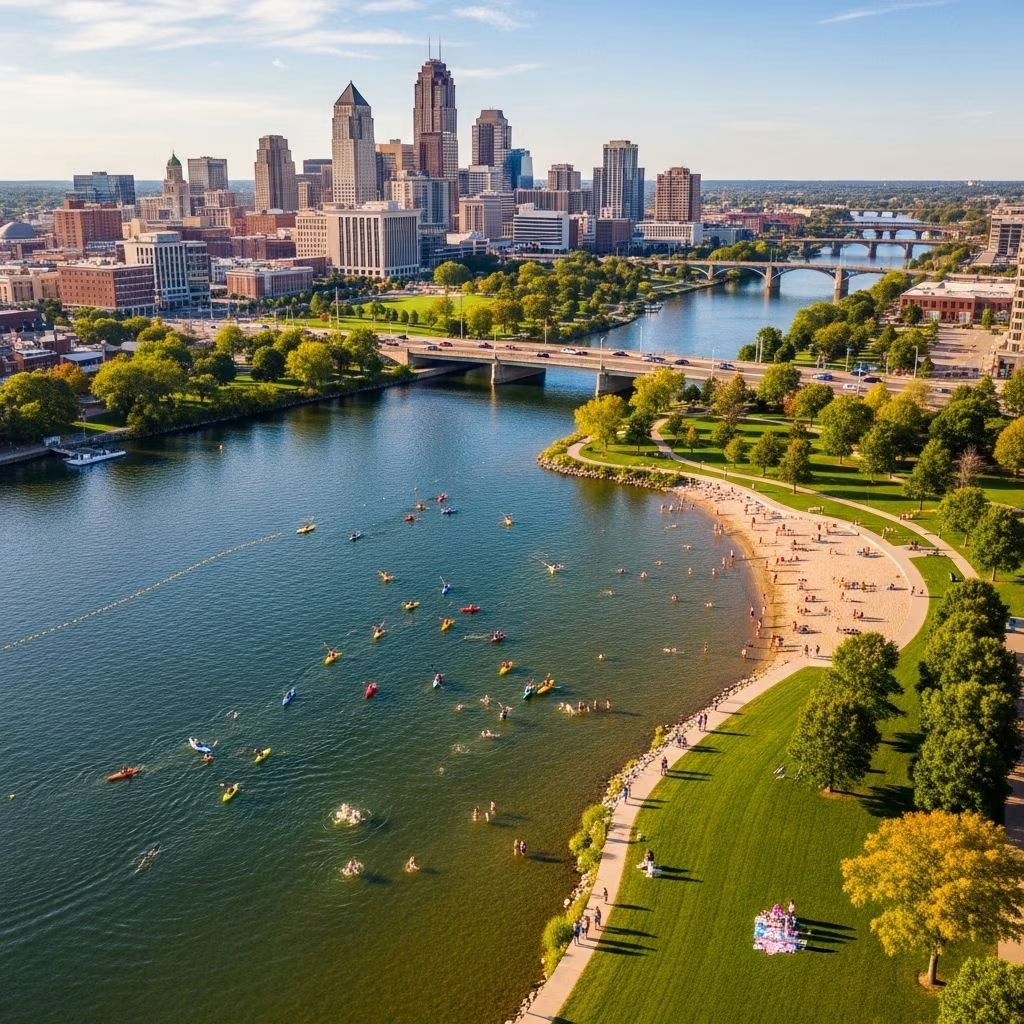
America’s urban rivers and lakes, once defined by industrial pollution and neglect, are experiencing a remarkable renaissance. Through decades of community action, environmental engineering, and creative urban planning, many US cities now offer locals and visitors safe and welcoming opportunities to swim, kayak, paddleboard, or simply enjoy the water along cityfronts that were once off-limits. Here, we explore a diverse set of US cities leading this waterfront revival, providing havens for recreation and community connection in the heart of the city.
Why Urban Waterways Matter
For centuries, the nation’s rivers and lakes powered city growth yet bore the brunt of industrial expansion, often becoming hazardous and polluted. Today, they are increasingly recognized as valuable community assets. Clean urban waterways support:
- Recreation and physical health: Offering swimming, kayaking, canoeing, fishing, and walking paths.
- Urban biodiversity: Providing habitat for fish and wildlife, enriching city life.
- Economic vitality: Attracting residents, tourists, and new business through appealing public spaces.
- Climate adaptation: Parks and green spaces near water help manage storm runoff and reduce heat.
- Community connection: Lakes and rivers become gathering grounds, festivals, and cultural events.
This reimagined relationship with waterways reflects the nation’s growing environmental awareness and commitment to making cities truly livable for people and nature alike.
1. Minneapolis, MN — Land of Lakes and Urban Adventure
The City of Lakes stands out for the accessibility and cleanliness of its urban waterways. Minneapolis features a lush network of lakes—like Lake Bde Maka Ska (formerly Lake Calhoun), Lake Harriet, Lake of the Isles, and Cedar Lake—as well as the mighty Mississippi River threading through downtown.
- Public Swimming Beaches line city lakes and are staffed with lifeguards in summer. Water quality is continually monitored, ensuring safe swimming days throughout the season.
- Kayaking and Canoeing are supported by rental kiosks and easy launch sites. Paddlers enjoy everything from beginner-friendly city lakes to stretches of the Mississippi National River & Recreation Area.
- Winter Adventures include skating, ice fishing, and cross-country skiing upon frozen lakes.
- Chain of Lakes Regional Park offers miles of shoreline paths, connecting neighborhoods to water’s edge.
Why Minneapolis Succeeds
- Stringent water testing programs and public advisories ensure high safety standards.
- Civic engagement, through groups like the Minneapolis Park & Recreation Board, maintains clean and accessible water.
- Continuous investment in green infrastructure preserves water quality and prevents runoff.
2. Austin, TX — Swimming and Sunbathing at Barton Springs
Barton Springs Pool, nestled in Austin’s popular Zilker Park, is one of America’s most beloved urban swimming holes. Fed by clear springs emerging from the Edwards Aquifer, Barton Springs boasts remarkably clean, cool water year-round, drawing both locals and visitors.
| Feature | Details |
|---|---|
| Water Source | Natural spring-fed |
| Temperature | ~68°F (20°C) year-round |
| Lifeguards | Staffed daily in summer |
| Admission | Small fee |
Outside the spring pool, locals enjoy swimming in Lady Bird Lake (formerly Town Lake) and paddling among the city’s vibrant skyline. The Butler Hike-and-Bike Trail circles the lake, linking downtown to urban parks and wildlife habitat.
- Kayak and Stand-up Paddleboard Rentals are widely available at several lakefront locations.
- Access to Lady Bird Lake is reserved for non-motorized boating, making it especially serene and safe for paddlers.
3. Boston/Cambridge, MA — A Clean River Comeback on the Charles
Once notorious for pollution, the Charles River is now one of the country’s cleanest major urban rivers. After decades of restoration and rigorous water management, community groups now host annual Charles River swimming events, and kayaking and stand-up paddling are regular summer activities.
- Community Events: “City Splash” is a celebrated summer swim that lets hundreds of people take a dip near downtown Boston.
- Charles River Conservancy’s Swim Park Initiatives: Plans are progressing for a floating swim park at North Point Park, featuring monitored swimming zones, floating docks, and lifeguards.
- Boathouses rent kayaks and paddleboards, with urban skyline views.
- Water Quality Alerts: The river is carefully monitored, and swimming is permitted during verified safe periods.
Revitalization Lessons from Boston
- Community, academic, and government partnerships enabled the cleanup and continual health of the river.
- Regular transparency about water conditions strengthens public trust and participation.
4. Chicago, IL — Lake Michigan’s Urban Shoreline
Chicago’s relationship with water is defined by its spectacular Lake Michigan shoreline. More than 20 public beaches are carved into the lakefront, stretching for miles along downtown and into the city’s neighborhoods. Signature spots include North Avenue Beach and Oak Street Beach, which offer prime sunbathing, swimming, and volleyball with city skyline views.
- Well-Maintained Beaches: Lifeguards, restroom facilities, playgrounds, and food vendors.
- Biking and Walking Trails: The Lakefront Trail runs for 18 miles, connecting beaches and city parks.
- Lake Michigan Water Quality: Beaches are tested daily during summer, with public postings about water safety and bacteria levels.
Kayak and paddleboard launches are plentiful, offering remarkable paddling with the iconic skyline as a backdrop.
5. New York City, NY — Islands, Rivers, and an Urban Archipelago
Though swimming is generally not permitted in the main rivers due to currents and city regulations, New York City is surrounded by water, and waterfront access is improving every year.
- Public Beaches: Coney Island, Rockaway, and Orchard Beach, all managed and regularly tested for water safety. Swimming is permitted at lifeguarded zones.
- Kayaking and Canoeing: Dozens of free and low-cost kayaking boathouses operate on the Hudson River, East River, and Harlem River, offering city dwellers the chance to paddle in the world’s most iconic harbor.
- Community Pools and Floating Parks: The +Pool project is planning to build a floating, filtered pool on the East River, aiming to reconnect New Yorkers with the water.
6. Portland, OR — Willamette River Welcome
Portland’s Willamette River has undergone a dramatic transformation from industrial hazard to community swimming and boating destination.
- Popular Urban Beaches: Tom McCall Bowl Beach at Waterfront Park, and Poet’s Beach, both now open for swimming, with water quality checked daily in summer.
- Annual Big Float Festival: Each July, thousands take to the river in inner tubes and floats, celebrating the river’s revival and raising awareness for continued stewardship.
- Kayak Rentals: Numerous outfitters provide city river tours with unique perspectives on Portland’s bridges and downtown scenery.
7. Seattle, WA — Swimming in the Emerald City
Seattle’s geography means water is always close. The city features Lake Washington to the east, Puget Sound to the west, and Lake Union at its heart.
- Lake Washington offers several lifeguarded public swimming beaches, notably Matthews Beach and Madison Park Beach, with crystal-clear water and mountain views.
- Green Lake is popular for summer swimming, jogging, and picnics.
- Urban Water Recreation includes sailing, kayaking, and paddleboarding, with easy public access and rentals citywide.
- Careful Water Monitoring: Health departments test water at public beaches throughout the swimming season, posting closure notices if needed.
8. Philadelphia, PA — Schuylkill River Revival
Philadelphia’s Schuylkill River and adjacent Kelly Drive are essential to city life. Swimming opportunities are expanding as water quality improves, but activities like river kayaking and rowing are already thriving, thanks to historic Boathouse Row and community rowing clubs.
- Schuylkill Banks Boardwalk: A floating trail for walking, running, and fishing, connecting the city to the river.
- Community Swim Events: Events like the Philadelphia Open Water Swim build enthusiasm for future safe water access.
- Kayak and Paddleboard Rentals: Available at Schuylkill Banks and Bartram’s Garden.
9. Other Up-and-Coming Urban Water Cities
- Pittsburgh, PA: With its ‘Three Rivers’ (Allegheny, Monongahela, and Ohio), Pittsburgh hosts riverfront trails, boat launches, and increases in water-based festivals and regattas.
- Denver, CO: The South Platte River and connected lakes feature revitalized waterfront parks and monitored swimming zones.
- San Antonio, TX: The famed River Walk is primarily for strolling, but nearby parks and missions offer paddle access.
- Washington, DC: The Anacostia River is the focus of ambitious restoration plans, with the District Wharf providing access for paddlers and events spotlighting cleaner water and local biodiversity.
Keeping Urban Lakes and Rivers Safe
Urban water recreation depends on vigilant monitoring and public collaboration. Cities that succeed tend to:
- Regularly test water for pathogens, bacteria, and toxins, posting clear advisories.
- Invest in green infrastructure to filter stormwater runoff and prevent sewage overflows.
- Enforce clean boating and litter policies to protect fragile habitats.
- Engage communities via festivals, volunteer cleanups, and waterway stewardship groups.
- Adapt parks and playgrounds to serve families year-round, even as water levels and weather change.
Continued investment and public stewardship are vital to keep urban waters safe, clean, and accessible for future generations.
Frequently Asked Questions (FAQs)
Q: How do I know if it’s safe to swim in a city lake or river?
A: Always check local government or parks department websites for posted water quality data and advisories. Many cities now provide real-time updates during the swimming season to let you know if bacteria or algae levels are safe.
Q: Are there health risks in urban water recreation?
A: There can be risks from runoff, bacteria, or sudden weather events. Swimming is safest at supervised, designated beaches that regularly publish water testing results. Avoid the water after heavy rain or during posted advisories.
Q: What can I do to help keep city lakes and rivers clean?
A: Dispose of litter properly, pick up pet waste, and avoid using fertilizers or chemicals near waterways. Participating in local cleanups or volunteering with environmental groups boosts the community’s ability to sustain healthy urban water.
Q: Is kayaking or paddleboarding allowed in most city waters?
A: Most cities encourage non-motorized boating on designated lakes and river stretches, often providing rentals and easy launch points. Always follow local safety rules and watch for commercial boat traffic.
Conclusion
The story of American urban lakes and rivers has shifted from decline to opportunity. Today’s revitalized waterways invite us to swim, paddle, and play within the city limits—enhancing urban quality of life while offering a bridge between people, community, and the natural world. With careful planning, strong public engagement, and an enduring commitment to clean water, cities across the US continue to turn once-polluted lakes and rivers into places of joy, resilience, and connection.
References
- https://www.thecharles.org/wp-content/uploads/2019/07/Tufts-Urban-River-Swimming-Report.pdf
- https://www.anthropocenemagazine.org/2017/08/urban-effects-on-rivers-have-long-reach/
- https://www.nature.org/content/dam/tnc/nature/en/documents/Outside_Our_Doors_report.pdf
- https://www.youtube.com/watch?v=qC5ibHyfFvE
- https://www.americanrivers.org/2018/11/five-big-river-successes-were-thankful-for-in-2018/


