Can You Really Recycle Styrofoam Cups?
Styrofoam cups, made from expanded polystyrene (EPS), are a fixture of convenience in takeouts, cafeterias, and countless homes. Their lightweight, insulating properties make them popular, but their prevalence poses a critical question: Can Styrofoam cups be recycled? The answer is more complicated than a simple yes or no. This article delves into the reality of Styrofoam cup recycling, why it’s so challenging, and what practical steps can help reduce their environmental impact.
What Are Styrofoam Cups and Why Are They Problematic?
Styrofoam is the trade name for a specific type of EPS foam, but in everyday language, it refers to most polystyrene foam products, including disposable cups, food containers, packaging peanuts, and trays.
- Composition: Polystyrene foam consists of about 90% air, making it lightweight and bulky.
- Use Case: Primarily used for hot and cold drinks, its insulating properties keep beverages at their intended temperature.
- Environmental Concerns: Styrofoam doesn’t biodegrade easily, loiters in landfills for centuries, and can fragment into microplastics harmful to marine life and ecosystems.
- Health Risks: Styrene, a component in EPS, can leach into food and drink under certain conditions.
Is Recycling Styrofoam Cups Possible?
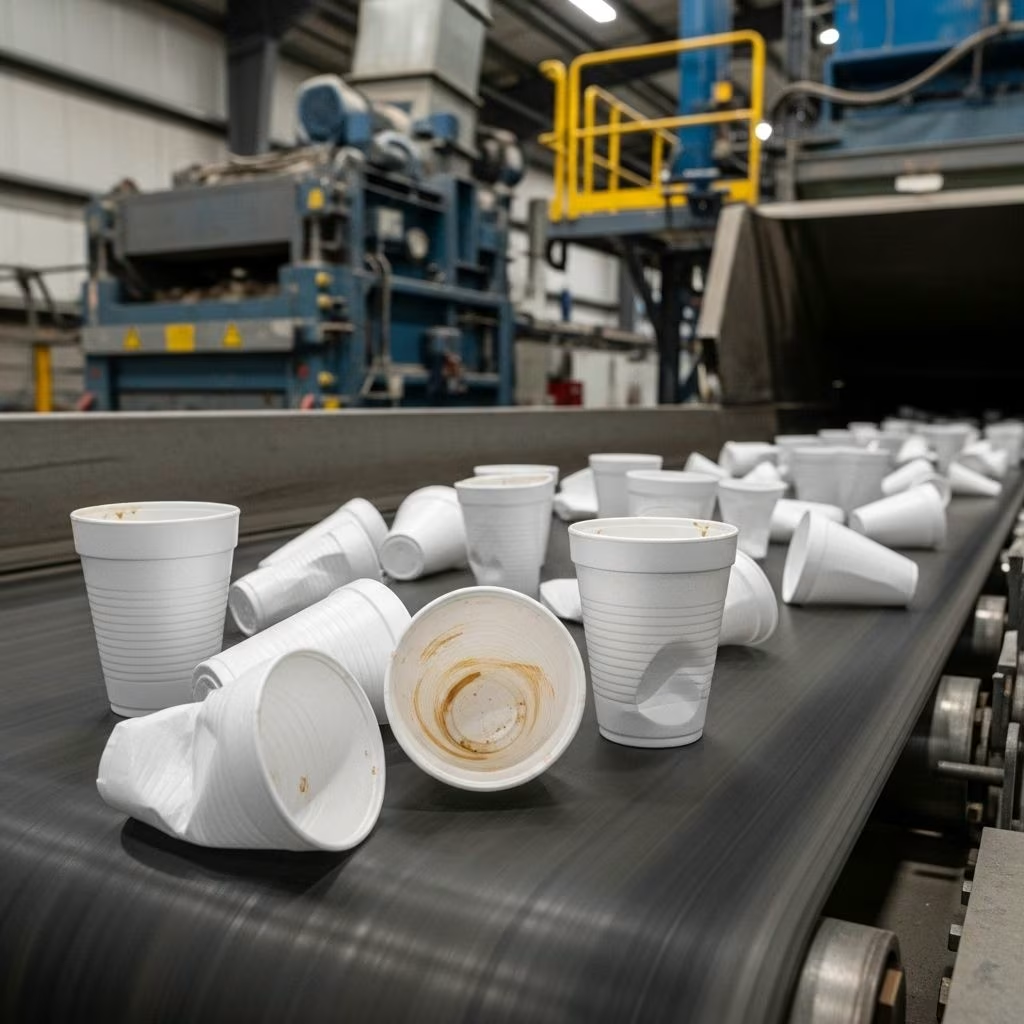
Technically, Styrofoam cups can be recycled, but only under specific circumstances. Most curbside recycling programs do not accept them. The core hurdles are:
- Low Density: The material’s high air content means huge volumes occupy minimal recycled polystyrene output.
- Transportation Costs: It’s expensive to collect and ship lightweight foam to processing facilities.
- Contamination: If cups have food or drink residue, they may be rejected from recycling streams.
- Limited Facilities: Only specialized recycling centers have the equipment needed to process Styrofoam foam.
In most communities, Styrofoam cups should not be placed in regular recycling bins.
Why Is Styrofoam So Difficult to Recycle?
The primary reasons begin with the structure and economics of the material:
- BULK and LIGHTNESS: Shipping is not cost-effective without compression.
- Recycling Complexity: Requires specialized compaction or melting equipment, often not available locally.
- Contamination Risk: Used cups often have drink residue, complicating processing.
- Lack of Market Incentive: Few companies buy recycled polystyrene unless converted to usable pellets.
How Are Styrofoam Cups Processed for Recycling?
Where recycling is possible, the process usually involves:
- Collection: EPS products are brought to drop-off sites or specialized centers.
- Cleaning: All food residue and liquids are removed.
- Compaction: Foam is compressed into dense blocks using foam compactors or densifiers.
- Melting: In some cases, machines melt the foam to create solid ingots.
- Repurposing: The resulting material can be used for making frames, benches, moldings, or industrial pellets.
Some chemical recycling processes are emerging, wherein Styrofoam is broken back into its monomer—polystyrene—but these are currently experimental and not widespread.
Styrofoam Recycling Success Stories
Innovative companies and organizations have found limited success:
- GREENMAX: Provides machinery that densifies and melts polystyrene foam, converting waste into reusable pellets.
- Toshikan: Uses foam hot-melted machines to recycle and repurpose foam.
- Sony Corporation: Utilizes eco-friendly processes involving limonene from citrus peels to dissolve Styrofoam for easier recycling at scale.
Where Can You Recycle Styrofoam Cups?
A limited number of specialized drop-off sites and foam recycling centers accept clean, post-consumer foam cups and other EPS products.
- Supermarkets (e.g., Publix in the American South) often provide dedicated bins for foam packaging and cups.
- Shipping stores (UPS, FedEx) may accept packaging peanuts and cups for recycling.
- Community recycling programs sometimes partner with foam recycling facilities.
Always contact your local recycling facility before bringing Styrofoam cups—most do not accept them with curbside recycling.
Creative Ways to Reuse Styrofoam Cups
With recycling limited, reuse becomes a practical and eco-friendly alternative. A few popular and creative ideas:
- Seed Starters: Use cleaned cups for sprouting seeds in gardening projects.
- Art Projects: Allow children to decorate, paint, or sculpt the cups for crafts.
- Insulation: Incorporate cut cups as insulation in DIY projects for sheds or garages.
- Organizers: Use them as containers for small hardware, beads, or office supplies.
EPS foam from cups can also be repurposed for building components, home insulation, furniture, and packaging for fragile shipments.
Environmental Impact of Styrofoam Cups
Styrofoam cups are a major source of environmental pollution:
- Landfill Burden: EPS foam can persist in landfills for centuries, occupying vast space.
- Marine Pollution: Fragments of foam end up in oceans, where animals mistake them for food, causing injury or death.
- Methane Emissions: Decomposing EPS releases methane, a greenhouse gas far more potent than CO2.
- Less than 1% Recycled: The vast majority of Styrofoam cups are never recycled.
Innovations and Alternatives to Styrofoam Cups
Given the recycling challenges, many businesses and consumers are turning to sustainable alternatives:
- Reusable Travel Cups: Stainless steel and glass are more sustainable and long-lasting for on-the-go beverages.
- Biodegradable Cups: Products made from starches, paper, or compostable fibers break down much faster than EPS foam.
- Eco-Friendly Packaging: Restaurants and food services increasingly offer cardboard or compostable alternatives instead of foam containers.
| Material | Recyclability | Biodegradable? | Common Use |
|---|---|---|---|
| Styrofoam (EPS) | Special facilities only | No | Cups, takeout boxes |
| PAPER | Curbside accepted | Yes | Cups, packaging |
| PLA Bioplastics | Industrial compost only | Yes | Cups, utensils |
| Stainless Steel/Glass | Reusable | Yes | Travel mugs, bottles |
Practical Tips for Managing Styrofoam Waste
Even if recycling isn’t practical everywhere, individual and collective actions can help reduce environmental impact:
- Avoid EPS products whenever possible; opt for reusable or biodegradable alternatives.
- Clean cups and foam materials before attempting to recycle or reuse.
- Check for local drop-off sites by contacting supermarkets, shipping stores, or dedicated facilities.
- Start a collection program in your community or workplace and partner with specialized recyclers.
- Reuse creatively when recycling options are unavailable.
Frequently Asked Questions (FAQs)
Q: Can I put Styrofoam cups in my curbside recycling bin?
A: No. Most municipal curbside recycling programs do not accept Styrofoam cups due to contamination and logistic difficulties.
Q: Are there any drop-off locations for recycling Styrofoam cups?
A: Yes. Some supermarkets, shipping stores, and specialized foam recycling centers accept clean EPS foam. Always call ahead to confirm.
Q: What happens to recycled Styrofoam cups?
A: Recycled EPS is often compacted and repurposed into items like park benches, frames, moldings, or pellets for further manufacturing but rarely made into new cups.
Q: Why is Styrofoam bad for the environment?
A: It persists for centuries in landfills, fragments into microplastics, releases methane, and poses risks to wildlife and food safety.
Q: What are the best alternatives to Styrofoam cups?
A: Reusable cups made from stainless steel or glass and biodegradable cups made from paper or compostable materials are best.
Conclusion: Towards a Styrofoam-Free Future
Although the recycling of Styrofoam cups is technically possible, it is rarely practical for most consumers due to high costs, limited facilities, and contamination risks. The environmental burden demands a shift away from single-use foam toward reusable and compostable alternatives. By advocating for smarter consumer choices, better local infrastructure, and innovative recycling solutions, individuals, communities, and companies can help reduce the impact of Styrofoam on our planet.
References
- https://www.intcorecycling.com/how-to-recycle-polystyrene-cup.html
- https://www.greentheory.me/post/top-10-styrofoam-recycling-tips
- https://cleanriver.com/resource/blog-can-you-recycle-styrofoam/
- https://www.actenviro.com/how-to-dispose-styrofoam/
- https://healtheplanet.com/100-ways-to-heal-the-planet/styrofoam
- https://www.dartcontainer.com/why-dart/sustainability/foam-recycling
- https://www.cleanwaterfuture.com/action/bring-your-own-cup