


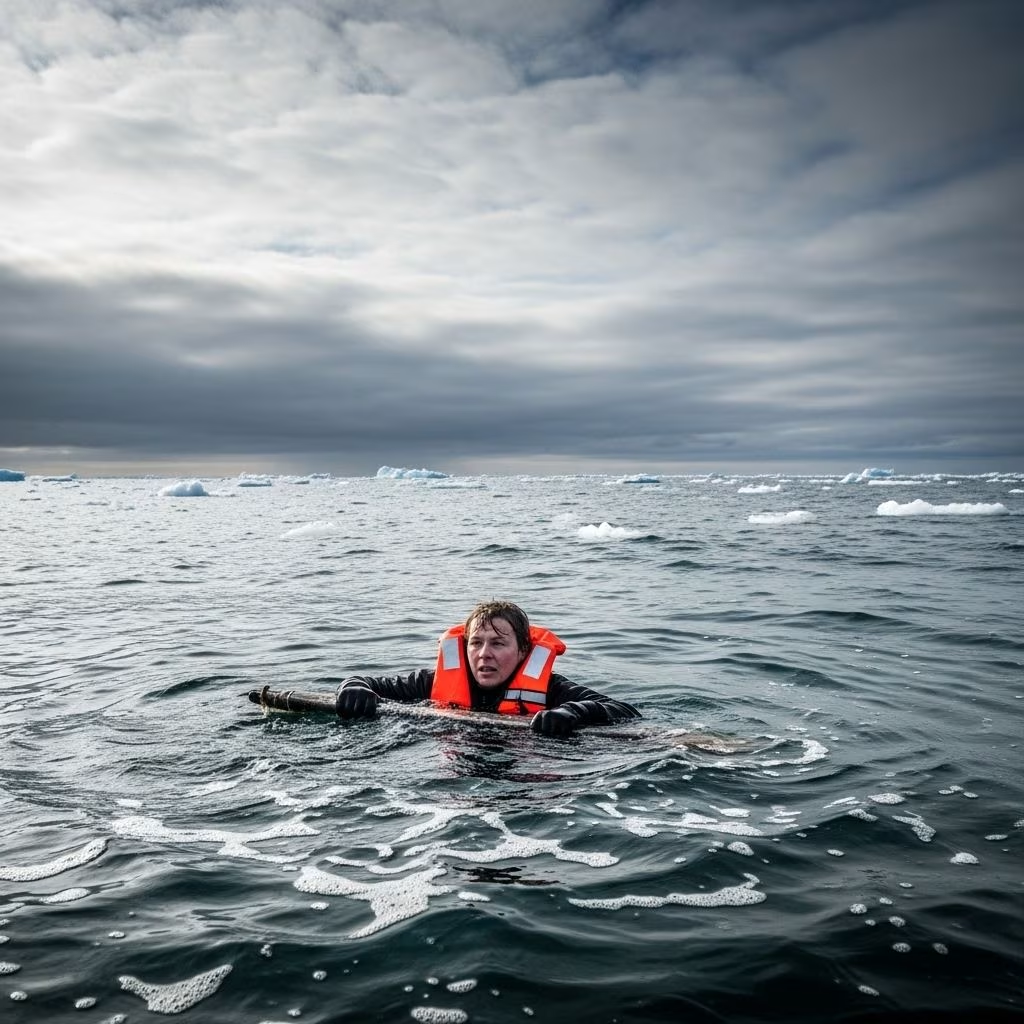
If you accidentally fall into cold water, your survival depends on understanding your body’s immediate responses and using practical, science-based strategies. Whether you are fishing, skating, hiking on a frozen lake, or simply spending time outdoors near cold water sources, it is vital to be prepared. This comprehensive guide explains how cold water affects your body, details effective survival tactics, and dispels myths to give you the best chance of making it out safely.
Understanding the Risks of Cold Water Immersion
Before you find yourself facing icy water, it’s essential to know what makes it so dangerous. Cold water immersion can incapacitate even experienced swimmers in minutes. Temperatures below 70°F (21°C)—with particularly severe danger below 50°F (10°C)—can plunge the human body into cold shock and rapid hypothermia.
- Sudden cold shock: Uncontrolled gasping, hyperventilation, and panic worsen the risk of drowning within the first minute.
- Impaired ability: Cold quickly weakens your muscles, making swimming or self-rescue attempts more difficult.
- Hypothermia: Extended exposure to cold water leads to a dangerous drop in core body temperature, further reducing your chances of survival.
The Body’s Response: What Happens When You Fall In
When your body hits cold water, it reacts in specific, predictable ways. Understanding these is key to survival:
- Gasp Reflex: The first deep, involuntary breath after immersion can result in inhaling water if your mouth is submerged.
- Cold Shock Response: Rapid breathing, panic, increased heart rate, and elevated blood pressure. This response typically lasts about 1–3 minutes.
- Loss of Muscle Control: Within minutes, cold water reduces the ability to move fingers and limbs, making self-rescue harder.
- Onset of Hypothermia: Prolonged exposure (10–30 minutes+) leads to slowing metabolism, confusion, and potential unconsciousness.
Step-By-Step: What To Do If You Fall Into Cold Water
Immediate actions can mean the difference between life and death. Here’s what survival experts recommend:
1. Control Your Breathing and Survive the Initial Shock
- Try to resist the urge to gasp while your head is under water. Instead, consciously close your mouth if possible and focus on short, controlled breaths once your mouth is above water.
- Keep your head above water by spreading your arms outward (to increase surface area) and stay calm until your breathing steadies.
2. Float and Stay Still for About 1 Minute
- Your body’s initial panic will subside naturally within 60–90 seconds if you focus on floating and breathing.
- Don’t try to swim immediately. Sudden, frantic movements burn valuable energy and increase your risk of inhaling water.
3. Assess Your Situation and Plan
- Look for the safest, closest exit point. This could be the place where you fell in or another location with stronger, visible ice or a shoreline.
- If you fell through ice, avoid trying to stand or sit up immediately: the ice near your entry point is weak.
4. Self-Rescue Strategies: Getting Out of the Water
Once the initial shock subsides and you have a plan, move deliberately:
- Turn toward the direction you came from, as the ice supported your weight there before.
- Kick your legs up while pressing your chest out of the water to get your body as horizontal as possible.
- Kick hard and pull with your arms to slide onto the ice belly-first, reducing pressure on the ice surface.
- Once on the ice, roll or crawl away from the hole on your stomach or all fours, spreading your weight as much as possible. Only stand when you reach thicker, more stable ice.
Cold Water Survival: The Science Behind Your Tactics
Why do these steps work? Cold water disables fine muscle control faster than overall limb function. Floating minimizes panic and conserves energy, while rolling on the ice distributes your weight, helping prevent further breakage. The famous “1-10-1 Rule” from cold water experts summarizes this:
- 1 minute to get your breathing under control.
- 10 minutes of meaningful movement before cold incapacitates your limbs.
- 1 hour or more before you lose consciousness from hypothermia (in most cases).
Clothing and Life Jackets
- Clothing helps you float by trapping air and provides some initial insulation against cold water. Keep it on as long as possible, even waterlogged clothing offers buoyancy and slows heat loss.
- A life jacket is the single most important piece of safety gear: it keeps your head above water during the cold shock phase, when you are least able to help yourself.
What NOT to Do: Myths and Mistakes
Many dangerous myths persist about cold water immersion. Avoid these common errors:
- Myth: “Heavy clothes will drag you down.” Reality: Clothes actually help you float and retain heat initially—keep them on.
- Myth: “Must swim for shore immediately.” Reality: Wait until you have controlled your breathing. Swimming too soon can exhaust you and increase inhalation risk during cold shock.
- Myth: “You’ll get hypothermia in just a few minutes.” Reality: Immediate risks are cold shock and muscle incapacitation; hypothermia typically takes longer to set in, buying you time for a methodical self-rescue.
Unexpected Falls: Preparing Before You Head Outdoors
Prevention is always the best defense. Here are practical preparations:
- Always check ice thickness before venturing onto frozen lakes or rivers. At least 4 inches is recommended for one person, more for groups or vehicles.
- Wear a life jacket when fishing, skating, or boating in cold weather conditions.
- Carry ice picks or spikes (worn around your neck), which can help provide traction while pulling yourself out.
- Go out with a partner and keep a rope or throw bag handy.
- Tell someone your itinerary in advance—including your route and estimated return time.
Post-Rescue: What to Do After Exiting the Water
Once you’re out, the risk isn’t over. Hypothermia can set in quickly, even after leaving the water.
- Seek shelter or a wind-free area as soon as possible.
- Remove wet clothing and replace it with dry layers if available.
- If you cannot change clothing, wrap yourself in anything dry—jackets, blankets, or even extra clothing from others.
- Keep moving to encourage circulation, but do not overexert.
- Seek help: Call emergency services or get to a warm location promptly.
Table: Quick-Reference Survival Actions
| Situation | Action | Why? |
|---|---|---|
| First 1-2 min in water | Float, breathe, keep face above water | Minimize panic and prevent water inhalation |
| Once breathing is under control | Assess exit, plan deliberate self-rescue | Maximize effectiveness and safety |
| Pulling onto ice | Kick legs up, pull, slide on belly | Spread weight, reduce chance of secondary breakthrough |
| After exit | Stay low, crawl/roll, seek warmth | Reduce further risk and begin rewarming |
Frequently Asked Questions (FAQs)
Q: How quickly does hypothermia set in after falling into cold water?
A: The timeline varies, but most people remain conscious and able to self-rescue for at least 10–30 minutes. However, cold shock and loss of muscle control present greater immediate dangers, often striking within the first minute to several minutes after immersion.
Q: Should you remove wet clothing while still outside in the cold?
A: Only remove wet clothing once you have access to dry replacements or shelter. Otherwise, wet clothes provide some insulation and help reduce wind chill by holding a layer of water close to your body that may warm slightly.
Q: Is it better to swim or stay put after falling through ice?
A: In most cases, it is safer to stay put for the first minute to control your breathing, then attempt to self-rescue by moving toward the direction you came from — rather than blindly swimming for shore. Swimming in cold water is exhausting and dangerous due to muscle fatigue and the risk of inhaling water during initial cold shock.
Q: What is the best way to avoid falling in altogether?
A: Prevention strategies include never venturing onto ice that is less than 4 inches thick for walking or skating, testing ice with a pole, traveling in groups, carrying rescue gear like ice picks or throw ropes, and always letting someone know your plans before heading out.
Summary and Quick Tips
- Stay calm, float, and control your breathing for the first minute.
- Use clothing as insulation—do not remove it in the water.
- Self-rescue by kicking up and sliding on your belly toward stronger ice or the shore.
- After escape, get dry and warm as quickly as possible and seek help.
- Always plan and prepare before going near cold water.
Cold water immersion is survivable—if you know what to do. Proper knowledge and preparation turn a dangerous accident into a manageable emergency.
References
- https://www.youtube.com/watch?v=7PA-GzpcgIA
- https://www.youtube.com/watch?v=0S6nnkwqwzE
- https://www.adventuresmart.ca/programs/hug-a-tree-and-survive/
- https://repository.library.noaa.gov/view/noaa/34659/noaa_34659_DS1.pdf
- https://tpwmagazine.com/archive/2014/may/ed_2_survival/
- https://verilymag.com/lifestyle/fun-winter-hobby-bucket-list/
- https://outdoors.com/bear-grylls-trees-for-survival/


