


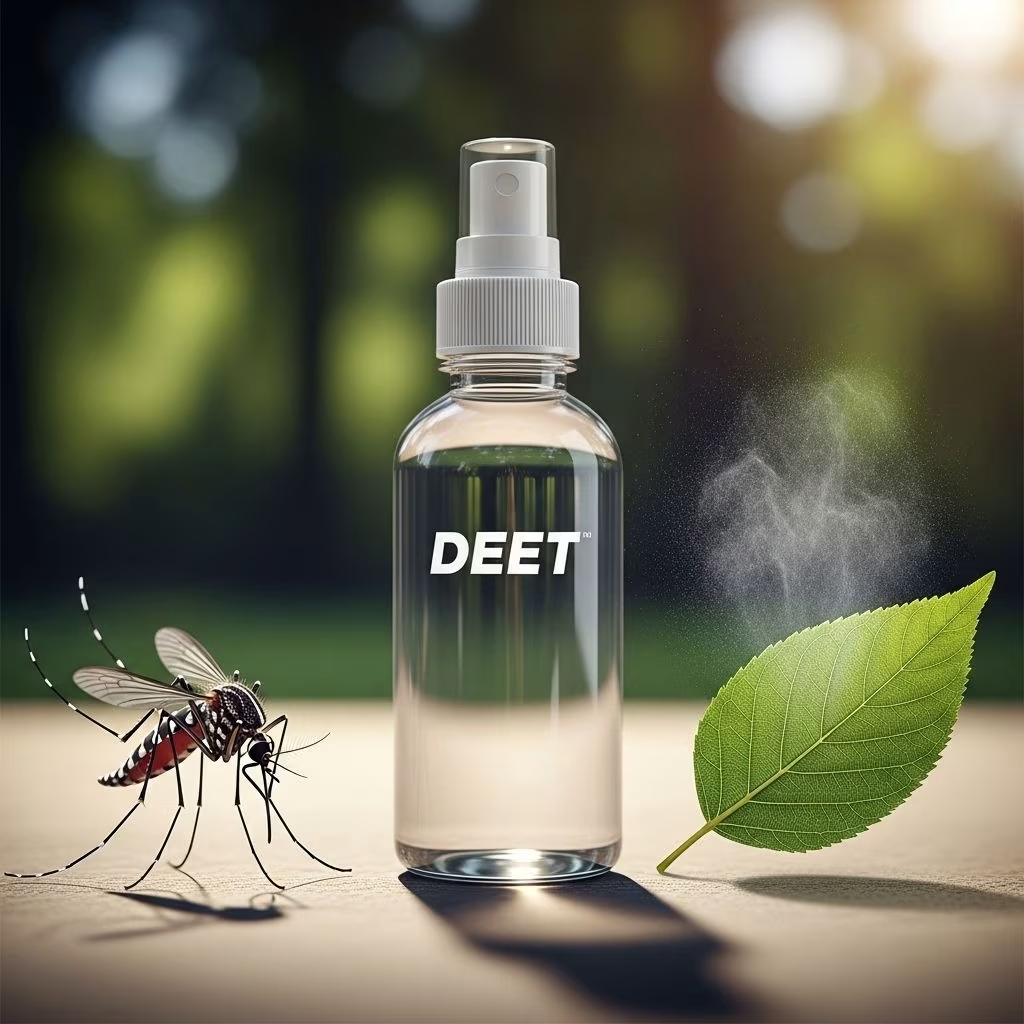
Understanding DEET: The Gold Standard in Insect Repellents
N,N-diethyl-meta-toluamide, commonly known as DEET, is a widely used active ingredient in insect repellents formulated to protect against mosquitoes, ticks, fleas, and other biting pests.1 Since its development by the U.S. Department of Agriculture in 1944, DEET has become a cornerstone for personal protection against vector-borne diseases worldwide.4
How DEET Works: Action Against Insect Vectors
DEET functions as a spatial repellent and contact irritant. It interferes with the olfactory receptors on insect antennae, disrupting their ability to detect body heat, carbon dioxide, and skin chemicals.4 This “confusion” deters mosquitos and other insects from landing and biting, even when applied to both skin and clothing.2 Additionally, DEET acts as a “contact disengagent,” meaning it can induce an aversion response upon physical contact, further discouraging insect interaction.3
- DEET blocks mosquitoes’ ability to recognize human scent signatures.
- It is effective at both short-range deterrence (on skin) and as a spatial repellent (in air).
Effectiveness of DEET: Protection Against Threats
DEET offers broad-spectrum protection against:
- Mosquitoes (including those carrying Zika, dengue, and West Nile viruses)2
- Ticks (vectors for Lyme disease, Rocky Mountain spotted fever)2
- Fleas, chiggers, bed bugs, and lice1
Extensive testing by organizations such as the World Health Organization and the CDC confirm its reliability for reducing the risk of insect-borne diseases.2 In fact, a 2018 systematic review found DEET to be as effective as alternative repellents like icaridin for mosquito protection.1
Duration and Concentration: How Much DEET Is Enough?
Protection time and strength largely depend on the product’s DEET concentration:
| DEET Concentration | Approximate Protection Duration | Recommended Use |
|---|---|---|
| Less than 10% | 1-2 hours | Infants, children, brief outdoor activities |
| 10–30% | 2-6 hours | General adult use, moderate exposure |
| 50% | Up to 12 hours | High-risk areas, extended exposure |
| Above 50% | No significant increase in protection time | Specialized use, may damage synthetic fabrics |
For travel to malaria-endemic zones, authorities recommend up to 50% DEET formulations for adults.1 Children and infants should use lower concentrations (typically 10%).1
Comparing DEET to Other Repellents
A range of alternatives, including picaridin and oil of lemon eucalyptus, are available. However, DEET remains the most studied and widely recommended due to its proven efficacy and longevity.1
Safety Profile of DEET: For Humans and Pets
The safety of DEET depends on adherence to usage instructions and avoiding excessive or inappropriate applications. Regulatory agencies (CDC, WHO, EPA) affirm that DEET is safe for both adults and children over the age of two months when used as directed.2
- CDC: Recommends 30–50% DEET as both effective and safe for disease prevention.2
- Health Canada: Limits consumer products to 30% DEET due to concerns about long-term repeated exposure for children.1
- NHS (UK): Advises 50% DEET for malaria protection (adults), and 10% for children.1
How to Apply DEET Safely
- Do not apply to broken, sunburned, or irritated skin.
- Avoid spraying near eyes, mouth, and excessive use on hands (especially for children).
- Wash treated skin with soap and water once returning indoors.
- Spray on clothing for added protection; note that DEET may damage some synthetic fabrics.
- Use sparingly and avoid repeated heavy application throughout the day.
Safety for Children and Pets
Children older than two months can use DEET in low concentrations (10–30%). For infants or pets, consult a physician or veterinarian before use. Always follow label instructions precisely.2
Potential Health Risks and Precautions
Decades of data affirm DEET’s relative safety, but improper use can carry minor risks:
- Mild reactions: Skin or eye irritation, temporary rashes, especially at high concentrations or prolonged exposure
- Severe risks (rare): Allergic reactions, neurological symptoms (mainly following ingestion or heavy repeated skin application)
- No evidence of carcinogenicity or reproductive harm found at standard use levels
The most common adverse events are minor skin or eye irritation. If ingested, DEET can be toxic and requires immediate medical attention. Use in children should always be limited to recommended concentrations, never exceeding manufacturer-specified amounts.2
Signs of Overexposure
- Headache, nausea, dizziness
- Skin redness or swelling
- Difficulty breathing, confusion (very rare, often linked to ingestion)
If symptoms appear, wash affected area thoroughly and consult a health professional immediately.
Environmental Considerations: Effects on Ecosystems
The widespread use of DEET raises questions about its impact beyond personal health. Some key environmental concerns include:
- Water contamination: DEET commonly enters aquatic environments via wastewater, but is not classified as highly persistent or bioaccumulative.
- Aquatic toxicity: DEET can affect fish and aquatic invertebrates at higher concentrations but generally poses low risk at environmental levels due to rapid degradation.
- Wildlife: There is minimal evidence that DEET used as direct skin repellent has significant harmful effects on land animals.
- Plant impact: DEET does not pose notable toxicity to plants, though its use directly on crops or gardens is not recommended.
DEET in Consumer Products: Forms and Application Methods
DEET is sold in varied formats to suit different lifestyles and needs:
- Sprays and mists
- Lotions and creams
- Towelette wipes
- Roll-on applicators
Concentration levels range from as low as 5% (children’s products) up to nearly 100% for specialized users. For general outdoor activity, 10–30% solutions usually suffice.
Frequently Asked Questions (FAQs) about DEET
Q: Is DEET safe for daily use?
Yes, DEET is considered safe for daily use in recommended concentrations and following product instructions.2 Regular handwashing and limiting overdose are advised for best safety practices.
Q: Can DEET be used while pregnant or breastfeeding?
Current clinical guidance permits DEET use for pregnant and breastfeeding individuals, but it is recommended to use the lowest effective concentration and minimize repeated exposure.
Q: Does DEET damage clothing or gear?
DEET may degrade certain synthetic fabrics such as acetate, rayon, and spandex. It is generally safe for use on cotton, wool, and nylon.1
Q: What is the difference between DEET and Picaridin?
Both DEET and Picaridin are CDC-recommended insect repellents. DEET has been longer studied and is slightly more effective at very high concentrations, while Picaridin is less irritating to skin and odorless.
Q: How should DEET be stored and disposed of?
Store products in cool, dry places away from direct sunlight or flames. Disposal should follow local hazardous waste guidelines or product instructions to avoid environmental contamination.
Best Practices: Using DEET Responsibly
- Always read and follow product label instructions for best protection and safety.
- Use the lowest effective concentration for your activity and location.
- Apply to exposed skin and clothing, avoiding eyes and mouth.
- Minimize use in enclosed spaces or on broken skin.
- After returning indoors, wash skin and clothing to remove residues.
Choosing Eco-Friendly Alternatives
If environmental concerns are paramount, consider repellents based on picaridin, IR3535, or oil of lemon eucalyptus (PMD). These alternatives provide moderate to excellent protection, albeit with shorter durations or minor tradeoffs in efficacy.
Conclusion: DEET’s Continued Role in Public Health
Despite the emergence of alternatives, DEET remains the most trusted personal insect repellent for its proven record against potentially deadly vector-borne illnesses. Responsible use balances personal safety and environmental stewardship, ensuring effective protection while minimizing potential risks.
References
- https://en.wikipedia.org/wiki/DEET
- https://www.scjohnson.com/impact/insect-borne-disease/protect-yourself/deet-repellents-statement
- https://pmc.ncbi.nlm.nih.gov/articles/PMC4269249/
- https://off.com/en-us/education/active-ingredients/using-deet-how-insect-repellent-works
- https://www.atsdr.cdc.gov/toxfaqs/tfacts185.pdf
- https://npic.orst.edu/factsheets/DEETgen.html
- https://health.clevelandclinic.org/is-deet-bad-for-you-and-your-kids
- https://www.thesafaristore.com/en/safari-stories/deet-insect-repellent-guide
- https://www.vdci.net/blog/deet-picaridin-mosquito-repellent/


