Dubai’s Innovative Battle Against Extreme Heat
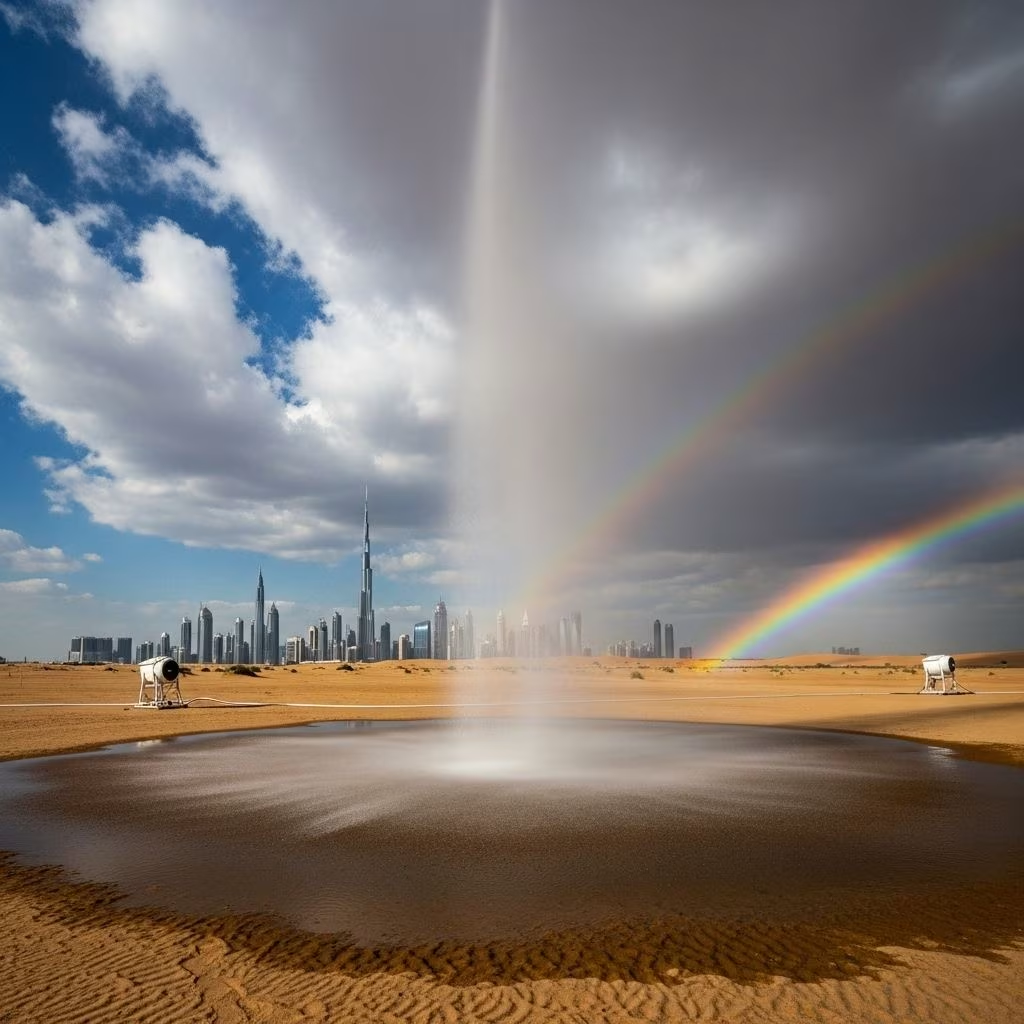
Dubai has become synonymous with extreme innovation—and extreme weather. As temperatures in the region soar well above 115 degrees Fahrenheit during summer months, the United Arab Emirates (UAE) has turned to cutting-edge technology in a desperate bid to cool its cities and secure water resources. Central to this strategy is the creation of artificial rain through weather modification—a scientific undertaking that blends meteorology, robotics, and environmental engineering.
The Harsh Climate of Dubai
Situated deep within one of the world’s biggest deserts, Dubai faces chronic drought and blistering heat. The UAE averages just about 4 inches of rainfall per year, making its water supply vulnerable to climate change and unsustainable extraction. Increasingly unpredictable weather exacerbates these risks, intensifying the urgency for technological intervention.
According to the World Bank and regional experts, average temperatures are rising, while rainfall is becoming scarcer and more erratic—endangering agriculture, groundwater, and public health.
Key climatic challenges include:
- Extreme, prolonged heat waves
- Widespread drought and falling water tables
- Escalating risk from climate change and urban expansion
Artificial Rain: How Dubai Makes It Rain
In response to these mounting challenges, Dubai has invested millions in weather modification, specifically targeting increased rainfall through cloud seeding and new, high-tech approaches based on robotics and artificial intelligence.
The Science Behind Artificial Rain
Cloud seeding is the process of inducing clouds to produce more rain by introducing substances that boost condensation. Traditionally, aircraft disperse chemicals such as silver iodide or salt into clouds, acting as nuclei around which moisture collects to form larger droplets. More recently, the UAE has pioneered drone-based rain enhancement methods, using electrically charged drones developed with researchers at the University of Reading, UK.
- Traditional cloud seeding: Aircraft deploy condensation nuclei (silver iodide, salt)
- Electric drones: Charge clouds to fuse smaller droplets into large raindrops—critical in hot zones where small droplets evaporate before hitting the ground
- Artificial intelligence (AI): Algorithms optimize cloud targeting and timing for maximum rainfall yields
These technologically advanced projects have been showcased in region-wide demonstrations. The UAE’s meteorological agency famously shared footage of cars driving through rare, intense downpours attributed to drone-induced rainmaking.
Keri Nicoll, an associate professor involved in the research, explained: “Charging these small droplets can increase the likelihood of them merging through electrostatic forces, ultimately helping them become raindrops.” This method seeks to create the larger rain droplets so vital for desert climates.
Maarten Ambaum, another leading scientist, stated, “The water table is sinking drastically in UAE and the purpose of this is to try to help with rainfall.”
Financial and Scientific Investment
- $15 million invested by the UAE government in 2017 for nine rain-enhancement projects, including the drone research at University of Reading
- Ongoing programs have handed out a total of $22.5 million in grants over a decade
- The annual International Rain Enhancement Forum brings global experts together to share innovations and results
Artificial Intelligence and Machine Learning: Next Generation Rainmaking
The latest development is the application of artificial intelligence and machine learning to maximize the effectiveness of weather modification. Algorithms help analyze real-time weather data, identify optimal cloud targets, and predict likely increases in rainfall with unprecedented precision.
AI is used to:
- Pinpoint cloud formations most responsive to seeding
- Track the impact of rainmaking interventions in real time
- Respond dynamically to changing atmospheric conditions
According to Luca Delle Monache of UC San Diego’s Scripps Institution of Oceanography, “When it comes to cloud-seeding, this program here is the best in the world.” He cautioned, however, “AI is not a silver bullet”—but it does enhance the efficiency and targeting of existing technologies.
A Unique Attraction
Rain is so rare in Dubai that it has become a local attraction: Dubai’s “Raining Street” simulates drizzle as leisure, with visitors paying to experience the novelty of water falling from the sky in one of the driest places on earth.
Effectiveness: The Promise and the Limits
The UAE claims that cloud seeding has led to a 10-30% increase in rainfall, yet the overall effect is modest and targeted. School children reportedly applaud and rush to windows during rain events, underscoring how extraordinary such weather remains.
Rain events generated by cloud seeding or drones tend to be:
- Short-lived: Lasting only a few hours
- Localized: Impacting specific regions—most often the eastern parts of the country, far from densely populated urban areas
- Modestly impactful on overall water supply, reducing drought risk and boosting groundwater only marginally
Environmental Concerns and Controversies
As Dubai continues to invest in artificial rainmaking, questions swirl about the safety, environmental impact, and effectiveness of these modifications. Historical cloud seeding used chemicals with potential ecological side effects; newer drone and electrical charge technologies promise fewer risks but remain subject to ongoing study.
Debate over April 2024 Floods
| Event | Cloud Seeding Role? | Expert Opinion |
|---|---|---|
| April 2024 floods in Dubai | Possible influence questioned | Most meteorologists attribute the rainfall to natural climate change, not artificial seeding |
| Routine rain events | Localized influence from cloud seeding | Impact is short-lived and geographically limited |
Despite some news outlets linking extraordinary flood events to cloud seeding, the UAE’s National Centre of Meteorology stated firmly that no seeding operations occurred during those events. Furthermore, atmospheric scientists maintain that cloud seeding increases rainfall only marginally and cannot drive large-scale rain systems.
The University of Reading noted: “Cloud seeding effects are typically short-lived, lasting for a few hours and only impacting a particular region. Large-scale weather patterns are too powerful and broad for artificial interventions to make a significant difference.”
The Future: Can Dubai’s Tech Solve Water Scarcity?
Dubai’s efforts may help alleviate water shortages and mitigate heatwaves, but experts warn against viewing artificial rain as a sole solution. As demand for water increases and the climate warms, broader policies—sustainable water management, reduction in fossil fuel consumption, and conservation—remain critical.
Artificial rainmaking is best seen as one tool in a much larger toolkit for managing desertification and urban resource demands.
Alternate and Complementary Strategies
- Rain prayers: A long-standing cultural practice among Gulf ruling families
- Desalination: Continued investment in turning seawater into potable water
- Water conservation: Building efficient infrastructure for cities and industries
- Climate action: Addressing underlying causes of drought and heat in the region
Frequently Asked Questions (FAQs)
Q: Does artificial rain in Dubai provide a permanent solution for water scarcity?
A: No. Cloud seeding and drone-induced rainfall increase precipitation only marginally and temporarily. These methods must be part of a broader strategy to address water issues in desert climates.
Q: Are there environmental risks from rainmaking technologies?
A: Earlier chemical-based seeding methods posed risks to soil and water. Latest technologies using electrical charges offer significantly lower environmental impact, but long-term ecological effects are still being assessed.
Q: Did cloud seeding cause the massive floods in Dubai in April 2024?
A: Most climate experts and the UAE’s meteorological authorities reject this claim, attributing the floods to natural climate variability and large-scale weather patterns.
Q: What role does artificial intelligence play in rainmaking?
A: AI and machine learning improve the targeting and timing of weather modification, offering more refined and efficient interventions.
Q: How do residents experience artificial rain?
A: Rain remains a rarity and curiosity in Dubai; artificial rain is sometimes celebrated publicly, even becoming a paid novelty in leisure attractions like Raining Street.
Conclusion: Hope, Innovation, and Caution
Dubai’s ventures into weather modification showcase a blend of optimism, technological ambition, and environmental caution. While making rain in the desert may capture headlines and inspire interest worldwide, experts emphasize that such innovations should supplement—not replace—comprehensive policy and planning for water security in a warming world.
Artificial rainmaking in Dubai is a testament to human ingenuity, but its real potential will depend on integration with broader climate strategies and a commitment to ecological stewardship.