


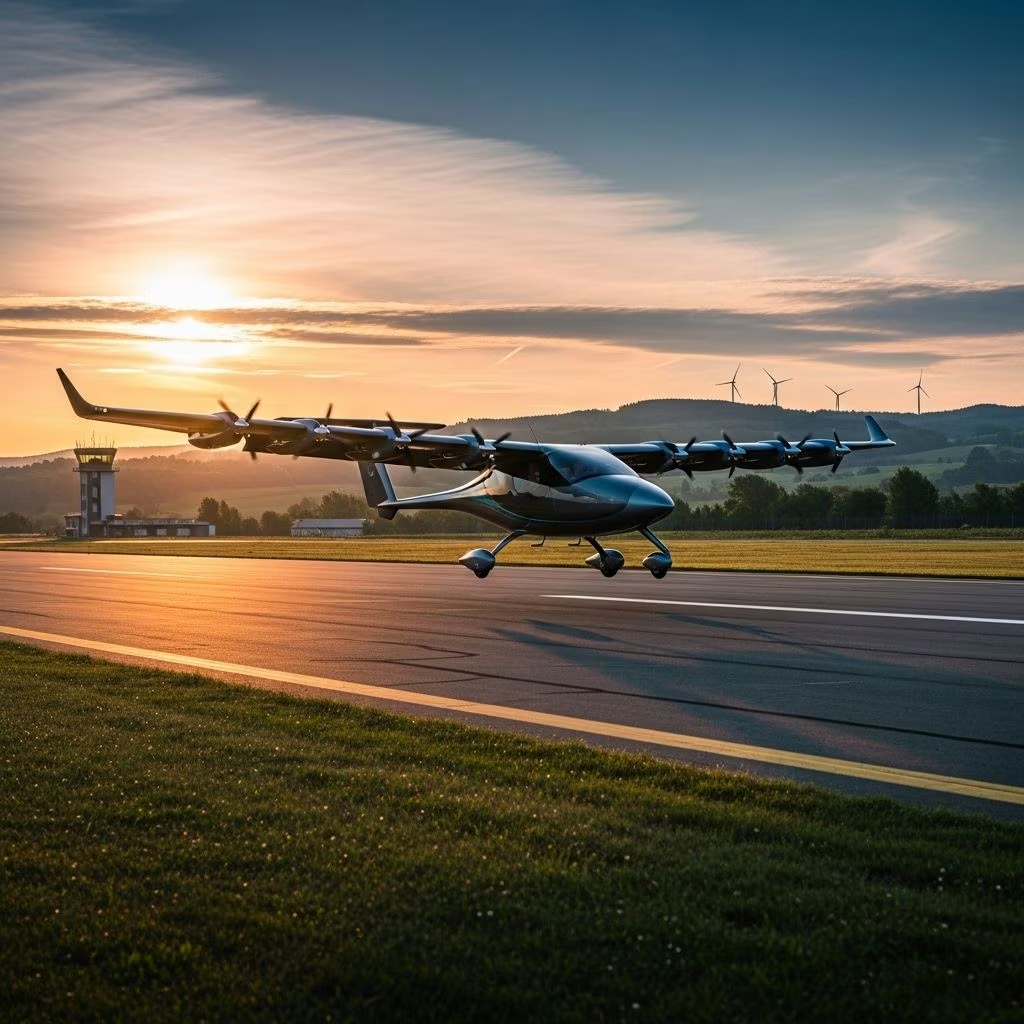
Introduction to Sustainable Aviation
As the world continues to grapple with climate change, various sectors are under pressure to reduce their carbon footprint. The aviation industry, known for its significant greenhouse gas emissions, is no exception. While electric vehicles have become increasingly popular on land, electric planes are now gaining attention as a sustainable alternative for reducing emissions in the skies.
Benefits of Electric Aircraft
Electric planes offer several benefits over traditional fossil-fuel-powered aircraft:
- Zero Direct Emissions: One of the most significant advantages of electric planes is their ability to eliminate direct air pollution during flight, as they do not burn fossil fuels.
- Energy Efficiency: Electric motors are more energy-efficient than traditional combustion engines, converting electrical energy into propulsive force more effectively.
- Cost-Effectiveness: As battery technology improves and costs decrease, electric planes could become more cost-competitive with conventional aircraft, especially on short-haul routes.
Challenges Facing Electric Aviation
Despite the potential benefits, electric aviation faces several challenges:
- Battery Limitations: The weight and energy density of batteries are significant hurdles. Current technology limits the range of electric planes, making them suitable primarily for short flights up to a few hundred miles.
- Production Emissions: The production of batteries and other components can have a substantial carbon footprint, although this can be mitigated with clean energy sources.
- Infrastructure Development: Ground infrastructure for charging and maintenance is still in its infancy.
Examples of Electric Aircraft Innovations
Several companies are at the forefront of developing electric aircraft suitable for short-range flights:
- Eviation Aircraft: Eviation has successfully tested its nine-passenger Alice aircraft, which is slated for service around 2027.
- magiX: This company has flown an all-electric Cessna, demonstrating the feasibility of electric flight for small aircraft.
- Elysian Aircraft: Elysian is working on larger electric aircraft designs, aiming to bridge the gap between small eVTOLs and larger turboprops.
Market Potential and Adoption
Electric planes are best suited for short-haul flights, where a significant portion of emissions originate. Regions with a high concentration of short-distance flights, like New Zealand, are ideal candidates for early adoption.
Future Outlook and Collaborations
As technology advances, partnerships between companies and regulatory bodies will be crucial for the widespread adoption of electric aircraft. Elysian Aircraft, for instance, is working with the European Union Aviation Safety Agency (EASA) towards certification.
Frequently Asked Questions (FAQs)
Q: Can electric planes completely replace fossil-fuel-powered aircraft?
A: Currently, electric planes are best suited for short-range flights due to battery limitations. Thus, they are likely to complement rather than completely replace conventional aircraft in the near future.
Q: How do electric planes reduce emissions?
A: They eliminate direct air pollution by not burning fossil fuels. However, production emissions and electricity generation sources can impact their overall carbon footprint.
Q: What are the main challenges facing electric aviation?
A: The primary challenges include the weight and energy density of batteries, production emissions, and the need for infrastructure development.
Conclusion
Small electric planes represent a significant step towards decarbonizing the aviation sector by offering a cleaner alternative for short-range flights. While challenges remain, advancements in technology and strategic partnerships will be crucial for their widespread adoption.
References
- https://theicct.org/publication/global-aviation-performance-analysis-regional-electric-aircraft-jul22/
- https://www.flyingmag.com/elysian-aviation-plans-on-pushing-the-limits/
- https://www.4air.aero/whitepapers/clearing-the-air-opportunities-amp-hurdles-in-electric-aviation
- https://thinklandscape.globallandscapesforum.org/66715/are-electric-planes-the-future/
- https://www.catf.us/resource/decarbonizing-aviation-enabling-technologies-net-zero-future/
- https://www.responsiblevacation.com/copy/low-emissions-planes-and-electrofuels
- https://www.iata.org/en/iata-repository/pressroom/fact-sheets/fact-sheet-new-aircraft-technology/


