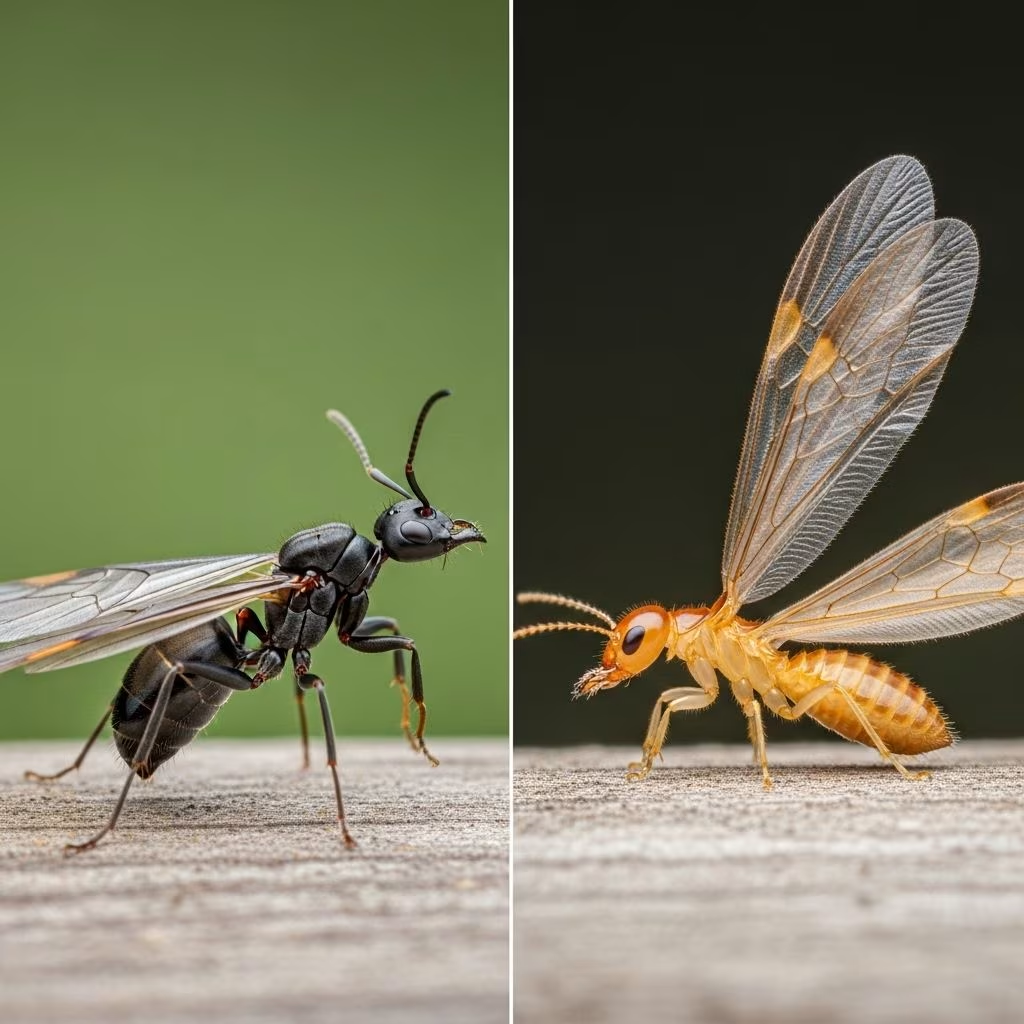
Spotting swarming insects inside or around your home can be alarming, especially when you’re not sure if you’re looking at flying ants or termites. Although these winged pests may look alike at first glance, they pose very different threats to your household. Correct identification is crucial, as termites can cause serious structural damage, while flying ants are generally much less destructive. This guide dives into the key differences between flying ants and termites, including their appearance, behavior, life cycles, and what to do if you find them in your home.
Why Do Some Ants and Termites Have Wings?
Not all ants or termites have wings. Typically, winged ants and termites appear during their respective swarming seasons. Both insects form winged reproductive forms—called alates—which leave their colonies in large numbers to mate and start new colonies elsewhere. This synchronized emergence is commonly prompted by warm temperatures and humidity following rain.
- Flying ants: Only certain species develop wings, and it’s typically the reproductive males and queens seen during swarms.
- Termites: All mature colonies produce winged reproductive termites (swarmers) at some point, as a natural step in their growth cycle.
If you see either flying ants or termites inside your home, it might mean a colony is nearby or even within your walls. Each swarm is short-lived, but understanding which insect you’ve spotted makes a big difference for treatment and prevention.
Flying Ants vs. Termites: Side-by-Side Comparison
| Trait | Flying Ants | Termites |
|---|---|---|
| Body Shape | Segemented body with a narrow, pinched waist | Broad, straight-sided body with no obvious waist |
| Wings | Two pairs (front pair noticeably larger than back, brown-tinted, slightly opaque) | Four wings, all equal in size and length, clear with visible vein pattern—extend well past abdomen |
| Antennae | Elbowed (bent) antennae | Straight, bead-like antennae |
| Waist | Pinched or narrow waist | Broad, thick waist (no constriction) |
| Color | Brown, black, or reddish-brown | Usually dark brown or black |
| Wing Length vs. Body | Wings shorter and proportional to body | Wings roughly twice as long as body |
| Shedding Wings After Swarming | Yes | Yes |
Physical Differences: Appearance Explained
1. Antennae
Flying ants have distinctly elbowed (bent) antennae, resembling a gentle curve or sharp bend near the base.
Termites exhibit straight, beaded antennae, which lack noticeable bends.
2. Body Segmentation and Waist
Flying ants display a pronounced segmentation with a constricted, pinched waist between their thorax and abdomen. This gives them a more defined, wasp-like shape.
Termites have a straight-sided, uniform body without any visible waist, making them look more cylindrical.
3. Wing Shape, Length, and Color
- Flying ants have two pairs of wings: the forewings are larger than the hindwings and are usually brownish with a cloudy appearance.
- Termites have four wings that are all the same size and are typically clear, extending beyond the length of the body. Wing veins are present and easily noticed.
4. Body Color
- Flying ants can be brown, black, or occasionally reddish-brown, depending on the species (e.g., carpenter ants often appear dark).
- Termites that swarm, also called alates, are mostly dark brown or black.
These subtle distinctions can be difficult to spot in a swarm, but inspecting a dead or captured specimen closely can usually confirm their identity.
Behavioral Differences and Habits
Flying Ants
- Habitat: Found both indoors and outdoors; common near doors, windows, or lights during swarming season.
- Diet: Most ants don’t eat wood; carpenter ants excavate wood for nesting but do not consume it.
- Impact on Homes: Generally pose minimal risk to structures unless you have a large carpenter ant colony, which can cause localized damage.
- Swarming Purpose: Swarms indicate the ants are reproducing and establishing new colonies. Males die after mating; queens lose wings and seek a new nest site.
Termites
- Habitat: Prefer moist, dark areas. Infest dead wood, wood debris, and sometimes the wooden structure of homes.
- Diet: Feed on cellulose—wood and plant material—often causing serious structural damage.
- Impact on Homes: Pose significant risks to buildings by hollowing out wood, potentially compromising safety and value.
- Swarming Purpose: Swarming termites indicate a mature colony nearby. After mating, both male and female termites lose their wings and begin a new colony together.
Natural Swarming Seasons
- Termite swarms most often occur in spring and early summer, usually after a period of rainfall and warmer temperatures.
- Flying ant swarms (ant “nuptial flights”) generally synchronize with the same warm, humid weather but may occur multiple times throughout the year, depending on the species.
Indoor swarms, regardless of time of year, suggest that a nest is already established inside the building.
Risks: Why Correct Identification Matters
- Termites: Capable of causing significant structural damage by eating wood from the inside out. Early detection is key to preventing expensive repairs.
- Flying Ants: Carpenter ants can excavate wood for nesting but rarely cause the widespread harm of termites. Most other ant species are simply a nuisance and do not damage wood at all.
Since termites work quietly and often go undetected until serious damage has occurred, misidentifying them as harmless flying ants can be a costly mistake.
How to Tell If You Have Flying Ants or Termites in Your Home
If you spot a swarm or find dead winged insects indoors, try these simple identification steps:
- Collect one or more specimens for close inspection.
- Use a magnifying glass or take a close-up photo to view the distinguishing features: waist shape, antenna, and wings.
- Look for shed wings on windowsills or floors; these are often signs of termite swarms, especially if the wings are all equal in size and length.
- Examine the body for color and overall shape.
- Consult the table above or contact a local pest control expert if you are unsure.
Keep in mind that professional identification and inspection can provide the fastest and most reliable answer, especially if termites are suspected.
Termite Swarming: Signs and What To Watch For
- Large numbers of winged insects emerging suddenly from baseboards, windowsills, or the foundation area
- Nests or mud tubes on exterior walls or in crawl spaces
- Piles of shed, equally sized, clear wings
- Wood that sounds hollow when tapped, or surfaces that blister and peel
If you notice these signs, it’s important to take action quickly: call a pest management specialist to investigate further and recommend appropriate treatment.
Preventing Infestations
For Both Flying Ants and Termites
- Seal gaps and cracks around doors, windows, and foundations to prevent access.
- Repair leaky pipes, roofs, or gutters to eliminate excess moisture—an attractant for both pests, but especially termites.
- Store firewood away from the home and keep wooden materials off the ground.
- Trim plants, shrubs, and tree branches away from exterior walls and roofs.
- Monitor for insect activity during the warmer months and after heavy rainfall.
For Termites Specifically
- Ensure adequate ventilation in crawl spaces and attics.
- Remove deadwood, stumps, or rotting wood from your backyard.
- Inspect your foundation and wooden structural elements annually for mud tubes or other signs of termite presence.
For Ants
- Clean up crumbs and spills promptly and store food in sealed containers.
- Remove outdoor debris and leaf litter where ants may nest.
- Use ant baits and barriers as needed for minor infestations.
When to Call a Professional
If you suspect you have termites or you’re unable to confidently identify the winged insects, consult a certified pest control company as soon as possible. Termite infestations should always be professionally evaluated and treated, as early intervention can prevent thousands of dollars in damage. Regular home inspections are recommended, especially in regions prone to termite activity.
Frequently Asked Questions (FAQs)
Q: Can flying ants damage my home like termites?
A: Most flying ants are harmless to structures. However, large colonies of carpenter ants may cause some wood damage, but it is usually not as extensive or severe as that caused by termites.
Q: Do termites only swarm in the spring?
A: Swarming season for termites mainly occurs in spring, but regional and species differences can result in swarms at other times—especially after rain and warm temperatures.
Q: Are there any quick identification tips for flying ants vs. termites?
A: Yes. Remember: Termites have straight antennae, equal-length wings, and a broad waist. Flying ants have elbowed antennae, unequal-length wings, and a pinched waist.
Q: What should I do if I find winged insects inside my house?
A: Collect a specimen if possible. Check physical features for identification using the guide above, and contact a pest control professional if you suspect termites. Early intervention is key to preventing or minimizing serious damage.
Q: Can DIY treatments work against termites?
A: DIY treatments may work temporarily for ants but are almost never sufficient for termite infestations due to their hidden, persistent colonies. Professional assessment is always recommended for termites.
Summary: Protecting Your Home
Knowing whether you have flying ants or termites is the first step toward protecting your property. Identifying these pests by their physical traits and monitoring signs of infestation can help you respond quickly and effectively. For termites, swift professional evaluation is essential, while flying ants typically require only minor interventions unless carpenter ant activity is present. Regular inspections and proactive prevention will help keep your home safe from unwanted invaders—now and in the future.
References
- https://selectexterminating.com/pest-control/termites/flying-ants-vs-termites/
- https://diypestcontrol.com/diff.htm
- https://nozzlenolen.com/blog/are-those-flying-ants-or-flying-termites/
- https://dixonpest.com/termite/termite-vs-flying-ants/
- https://www.orkin.com/pests/termites/flying-ants-vs-termites
- https://www.turnerpest.com/is-that-a-termite-or-flying-ant-how-to-spot-the-difference/
- https://www.pestworld.org/multimedia-center/videos/how-to/how-to-tell-the-difference-between-termites-and-flying-ants/
- https://americanpest.net/about-us/resources/pest-guides-and-faqs/flying-ants-vs-termites/