


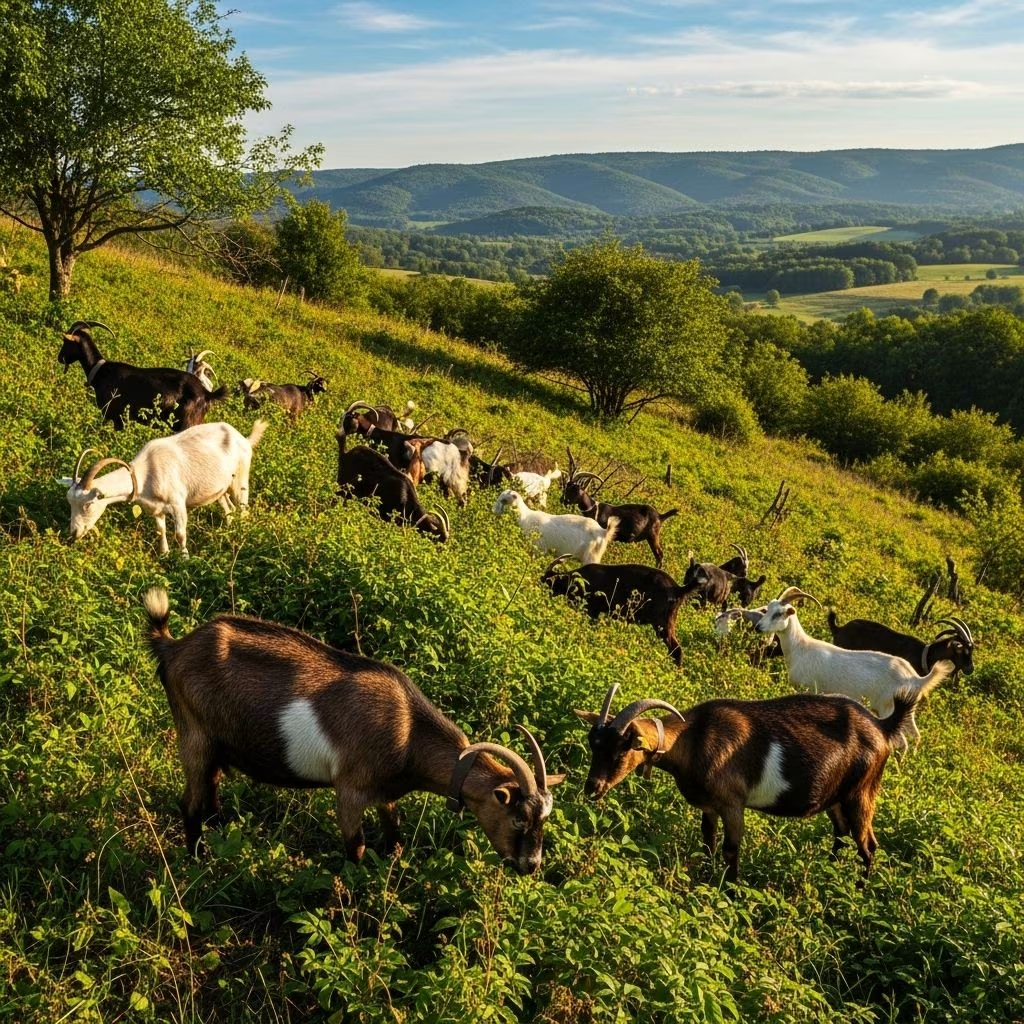
Goatscaping: Eco-Friendly Landscaping, Grazing, and Land Management
Goatscaping is a sustainable, natural alternative to traditional landscaping and weed management that relies on the innate grazing habits of goats rather than chemicals or heavy machinery. By deploying goat herds to clear overgrown vegetation, invasive plants, and even hazardous brush, property owners can address environmental concerns, reduce costs, and actively improve soil health. As climate extremes and ecological pressures grow, goatscaping has gained popularity among municipalities, private landholders, and conservationists as a practical, eco-friendly solution for land management.
What is Goatscaping?
Goatscaping is a form of targeted grazing using goats as “biological landscapers” to clear land covered in thick brush, weeds, invasive species, and hazardous plants such as poison ivy or sumac. Instead of relying on chemicals or fuel-powered equipment, goats eat and process a broad range of foliage, leaving behind healthier soil while minimizing labor and environmental impact. Goatscaping is effective in areas where traditional methods are difficult, dangerous, or costly, such as steep, rocky, or overgrown terrains. In some places, goatscaping is also called eco-grazing or prescribed browsing.
How Does Goatscaping Work?
- Goats are brought to the property and confined within secure, fenced areas to limit their grazing.
- Depending on the size and density of the vegetation, herds are deployed for days to weeks.
- Goats eat most plant material in sight, including undesirable species. Their digestive systems sterilize seeds, reducing future growth of invasives.
- After the goats finish grazing, they are removed, and owners may manually clear remaining tough vegetation for final cleanup.
The Science Behind Goatscaping
Goats are browsers, meaning they prefer to eat leaves, twigs, and vines rather than just grass. Their unique stomachs have four chambers, which allow them to break down tough plants and seeds. Many invasive species, such as kudzu, English ivy, and poison ivy, are no match for a goat’s appetite. When goats eat seeds, their digestive system often destroys them, breaking the lifecycle of unwanted plants and preventing regrowth.
Benefits of Goatscaping
- Eco-Friendly: No chemicals, pesticides, or herbicides are used; reduces environmental toxin load.
- Low Impact: Goats can access steep, rocky, or densely vegetated terrain that machinery cannot reach.
- Cost-Effective: Generally cheaper than manual labor or heavy equipment, as goats “work” for free.
- Prevents Invasive Spread: Seeds consumed by goats are sterilized in their stomachs, limiting future infestations.
- Soil Health: Natural fertilization occurs through goat manure, improving soil nutrients.
- Fire Prevention: Goats help clear dry brush and reduce wildfire risk, especially in drought-prone regions.
- Labor Reduction: Useful when manual crews are unavailable or land is hard to access.
- Fun and Educational: Watching goats work adds entertainment value and can provide learning experiences about ecology and stewardship.
Comparing Goatscaping vs. Traditional Landscaping
| Method | Pros | Cons |
|---|---|---|
| Goatscaping |
|
|
| Manual/Equipment |
|
|
Core Applications of Goatscaping
- Residential properties: Overgrown yards, lots, and fence lines cleared naturally.
- Commercial land: Large tracts, parks, and public spaces maintained without chemicals.
- Forestry and conservation: Dense brush and wildfire-fueling undergrowth managed safely.
- Irrigation districts: Vegetation near canals and waterways cleared, aiding maintenance and water flow.
Case Study: Cost and Practical Impact
Marilynn Fitzpatrick’s property in South Carolina faced costly fines due to overgrowth. A landscaping company quote was $1,800 for brush clearance, but a goatscaping vendor cleared the lot for just $500, illustrating the financial advantages. Goatscaping is often one-third the cost of manual labor, especially for large-scale projects or wild, undeveloped plots.
Goatscaping for Fire Mitigation
- Goats are increasingly deployed in fire-prone regions such as California to clear flammable brush and reduce wildfire risk.
- Thousands of goats may clear hundreds of acres annually, supplementing traditional burn practices which are limited by safety regulations.
- An example: In California, over 6,000 goats have been deployed for fire mitigation, supporting the Forestry Commission’s efforts in handling brush buildup.
In drought-affected landscapes, goatscaping is vital for risk reduction. Since controlled burn bans and climate conditions can restrict traditional fire management, grazing by goats helps keep hazardous undergrowth in check.
Goatscaping Best Practices and Process
Assessment and Planning
- Begin with a thorough property assessment to evaluate overgrowth, terrain, existing fences or barriers, and the types of plants present.
- Plan to protect desirable plants; goats cannot distinguish between native, ornamental, or commercial crops and will eat most vegetation available.
Site Preparation
- Survey the area for hazards (e.g., toxic plants for goats, unsafe terrain).
- Install or check fencing to create safe, contained grazing areas.
- Remove or shield valued landscaping and crops from grazing zones.
- Bring in water sources and monitor goats during clearance.
Bringing in Goats
- Goats begin clearing immediately, starting with higher and denser vegetation.
- Depending on herd size and plot density, goats can clear significant acreage in days or weeks.
- After goats finish, a crew may cut or collect remaining woody material for cleanup.
Challenges and Considerations
- Non-selectivity: Goats eat what’s in reach, including desired ornamental or crop plants.
- Fencing must be secure: Loose goats can escape and graze unintended areas.
- Some plants are toxic to goats: Always review local flora before deployment.
- Multiple sessions may be needed: For tough overgrowth, repeat visits across multiple growing seasons help manage regrowth and restore native grasses.
Best Land Types for Goatscaping
- Overgrown, uncultivated, or wild properties
- Land covered in invasives: poison ivy, kudzu, English ivy, dandelion, sumac
- Areas not recently sprayed with chemicals and free of plants toxic to goats
- Properties where secure fencing is possible
Tips for Success
- Schedule multiple grazing periods over consecutive seasons for lasting impact.
- Monitor goats for health and safety during the grazing process.
- Coordinate with professional goat herders who manage logistics, setup, site protection, and animal care.
Environmental and Community Impact
- Reduces chemical runoff and soil contamination.
- Improves habitat for native species by removing invasive competitors.
- Restores ecological balance by giving native plants a competitive edge.
- Enables community involvement and education in sustainable land management.
Seasonality and Grazing Habits
Goat eating habits shift with the seasons. They target fresh foliage and higher vines in spring and summer, moving toward tougher brush and ground-level weeds in fall and early winter. This adaptability makes goatscaping effective across different climates and weather conditions.
Goat Facts
- Lifespan: 15–18 years
- Gestation period: ~5 months
- Highly social and work best in herds
- Prefer varied diets and browse a wide selection of plants
Frequently Asked Questions (FAQs)
Q: What types of vegetation do goats eat?
Goats eat a broad range of plants, including brush, weeds, vines, invasive species (kudzu, English ivy, poison ivy), grass, and sometimes leaves from bushes and small trees. They are not selective, so property owners should protect valuable ornamental plants from grazing zones.
Q: Is goatscaping safe for the environment?
Yes. Goatscaping avoids chemical herbicides, reduces soil runoff, and naturally fertilizes soil with minimal ecological disturbance. It promotes healthy, balanced native ecosystems and is a proven method for sustainable land management.
Q: Are there any downsides to goatscaping?
Major considerations include non-selectivity (goats eat most available vegetation—including desired plants), need for fencing, and careful management to avoid escape and grazing on toxic plants. Planning and expert coordination help minimize challenges.
Q: How much does goatscaping cost compared to regular landscaping?
Goatscaping typically costs a third of manual labor or herbicide-based landscape management for similar plots. For large, undeveloped, or difficult terrain, the cost savings are often greater due to lower labor needs and avoidance of equipment.
Q: Where is goatscaping most effective?
It is best for large, overgrown, uncultivated, rocky, or steep areas that are hard for machines and crews to access, or where landowners want to avoid chemical use.
Conclusion: Goatscaping for a Sustainable Future
Goatscaping merges tradition, sustainability, and practical innovation. Whether reducing fire risk, restoring habitats, maintaining irrigation ditches, or saving costs for property owners, goats are proving to be effective, agile, and eco-friendly land stewards. As climate pressures and ecological constraints mount, goatscaping offers a responsible alternative for land management—benefiting the planet, its people, and its resident animals.
References
- https://www.joyfulgoatrentals.com/benefits/
- https://queensnewsservice.org/2025/04/09/goatscaping-the-landscaping-alternative-you-didnt-know-you-needed/
- https://www.tractorsupply.com/tsc/cms/life-out-here/the-barn/goats-and-sheep/goats-for-hire
- https://irrigationleadermagazine.com/are-goats-the-answer-to-your-maintenance-needs/
- https://www.epa.gov/sciencematters/natures-lawnmowers-how-one-epa-facility-uses-goats-eco-friendly-landscaping
- https://www.gardeningknowhow.com/plant-problems/weeds/goatscaping.htm
- https://www.thisoldhouse.com/landscaping/98242/goat-grazing
- https://www.hiregoats.com/learn-more


