


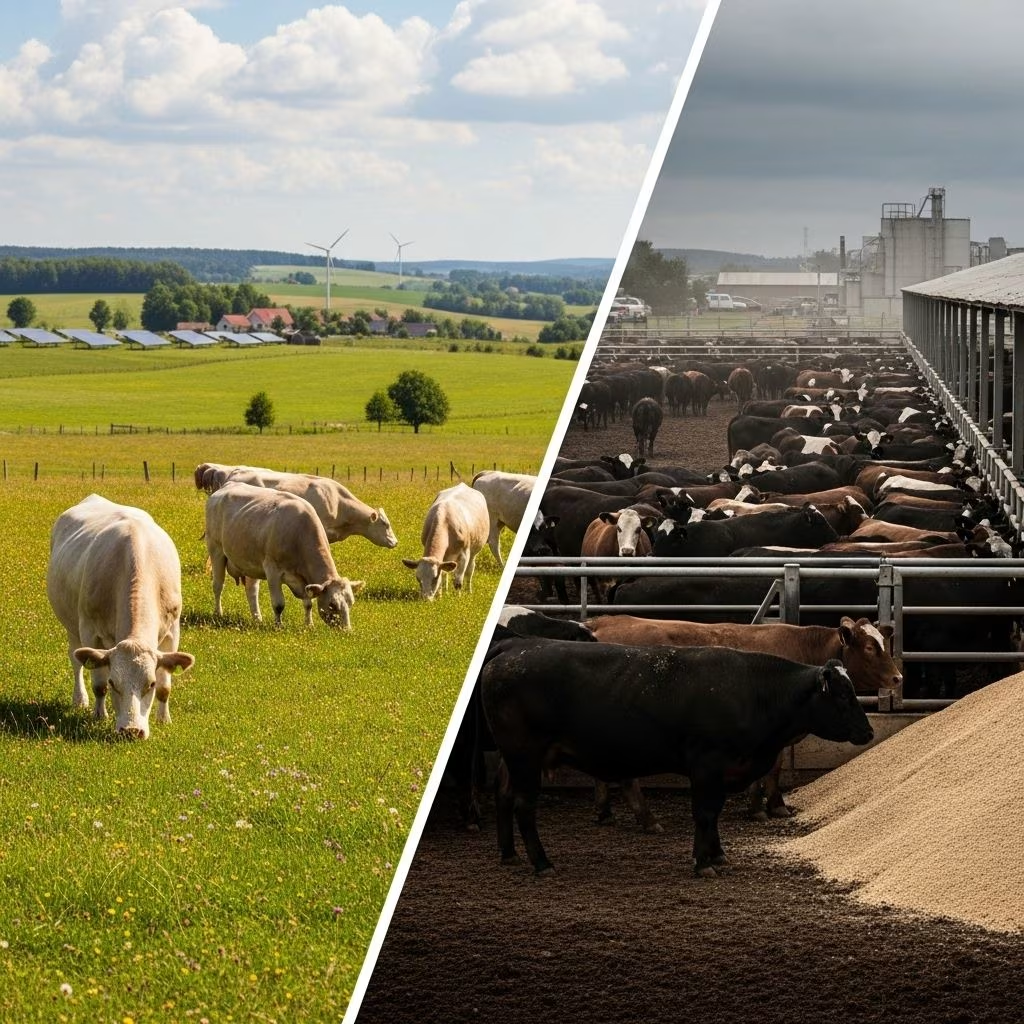
Grass-Fed vs. Grain-Fed Beef: Nutrition, Environment, and Ethics Compared
Beef production is central to many diets globally, but how cattle are raised—from what they eat to where they live—has a wide-ranging impact not only on nutrition and taste, but also on the environment and animal welfare. This article explores and compares grass-fed and grain-fed beef across a wide spectrum of issues, helping you make more informed and sustainable dietary choices.
What Do ‘Grass-Fed’ and ‘Grain-Fed’ Mean?
To understand the core differences, it is important to clarify what is meant by grass-fed and grain-fed beef:
- Grass-fed beef comes from cattle that eat mainly grass and forage for most or all of their lives.
- Grain-fed beef comes from cattle that start on pasture but are later moved to feedlots, where their diet is transitioned predominantly to grains such as corn and soy.
These terms can be confusing, as some cattle may be on a mixed diet at various life stages. Grass-fed can also be labeled as “grass-finished” when cattle spend their entire lives consuming grass and forage, never receiving any grain. In contrast, conventional grain-fed beef is typically finished in feedlots on concentrated grain diets in the months leading up to slaughter.
How Are Grass-Fed and Grain-Fed Cattle Raised?
The raising and finishing of cattle significantly influences not only the quality of the meat, but also its environmental and ethical implications.
Grass-Fed System
- Cattle typically spend their lifetime on pastures, grazing on grass, clover, and other forages.
- They are allowed to roam and often move between different fields or paddocks.
- This system requires more land and time, as cattle grow and fatten more slowly.
Grain-Fed System (Feedlot Finished)
- Cattle usually start on pasture but are moved to large feedlots after weaning (7-9 months old).
- Here, their diet shifts to a grain-rich mix, mainly corn and soy, often with supplements to maximize weight gain.
- Cows in feedlots are confined, with limited space and ability to graze or move naturally.
- To accelerate growth, antibiotics and growth hormones have traditionally been used, though regulations are increasingly restricting these practices for health concerns.
Nutrition: Grass-Fed vs. Grain-Fed Beef
One of the primary reasons consumers seek out grass-fed beef is the perceived nutritional differences. Let’s examine them:
| Nutrient / Compound | Grass-Fed Beef | Grain-Fed Beef |
|---|---|---|
| Total Fat | Lower | Higher (more marbling/fat) |
| Omega-3 Fatty Acids | Higher (about 2x more) | Lower |
| Conjugated Linoleic Acid (CLA) | More | Less |
| Vitamins A & E | Higher concentrations | Lower concentrations |
| Phytonutrients (Polyphenols, Carotenoids, etc.) | Significantly higher | Lower |
| Saturated Fat | Lower | Higher |
| Cholesterol & Triglycerides | Lower | Higher |
Studies show that grass-fed beef typically contains more omega-3 fatty acids—important for heart and brain health—as well as more antioxidants and beneficial plant compounds. It is generally leaner, with less marbling, giving it a different texture and taste profile compared to grain-fed beef.
Key Takeaways on Nutrition
- Grass-fed beef is richer in certain nutrients beneficial to health, including omega-3s, CLA, and antioxidants.
- Grain-fed beef tends to be fattier with more intramuscular marbling, a trait prized for taste in many cultures.
- Both offer protein and essential nutrients, but grass-fed provides added health-promoting compounds due to the cow’s diet and ability to roam and exercise.
Flavor and Texture Differences
The taste and texture of beef is influenced heavily by the animal’s feed and lifestyle:
- Grass-fed beef: Tends to be leaner, with a firmer texture and a stronger, sometimes “earthy” or “gamey” flavor profile. Some consumers appreciate this robustness, while others may find it less palatable.
- Grain-fed beef: Is usually juicier and more tender due to higher fat content. The flavor is milder and slightly sweet, largely because of the corn-based finishing diet and increased marbling.
Personal preference often drives consumer choice between these types.
Environmental Impact: Sustainability and Resource Use
Beef production—regardless of feeding system—has a significant environmental footprint, but there are marked differences between grass-fed and grain-fed methods.
Grass-Fed Beef
- Requires more land per animal, as cattle need large grazing areas for extended periods.
- Can promote soil health and ecosystem diversity if grazing is well-managed (rotational grazing).
- Generally uses fewer chemical inputs, such as pesticides and synthetic fertilizers, compared to the grain crops needed for feedlots.
- Potentially lower methane emissions per pound of meat from well-managed pastures, but total lifetime emissions may be higher due to slower growth rates.
Grain-Fed Beef
- More efficient use of land, since grain finishing accelerates animal growth and allows more beef per acre.
- Feedlots concentrate large numbers of cattle, generating significant amounts of manure that must be managed to avoid pollution.
- Production of grains for feed is resource-intensive, often dependent on fossil fuels, agrochemicals, and irrigation.
- Higher concentration of cattle raises concerns about air and water pollution near large operations.
Which Is More Sustainable?
The sustainability contest between these systems is complex and highly context-dependent. Well-managed grass-fed systems can restore degraded land and sequester carbon. Conversely, poorly managed grazing can damage ecosystems and increase emissions. Feedlots maximize output but generate concentrated environmental impacts. Ultimately, either system can be better or worse for the planet depending on management, location, and scale.
Animal Welfare: Space, Movement, and Health
If animal welfare influences your food choices, it’s important to consider how various beef production systems treat cattle.
- Grass-fed cattle typically have greater freedom to graze, move, and express natural behaviors throughout their lives. This aligns more closely with high welfare standards.
- Grain-fed cattle often spend the last few months in confined conditions with limited space and less access to pasture. This confinement can lead to higher stress and may require more interventions to combat disease.
Additionally, routine use of antibiotics to counteract health problems in confined feedlots is a documented concern because of links to antibiotic resistance.
Cost and Availability
The choice between grass-fed and grain-fed beef is not only one of values, but sometimes of budget and access:
- Grass-fed beef generally comes at a premium price due to slower animal growth, lower yields per acre, and higher overhead costs for producers.
- Grain-fed beef benefits from economies of scale, supplying the vast majority of commercial beef in countries like the United States at lower prices.
- Increasing demand for grass-fed has improved availability, but in many regions, options remain limited compared to grain-fed beef.
Labeling and Certification: Decoding the Terms
The beef aisle can be confusing, with a variety of terms meant to signal how cattle were raised. Here’s a guide to commonly encountered labels:
- Grass-Fed: Cattle ate grass and forages as their main diet for most or all of their lives. However, labeling standards vary, and some products labeled grass-fed may have had grain at some stage.
- Grass-Finished: The animal was never given any grain; consumed only grass or forage right up until harvest.
- Organic: Fed an organic diet without synthetic pesticides, herbicides, or hormones. Can be either grass-fed or grain-fed, but grain must be organic if fed.
- Pasture-Raised: Cattle spent significant time outdoors on pasture, though this doesn’t guarantee a grass-only diet.
To be certain about beef’s origins and methods, seek third-party certifications or get to know your farmers and their practices.
Which Is Better? Key Criteria At a Glance
| Aspect | Grass-Fed | Grain-Fed |
|---|---|---|
| Nutrient Density | Higher in omega-3s, antioxidants, phytonutrients | Lower omega-3s, higher fat/marbling |
| Environmental Footprint | More land & time; potential ecosystem benefits if well-managed | Less land per pound beef; concentrated impacts & pollution concerns |
| Animal Welfare | More natural lifestyle, higher welfare | Confinement in feedlots, more stress/interventions |
| Cost | Higher (premium product) | Lower (mass produced) |
| Flavor | Lean, gamey, intense | Mild, juicy, sweet |
Frequently Asked Questions (FAQs)
Q: Is grass-fed beef always healthier than grain-fed?
A: Grass-fed beef offers higher levels of certain nutrients (like omega-3s and antioxidants), but both grass- and grain-fed beef are nutritious sources of protein. The overall healthiness can depend on the rest of your diet and how you prepare the meat.
Q: Does grass-fed beef taste different?
A: Yes, grass-fed beef often has a leaner texture and a stronger, sometimes “gamey” flavor compared to the milder, fattier taste of grain-fed beef. Personal preference plays a big role in which is considered better tasting.
Q: Are grass-fed cattle always raised on pasture?
A: While most grass-fed beef comes from cattle raised on pasture, the definition and regulation of “grass-fed” can vary by country. Some animals may be given supplemental feed or spend time indoors, so certification is helpful for transparency.
Q: Why is grass-fed beef more expensive?
A: Grass-fed systems require more land, take more time, and yield less meat per animal, driving up costs. Producers also often operate at smaller scales than industrial feedlot operations.
Q: What label should I look for to be sure I’m buying true grass-finished beef?
A: Look for labels such as “100% grass-fed” or “grass-finished,” backed by third-party certifications or inquiries with local farmers about their practices.
Final Thoughts: Making an Informed Choice
The decision between grass-fed and grain-fed beef impacts not only taste and nutrition, but also animal welfare and planetary health. Whichever you prefer, informed choices—and support for farmers focused on sustainability—can move the industry toward better practices for animals, people, and the planet.
References
- https://www.healthline.com/nutrition/grass-fed-vs-grain-fed-beef
- https://extension.psu.edu/grass-fed-vs-grain-fed-beef/
- https://livingwell.tamu.edu/grain-fed-vs-grass-fed/
- https://www.youtube.com/watch?v=tYsY4fInjgs
- https://understandingag.com/nutritional-comparisons-between-grass-fed-beef-and-conventional-grain-fed-beef/
- https://www.piedmont.org/living-real-change/the-difference-between-grass-fed-and-grain-fed-beef
- https://union.ces.ncsu.edu/2021/07/809396/
- https://feastandfarm.com/grass-fed-beef-vs-grain-fed/


