


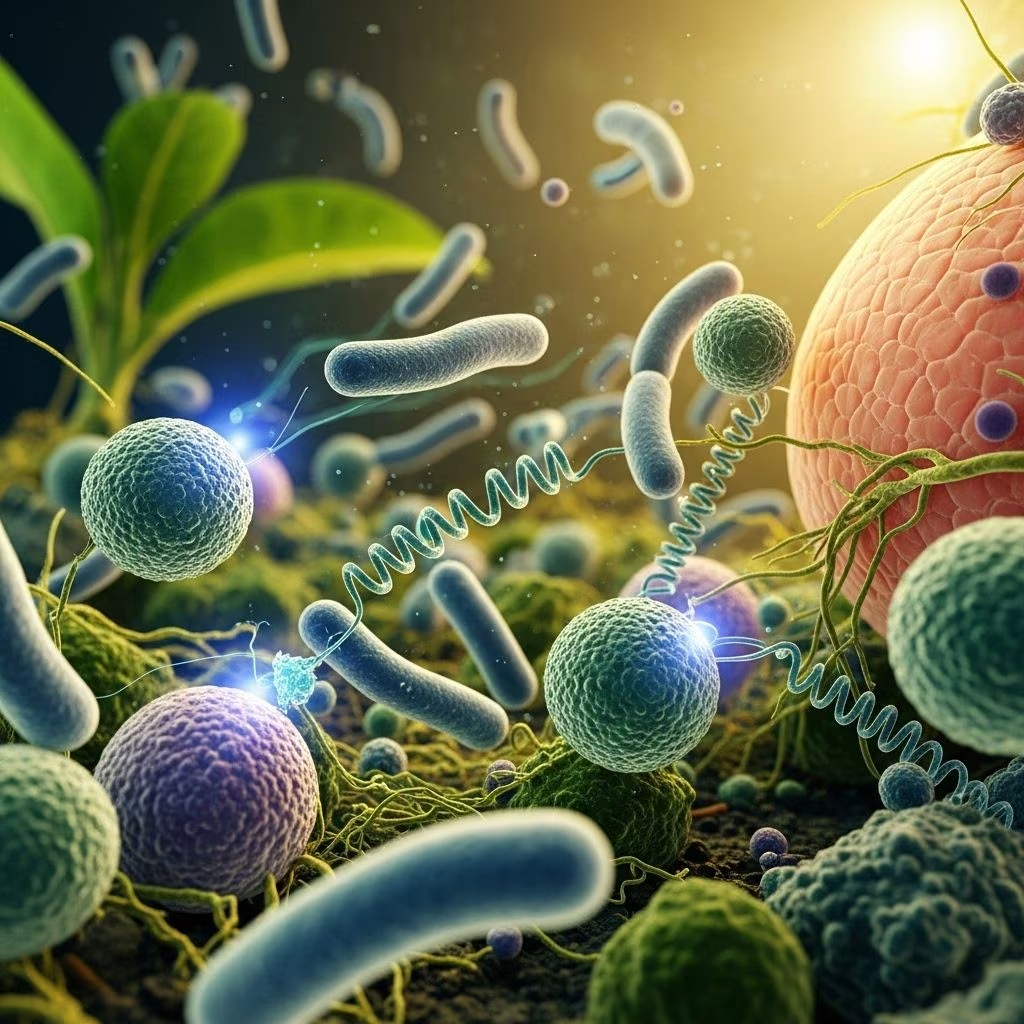
How Bacteria Improve Our Lives: From Nature’s Engineers to Everyday Helpers
When you hear the word bacteria, what comes to mind? For many, it’s illness, infection, or foodborne threats, but the vast majority of bacteria are not only harmless, they are vital to life on Earth. These microscopic powerhouses can be our staunchest allies—shaping our world, health, industry, and the future.
Understanding Bacteria’s Role in Nature and Everyday Life
Bacteria are everywhere: in the soil beneath our feet, the food we eat, the water we drink, and even thriving inside our own bodies. While some species cause disease, most maintain environmental balance and perform essential tasks that support human society, often unseen and unappreciated. Let’s explore the many surprising ways bacteria improve our lives.
1. Bacteria as Health Protectors
Human bodies contain trillions of bacterial cells—far outnumbering our own human cells. These microbial passengers, especially those forming the human microbiome, are critical for our survival.
- Digestive Health: “Good” bacteria (probiotics) help break down food, synthesize key vitamins (like B12 and vitamin K), and support nutrient absorption.
- Defense Against Infections: Beneficial bacteria compete with harmful pathogens in our gut and on our skin, reducing our risk of infection by crowding them out or even triggering immune responses.
- Immune System Regulation: Microbial action helps “train” our immune systems, promoting a healthy, balanced response to real threats, and playing a role in reducing allergies and autoimmune diseases.
- Mental Health: Gut bacteria are involved in the production of neurotransmitters such as GABA, which can influence mood and stress levels.
Foods like yogurt, kefir, sauerkraut, kimchi, and kombucha deliver live beneficial strains to our digestive tract, supporting a healthy balance known as the gut microbiome .
Probiotics in Action
- Pathogen Defense: Probiotic bacteria can ward off illness by producing natural antibiotics and forming barriers to infection.
- Vitamin Production: Many gut bacteria manufacture vitamins that humans cannot, such as vitamin K and certain B vitamins.
- Immune Support: Bacteria help modulate inflammation, a key process in both fighting microbes and preventing overreactions that can cause chronic disease.
2. Transforming Food and Flavor
Bacteria are master chefs and food preservers, responsible for some of the world’s tastiest and most cherished foods. Through fermentation, they convert sugars and starches into flavors, textures, and compounds that extend food’s shelf life and add nutritional value.
- Dairy Fermentation: Lactic acid bacteria (LAB) transform milk into cheese, yogurt, and kefir, producing not just flavor but additional nutrients like B-group vitamins and bioactives such as GABA.
- Vegetable Fermentation: Bacteria convert cabbage into sauerkraut and kimchi, boosting both vitamin content and probiotic populations.
- Beverage Production: Kombucha and some beers depend on bacteria for fermentation, resulting in complex flavors and unique probiotic qualities.
- Chocolate and Sourdough: Fermentation by specific bacteria is essential for flavor development and nutrition in chocolate and artisan breads.
Fermented foods have been linked to improved digestion, enhanced nutrient absorption, and even the production of natural preservatives and antioxidants.
3. Cleaning Up the Planet: Bioremediation and Waste Reduction
Bacteria aren’t just helpful in our kitchens—they also clean up soil, water, and industrial waste on a huge scale. This process, known as bioremediation, utilizes bacteria to transform harmful pollutants into harmless or even productive byproducts.
- Oil Spill Cleanup: Certain bacterial species break down hydrocarbons in oil, helping to mitigate the environmental impact after oil spills.
- Sewage and Wastewater Treatment: Treatment plants rely on bacteria to break down organic waste, producing cleaner water and lessening disease risk.
- Plastic-Eating Microbes: Some bacterial strains have evolved the ability to degrade plastics, offering a glimmer of hope for fighting plastic pollution.
- Toxic Metal Removal: Bacteria can immobilize and remove heavy metals such as mercury and arsenic from contaminated water.
Thanks to these processes, bacteria contribute greatly to a more sustainable and cleaner environment.
4. Building the Future: From Construction to Computing
Scientific advances are uncovering extraordinary roles for bacteria, inspiring eco-friendly innovations in fields like architecture and information technology.
Bacteria-Based Building Materials
- Self-Healing Concrete: Certain bacteria can survive within concrete, lying dormant until they come into contact with water. When cracks form, water seeps in, the bacteria wake up, and they convert calcium in the mix into limestone, repairing the crack from within.
- Living Bricks: Scientists have engineered bacteria to help “grow” bricks, using microbial metabolism to bind sand or other aggregates, forming stable building units without extreme heat or emissions.
Bacteria and Technology
- Magnetic Storage: Some bacteria naturally produce minuscule magnetic particles called magnetosomes. These particles are being studied for use in computer hard drives and data storage applications, potentially enabling the creation of ultra-compact and energy-efficient devices.
- Bioelectronics: Experimental research is using bacterial proteins for green, biodegradable components in batteries, sensors, and even light-emitting devices.
As research continues, bacterial engineering could play a major part in our transition to sustainable, greener infrastructure and technology.
5. Source of Sustainable Bioenergy
Bacteria can digest organic waste, generating methane or hydrogen in the process. This natural activity can be harnessed as a renewable energy source in biogas facilities, wastewater plants, and sustainable agricultural systems.
- Biogas Production: Methanogenic bacteria convert waste from farms and landfills into methane, used to generate electricity or heat.
- Biohydrogen: Other bacterial pathways produce hydrogen, a clean fuel for the future.
Microbial bioenergy reduces reliance on fossil fuels and provides a useful way to recycle organic waste streams.
6. Supporting Soil, Plants, and Agriculture
Healthy crops and abundant food supplies owe much to the hard work of soil-dwelling bacteria.
- Nitrogen Fixation: Certain bacteria transform atmospheric nitrogen into compounds plants can absorb, acting as natural fertilizers and reducing reliance on synthetic chemicals.
- Plant Protection: Some bacteria fight soil-borne plant diseases, boosting plant health and reducing the need for chemical pesticides.
- Soil Fertility: Decomposing bacteria recycle dead organic matter, freeing essential nutrients for new plant growth.
Bacteria are thus crucial partners in sustainable agriculture, securing food supplies for a growing world population.
7. Bacteria in Medicine and Biotechnology
Bacteria have revolutionized medicine—not just as subjects of study, but as tools for treatment and drug manufacturing.
- Antibiotics: Many antibiotics, such as streptomycin and tetracycline, are originally produced by bacteria in nature.
- Insulin Production: Genetically engineered bacteria are used to produce human insulin and other critical medicines efficiently and safely.
- Vaccine Delivery: Research is exploring “engineered” bacteria as safe vaccine vectors or immune system modulators.
Continued research into bacterial genetics and metabolism fuels new treatments for infectious and chronic diseases, and for a future of personalized medicine.
8. Everyday Products and Innovations
Beyond big-picture breakthroughs, bacteria touch many aspects of our daily lives through consumer products and innovative solutions.
- Enzyme Cleaners: Cleaning products often feature enzymes generated by bacteria, breaking down stains and grime naturally.
- Textile Processing: Bacteria aid in eco-friendly textile dyeing and finishing processes, reducing water and chemical waste.
- Cosmetics and Skincare: Probiotic topical applications are rising, leveraging beneficial bacteria to support healthy skin flora and reduce inflammation.
Challenges and the Future of Bacteria Science
Harnessing bacterial power comes with challenges, such as preventing antibiotic resistance, addressing public apprehension, and ensuring that engineered bacteria do not harm ecosystems. Nevertheless, ongoing advances in microbiology, synthetic biology, and environmental science promise ever more creative and beneficial uses for bacterial allies.
Frequently Asked Questions (FAQs)
Q: Are all bacteria harmful to humans?
A: No, fewer than 1% of bacterial species cause disease; most are neutral or beneficial and many are essential to human and environmental health.
Q: How do probiotics benefit health?
A: Probiotics, or living beneficial bacteria, aid digestion, boost immunity, crowd out harmful microbes, and help produce important vitamins.
Q: Can bacteria really help clean up oil spills and pollution?
A: Yes, specific bacterial strains naturally break down oil, toxic chemicals, and even certain plastics, making them key players in environmental cleanup.
Q: How are bacteria used in modern technology?
A: Engineered bacteria are being investigated for use in self-healing building materials, advanced data storage (utilizing their magnetic particles), bio-batteries, and more.
Q: Can bacteria be used for renewable energy?
A: Yes, bacteria can produce biogas from waste and are being developed to generate clean hydrogen fuel, supporting sustainable energy systems.
Conclusion: Embracing Our Microbial Allies
Far from being mere threats, bacteria are indispensable partners woven into the fabric of everyday life. Their invisible labor supports our health, food supply, environment, technology, and far more. A greater appreciation for these tiny organisms and continued investment in microbiological research could help us solve key challenges—ushering in a healthier, cleaner, and smarter planet.


