How Google Nest Thermostat Helps Lower Your Carbon Footprint
\n
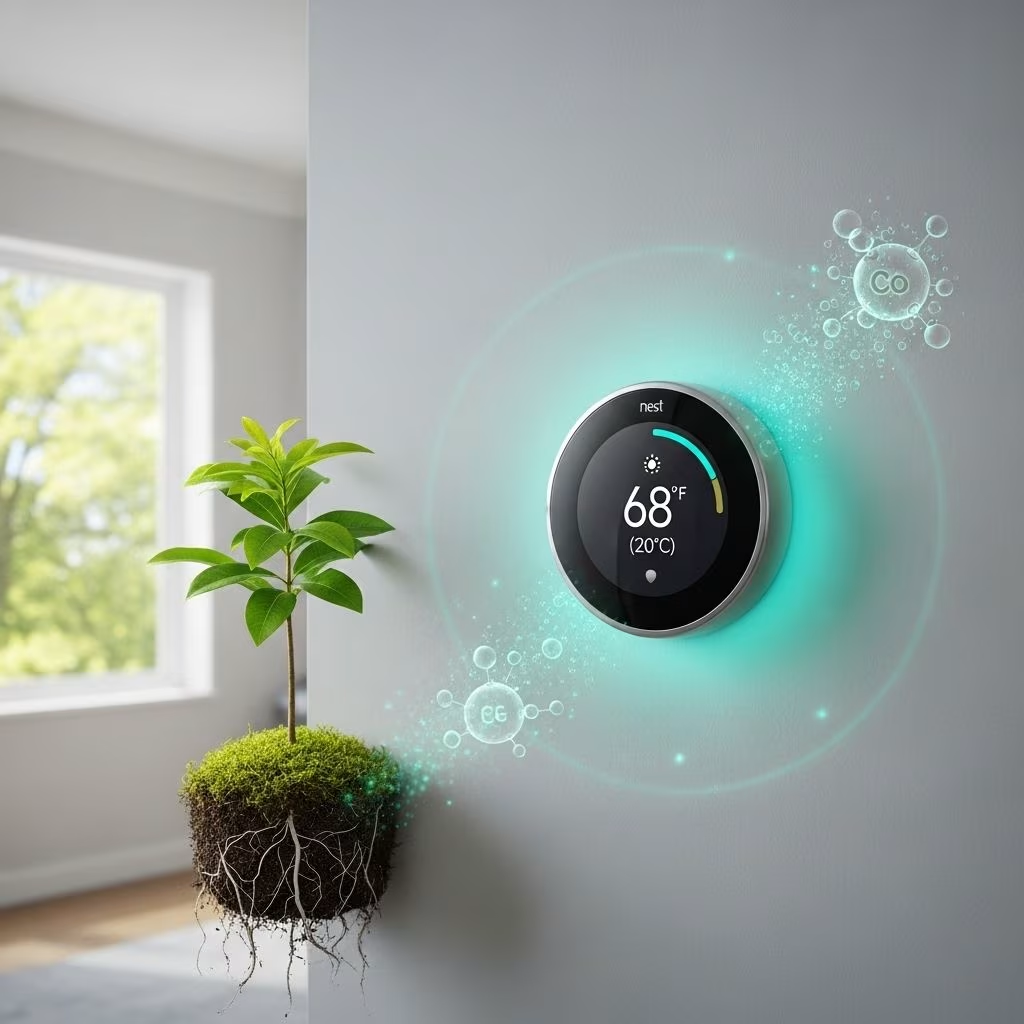
As climate change becomes an increasingly urgent global challenge, finding ways to cut energy use and emissions at home is more important than ever. The Google Nest Thermostat is at the forefront of this movement, offering smart solutions that help users reduce household energy consumption and support a cleaner electric grid. With features like Nest Renew and integration of the latest energy-saving technology, the Google Nest Thermostat aims to empower users, making sustainable living more convenient, accessible, and impactful.
\n\n
Table of Contents
\n
- \n
- Why Choose a Smart Thermostat?
- How Google Nest Thermostat Reduces Carbon Footprint
- Energy Shift and Nest Renew: Smart Energy Use
- Supporting Carbon-Free Energy at Home
- Top Benefits for Users
- Environmental Impact and Potential
- Frequently Asked Questions (FAQs)
\n
\n
\n
\n
\n
\n
\n
\n\n
Why Choose a Smart Thermostat?
\n
Traditional thermostats require manual adjustment and often leave heating or cooling systems running unnecessarily, leading to wasted energy and higher carbon emissions. In contrast, smart thermostats like Google Nest are designed to :
\n
- \n
- Automatically adjust temperatures based on activity, occupancy, and learned user habits.
- Help prioritize energy efficiency by reducing heating and cooling when not needed.
- Provide actionable insights via energy usage reports, helping users make smarter decisions about their energy consumption.
\n
\n
\n
\n
Because heating and cooling can account for an estimated 40-50% of a home’s total energy consumption, improving efficiency in this area delivers considerable environmental and financial benefits.
\n\n
How Google Nest Thermostat Reduces Carbon Footprint
\n
Learning and Automation for Energy Savings
\n
- \n
- Learning Algorithms: The Nest Thermostat uses advanced machine learning to analyze your daily routines and adjust heating and cooling schedules accordingly, maximizing efficiency without sacrificing comfort. For example, it can detect when you typically leave home and automatically switch to \”eco\” mode, reducing energy use when spaces are unoccupied.
- Geofencing: This technology senses when everyone is out of the house and automatically lowers energy consumption, ensuring you aren’t heating or cooling an empty home.
- Energy History Tracking: Nest provides detailed daily and monthly reports, helping you understand how and when you use the most energy—and where you can cut back.
- Smart Scheduling: Using artificial intelligence, the latest Nest Thermostat adapts temperature schedules in real time, predicting when adjustments are needed for optimal comfort and efficiency.
\n
\n
\n
\n
\n
Optimizing for Cleaner, Cheaper Energy
\n
- \n
- Weather Forecast Integration: The Nest Thermostat pulls in local weather data to anticipate temperature shifts, automatically adjusting settings to save energy.
- Remote Control: Through the Google Home app, users can adjust their thermostat from anywhere, allowing for flexible, real-time changes that minimize waste.
\n
\n
\n\n
Energy Shift and Nest Renew: Smart Energy Use
\n
What Is Nest Renew?
\n
Nest Renew is a free service that adds a new dimension to Google Nest Thermostats by syncing your home’s heating and cooling with the cleanest available energy. Rather than simply focusing on reducing use overall, Nest Renew automatically adjusts your energy usage to times of day when the grid is supplied by renewable sources like solar and wind.
\n
- \n
- Automated Clean Energy Shifting: Through the \”Energy Shift\” feature, Nest Renew makes small, automatic adjustments throughout the day, aligning your HVAC use with periods when electricity is greener or less expensive.
- Clean Energy View Dashboard: This gives a real-time look at the carbon intensity of your local grid, letting you see exactly when energy use has the least environmental impact.
- How It Works: Using data from partners like WattTime, the system tracks carbon intensity and renewable energy output on your grid, guiding (or automating) use for maximum sustainability.
\n
\n
\n
\n\n
Rush Hour Rewards
\n
Peak demand for electricity is a challenge for utilities and the environment; energy during rush hours often comes from dirtier, less efficient sources.
\n
- \n
- Rush Hour Rewards Program: When you enroll, your Nest Thermostat can automatically lower usage during energy \”rush hours,\” receiving incentives or rebates from your utility provider. This practice reduces demand on the grid at critical times, yielding both emission savings and cost benefits for participants.
- Virtual Power Plants: By coordinating the actions of many Nest Thermostats, users together create a \”virtual power plant\” that helps stabilize the grid and supports broader adoption of renewables.
\n
\n
\n\n
Supporting Carbon-Free Energy at Home
\n
Google’s Clean Energy Commitment
\n
- \n
- Google’s long-term aim is to run on carbon-free energy 24/7 at all locations worldwide by 2030.
- In 2022, Google matched 100% of its global operational electricity use with purchases of renewable energy.
- From 2011 to 2022, Nest Thermostats have cumulatively saved more than 113 billion kWh of energy in North America alone, a figure equivalent to several years’ worth of power for millions of households.
\n
\n
\n
\n\n
Role of Homeowners in the Energy Transition
\n
By adopting smart thermostats and participating in programs like Rush Hour Rewards and Nest Renew, individual households directly support grid decarbonization:
\n
- \n
- Shifting use to times when wind and solar are abundant helps absorb clean energy and displace fossil-fuel generation.
- Demand response programs reduce reliance on \”peaker\” plants, which are often the most polluting assets on the grid.
- Widespread adoption of automated energy shifting could avoid over 3.3 billion tons of CO2 worldwide, according to experts.
\n
\n
\n
\n\n
Top Benefits for Users
\n
- \n
- Reduced Carbon Emissions: Automatic shifting to cleaner energy periods can substantially lower your home’s emissions without daily intervention.
- Lower Utility Bills: Smart scheduling, participation in demand response (like Rush Hour Rewards), and overall lower energy use translate to real monetary savings, with some estimates projecting long-term savings of up to $1,000 or more for avid users.
- Comfort and Convenience: AI-powered temperature management ensures your household stays comfortable, even as the system finds every opportunity to save energy.
- Participation in Grid Reliability: Homes with Nest Thermostats help buffer the electric grid, making blackouts less likely and renewable integration easier.
- Transparent Energy Reporting: Easy-to-read histories and monthly reports keep you informed and motivated to make further improvements.
\n
\n
\n
\n
\n
\n\n
Environmental Impact and Potential
\n
Current Impact
\n
- \n
- Smart Thermostat Adoption: Project Drawdown estimates that smart thermostats could be adopted in over 1.4 billion homes globally by 2050, slashing carbon emissions by more than 7 gigatons if widely deployed.
- Energy Savings: The Google Nest Thermostat has already reduced over 113 billion kWh of electricity in less than a decade, a pace that will only accelerate as more households adopt smart climate control.
- Financial Benefits: The return on investment for smart thermostats is high, with projected cumulative savings topping $1.8 trillion over the lifetime of installed devices globally.
\n
\n
\n
\n\n
Potential Future Benefits
\n
- \n
- Decarbonization: When homes shift energy use away from periods dominated by fossil fuels, every action adds up to large-scale emissions reductions across the grid.
- Grid Resilience: Aggregated flexible home demand allows grids to manage renewable variability more smoothly, supporting the continued growth of wind and solar.
- User Empowerment: By making energy timing and emissions data transparent, devices like Nest put real climate action in consumers’ hands.
\n
\n
\n
\n\n
Frequently Asked Questions (FAQs)
\n
Q: What is a Google Nest Thermostat?
\n
A: The Google Nest Thermostat is a smart home device that automates your heating and cooling system to save energy, reduce costs, and lower your home’s carbon footprint.
\n\n
Q: How much can I save by using a Nest Thermostat?
\n
A: Depending on your home and habits, Google reports cumulative savings of over 113 billion kWh since launch. Studies and user reports suggest long-term utility savings of up to $100–$150 per year are realistic for many households.
\n\n
Q: How does Nest Renew differ from other smart thermostat features?
\n
A: Nest Renew goes beyond reducing total energy use by timing your HVAC use to the cleanest, lowest-emission times on your grid automatically—helping clean up the larger electricity mix.
\n\n
Q: Is the Nest Thermostat compatible with my HVAC system?
\n
A: Nest Thermostats work with most 24V heating and cooling systems. Compatibility details are available on the Google Nest website, and installation is typically straightforward for standard homes.
\n\n
Q: How do Rush Hour Rewards work?
\n
A: During peak demand periods, your Nest Thermostat will automatically use less energy, helping to relieve stress on the grid. Many utilities offer bill credits or rewards for participation.
\n\n
Q: What is a ‘virtual power plant’?
\n
A: By adjusting thousands or millions of thermostats in concert, companies can aggregate small changes to create the equivalent of a power plant’s worth of flexibility—without generating any new electricity.
\n\n
Conclusion
\n
The Google Nest Thermostat, bolstered by features like Nest Renew and Rush Hour Rewards, demonstrates how smart home technology can be a win-win for the environment and the consumer. By empowering households to participate in the energy transition—automatically and effortlessly—the Nest Thermostat is making clean, affordable, and reliable energy a reality for millions. Small actions, multiplied across neighborhoods and countries, truly do make a world of difference for the climate.
\n
References
- https://watttime.org/news-and-insights/nest-renew-from-google-harnesses-watttime-tech-to-help-nest-thermostat-users-to-prioritize-clean-energy-automatically/
- https://nestrenew.google.com/welcome/
- https://climatechangeresources.org/shopping/nest-learning-thermostat/
- https://www.gearbrain.com/4th-gen-nest-learning-thermostat-2669810219.html
- https://store.google.com/intl/en/ideas/articles/nest-thermostat-savings/
- https://support.google.com/googlenest/answer/10975756?hl=en